
Florida, the Sunshine State, beckons travelers with its sun-drenched beaches, world-class theme parks, vibrant cities, and diverse natural beauty. From the bustling attractions of Orlando to the chic Art Deco charm of Miami, and the wild untamed landscapes of the Everglades, there’s a Florida experience for every kind of visitor. Whether you’re dreaming of a luxury resort stay, a budget-friendly family adventure, or a tranquil escape to a secluded villa, Florida offers it all. However, to fully enjoy the magic of this popular travel destination, it’s crucial to understand its seasonal nuances, particularly the period known as hurricane season. Knowing when hurricane season occurs in Florida can significantly impact your travel planning, from booking accommodation and flights to deciding on activities and packing essentials. This guide will delve into the specifics of Florida‘s hurricane season, offering insights to help you plan a safe and memorable trip.
Understanding Florida’s Hurricane Season
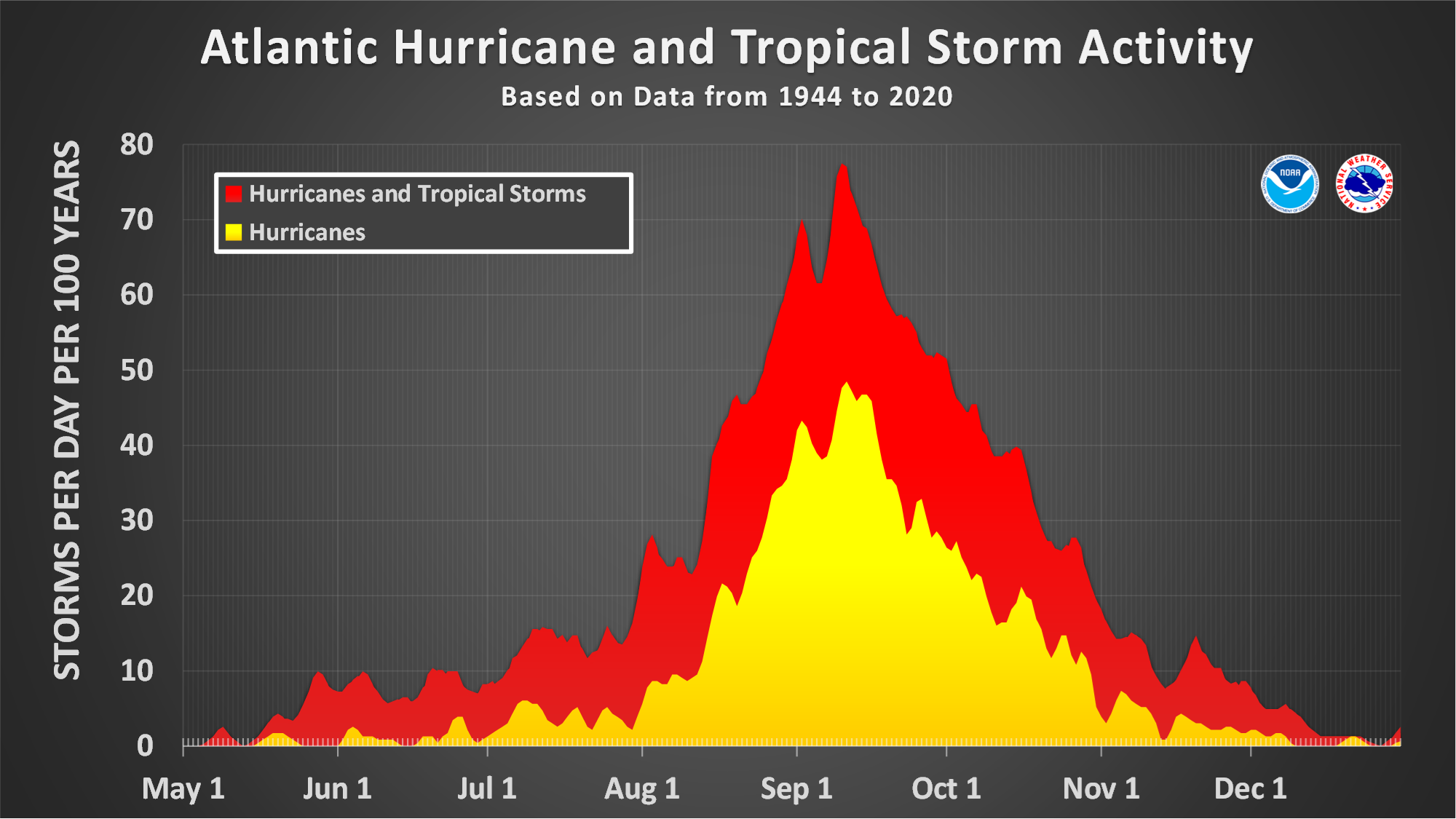
The Atlantic hurricane season officially runs from June 1st to November 30th each year. This six-month period is when the atmospheric and oceanic conditions are most favorable for the formation and intensification of tropical cyclones, which can develop into tropical storms and hurricanes. While the entire season spans this timeframe, the peak of the activity typically occurs in August, September, and early October.
It’s important to understand that not every storm that forms during this period will impact Florida. Many may stay out at sea, weaken before reaching landfall, or make landfall in other regions. However, the potential for a storm to affect the state exists throughout the entire season. For travelers considering a trip to Florida between June and November, being aware of this potential is key to responsible planning.
Why Does Florida Have a Hurricane Season?
The geographical location of Florida, a peninsula surrounded by warm waters – the Atlantic Ocean to the east and the Gulf of Mexico to the west – plays a significant role in its susceptibility to hurricanes. These warm ocean waters provide the necessary energy for tropical disturbances to develop and strengthen. During the summer and fall months, sea surface temperatures are at their highest, creating an ideal breeding ground for these powerful weather systems.
The Atlantic hurricane season is influenced by a complex interplay of atmospheric and oceanic factors, including the El Niño-Southern Oscillation (ENSO) phenomenon. For instance, an El Niño pattern can sometimes suppress hurricane activity in the Atlantic, while a La Niña pattern can lead to a more active season. However, regardless of these broader climatic patterns, the June 1st to November 30th window remains the designated period of heightened risk.
The impact of a hurricane on Florida can range from heavy rainfall and strong winds causing localized flooding and power outages to severe storm surges, devastating winds, and extensive property damage in the case of a major hurricane. This is why preparedness and awareness are paramount for both residents and visitors.
Navigating Your Trip During Hurricane Season
The notion of hurricane season can be daunting for travelers. However, with careful planning and a proactive approach, it’s entirely possible to have a wonderful and safe vacation in Florida during these months. Many visitors do just that every year without any significant disruption to their plans.
Travel and Accommodation Considerations
Booking Your Stay: When booking hotels, resorts, villas, or apartments, it’s wise to familiarize yourself with the cancellation and rebooking policies of your chosen accommodation. Many establishments in Florida are well-prepared for hurricane season and offer flexible options for guests who may need to alter their plans due to weather advisories. Look for properties that explicitly mention their hurricane preparedness or offer “hurricane clauses” in their booking terms. Websites that facilitate booking, reviews, and comparison of accommodations are invaluable resources for finding such information.
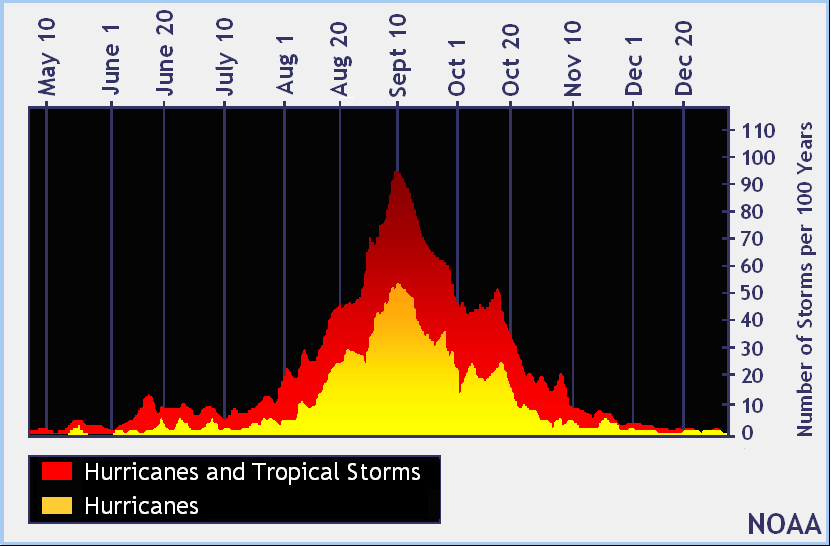
Consider traveling during the earlier or later parts of the season, as the absolute peak of activity is concentrated in the late summer and early autumn. June and July, while part of the season, often see fewer significant storms. Similarly, late November can be a beautiful time to visit Florida as the crowds thin out and the weather remains pleasant, though the season technically extends to the end of the month.
Transportation: Flights and car rentals can also be affected by severe weather. Airlines and rental car companies typically have their own policies regarding flight cancellations and rebooking due to hurricanes. Purchasing travel insurance that specifically covers weather-related disruptions is a highly recommended safeguard. This can provide financial protection if you need to cancel your trip, cut it short, or if your travel plans are significantly delayed due to a hurricane.
Destinations and Attractions: Florida‘s diverse attractions remain open and operational during hurricane season, with the caveat that some outdoor activities or attractions might be temporarily closed due to weather advisories or actual storm impacts. Parks like Walt Disney World Resort and Universal Orlando Resort have established protocols for managing potential weather events, often continuing operations until official advisories require closures. Natural landmarks such as Everglades National Park or the beaches along the Gulf Coast and the Atlantic Coast are beautiful year-round but are subject to weather-related closures when storms approach. Always check the official websites of attractions and parks for the most up-to-date information on operating status.
Safety and Preparedness
The most crucial aspect of traveling to Florida during hurricane season is prioritizing safety and being prepared.
Stay Informed: Monitor weather forecasts regularly. Reputable sources for weather information include the National Hurricane Center (NHC) and local news outlets. Pay close attention to any advisories, watches, or warnings issued for the area you are visiting. Many hotels and resorts will proactively inform guests about weather developments.
Develop a Plan: Before your trip, or as soon as you arrive, familiarize yourself with evacuation routes and procedures for your specific location. Your accommodation provider should be able to supply this information. Know where the nearest shelters are located, although in most cases, if an evacuation order is issued for your area, you will be advised to leave the region entirely, not just go to a local shelter.
Pack Accordingly: While you’ll likely pack for warm weather, consider adding a small emergency kit to your luggage. This might include items like a flashlight, batteries, a first-aid kit, a portable phone charger, and any necessary medications. Having some non-perishable snacks and bottled water is also a good idea.
Heed Official Warnings: If local authorities or the National Hurricane Center issue a hurricane watch or warning, take it seriously. A hurricane watch means that hurricane conditions are possible within the specified area, generally within 48 hours. A hurricane warning means that hurricane conditions are expected within the specified area, generally within 36 hours. These are not mere suggestions; they are official advisories that require action. If evacuation orders are given, follow them immediately.

Embracing the Florida Lifestyle, Responsibly
Florida‘s appeal extends beyond its theme parks and beaches. Its unique local culture, diverse culinary scene, and array of activities are captivating. From savoring fresh seafood in Key West to exploring the historic architecture of St. Augustine or enjoying the vibrant nightlife in Tampa, there’s an authentic Florida experience to be had.
During hurricane season, many of these experiences can still be enjoyed. Local restaurants, museums, and indoor attractions often remain open, offering a refuge from any inclement weather. Engaging with the local community, attending cultural events, and exploring the indoor attractions can be wonderful ways to experience Florida’s charm.
For those seeking luxury travel, Florida boasts an array of high-end resorts and fine dining establishments that are equipped to handle any weather event with professionalism. Budget travelers will find that deals on accommodation and flights can sometimes be more readily available during the shoulder months or outside of peak hurricane activity, making it possible to experience Florida without breaking the bank. Family trips can still be incredibly rewarding, with many attractions offering indoor play areas and covered activities.
Ultimately, visiting Florida during hurricane season is a calculated decision. By understanding the risks, planning meticulously, and staying informed, travelers can significantly mitigate potential disruptions. The warm hospitality and the myriad of experiences that Florida offers are accessible year-round, and with the right precautions, your trip can be as sunny and enjoyable as you envisioned, regardless of the calendar’s designation. Whether you’re planning a long-term stay or a short getaway, respecting the power of nature and preparing accordingly will ensure a safe and unforgettable journey through the beautiful state of Florida.