
Florida, often affectionately known as the Sunshine State, is a magnet for travelers from across the globe, drawing them in with its pristine beaches, world-renowned theme parks, vibrant cities like Miami, and unique natural landscapes. From the enchanting magic of Walt Disney World Resort to the tranquil beauty of the Florida Keys, this southeastern gem of the United States promises an unforgettable experience. However, beneath this idyllic facade lies a significant consideration for any visitor or resident: hurricane season.
The question, “When is the hurricane supposed to hit [Florida]?” is not merely a query about a specific date but a broader exploration of timing, preparedness, and strategic travel planning. Understanding the nuances of hurricane season is paramount for anyone considering a trip to the state, ensuring both safety and the enjoyment of their hard-earned vacation. This comprehensive guide will delve into the typical timeline, the factors influencing tropical storm development, and, most importantly, provide actionable advice for travelers to navigate their plans effectively during this period. We’ll explore how hurricanes can impact everything from your choice of hotels and accommodation to the accessibility of iconic landmarks and the overall tourism experience, offering insights into how to make informed decisions and ensure peace of mind.
Understanding Florida’s Hurricane Season: Timing and Risk Factors
Navigating a trip to Florida requires a fundamental understanding of its annual hurricane season. Unlike a fixed date, “when a hurricane is supposed to hit” refers to a designated period when conditions are ripe for tropical storm formation and activity, necessitating vigilance for all travelers and residents.
The Official Season and Peak Months
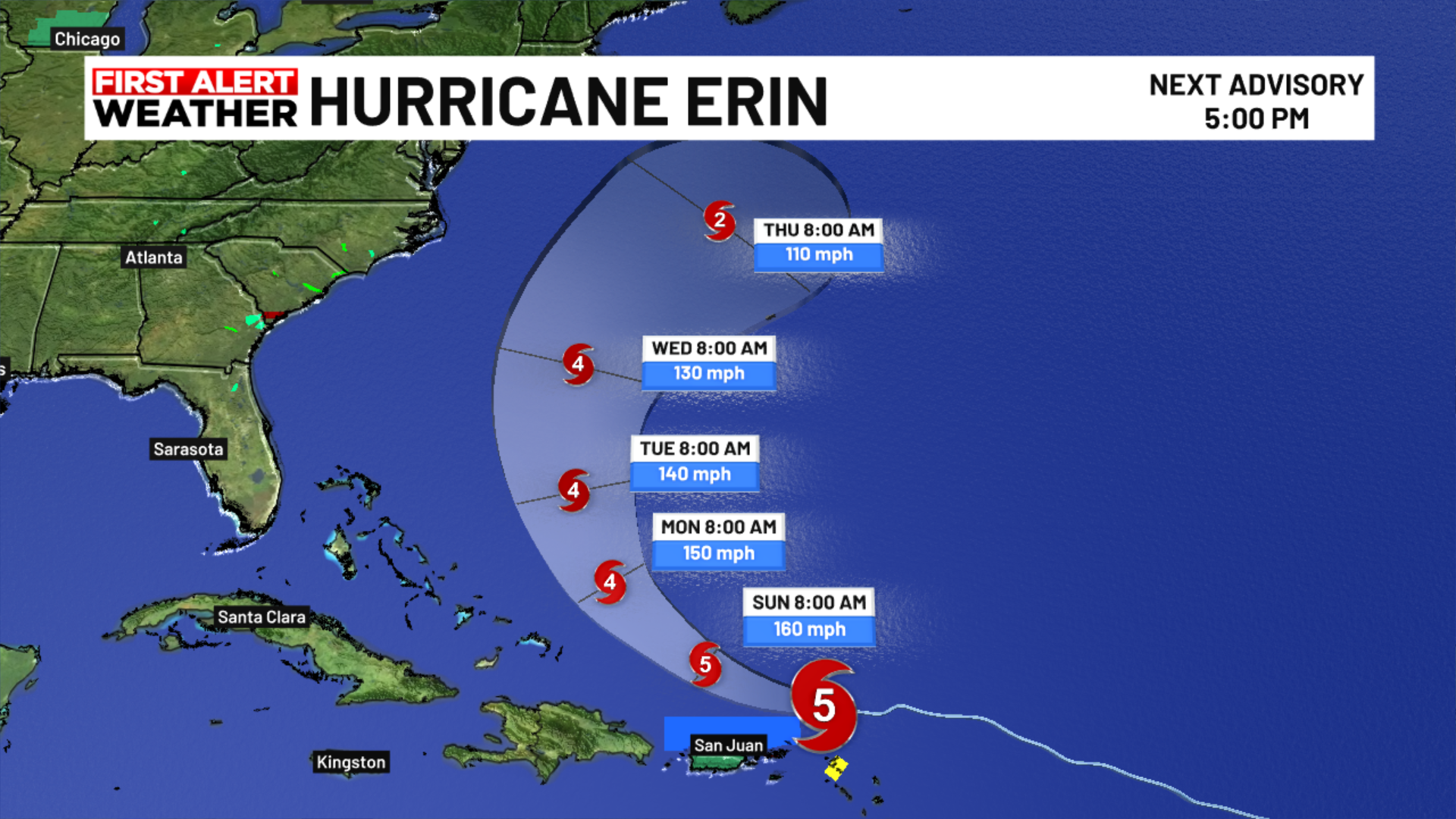
The official Atlantic hurricane season, which directly impacts Florida, runs annually from June 1st to November 30th. During these six months, the waters of the Atlantic Ocean, the Caribbean Sea, and the Gulf of Mexico reach temperatures warm enough to fuel the development of tropical depressions, storms, and hurricanes.
While the entire season warrants attention, historical data indicates a distinct period of heightened activity. The peak of hurricane season typically falls between mid-August and late October, with September often being the most active month. This doesn’t mean storms can’t occur outside this window – early June or late November systems are not unheard of – but the probability significantly increases during these peak months.
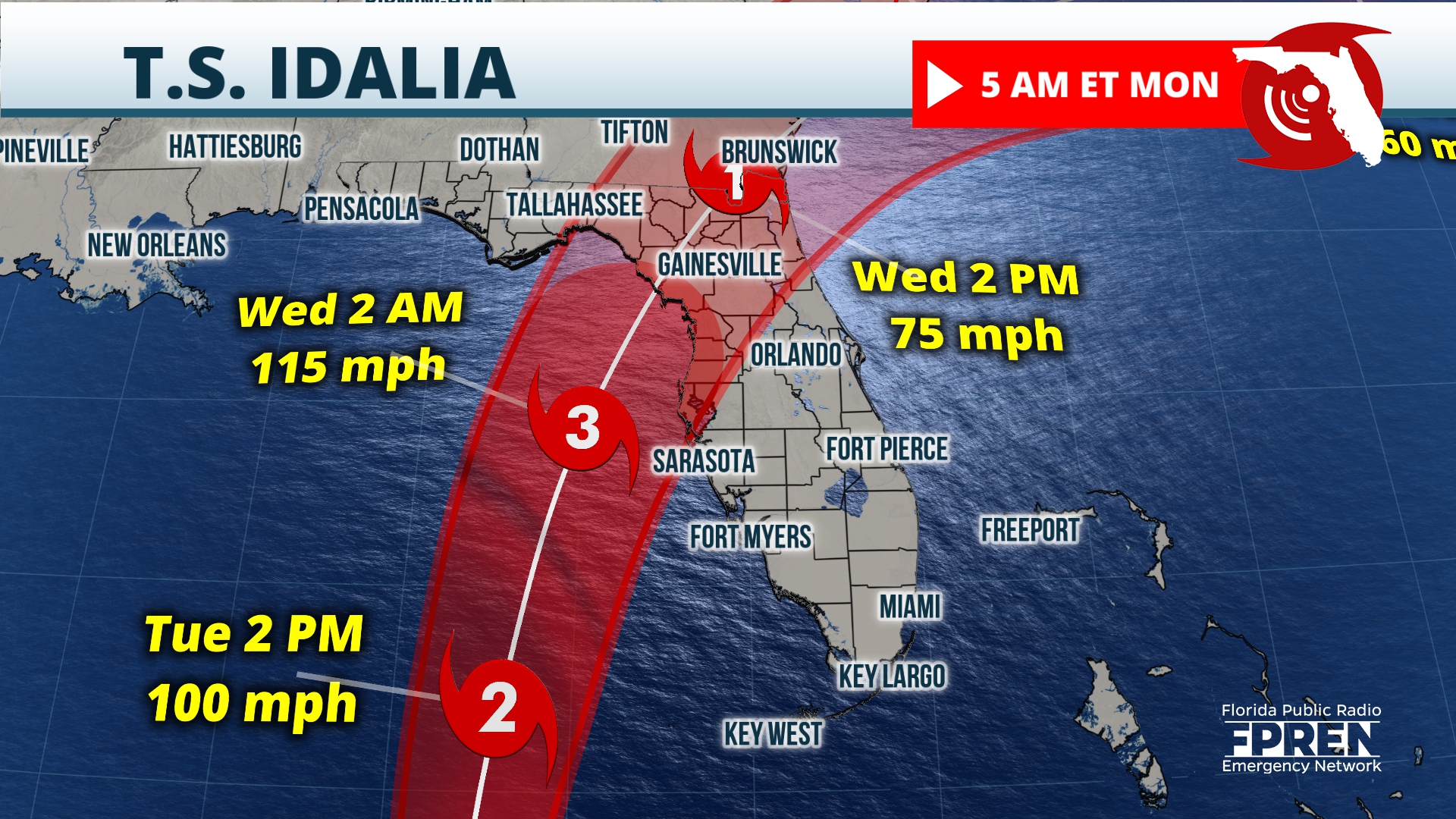
Various regions of Florida can experience different levels of impact. The Florida Keys and the southern tip of Florida (including Miami and Fort Lauderdale on the Atlantic Coast) are particularly vulnerable to early-season storms tracking from the Caribbean Sea. The Gulf Coast, encompassing popular destinations like Tampa, St. Petersburg, and Sarasota, as well as the Florida Panhandle (including Pensacola and Panama City Beach), face threats from systems developing in the Gulf of Mexico. Meanwhile, the central and northeastern parts of the state, including Orlando and Jacksonville, can be affected by storms making landfall anywhere in the state, experiencing heavy rains, strong winds, and potential flooding.
Factors Influencing Hurricane Development
Hurricanes are complex meteorological phenomena, and their development is influenced by a confluence of atmospheric and oceanic conditions. Understanding these factors provides deeper insight into the variability of hurricane seasons.
- Sea Surface Temperatures (SSTs): The most critical factor is warm ocean water, specifically temperatures above 80°F (26.5°C) down to a depth of at least 150 feet. These warm waters provide the necessary heat energy and moisture for tropical systems to form and intensify. This is why the season peaks during the warmest months.
- Low Wind Shear: Wind shear refers to the change in wind speed or direction with height in the atmosphere. High wind shear tears apart nascent storm systems, preventing them from organizing. Low wind shear, conversely, allows storms to strengthen and maintain their structure.
- Moisture Levels: Ample moisture in the mid-levels of the atmosphere is essential for thunderstorms, which are the building blocks of hurricanes. Dry air can inhibit storm development.
- Atmospheric Instability: An unstable atmosphere, where air masses readily rise, contributes to the powerful updrafts necessary for deep convection and thunderstorm activity within a developing storm.
- El Niño and La Niña Cycles: These periodic climate patterns in the equatorial Pacific Ocean have a significant teleconnection to Atlantic hurricane activity.
- El Niño years typically see increased wind shear across the tropical Atlantic, often leading to a suppressed hurricane season.
- La Niña years tend to reduce wind shear, often resulting in an above-average hurricane season.
- Saharan Air Layer (SAL): This mass of very dry, dusty air that moves off the Saharan Desert into the Atlantic Ocean can suppress hurricane formation by injecting dry air into the atmosphere and increasing wind shear. However, its influence varies year to year.
Meteorologists at institutions like the National Hurricane Center (NHC) and other forecasting agencies meticulously monitor these factors to provide seasonal outlooks and real-time storm tracking. While no one can predict precisely “when” a hurricane will hit Florida months in advance, understanding these dynamics helps travelers appreciate the context of hurricane season travel.
Staying Informed and Prepared: A Traveler’s Guide
For those planning to visit Florida during hurricane season, proactive information gathering and preparation are not just recommended, they are essential. Being well-informed can make the difference between a minor inconvenience and a significant disruption to your travel plans.
Essential Information Sources
In the event of a developing tropical system, reliable and up-to-date information is your most valuable asset. Travelers should know where to access official alerts and forecasts:
- National Hurricane Center (NHC): This is the primary source for all tropical cyclone forecasts and advisories in the Atlantic basin. Their website (nhc.noaa.gov) provides real-time updates, cone of uncertainty graphics, and detailed discussions about storm intensity, track, and potential impacts. Follow them on social media for quick alerts.
- Local Weather Stations: Once a storm nears, local news channels and their websites provide granular information specific to your destination. Stations like WPTV (South Florida) or WFLA (Tampa Bay) offer localized forecasts, severe weather alerts, and evacuation orders. Many also have mobile apps.
- County Emergency Management Agencies: Every county in Florida has an emergency management division. Their websites and social media channels provide hyper-local updates, shelter information, evacuation zone details, and specific guidance for residents and visitors. Knowing your destination county’s emergency services is crucial.
- Hotel and Resort Communications: Reputable hotels and resorts will have emergency communication plans in place. Ensure you provide accurate contact information during booking and check their communication channels (e.g., in-room TV, property app, dedicated email updates). They are often the first to advise guests on on-site protocols or evacuation directives.
- Travel Apps: Many weather apps offer push notifications for severe weather alerts based on your location. Download a reliable one before your trip.
Pre-Trip Preparations for Hurricane Season Travel
Taking a few proactive steps before you even leave home can significantly mitigate stress and potential losses should a hurricane threaten your Florida vacation.
- Travel Insurance is Non-Negotiable: This is arguably the most critical step. Purchase comprehensive travel insurance that covers trip cancellation, interruption, medical emergencies, and evacuation. Crucially, look for “cancel for any reason” (CFAR) policies, which offer the most flexibility, though they are more expensive. Understand what your policy covers in relation to hurricanes – many standard policies have specific clauses regarding when a storm must be named or a warning issued to trigger benefits. Purchase it well in advance, ideally before hurricane season begins or certainly before a storm is named.
- Opt for Flexible Bookings: Whenever possible, choose airlines, hotels, and car rental companies that offer flexible cancellation and rebooking policies. Many major hotel chains like Marriott or Hilton and most airlines now offer more flexible options, but always double-check the fine print, especially during peak hurricane season.
- Prepare a Digital Emergency Kit: Scan and save copies of important documents to a cloud service or encrypted USB drive. This includes passports, driver’s licenses, travel insurance policies, hotel confirmations, flight itineraries, and emergency contacts. This ensures access even if physical documents are lost or damaged.
- Develop a Communication Plan: Discuss with your travel companions and family back home how you will communicate if cell service or power is disrupted. Consider a designated check-in person or an alternative communication method.
- Pack Smartly: In addition to your regular vacation gear, consider a small “go-bag” with essentials in case of unexpected delays or a short-term power outage. This might include a portable power bank, a small first-aid kit, essential medications, a flashlight, and comfortable clothes.
- Understand Hotel/Accommodation Policies: Don’t assume. Contact your specific hotel, resort like a Hyatt Regency or Ritz-Carlton, or vacation rental owner directly to inquire about their hurricane policies. Ask about refunds, rebooking options, and what their on-site procedures are for guests during a storm threat or evacuation. This is especially important for private rentals, which may have less structured policies than large chains.
By diligently following these steps, travelers can significantly enhance their safety and minimize potential disruptions, allowing for a more enjoyable and less stressful trip to Florida, even during hurricane season.
Navigating Travel and Tourism Amidst Hurricane Threats
A hurricane threat in Florida inevitably brings changes and challenges for tourism and travel. From the potential closure of major attractions to disruptions in transportation, understanding these impacts is key to adapting your plans effectively.
Impact on Popular Destinations and Attractions
Florida’s allure largely stems from its diverse array of attractions. However, a hurricane can swiftly alter access and operation.
- Theme Parks: Orlando’s world-famous theme parks, including Walt Disney World Resort and Universal Studios Florida, have robust hurricane protocols. They often announce closures several days in advance if a direct hit is anticipated, prioritizing the safety of guests and staff. While some attractions might be more resilient, strong winds and heavy rainfall lead to full park closures. Visitors with pre-booked tickets or packages should monitor official park websites and social media channels for real-time operational updates and rebooking policies. These parks are usually quick to reopen once conditions are safe and damage assessments are complete, but a few days of disruption is common.
- Beaches: Florida’s iconic beaches, such as Clearwater Beach, South Beach in Miami, and those along the Emerald Coast, are highly susceptible to hurricane impacts. Storm surge can cause significant erosion, and debris can litter the shoreline, leading to extended closures for cleanup and safety inspections. Swimming advisories are also common after storms due to potential water contamination. Even if a hurricane doesn’t make a direct hit, distant storms can generate dangerous rip currents, necessitating beach closures.
- National Parks and Wildlife Areas: Natural treasures like Everglades National Park or the Big Cypress National Preserve can experience severe flooding, making trails impassable and facilities inaccessible. Wildlife may also be displaced or impacted. Access to these areas can be restricted for weeks or even months following a significant storm to allow for recovery and environmental restoration.
- Cruises: Florida’s major cruise ports, including PortMiami, Port Canaveral, and Port Everglades, are central hubs for Caribbean cruises. Hurricanes in the Atlantic basin frequently cause cruise lines to reroute itineraries, delay departures, or even cancel voyages entirely. Passengers should stay in close communication with their cruise line for updates, as policies for refunds or future cruise credits vary.
Accommodation and Transportation Considerations
The ripple effects of a hurricane threat extend deeply into the logistics of travel, particularly concerning where you stay and how you move around.
- Hotel Policies and Availability: During a hurricane threat, hotels in affected areas might activate emergency plans. This could include mandatory evacuations, restrictions on guest services, or even property closures. While major chains like Marriott and Hilton often have corporate-level policies regarding refunds and rebooking during declared emergencies, smaller independent accommodation providers may have less standardized procedures. If an evacuation order is issued, finding alternative accommodation can be challenging, as inland hotels quickly fill up with evacuees.
- Airports and Flight Cancellations: Florida’s major airports, such as Orlando International Airport (MCO) and Miami International Airport (MIA), are typically among the first infrastructure components to be affected. Airlines issue waivers allowing passengers to change flights without fees, and flights are often canceled days in advance of a direct hit. Prolonged airport closures can lead to significant backlogs and travel chaos for days after the storm passes.
- Road Travel and Evacuation Routes: If a hurricane threatens, state and local authorities may issue evacuation orders for coastal and low-lying areas. This can lead to significant traffic congestion on designated evacuation routes. Knowing your zone and route is critical. The Florida Department of Transportation (FDOT) provides real-time traffic updates and resources. Fuel shortages can also occur as people fill up before evacuating, making it essential to keep your gas tank full.
The key takeaway is that flexibility and proactive monitoring are vital. Travelers must be prepared for the possibility of altered plans and be ready to make quick decisions based on official guidance.
Strategic Travel Planning for Hurricane Season
While the potential for hurricanes adds a layer of complexity to Florida travel, it doesn’t mean you should avoid the Sunshine State entirely during these months. Strategic planning, informed decision-making, and a focus on safety can still lead to a rewarding experience.
Weighing the Pros and Cons of Off-Peak Travel
Traveling during hurricane season, particularly outside the absolute peak, is often considered “off-peak.” This brings both advantages and disadvantages for different types of travelers.
Pros:
- Lower Prices: Airfare, hotel rates, and accommodation costs are typically significantly lower compared to the bustling winter and spring break seasons. This can make a Florida vacation more accessible for budget travelers.
- Fewer Crowds: Popular attractions, beaches, and restaurants are less crowded, offering a more relaxed and intimate experience. You’ll likely spend less time waiting in lines and more time enjoying your surroundings.
- Unique Experiences: The summer and early fall months can offer specific local events and festivals that aren’t available at other times of the year.
- Warm Water: The ocean temperatures are at their warmest, perfect for swimming, snorkeling, and other water sports, assuming conditions are calm.
Cons:
- Hurricane Risk: The most obvious drawback is the inherent risk of tropical storms and hurricanes, which can disrupt plans, cause cancellations, and potentially pose safety concerns.
- Heat and Humidity: These months are also the hottest and most humid in Florida, which can be uncomfortable for some travelers, especially those sensitive to heat. Afternoon thunderstorms are also a daily occurrence, though usually brief.
- Potential Disruptions: Even if a hurricane doesn’t make landfall, its presence in the broader region can bring heavy rain, strong winds, and rough seas, impacting outdoor activities.
For budget travelers, families with school-age children (who travel during summer break), or those seeking a quieter experience, the trade-offs might be worth it, provided thorough preparation is undertaken. Business travelers might find better rates, but face the risk of delays impacting schedules.
What to Do If a Hurricane Threatens Your Trip
Despite careful planning, a hurricane might emerge and threaten your travel dates. Here’s a protocol for managing the situation:
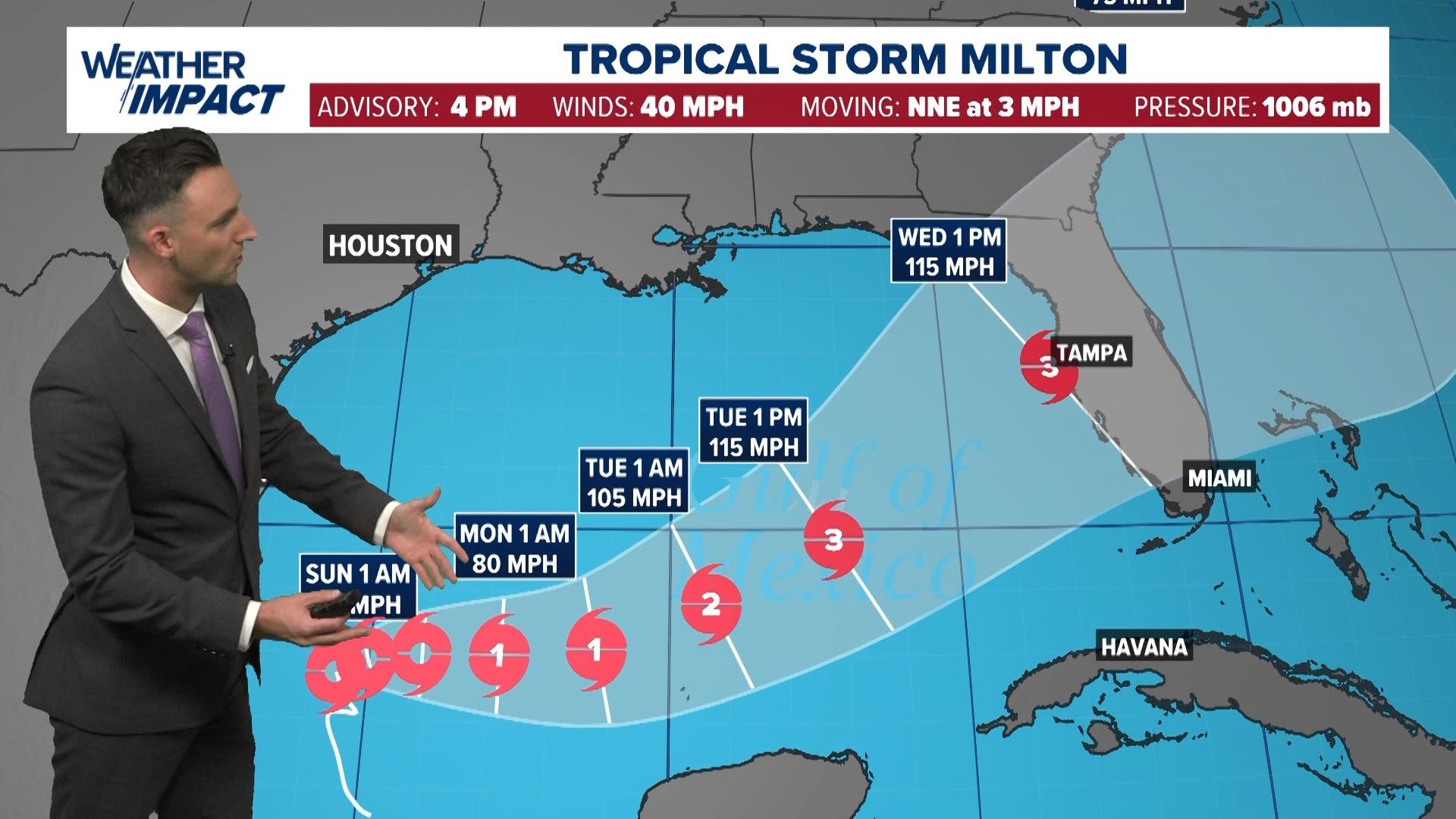
- Monitor Official Sources Religiously: Keep a constant watch on updates from the NHC, local Florida news, and county emergency management. Pay attention to watches (conditions are possible) and warnings (conditions are expected within a specified timeframe).
- Contact Airlines and Hotels/Accommodation Providers: As soon as a storm becomes a credible threat to your destination, contact your airline, hotel, or vacation rental owner. Inquire about their specific cancellation or rebooking policies for hurricane-related events. Major airlines typically issue travel waivers for affected areas, allowing free changes. Hotel chains like those under Marriott Bonvoy or Hilton Honors often have emergency clauses.
- Understand Your Travel Insurance Policy: Review your travel insurance documentation to understand what circumstances trigger coverage for trip cancellation or interruption due to a hurricane. Document all communications with travel providers.
- Consider Alternative Destinations: If your Florida plans become untenable, explore alternative destinations. Perhaps an inland Florida city if only the coast is threatened, or an entirely different state or region unaffected by the storm. Having a Plan B can save your vacation.
- Don’t Wait Until the Last Minute: Making decisions early can provide more options for rebooking or canceling without incurring significant penalties. Trying to fly out or find new accommodation at the eleventh hour will be more expensive and stressful.
On-the-Ground Safety and Emergency Protocols
If you find yourself in Florida when a hurricane approaches, your safety is the absolute priority.
- Follow Official Instructions Immediately: Local authorities will issue specific guidance, including evacuation orders or shelter-in-place directives. These are for your safety and must be followed without delay. Know your evacuation zone.
- Communicate with Your Hotel/Accommodation: Your hotel staff are a vital resource. They will have emergency plans and can guide guests through procedures, including directing you to on-site shelters or providing information on evacuation routes. For vacation rentals, stay in touch with the owner or property manager.
- Stay Connected and Charged: Keep your cell phone and other communication devices fully charged. A portable power bank is invaluable. Have a NOAA weather radio if possible, or ensure your phone can receive emergency alerts.
- Stock Essentials: If you are advised to shelter in place, ensure you have enough water, non-perishable food, medications, a first-aid kit, and flashlight batteries for several days. Many hotels will have emergency provisions, but it’s always good to be self-sufficient.
- Avoid Storm Chasing: Do not venture out during a hurricane. High winds, flying debris, flash flooding, and tornadoes associated with hurricanes are extremely dangerous. Stay indoors in a safe location until official “all clear” is given.
While the thought of a hurricane can be daunting, a well-informed and prepared traveler can significantly mitigate the risks associated with visiting Florida during hurricane season. The state’s natural beauty and vibrant attractions remain a powerful draw, and with a bit of foresight, your trip can still be a truly wonderful experience, regardless of the time of year. By understanding the season, staying informed, and prioritizing safety, you can confidently plan your adventure to the Sunshine State.