
For many, the very notion of snow falling in Florida sounds like an oxymoron, a whimsical concept better suited for a holiday card than the subtropical reality of the Sunshine State. Famous for its sun-drenched beaches, theme parks, and balmy temperatures, Florida is the quintessential escape for those seeking to flee winter’s icy grip. Yet, despite its reputation, snow has, on rare occasions, graced Florida’s landscapes. These fleeting moments are etched into the state’s collective memory, becoming local legends and surprising chapters in its weather history. Understanding when and why these unusual events occur offers a fascinating glimpse into the delicate balance of meteorological conditions required for a snow day in one of the warmest places in the United States. It also underscores the unique travel and lifestyle proposition that Florida consistently offers to visitors from around the globe, year after year.

A Glimpse into Florida’s Rare Winter Spectacle
The allure of Florida for travelers often lies in its promise of endless summer. Destinations like Miami, Orlando, and Key West are synonymous with warmth, outdoor activities, and vibrant local culture, particularly when much of North America is blanketed in snow. This stark contrast makes any mention of snow in Florida particularly noteworthy. While snowfall is exceedingly rare, especially measurable accumulation, it is not entirely unprecedented. The occurrences are often localized, brief, and met with a mix of wonder and disruption by residents unaccustomed to such wintry conditions. These events, though few and far between, highlight a different facet of Florida’s natural environment, demonstrating that even a subtropical paradise can occasionally experience a touch of winter magic. For those planning a Florida travel itinerary, the chance of encountering snow is virtually nonexistent, but the historical accounts remain a captivating piece of the state’s story.
The Unforgettable 1977 Snowfall
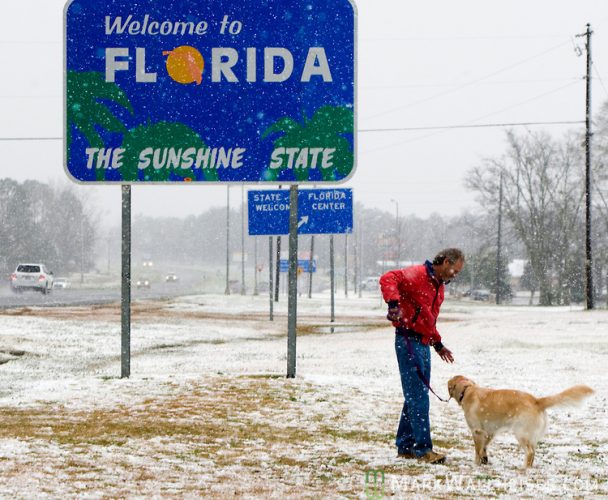
Perhaps the most famous and widespread snow event in Florida’s modern history occurred on January 19, 1977. This date is legendary because it marked the only time in recorded history that snow fell in Miami and across much of the southern part of the state, extending as far south as Homestead. On that frigid morning, Floridians woke up to a thin dusting of white, a sight so foreign that many were initially bewildered. News reports from the time capture the astonishment, with children experiencing snow for the very first time and adults marveling at the surreal landscape.
The snow event was caused by a powerful cold front that swept through the state, bringing Arctic air unusually far south. Coupled with sufficient moisture in the atmosphere, these conditions conspired to create a phenomenon that had never been witnessed by the majority of the population. While the accumulation was minimal, often just a dusting that quickly melted, its impact was profound. For a state where palm trees and orange groves define the scenery, the image of snow-dusted fronds and citrus trees became an iconic, almost mythical, representation of extreme weather. The 1977 snowfall remains a benchmark, a point of reference for all subsequent discussions about cold weather in Florida, reinforcing the state’s identity as a warm destination where such events are truly once-in-a-lifetime experiences. It’s a reminder that even in the sunniest locales, nature can deliver unexpected wonders, providing unique stories for tourists and locals alike.
Other Notable Snow Events Across the Sunshine State
While 1977 stands out, it wasn’t the only time snowflakes have graced Florida’s skies. Historically, the northern parts of the state, particularly areas closer to the Georgia and Alabama borders, have experienced snow more frequently, albeit still rarely.
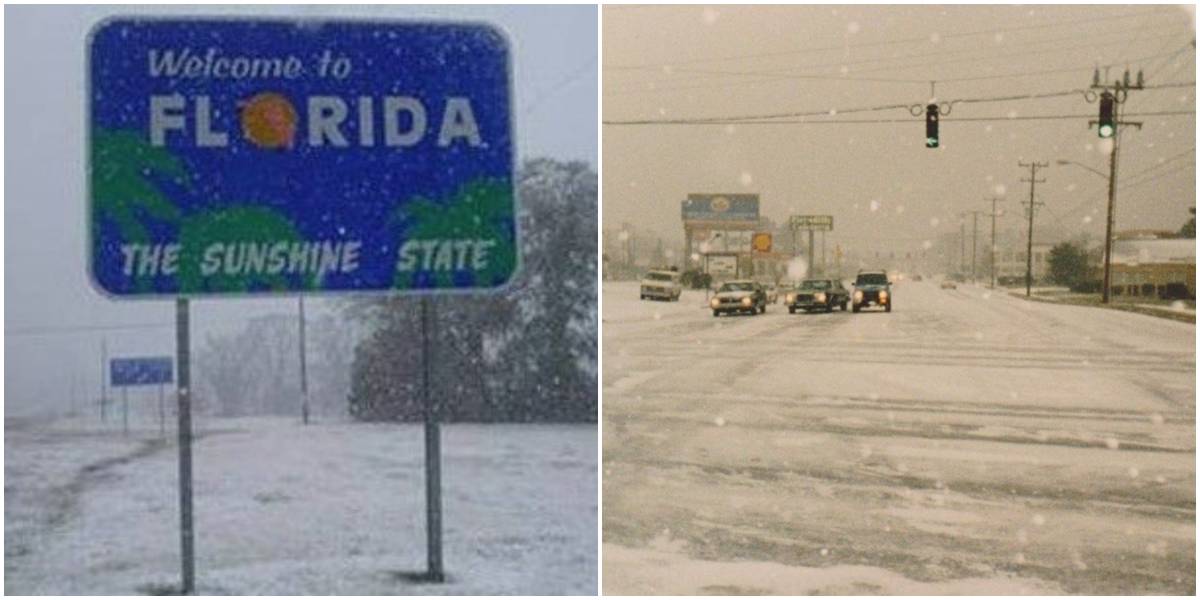
One of the earliest recorded snowfalls occurred in February 1835, impacting much of North Florida. Another significant event took place in February 1899, during what is known as the Great Blizzard of 1899, which brought freezing temperatures and snow as far south as Tampa and Fort Myers. Jacksonville and Tallahassee have seen snow on multiple occasions throughout history, with light dustings occurring periodically.
More recently, Tallahassee experienced a significant snowfall in January 2018, its first measurable accumulation in nearly three decades. This event, while modest by northern standards, brought the city to a standstill, leading to school closures and a sense of wonder among residents. Similarly, other parts of North Florida saw light snow or sleet during that same cold snap. These events, though rare and often light, highlight the northern region’s slightly greater susceptibility to winter weather compared to the deep south.
For visitors planning a trip centered around Florida’s attractions like Walt Disney World Resort in Orlando or the beaches of Daytona Beach and Fort Lauderdale, these snow events remain distant curiosities rather than practical considerations. The consistent warmth is a key part of Florida’s tourism appeal, allowing for year-round enjoyment of outdoor activities and aquatic adventures.
The Science Behind Florida’s Fleeting Flakes
The scarcity of snow in Florida is no accident; it’s a testament to its geographical location and the prevailing atmospheric patterns that define its subtropical climate. Understanding the meteorological conditions required for snow in this warm state provides insight into why it’s such a rare and celebrated event. For snow to fall, three primary ingredients must align perfectly: freezing temperatures throughout the entire atmospheric column from the clouds to the ground, sufficient moisture to form precipitation, and a mechanism to lift that moisture into the atmosphere. In Florida, achieving the first condition is the most challenging.
The Perfect (and Rare) Confluence of Conditions
The primary hurdle for snow in Florida is the consistently warm temperatures, especially near the surface. Even when cold air masses push deep into the state, temperatures often remain above freezing at ground level, leading to rain or perhaps sleet if there’s a shallow layer of sub-freezing air aloft. For actual snowflakes to reach the ground intact, the air temperature from the cloud base all the way down must be at or below 32°F (0°C).
The rare instances of snowfall in Florida are typically the result of an extraordinary combination of factors:
- Anomalously Strong Cold Fronts: These fronts must be powerful enough to usher in Arctic air masses that penetrate unusually far south, dropping surface temperatures significantly.
- Upper-Level Disturbances: These systems provide the necessary lift and moisture, allowing clouds to form and precipitation to develop within the cold air. Without this lift, even frigid air might remain dry.
- Sufficient Moisture: Even with cold air, if the atmosphere is too dry, no precipitation will form. The cold air needs to pick up moisture, often from the relatively warmer waters of the Gulf of Mexico or the Atlantic Ocean, before it encounters the freezing temperatures aloft.
When these elements converge, usually driven by a significant southward dip in the jet stream, the stage is set for a truly rare phenomenon. These events are often short-lived, with the snow quickly melting once the sun emerges or temperatures begin their inevitable climb back to Florida’s characteristic warmth.
Geographic Factors and Jet Stream Influence
Florida’s unique geography plays a crucial role in its lack of snow. Being a peninsula surrounded by warm ocean waters, it benefits from the moderating effect of the Atlantic Ocean to the east and the Gulf of Mexico to the west. These large bodies of water act as natural warmers, preventing air temperatures from plummeting to freezing levels for extended periods, especially along the coasts where many popular resorts and tourist attractions are located.
The position of the jet stream, a high-altitude ribbon of strong winds, is also a critical factor. Typically, the jet stream in winter flows across the central and northern United States, keeping the coldest air confined to those regions. For snow to reach Florida, the jet stream must dip dramatically southward, creating a trough that pulls Arctic air deep into the subtropical zones. Such a deep trough is an anomaly, often associated with powerful winter storms that track across the southeastern United States.
These geographic and atmospheric dynamics are what make snow in Florida such a rare spectacle, distinguishing it from other states. It reinforces Florida’s reputation as a premier travel destination for those seeking sun and warmth, even in the depths of winter. The consistent warmth supports a unique lifestyle centered around outdoor recreation, from golfing and fishing to enjoying pristine beaches and exploring natural landmarks like Everglades National Park, without the concern of snow.
Florida’s Identity: A Snow-Free Paradise for Travelers
The very infrequency of snow in Florida is central to its brand identity as a premier travel and tourism destination. When people plan a getaway to the Sunshine State, they are actively seeking an escape from winter’s chill, a place where parkas are replaced by swimsuits and snow boots by flip-flops. This promise of perpetual warmth underpins everything from marketing campaigns for luxury resorts to the design of its attractions and the daily lifestyle of its residents. It’s a land where outdoor dining thrives year-round, where watersports are always in season, and where the most significant “snowfall” one might encounter is the artificial variety at a theme park during the holidays.
Escaping Winter: The Allure of Florida’s Warmth
For millions, Florida represents the ultimate winter escape. As temperatures drop in the northern latitudes, the migration south to Florida begins, a phenomenon driven by the magnetic pull of its consistently mild and sunny weather. This sustained warmth allows visitors to shed layers and immerse themselves in a wide array of outdoor activities that would be impossible elsewhere during the winter months. Imagine enjoying a round of golf in Naples, sunbathing on South Beach in Miami, or exploring the vibrant culinary scene in Orlando without the need for heavy coats.
This consistent climate significantly influences accommodation choices. Many hotels and resorts in Florida are designed with extensive outdoor amenities – expansive pools, beachfront access, outdoor dining terraces, and lush gardens – all of which are utilized fully throughout the winter months. Vacation rentals, from private villas to apartments near popular attractions, are booked months in advance by travelers seeking extended stays away from the cold. The promise of warm weather is not just a marketing slogan; it’s a fundamental aspect of the Florida experience, differentiating it sharply from other parts of the world.
Year-Round Attractions and Outdoor Lifestyles
Florida’s snow-free status ensures that its world-renowned attractions operate at full capacity year-round, unhindered by icy conditions or heavy snowfalls. Theme parks like Universal Orlando Resort and Busch Gardens Tampa Bay welcome visitors every day of the year. Beach destinations remain vibrant, offering everything from surfing and paddleboarding to simple relaxation under the sun. Natural landmarks and state parks, such as Biscayne National Park or the Florida Keys, provide endless opportunities for hiking, kayaking, and wildlife viewing without the interruption of cold weather.
This year-round accessibility fosters a distinct outdoor lifestyle for both residents and long-term visitors. Communities are built around golf courses, marinas, and expansive green spaces. From retirees enjoying their golden years in active communities to families seeking constant outdoor engagement, the predictable warm climate shapes daily routines and leisure pursuits. Events and festivals, ranging from art shows to food festivals, can be scheduled throughout the year with minimal concern for inclement weather, further enhancing Florida’s cultural and tourism appeal. This consistent environment makes Florida a uniquely reliable choice for those prioritizing warmth and outdoor living in their travel plans or permanent residence.
Planning Your Florida Escape: Beyond the Blizzard
Given the extreme rarity of snow in Florida, planning a trip to the Sunshine State can focus entirely on its primary offerings: warmth, sunshine, and a vast array of attractions and experiences. For those dreaming of a winter getaway that involves anything but snow, Florida provides an unparalleled selection of destinations catering to every taste and budget. From luxury travel experiences in Palm Beach to family trips in Orlando and adventurous explorations in the Everglades, the state’s diverse offerings are designed for enjoyment under clear, sunny skies. When preparing for your Florida vacation, rather than packing for potential snow, consider what you’ll need for endless days of sunshine, water activities, and vibrant outdoor living.
Choosing the Right Accommodation for Your Warm Getaway
Selecting the perfect accommodation is a cornerstone of any successful Florida trip, and the choices are as varied as the landscapes themselves. Given the state’s focus on outdoor enjoyment and pleasant weather, many options prioritize comfort, convenience, and access to key amenities that enhance a warm-weather stay.
- Resorts and Hotels: Florida is home to an impressive collection of hotels and resorts, ranging from boutique hotels in South Beach to sprawling family-friendly resorts around Walt Disney World Resort. Consider resorts with extensive pool complexes, private beach access, on-site dining, and recreational activities to maximize your sun-soaked experience. Brands like Ritz-Carlton and Four Seasons offer luxury stays with impeccable service, while numerous mid-range and budget hotels provide comfortable options.
- Apartments and Villas: For longer stays, family trips, or those seeking more space and privacy, vacation rentals are highly popular. You can find everything from cozy apartments in downtown Sarasota to opulent villas with private pools in Kissimmee. These options often come with full kitchens, laundry facilities, and multiple bedrooms, ideal for extended stays and group travel.
- Reviews and Comparison: Before booking, always consult reviews and use comparison sites to find the best deals and ensure your chosen accommodation meets your expectations. Whether you prioritize proximity to the beach, theme park shuttle services, or specific amenities like a spa or kids’ club, careful research will enhance your warm Florida getaway.
Exploring Florida’s Diverse Landscapes and Landmarks
With no need to worry about snowshoes or winter coats, your Florida itinerary can be packed with outdoor exploration and cultural immersion. The state’s diverse geography offers a plethora of landmarks and natural attractions worth discovering.
- Iconic Landmarks: Beyond the famed theme parks, Florida boasts impressive historical sites and natural wonders. Visit Castillo de San Marcos in St. Augustine, the oldest continuously inhabited European-established settlement in the United States. Explore the space history at the Kennedy Space Center Visitor Complex on Merritt Island. Drive along the iconic Overseas Highway through the Florida Keys, a series of picturesque islands stretching to Key West.
- Natural Wonders: Florida’s natural beauty is breathtaking. Spend time in Everglades National Park, a unique wetland ecosystem teeming with wildlife like alligators and panthers. Discover the crystal-clear waters of the freshwater springs in Central Florida, perfect for swimming, snorkeling, and kayaking. Enjoy the pristine beaches along the Gulf Coast in places like Siesta Key or Clearwater Beach, known for their soft, white sands.
- Local Culture and Food: Embrace the local culture by exploring neighborhoods like Little Havana in Miami, with its vibrant Cuban influences and delicious food. Indulge in fresh seafood, Key lime pie, and other regional delicacies that define Florida’s diverse culinary scene.
In conclusion, while the question “When is the last time it snowed in Florida?” evokes rare and memorable historical moments, for modern travelers, Florida’s identity remains firmly rooted in its sun-drenched climate. It is the ultimate destination for those seeking a vibrant, warm escape, offering a world of outdoor adventures, cultural richness, and unparalleled relaxation, all under a consistently blue, snow-free sky.
LifeOutOfTheBox is a participant in the Amazon Services LLC Associates Program, an affiliate advertising program designed to provide a means for sites to earn advertising fees by advertising and linking to Amazon.com. Amazon, the Amazon logo, AmazonSupply, and the AmazonSupply logo are trademarks of Amazon.com, Inc. or its affiliates. As an Amazon Associate we earn affiliate commissions from qualifying purchases.