
The question “When is the next earthquake in California?” is one that often surfaces in the minds of prospective travelers and even seasoned residents. It’s a natural inquiry given the state’s well-known seismic activity. However, rather than a cause for apprehension, understanding California’s geological heartbeat can actually empower travelers, allowing them to explore its stunning destinations, world-class attractions, and vibrant culture with confidence and informed awareness. Far from being a deterrent, the state’s proactive approach to seismic safety and its remarkable resilience make it an enduring and exhilarating travel destination.
California, a land of unparalleled beauty ranging from the sun-drenched beaches of San Diego to the majestic peaks of Yosemite National Park and the bustling metropolises of Los Angeles and San Francisco, sits atop one of the most geologically active regions on Earth. This unique position is precisely what sculpts its dramatic landscapes but also makes it prone to seismic events. For those planning a trip, booking accommodation, or simply curious about the California lifestyle, gaining insight into earthquake preparedness isn’t about fearing the unknown, but about embracing a responsible and knowledgeable approach to travel. This guide aims to demystify the topic, providing practical tips and a deeper understanding of how to enjoy all that California has to offer, safely and serenely.

Understanding California’s Seismic Landscape
To truly appreciate California’s relationship with earthquakes, it’s essential to understand the underlying geological forces at play. This knowledge not only explains why earthquakes occur but also sheds light on the state’s comprehensive preparedness strategies, which are crucial for any traveler considering a visit.
The Science Behind the Shakes
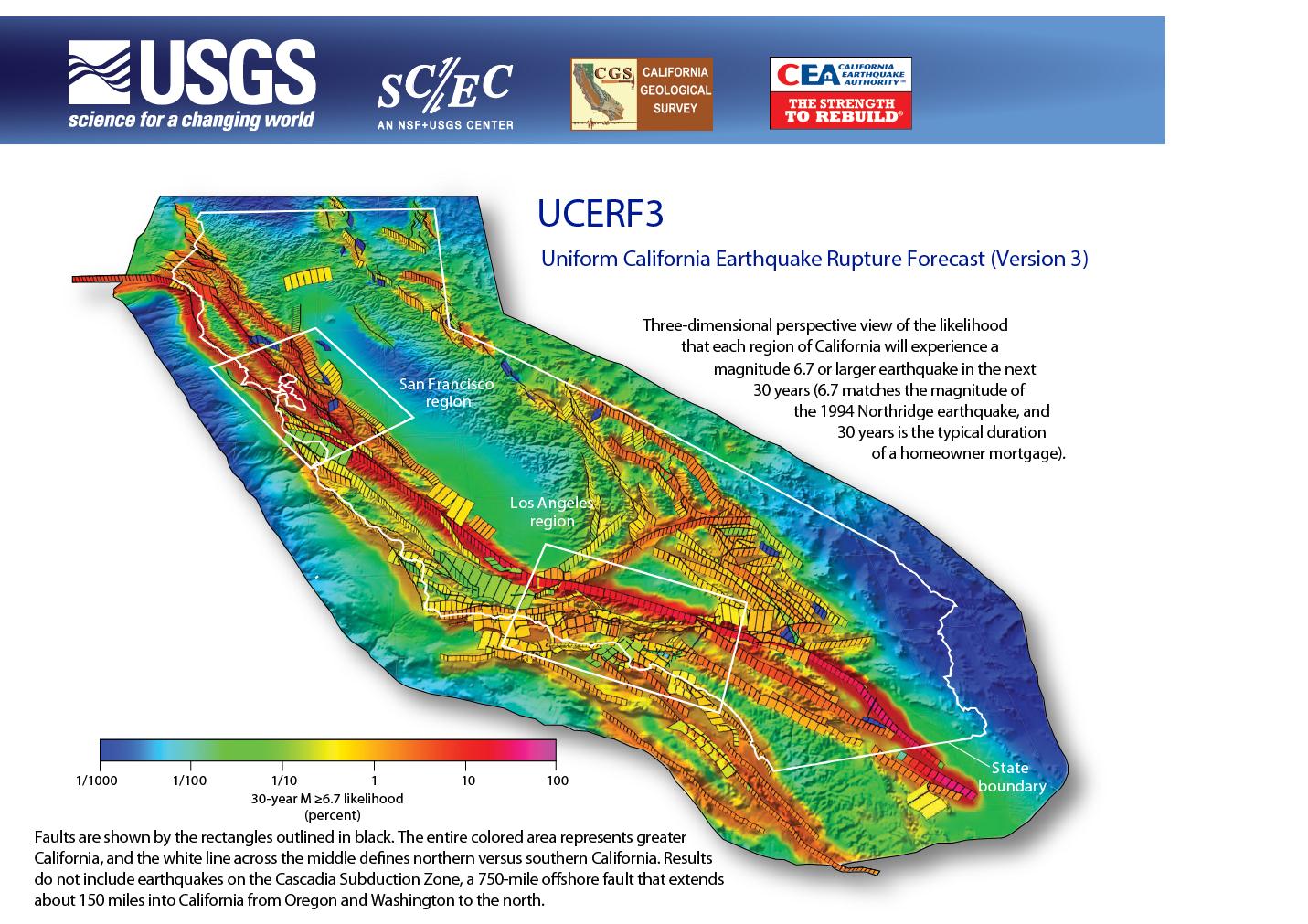
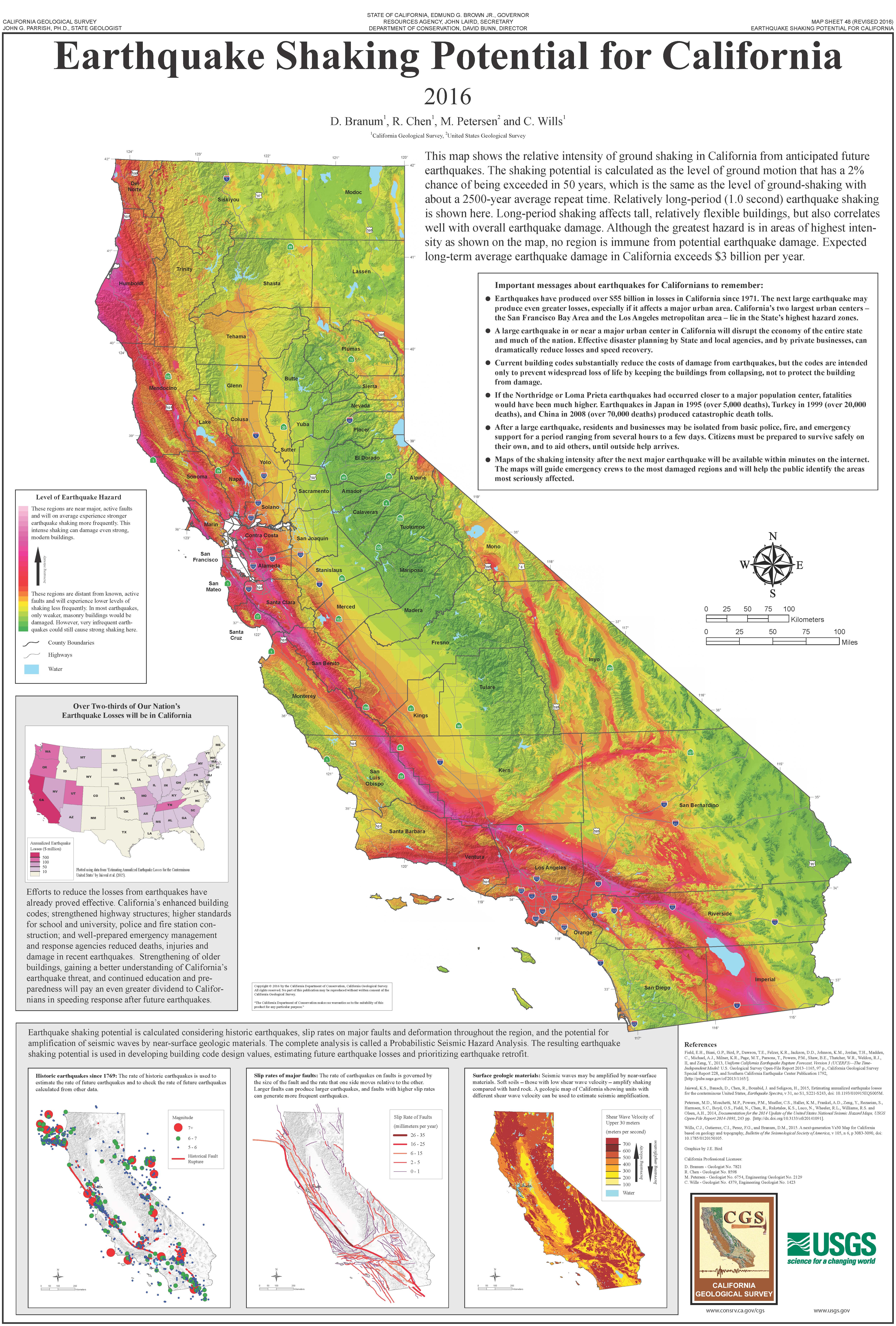
California is located on the eastern edge of the Pacific Ring of Fire, an arc of intense seismic and volcanic activity that encircles the Pacific Ocean. More specifically, much of the state lies at the dynamic boundary between two enormous tectonic plates: the Pacific Plate and the North American Plate. These plates are constantly grinding past each other, primarily along the infamous San Andreas Fault system, a vast network of fault lines stretching over 800 miles across the state.
The movement along these fault lines isn’t smooth; rather, pressure builds up over time as the plates snag and catch. When this stored energy is suddenly released, it creates an earthquake. While the San Andreas Fault is the most well-known, numerous other active faults crisscross California, including the Hayward Fault in the Bay Area and the Newport-Inglewood Fault in Southern California. It’s this intricate web of geological activity that makes seismic events an inherent part of the California experience. Scientists cannot predict the exact timing, location, or magnitude of the next earthquake, but they constantly monitor seismic activity and use historical data to assess long-term probabilities. This scientific understanding forms the bedrock of California’s impressive preparedness infrastructure, which is ultimately designed to protect both residents and visitors.
A History of Resilience: Learning from Past Events
California’s history is punctuated by significant seismic events, each serving as a profound lesson in resilience and driving advancements in safety. The devastating 1906 San Francisco earthquake, for example, which caused widespread fires and destruction, fundamentally reshaped urban planning and building codes in the state. While tragic, it laid the groundwork for modern seismic engineering.
More recently, events like the 1989 Loma Prieta earthquake, which impacted the San Francisco Bay Area during the World Series, and the 1994 Northridge earthquake in Los Angeles, have continuously spurred improvements in infrastructure, emergency response systems, and public education. These historical events are not just footnotes in textbooks; they are foundational to the contemporary California lifestyle. They have fostered a culture of preparedness that is deeply embedded in everything from public schools to hotel construction and the operation of major attractions. Today, buildings are designed with seismic resistance in mind, bridges are retrofitted, and early warning systems like ShakeAlert are becoming increasingly sophisticated. This robust framework means that while the “when” of the next earthquake remains elusive, the “how to prepare and respond” is a constantly evolving science, ensuring that California remains a safe and attractive destination for all.
Traveling Safely in Earthquake Country
Visiting California with an understanding of its seismic nature doesn’t mean canceling your trip; it means traveling smart. Knowing what steps to take before and during your stay can significantly enhance your safety and peace of mind, allowing you to fully immerse yourself in the wonders of the Golden State.
Pre-Trip Planning and Preparation
Effective preparation begins long before you set foot in California. As you plan your itinerary, consider these vital steps:
- Comprehensive Travel Insurance: This is paramount. Ensure your travel insurance policy explicitly covers natural disasters, including earthquakes. This can protect you financially in case of trip cancellations, delays, or medical emergencies. Some policies may even cover extra accommodation expenses if your original booking becomes uninhabitable. When comparing different plans, always read the fine print regarding natural disaster clauses.
- Communication Plan: Discuss a communication strategy with your travel companions. What will you do if cell service is disrupted? Designate an out-of-state contact person who everyone can check in with. This central point of contact can help relay messages if local communication lines are jammed.
- Emergency Contact Information: Save crucial numbers (local emergency services, your hotel, embassy/consulate if international) in your phone, and also keep a physical copy. Consider downloading emergency apps that provide local alerts.
- Familiarize Yourself with Local Alerts: California utilizes systems like ShakeAlert, which can provide a few seconds of warning before shaking begins. While you might not download the app for a short trip, be aware that your phone might receive alerts. Understanding what these alerts mean and how to react is key.
- Accommodation Research: When booking hotels, suites, resorts, or apartments, especially for long-term stays, inquire about their seismic safety features. Modern accommodations in cities like San Francisco and Los Angeles are built to stringent codes, often including seismic retrofitting. Look for hotels with good safety reviews and amenities that indicate preparedness (e.g., clear emergency exits, designated assembly points). Upscale resorts often have comprehensive emergency plans in place, but even budget accommodations should adhere to state safety standards.
During Your Stay: Accommodation and Attractions
Once you’ve arrived, continue to be mindful of your surroundings and the preparedness measures in place.
- Hotel Safety Briefings: Many hotels provide information on emergency procedures in guest rooms. Take a moment to read these. Identify emergency exits, stairwells, and assembly points. Understand that elevators should not be used during or immediately after an earthquake.
- “Drop, Cover, Hold On”: This is the universally recommended action during an earthquake. If inside, drop to the floor, take cover under a sturdy piece of furniture (like a desk or table), and hold on until the shaking stops. Stay away from windows, hanging objects, and tall furniture. If outdoors, move to an open area away from buildings, power lines, and trees. If driving, pull over safely, away from bridges and overpasses, and stay in your car.
- After the Shaking Stops:
- Assess Your Surroundings: Check yourself and others for injuries.
- Evacuate if Necessary: If your accommodation shows significant damage (cracks, gas smell, fallen debris), use the stairs to evacuate to your designated assembly point. Do not re-enter damaged buildings.
- Follow Official Guidance: Tune into local news or emergency broadcasts via battery-powered radio or car radio for instructions. Do not use your phone for non-emergency calls to keep lines open for first responders.
- Be Prepared for Aftershocks: These can occur minutes, hours, or even days after the main quake.
- Stay Informed: For those exploring attractions like Universal Studios Hollywood or Disneyland, rest assured that these venues have extremely rigorous safety protocols and highly trained staff for all types of emergencies, including earthquakes. They conduct regular drills and their infrastructure is built to withstand significant seismic activity.
By taking these proactive steps, travelers can significantly mitigate risks and ensure a more secure and enjoyable experience across California’s diverse landscape.
Embracing the Californian Experience, Responsibly
While the geological realities are undeniable, they do not define the California travel experience. Instead, they’ve fostered a unique culture of preparedness and innovation that allows its vibrant tourism, luxurious resorts, and iconic landmarks to thrive. Traveling responsibly in California means understanding this balance and appreciating the efforts made to keep everyone safe.
Iconic Landmarks and Modern Safety
From the architectural marvel of the Golden Gate Bridge to the historic charm of Alcatraz Island, and the natural splendor of Big Sur or Napa Valley’s wineries, California’s landmarks are not just beautiful—they are also remarkably resilient. Engineers and architects in California are pioneers in seismic design, employing cutting-edge techniques like base isolation and damper systems to allow structures to flex and move with the earth, rather than resisting it rigidly.
Consider the Golden Gate Bridge, an international icon. It has undergone extensive seismic retrofitting to ensure its integrity against a major earthquake. Similarly, major theme parks like Disneyland and Universal Studios Hollywood are built with the highest safety standards, and their staff are meticulously trained for emergency evacuations and public safety. Even historical buildings, such as those found in San Francisco’s historic districts or Sacramento’s Old Town, often undergo voluntary or mandated retrofitting to enhance their structural integrity. When you visit a famous place or stay in a reputable hotel, you’re not just enjoying its beauty or service; you’re also benefiting from decades of advanced seismic engineering and safety protocols that are a testament to California’s commitment to safety. This innovative approach to construction and urban planning means that whether you’re enjoying luxury travel, a family trip, or a business stay, your accommodation and experiences are underpinned by world-leading safety measures.
The Spirit of California: Resilience and Preparedness as Culture
Beyond the engineering and official protocols, there’s a deeply ingrained culture of preparedness among Californians themselves. Living in “earthquake country” is simply a fact of life, and most residents approach it with a pragmatic, informed attitude rather than fear. This translates into a collective resilience and a willingness to help one another in times of need.
For tourists, this means that even if a minor seismic event occurs, you’ll likely find locals calm, knowledgeable, and ready to assist. Emergency services are highly trained and efficient, and communities often have neighborhood watch programs and mutual aid networks. Embracing this aspect of the California lifestyle means understanding that preparedness isn’t just about avoiding danger, but about being part of a community that values safety and mutual support. It allows you to explore the state’s natural wonders, from the ancient trees of Joshua Tree National Park to the dramatic cliffs of Death Valley National Park, and engage with its vibrant local culture and diverse food scenes, knowing that safety is a shared priority. This awareness transforms the question of “when” into an opportunity to learn and appreciate the robust and dynamic character of this incredible state.
The exact timing of the next earthquake in California remains, by its very nature, an unknown. However, what is known and undeniably reassuring is California’s unparalleled dedication to seismic safety, its advanced infrastructure, and its resilient populace. Far from being a reason to hesitate, this preparedness is a testament to the state’s innovative spirit and its commitment to welcoming visitors from around the globe. By approaching your travel with a sensible understanding of its geological landscape and adhering to practical safety measures, you can confidently explore California’s stunning destinations, indulge in its rich tourism experiences, and enjoy its world-class accommodation options without undue worry. So, pack your bags, prepare with knowledge, and get ready to discover the endless wonders that await you in the Golden State.
LifeOutOfTheBox is a participant in the Amazon Services LLC Associates Program, an affiliate advertising program designed to provide a means for sites to earn advertising fees by advertising and linking to Amazon.com. Amazon, the Amazon logo, AmazonSupply, and the AmazonSupply logo are trademarks of Amazon.com, Inc. or its affiliates. As an Amazon Associate we earn affiliate commissions from qualifying purchases.