
The call of the wild echoes across Alaska each year as millions of salmon embark on their arduous journey from the vast ocean back to the freshwater streams where they were born. This incredible natural spectacle, known as the salmon run, is more than just a biological imperative; it’s a profound cultural event, a critical economic driver, and an unparalleled draw for travelers seeking an authentic Alaskan adventure. From seasoned anglers casting their lines in pristine rivers to wildlife enthusiasts hoping to witness bears feasting at cascading waterfalls, the salmon run offers an unforgettable experience. But for those planning a visit to the Last Frontier, a crucial question arises: When exactly does this aquatic migration unfold? Understanding the timing of the salmon run is key to planning a successful trip, whether your goal is sport fishing, wildlife photography, or simply immersing yourself in one of nature’s most dramatic displays.
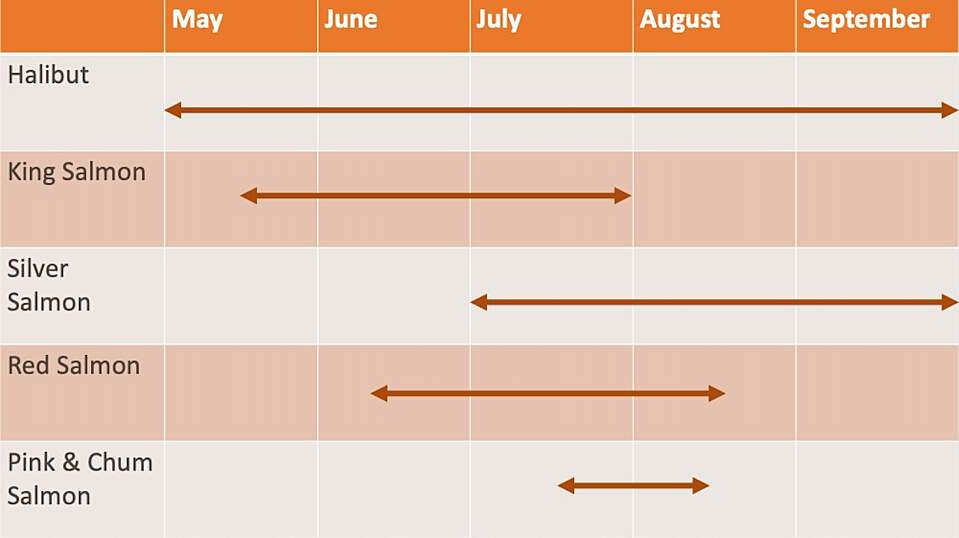
Alaska’s vast and diverse ecosystem hosts five distinct species of Pacific salmon, each with its own unique characteristics, preferred habitats, and, most importantly for visitors, specific migration windows. These runs typically begin in late spring and extend through early autumn, but the peak timing varies significantly by species and even by region. Planning your travel around these intricate schedules is essential for maximizing your chances of witnessing the spectacle in full glory. This comprehensive guide will delve into the nuances of Alaska’s salmon runs, highlight prime viewing and fishing locations, and provide invaluable tips for planning your ultimate Alaskan adventure.
Understanding Alaska’s Salmon Species and Their Run Times
The magic of Alaska’s salmon run lies in the diversity of its participants. Each of the five Pacific salmon species — King, Sockeye, Pink, Chum, and Coho — plays a vital role in the ecosystem and offers a different experience for visitors. Knowing their individual schedules and traits is the first step in pinpointing the best time for your trip.
King Salmon (Chinook)
The undisputed monarch of the salmon world, the King Salmon (or Chinook) is the largest and arguably most coveted species. Renowned for their incredible size and powerful fight, King Salmon typically begin their migration in late May, with runs peaking through June and sometimes extending into early July. These early runs are often less crowded, offering a more serene fishing experience. Catching a trophy King Salmon, which can exceed 50 pounds, is a dream for many anglers, making their run one of the most anticipated events of the season. Key areas for King Salmon include the Kenai River on the Kenai Peninsula, the Copper River system, and parts of Southeast Alaska. Their formidable journey upstream requires immense strength, offering a thrilling challenge to even the most experienced fishermen.
Sockeye Salmon (Red)
Perhaps the most iconic salmon species, Sockeye Salmon (or Red Salmon) are famous for their vibrant red bodies and emerald green heads during spawning, making them a breathtaking sight. They are also incredibly abundant, with some of the largest salmon runs in the world occurring in Alaska. Sockeye runs typically commence in late June, hitting their peak throughout July, and sometimes continuing into early August. Their sheer numbers transform rivers into a vibrant, moving tapestry of red, attracting not only human observers but also a concentrated population of bears, especially in places like Katmai National Park and its famous Brooks Falls. For those interested in subsistence fishing or simply witnessing an incredible display of nature’s bounty, the Sockeye run is an absolute must-see. The Bristol Bay region, home to rivers like the Egegik River, Kvichak River, Naknek River, and Wood River, hosts the largest Sockeye runs globally.
Pink Salmon (Humpy)
Pink Salmon, affectionately known as “Humpies” due to the pronounced hump that males develop during spawning, are the most numerous Pacific salmon species. They are also the smallest, typically weighing between 3 and 5 pounds. Their runs are characterized by staggering numbers, often occurring in even-numbered years in many regions, creating a biennial cycle of abundance. Pink Salmon generally begin their migrations in mid-July, reaching their zenith in August, and sometimes lingering into early September. While not as prized for their fighting prowess or flavor as Kings or Sockeye, Pinks offer an easy and accessible fishing experience, particularly popular for families and beginners. Their immense numbers also serve as a crucial food source for various wildlife, including seals, eagles, and bears. They are found throughout coastal Alaska, including the Inside Passage and the streams of Southcentral Alaska.
Chum Salmon (Dog)
Chum Salmon, or Dog Salmon, are recognizable by their distinctive vertical bars of green and purple that appear during spawning. While not as esteemed for table fare as other species, Chums are powerful fighters and highly valued for their roe (ikura) and their contribution to the ecosystem. Their run typically parallels that of the Pink Salmon, starting in late June or early July, peaking through July and August, and tapering off by early September. Chum Salmon are found in many of the same river systems as Pinks, often in considerable numbers. Anglers who enjoy a strong, acrobatic fight will appreciate Chum Salmon, and they are an important species for many rural Alaskan communities. Rivers on the Kenai Peninsula and in Southeast Alaska host significant Chum runs.
Coho Salmon (Silver)
The Coho Salmon, or Silver Salmon, is a favorite among sport fishermen for its spirited fight and acrobatic leaps. Their sleek, silver appearance gives them their common name, and they are highly regarded for their delicious flesh. Coho runs are typically the last major migration of the season, beginning in late July or early August, peaking throughout August and September, and often extending into October in some areas. This later run offers a fantastic opportunity for visitors who prefer to avoid the peak summer crowds. Coho salmon provide excellent fishing well into the fall, creating a bridge between the busy summer season and the onset of winter. The Kenai River, the Susitna River system, and rivers throughout Southeast Alaska are prime destinations for Coho fishing.
Prime Locations for Experiencing the Salmon Run
Alaska’s vastness means that salmon runs occur in countless rivers and streams across the state. However, certain regions and specific locations have become renowned for their accessibility, abundance of fish, and overall visitor experience.
Kenai Peninsula
The Kenai Peninsula is arguably Alaska’s most famous salmon fishing destination, offering incredible accessibility from Anchorage via a scenic drive. The legendary Kenai River is the jewel of the peninsula, famous for its record-breaking King Salmon and abundant Sockeye and Coho runs. Towns like Soldotna and Kenai serve as bustling hubs for anglers, offering numerous guides, charters, and fishing lodges. The Russian River, a tributary of the Kenai River near Cooper Landing, is another hotspot, especially for Sockeye during July. Further south, the picturesque towns of Homer and Seward provide access to saltwater fishing for salmon and halibut, as well as stunning marine wildlife tours. The Kenai Peninsula offers a comprehensive experience, blending world-class fishing with breathtaking scenery and charming local culture.
Bristol Bay Region
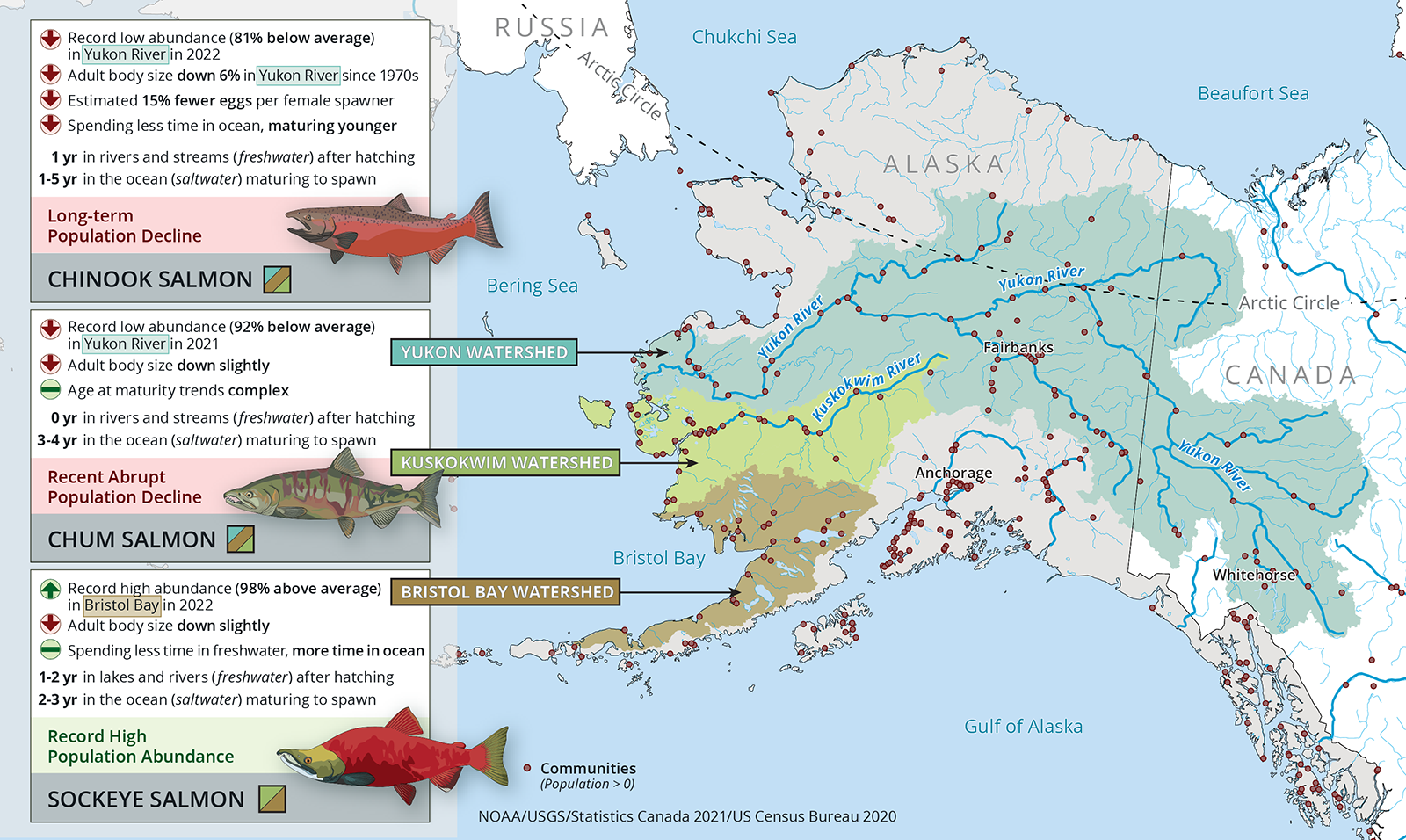
For an unparalleled wildlife viewing experience, especially involving bears, the Bristol Bay region is unmatched. Home to Katmai National Park and its iconic Brooks Falls, this remote wilderness area witnesses the largest Sockeye Salmon run in the world. From late June through September, thousands of Sockeye surge upstream, creating a massive buffet for brown bears. Visitors can safely observe bears fishing from designated viewing platforms at Brooks Falls, an experience that truly defines the raw power of the Alaskan wilderness. Access to Bristol Bay is typically by small plane, adding to its mystique and preserving its pristine nature. While primarily a bear-viewing destination, the fishing here, particularly for Sockeye, is exceptional, often undertaken via fly-in lodges.
Southeast Alaska (Inside Passage)
The verdant rainforests and intricate waterways of Southeast Alaska, often explored via the Inside Passage cruise routes, offer a different salmon run experience. Here, fishing is predominantly done in saltwater via guided charters targeting all five species of Pacific salmon as they stage before entering their natal rivers. Cities like Juneau, Ketchikan, and Sitka are popular bases for these adventures. Anglers can enjoy the thrill of open-water fishing amidst stunning fjord landscapes, often encountering whales, eagles, and other marine wildlife. The numerous smaller streams and rivers also provide excellent opportunities for shore fishing for Pink and Chum salmon, especially during their peak in July and August. The combination of cruising, fishing, and exploring vibrant port cities makes Southeast Alaska a captivating choice for a salmon run vacation.

Southcentral Alaska
Beyond the Kenai Peninsula, the Southcentral Alaska region offers diverse opportunities. The city of Anchorage itself is unique for urban salmon fishing, particularly at Ship Creek, where King and Coho Salmon runs pass right through downtown. This makes it an incredibly accessible option for travelers staying in Anchorage. The greater Southcentral Alaska area also includes the vast Chugach National Forest and numerous rivers flowing into Cook Inlet and the Gulf of Alaska, providing ample fishing spots. From day trips from Anchorage to more remote lodge experiences, this region caters to a wide range of preferences.
Planning Your Salmon Run Adventure: Travel, Accommodation, and Activities
Experiencing Alaska‘s salmon run requires careful planning to ensure a memorable and comfortable trip. This includes timing your visit, securing lodging, and preparing for the unique challenges and rewards of the Alaskan wilderness.
Best Time to Visit and Travel Logistics
The absolute “best” time to visit Alaska for the salmon run depends on which species you prioritize and what kind of experience you seek.
- Early Summer (June – early July): Ideal for King Salmon and the start of Sockeye runs. Generally less crowded than late summer.
- Mid-Summer (Mid-July – early August): Peak Sockeye and Pink Salmon runs, excellent for bear viewing. This is often the busiest travel period.
- Late Summer/Early Fall (Mid-August – September): Prime for Coho Salmon, with diminishing crowds and beautiful fall foliage.
Regardless of your chosen window, booking flights and accommodation well in advance is crucial, especially for the peak July season. Major airlines like Alaska Airlines offer regular service to Anchorage, Juneau, and Fairbanks. Car rentals are highly recommended for exploring destinations like the Kenai Peninsula or traveling from Anchorage to towns like Girdwood or Talkeetna. For more remote locations, bush planes or water taxis are common modes of transport, often arranged by lodges or tour operators.
Accommodation Options
Alaska offers a spectrum of accommodation choices to fit every budget and travel style, but options can be limited and pricey during peak season.
- Luxury Fishing Lodges: For an all-inclusive, high-end experience, consider remote fly-in lodges like Alaska Sportsman’s Lodges or the Kodiak Island Resort. These typically offer guided fishing, gourmet meals, and comfortable cabins, providing an immersive wilderness experience. The Kenai Princess Wilderness Lodge also offers a blend of comfort and access.
- Hotels and Resorts: In larger cities and towns like Anchorage, Seward, or Juneau, you’ll find a range of hotels from budget-friendly options to more upscale choices like the Anchorage Marriott Downtown. These offer convenience and amenities close to attractions and dining.
- Cabins and Vacation Rentals: For a more private or self-catering experience, consider renting a cabin or vacation home, especially around popular fishing areas like Cooper Landing or Homer.
- Campgrounds and RV Parks: Budget travelers and those seeking a closer connection to nature can find numerous public and private campgrounds, often equipped with essential amenities. Many Alaska travelers explore the state by RV, enjoying the flexibility it offers.
Booking accommodation 6-12 months in advance is strongly advised, especially for the most sought-after lodges and during the peak Sockeye run in July.
Essential Gear and Guides
If fishing is your primary goal, acquiring an Alaska fishing license is mandatory. These can be purchased online or at various vendors throughout the state. For beginners or those unfamiliar with Alaskan waters, hiring a local fishing guide is highly recommended. Guides provide not only expertise on techniques and hot spots but also often supply necessary gear, tackle, and sometimes even transportation. This is especially true for remote fly-out trips or navigating complex river systems. Even for non-anglers, proper outdoor clothing, including layers, waterproof outerwear, sturdy hiking boots, and insect repellent, is essential for enjoying the Alaskan wilderness.
Beyond Fishing: Other Activities
While the salmon run is a major draw, Alaska offers a wealth of other activities that complement your trip:
- Bear Viewing: Beyond Brooks Falls, numerous tours offer opportunities to safely observe brown and black bears, often near salmon-rich streams.
- Hiking and Backpacking: Explore pristine wilderness trails in areas like Denali National Park (though typically further inland from prime salmon runs), the Chugach National Forest, or local state parks.
- Kayaking and Rafting: Paddle through scenic waterways, offering a unique perspective on the salmon’s journey.
- Wildlife Photography: Capture stunning images of salmon, bears, eagles, and the majestic Alaskan landscape.
- Glacier Tours: Witness massive tidewater glaciers calve into the ocean, especially from Seward or Whittier.
- Local Cuisine: Indulge in the freshest Alaskan seafood, particularly salmon, prepared in countless delicious ways.
Immersing in Alaskan Culture and Responsible Tourism
A trip to Alaska during the salmon run is not just about witnessing nature; it’s also about experiencing a vibrant local culture deeply intertwined with the land and its resources. Embracing responsible tourism practices ensures that these natural wonders remain preserved for future generations.
Local Food and Festivals
Salmon is more than just a fish in Alaska; it’s a cornerstone of the local diet and economy. Visitors should seize the opportunity to savor fresh, wild-caught salmon, whether grilled, smoked, or baked. Many local restaurants feature salmon prominently, offering culinary delights that are often unforgettable. Throughout the summer, many towns host salmon-themed festivals, celebrating the bounty of the harvest with food, music, and art. These events offer a wonderful chance to connect with local Alaskans and experience their unique traditions.
Conservation and Respectful Practices
The delicate balance of Alaska’s ecosystem is paramount. Practicing responsible tourism means adhering to regulations, especially fishing limits and catch-and-release practices where appropriate. Always respect wildlife by maintaining a safe distance and never feeding animals. Following “Leave No Trace” principles is essential: pack out everything you pack in, stay on marked trails, and minimize your impact on the environment. For bear viewing, always follow guide instructions and designated viewing rules to ensure safety for both humans and wildlife. Education on local conservation efforts often enhances the appreciation of the salmon run’s significance.
Preparing for Alaskan Weather
Alaska’s weather can be notoriously unpredictable, even in summer. Layers are key, as temperatures can fluctuate dramatically throughout the day. Be prepared for rain, even on sunny forecasts, with waterproof jackets and pants. Sturdy, waterproof footwear is essential for navigating wet terrain and slippery riverbanks. Mosquitoes and other biting insects can also be prevalent, so insect repellent is a wise addition to your packing list. Being adequately prepared will ensure your comfort and enjoyment, allowing you to fully immerse yourself in the natural grandeur of the salmon run.
Conclusion
The salmon run in Alaska is a truly epic natural phenomenon, a symphony of life and death that plays out across thousands of miles of pristine wilderness. From the first King Salmon nosing upstream in late May to the last Coho battling the current in October, the entire summer is a testament to nature’s enduring power and resilience. Whether you dream of landing a trophy fish, witnessing a grizzly bear pluck a Sockeye from a waterfall, or simply soaking in the breathtaking scenery, understanding the intricate timing of these migrations is your first step toward an unforgettable Alaskan adventure. By planning thoughtfully, choosing your destination wisely, and traveling responsibly, you can become part of this timeless spectacle, creating memories that will last a lifetime. Alaska awaits, ready to reveal one of the planet’s most magnificent natural wonders.