
For both residents and visitors alike, understanding the civic calendar of Texas is more than just a matter of political awareness; it’s a practical aspect of planning your lifestyle and travel within the Lone Star State. Whether you’re a long-time Texan, a snowbird enjoying the winter warmth, or an international tourist eager to soak in the local culture, knowing when voting occurs can significantly impact your experience. From influencing accommodation availability in major cities to shaping the atmosphere of public spaces, election cycles weave themselves into the fabric of daily life. This comprehensive guide aims to demystify the election schedule in Texas and provide valuable tips for navigating your visits or residency during these important periods.
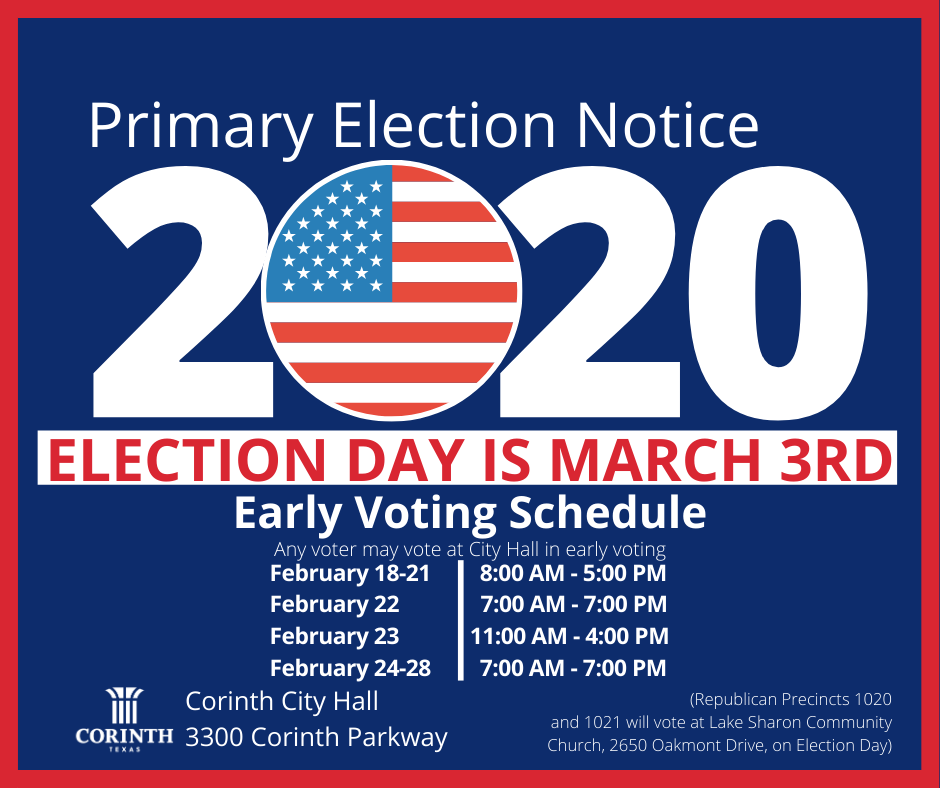
Texas, a state renowned for its vast landscapes, vibrant cities, and distinctive heritage, is also a highly engaged political arena. The rhythm of its election calendar dictates significant moments throughout the year, impacting everything from local municipal decisions to national representation. For those planning a trip or considering an extended stay, aligning your itinerary with or around these dates can enhance your journey, ensuring smooth booking of hotels, optimal access to attractions, and a deeper appreciation for the state’s dynamic spirit.
Understanding the Texas Election Calendar: A Guide for Travelers and Residents
The democratic process in Texas is robust, involving several types of elections that occur at different intervals. Staying informed about these dates is essential, not just for civic participation but also for anticipating potential shifts in local dynamics, especially in populous destinations like Austin, Dallas, and Houston.
Key Election Dates and Cycles
In Texas, the primary election types are General Elections, Primary Elections, and Runoff Elections, alongside various Special Elections.
-
General Elections: These are the most widely publicized and impactful elections, typically held on the first Tuesday after the first Monday in November of even-numbered years. During General Elections, Texans vote for federal offices (President, Vice President, U.S. Senators, U.S. Representatives), statewide officials (Governor, Lieutenant Governor, Attorney General, etc.), and various local positions. The run-up to November is usually characterized by heightened political activity, including rallies, debates, and extensive media coverage, which can be an interesting aspect of cultural immersion for visitors.
-
Primary Elections: Held on the first Tuesday in March of even-numbered years, these elections determine which candidates will represent their respective parties in the General Elections. While often less intense than general elections, primaries still generate considerable local buzz, particularly in competitive races. For travelers, this period might mean increased activity around community centers and public spaces serving as polling locations.
-
Runoff Elections: If no candidate receives a majority of the vote in a Primary Election, the top two vote-getters proceed to a Runoff Election. These are usually held in late May or early June, approximately two months after the primary. While these elections typically draw fewer voters, they can still contribute to the general political atmosphere, especially in the areas most affected by the specific races.
-
Special Elections: These can occur at various times throughout the year to fill unexpected vacancies in elected offices or to address specific ballot measures, such as bond proposals or constitutional amendments. The timing of Special Elections is less predictable, often called by the Governor. It’s advisable for those residing or traveling in Texas for extended periods to keep an eye on local news sources for announcements regarding these.
For precise dates and up-to-the-minute information, the official website of the Texas Secretary of State is the definitive resource. This invaluable tool provides detailed calendars, polling location information, and voter registration guides.
Early Voting: Flexibility for Your Texas Adventures
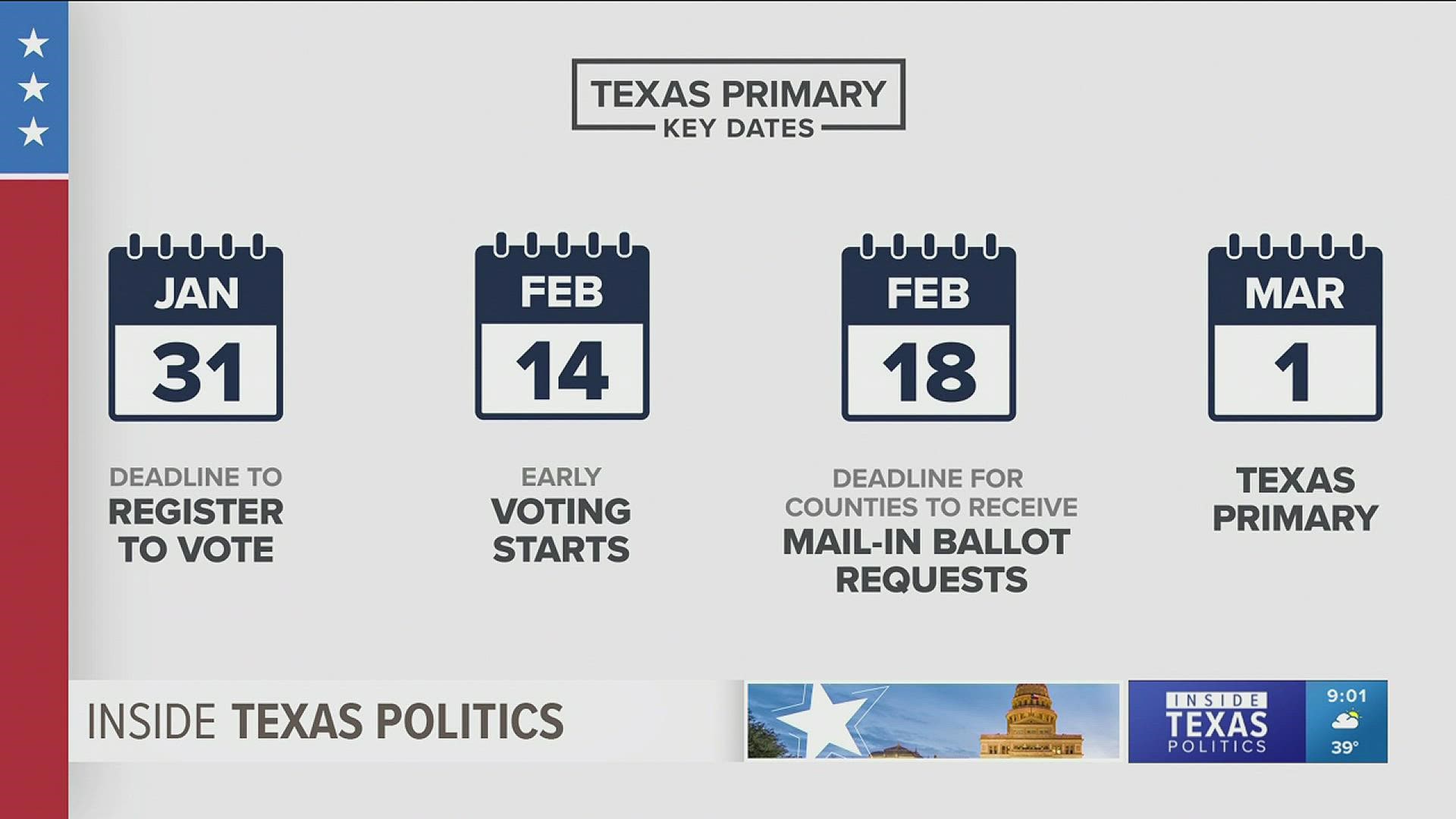
Texas offers an important provision for its citizens: Early Voting. This period typically begins approximately two weeks before Election Day and concludes a few days prior, offering a window of convenience for voters. For those with busy schedules, those planning travel, or residents with limited mobility, Early Voting provides a crucial opportunity to cast their ballot without the pressure of Election Day crowds.
From a travel and lifestyle perspective, the concept of Early Voting is a game-changer. It means that while Election Day itself might involve bustling polling places and potential traffic and logistics around civic centers, the preceding two weeks allow for a more dispersed voting process. This can be particularly relevant for:
- Business Stays: Professionals on assignment in Texas can utilize Early Voting to fulfill their civic duty without disrupting critical meetings or project deadlines.
- Leisure Travelers: If your vacation dates coincide with an election, Early Voting offers the flexibility to vote before embarking on your adventures to Big Bend National Park, the Hill Country, or the beaches of South Padre Island.
- Long-term Stay Residents: For those enjoying an extended stay in a Texas city, whether in a rented apartment or a cozy villa, Early Voting provides a stress-free option to participate in local governance.
Understanding the duration and locations for Early Voting periods is key, and this information is readily available on county election websites, typically linked from the Texas Secretary of State’s portal.
Navigating Your Texas Trip During Election Season
Election periods in Texas can create a unique atmosphere, especially in the bustling urban centers. For travelers, awareness of these dynamics can significantly enhance their experience and help them plan for any logistical considerations.
Impact on Travel and Accommodation

During major election cycles, particularly around General Elections and legislative sessions, certain aspects of travel and accommodation in Texas can be affected.
-
Hotel Availability and Pricing: Cities like Austin, the state capital, often experience increased demand for hotels, suites, and other accommodation options. Political staff, media personnel, lobbyists, and civic groups converge, leading to higher occupancy rates and potentially elevated prices. This trend can extend to other major cities like Dallas and Houston if they are hosting significant political events, debates, or campaign headquarters. For luxury travel or specific resorts, securing your preferred stay might require early booking, sometimes months in advance. Similarly, for those considering budget travel, alternative accommodation like smaller inns or vacation rentals might become more competitive.
-
Traffic and Logistics: Election Day, and even the days leading up to it, can see increased traffic and logistics around polling places, government buildings, and campaign event locations. In cities such as Austin, which is home to the State Capitol, specific roads might experience temporary closures or detours for parades, rallies, or security measures. Planning your daily commute or urban exploration with this in mind is a wise tip. Utilizing public transport where available or checking local news for real-time traffic updates can save considerable time and frustration.
-
Public Space Usage: Some public parks, squares, or civic centers might be utilized for political gatherings, demonstrations, or candidate speeches. While this can offer a fascinating glimpse into Texas’ democratic spirit and local culture, it’s worth checking local event calendars if your plans involve visiting specific public landmarks or open spaces.
Texas Cities During Election Periods: What to Expect
Each major Texas city offers a distinct flavor during election season, reflecting its unique demographics and political landscape.
-
Austin: As the capital, Austin is the epicenter of state politics. During legislative sessions and major election periods, the city buzzes with activity. Hotels near the State Capitol and downtown core become highly sought after. The lifestyle here often blends political discourse with its renowned music and food scenes. Travelers might find themselves amidst spirited debates in cafes or witnessing peaceful demonstrations.
-
Houston: The largest city in Texas, Houston is a melting pot of cultures and a significant player in national politics. Election seasons here can be characterized by numerous community events, candidate appearances, and a strong focus on local issues within its diverse neighborhoods. Hotels and resorts across the city’s vast expanse remain popular, particularly for business stays. Visitors can still easily enjoy attractions like NASA Space Center Houston by planning ahead for potential traffic.
-
Dallas and Fort Worth: The Dallas-Fort Worth Metroplex is a major economic hub and political battleground. Campaigns often target this region for large rallies and media events. While travel and tourism largely continue unimpeded, awareness of specific event locations can help. Luxury travel experiences, from fine dining to high-end shopping, are readily available, though booking for popular establishments is always recommended.
-
San Antonio: With its rich history and status as a major tourism draw, San Antonio maintains a vibrant atmosphere even during election periods. Landmarks like the Alamo and the River Walk remain key attractions. While local races can be spirited, the overall impact on tourist experiences is generally minimal, though it adds another layer to understanding the city’s dynamic character.
Smaller cities like El Paso, Corpus Christi, Amarillo, and Lubbock also have their own local election cycles, which might cause localized increases in activity but typically don’t affect statewide travel trends as significantly as the major metropolitan areas.
Beyond the Ballot Box: Engaging with Texas Culture and Lifestyle
While understanding the election calendar is practical, it’s also crucial to remember that Texas offers an immense breadth of experiences year-round, regardless of political cycles. Integrating civic awareness with broader travel and lifestyle planning ensures a fulfilling visit.
Local Events and Community Spirit
Election seasons can sometimes overlap with or indirectly highlight other significant local culture and community events. For instance, a State Fair of Texas in October (even years) might coincide with peak general election campaigning, offering a unique blend of carnival fun and political discourse. Major music festivals like SXSW in Austin or sporting events, including professional teams in the National Football League (NFL), Major League Baseball (MLB), and National Basketball Association (NBA), as well as significant National Collegiate Athletic Association (NCAA) championship games, draw huge crowds and require advance booking for accommodation and travel irrespective of election timing.
- Food Scenes: Texas’ legendary food culture – from authentic Tex-Mex cuisine and world-famous barbecue to fine dining in metropolitan centers – is a constant. Election chatter might even be a part of the vibrant atmosphere in a local eatery.
- Cultural Immersion: Observing the democratic process, attending a local town hall (if appropriate), or simply engaging in conversations with locals about political issues can offer a profound insight into the Texan lifestyle and values, enriching your tourism experience far beyond typical sightseeing.
Planning Your Visit: Best Times to Explore the Lone Star State
Ultimately, the best time to visit Texas depends on your personal preferences and what you wish to experience.
- For a quieter trip: If you prefer to avoid the heightened political energy, consider planning your visits to major cities outside of General Election seasons (typically November of even years) and legislative periods in Austin. Spring (March-April) and Fall (September-October) are generally popular for pleasant weather across most of the state, ideal for outdoor adventures, scenic drives, and exploring landmarks and historic sites.
- For immersive local culture: If you are keen to witness the democratic process in action and experience the full spectrum of Texan public life, visiting during a major election cycle can be incredibly illuminating. Be sure to account for potential impacts on hotels, traffic and logistics, and activities as outlined above. Early booking for accommodation is paramount during these times, whether you’re looking for boutique hotels or resorts with extensive amenities.
- Balancing interests: Many visitors successfully balance their interests. For example, a family trip to Galveston’s beaches might be planned during the summer, which usually falls outside of peak election campaigning (though Special Elections can occur). Alternatively, attending a Formula 1 Grand Prix in Austin in October requires careful accommodation planning, and understanding that it might coincide with election season adds another layer of awareness.
From stunning architecture to vast expanses of nature, from vibrant art galleries to thrilling entertainment venues, Texas promises diverse experiences. By keeping an eye on the election calendar as part of your comprehensive trip planning, you can ensure a seamless and enriching visit, fully appreciating the political vigor alongside the renowned hospitality of the Lone Star State. Utilizing comprehensive guides and checking reviews for accommodation options will always lead to better travel experiences. Ultimately, whether you’re embarking on road trips through the Hill Country or enjoying urban exploration in Grapevine, proactive planning regarding the state’s election schedule contributes to a more informed and enjoyable journey.
LifeOutOfTheBox is a participant in the Amazon Services LLC Associates Program, an affiliate advertising program designed to provide a means for sites to earn advertising fees by advertising and linking to Amazon.com. Amazon, the Amazon logo, AmazonSupply, and the AmazonSupply logo are trademarks of Amazon.com, Inc. or its affiliates. As an Amazon Associate we earn affiliate commissions from qualifying purchases.