
Florida, the Sunshine State, is a perennial favorite for travelers seeking sun-drenched beaches, thrilling theme parks, and vibrant cultural experiences. But as you plan your escape to this popular destination, a seemingly simple question might arise: “When does the time change in Florida?” This query touches upon a topic that has seen recent significant debate and legislative action, directly impacting how residents and visitors alike adjust their schedules. Understanding the intricacies of Daylight Saving Time (DST) in Florida is crucial for seamless travel planning, from booking your stay at a luxury resort to scheduling your visits to iconic landmarks.
The practice of observing Daylight Saving Time has been a part of American life for over a century, with its roots in conserving energy and extending daylight hours. However, its implementation and observance have not been without controversy, and Florida is a prime example of a state where the conversation around DST has been particularly active. This article delves into the current status of time changes in Florida, the historical context, and what it means for your next visit.
The Shifting Sands of Daylight Saving Time in Florida
For many years, Florida, like most of the United States, has observed Daylight Saving Time. This means that clocks are typically moved forward by one hour in the spring and back by one hour in the autumn. The purpose of this adjustment is to make better use of daylight during warmer months. In Florida, this translates to longer evenings for enjoying the numerous outdoor activities the state offers, from watching a sunset over the Gulf of Mexico to enjoying a leisurely stroll through the historic streets of St. Augustine.
The Standard Observance of Daylight Saving Time
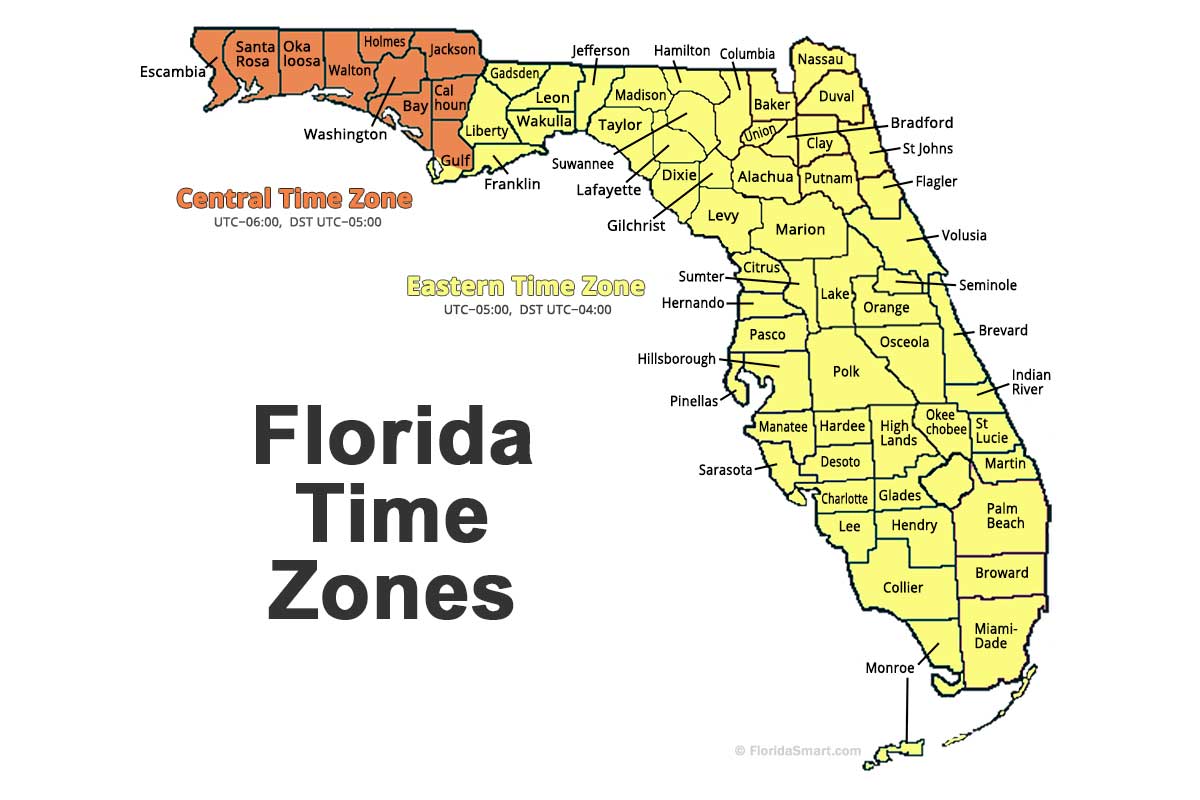
Historically, Florida followed the Uniform Time Act of 1966, which established the observance of DST nationwide, with exceptions for states that opted out. The vast majority of Florida counties have, for a long time, adhered to this schedule. This means that for most of the year, Florida operates on Eastern Daylight Time (EDT) during the DST period and Eastern Standard Time (EST) during the rest of the year.
The start of DST in the United States is typically the second Sunday in March, when clocks spring forward. The end of DST is the first Sunday in November, when clocks fall back. This predictable rhythm has been a constant for many years, guiding the schedules of businesses, transportation, and daily life across the state.
For travelers, this timing has meant that if you’re visiting Florida in, say, April, you’ll be on EDT. If your trip extends into December, you’ll be on EST. This change can sometimes be disorienting, especially for international visitors or those traveling from regions that do not observe DST. It’s always a good idea to confirm the local time upon arrival, especially if you have important reservations or appointments. Many hotels, such as the Ritz-Carlton Orlando, will automatically adjust their systems, but it’s wise to be aware.
The Push to Make DST Permanent
In recent years, there has been a significant movement within Florida, and indeed across the United States, to make Daylight Saving Time permanent. Proponents argue that year-round DST offers numerous benefits, including increased daylight in the evenings, which can lead to more opportunities for outdoor recreation, reduced crime rates, and potentially improved public safety. For a state like Florida, with its emphasis on outdoor tourism and activities, the allure of permanently extended daylight hours is particularly strong.
In 2018, Florida passed a bill, the Sunshine Protection Act, aimed at making DST permanent. Governor Rick Scott signed this bill into law. However, for this change to take effect nationwide, federal approval is required under the Uniform Time Act. While Florida’s legislative action was a significant step, it did not automatically make DST permanent within the state. The bill stipulated that DST would be observed year-round, but its implementation was contingent on Congress authorizing states to do so.
This federal hurdle meant that, despite Florida’s state-level decision, the time changes continued to occur as per the federal schedule. The debate, however, highlighted the growing sentiment against the biannual clock-switching ritual. Many find the transition disruptive to sleep patterns, productivity, and overall well-being. The hope among many Floridians and lawmakers was that their legislative action would spur similar movements across the country and encourage federal action.
Understanding the Impact of Time Changes on Your Florida Visit
The observance of Daylight Saving Time, whether permanent or not, has practical implications for anyone visiting or living in Florida. From scheduling theme park visits to enjoying an evening show in Miami, understanding the time will ensure you don’t miss out on any of the experiences that make Florida such a captivating destination.
Planning Travel and Activities

When planning your itinerary, especially if it spans across the DST change dates, it’s essential to be aware of the shift. If you are traveling to Florida in early March, for example, your arrival day might be one where clocks spring forward. This means that if your flight lands at 3:00 PM EST, it will effectively become 4:00 PM EDT upon arrival, potentially altering your plans for the rest of the day. Conversely, if you are departing Florida in early November, your departure time will appear to shift back by an hour.
For popular attractions like Walt Disney World or Universal Orlando Resort, park hours are often adjusted based on daylight. During DST, parks might open earlier and close later, allowing guests more time to enjoy the rides and shows under the extended daylight. This can be a significant advantage for families looking to maximize their time, especially with younger children who might be more sensitive to late nights.
Booking accommodations, whether a cozy boutique hotel in Key West or a sprawling all-inclusive resort on the coast, also requires a consideration of time. Most booking systems will automatically reflect local time, but it’s always a good practice to double-check confirmation emails and any communication from your chosen establishment. If you’re booking a long-term stay in an apartment in Tampa, understanding the local time conventions will help you integrate more smoothly into the community.
Considering the “What If” Scenarios
While the debate about making DST permanent continues, it’s important for travelers to remain informed about the current regulations. As of now, Florida observes DST in line with federal guidelines. However, the landscape of time observance can change. Should federal legislation pass to allow year-round DST for states that opt-in, or even a nationwide shift, Florida would likely be among the first to embrace it.
The potential for a permanent DST in Florida means that evenings could consistently be brighter, offering more opportunities for activities like evening fishing trips, enjoying a sunset dinner at a beachfront restaurant in Clearwater, or experiencing the nightlife in cities like Orlando. This could significantly enhance the lifestyle aspect of a Florida vacation, allowing for more extended enjoyment of the state’s numerous attractions.
Furthermore, for those considering Florida for business travel or longer stays, understanding the time implications is vital for scheduling meetings, coordinating with colleagues, and managing work-life balance. The consistency of time can be a subtle but important factor in the overall travel experience.
The Economic and Lifestyle Implications of Time Changes
The discussion around Daylight Saving Time extends beyond mere convenience; it has tangible economic and lifestyle impacts, particularly in a tourism-dependent state like Florida. The Sunshine State thrives on its abundant sunshine and outdoor appeal, making the length of daylight a critical factor in its appeal to visitors.
Tourism and Extended Daylight
For the tourism industry, extended daylight hours can be a significant boon. More daylight in the evenings allows tourists more time to engage in outdoor activities, visit attractions, and spend money. This is particularly relevant for Florida’s diverse range of attractions, from the natural beauty of the Everglades National Park to the man-made wonders of Kennedy Space Center. Imagine enjoying an extra hour of exploration at SeaWorld Orlando or having more time for a sunset boat tour along the coast.
The appeal of a longer day for leisure can influence travel decisions, potentially attracting more visitors during the spring and fall months. This could lead to increased revenue for hotels, restaurants, and attractions across the state, from the luxury suites at the Fontainebleau Miami Beach to budget-friendly apartments in less touristy areas. It also impacts the vibrant food scene, allowing for more leisurely al fresco dining experiences.
Beyond Tourism: Local Life and Business
The impact isn’t limited to tourists. Residents of Florida also experience the effects of time changes. Some studies suggest that the biannual clock shift can have negative health consequences, including increased heart attacks and strokes in the days following the change. While the Sunshine Protection Act aimed to mitigate these issues by making DST permanent, its current federal status means the cycle continues.
For businesses, the consistency of time is important for operations, logistics, and employee scheduling. While many modern systems can easily adapt to time changes, the disruption, however minor, can still be a factor. A permanent DST could, for some, offer greater predictability and simplify operations.
The debate in Florida reflects a broader national conversation about the efficacy and desirability of Daylight Saving Time. As technology advances and our understanding of sleep and health evolves, the traditional reasons for observing DST are being re-examined. For now, however, travelers to Florida can anticipate the familiar spring forward and fall back, a rhythm that has shaped the state’s clock for decades. Whether you’re planning a family trip to the theme parks, a relaxing beach vacation, or an exploration of Florida’s rich history and architecture, understanding when the time changes in Florida is a small but important piece of your travel puzzle.
LifeOutOfTheBox is a participant in the Amazon Services LLC Associates Program, an affiliate advertising program designed to provide a means for sites to earn advertising fees by advertising and linking to Amazon.com. Amazon, the Amazon logo, AmazonSupply, and the AmazonSupply logo are trademarks of Amazon.com, Inc. or its affiliates. As an Amazon Associate we earn affiliate commissions from qualifying purchases.