
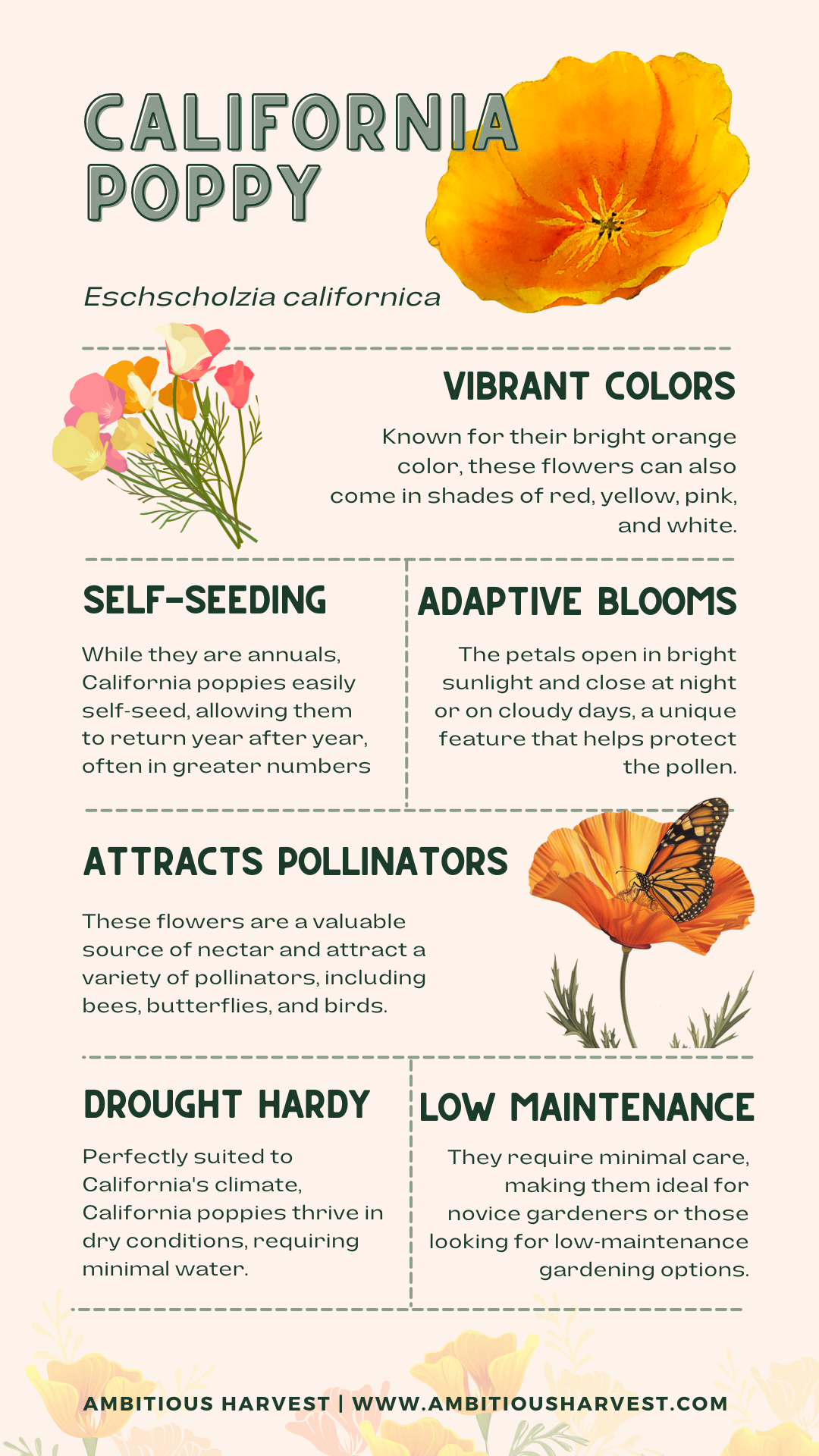
The vibrant, sun-kissed hues of the California Poppy, Eschscholzia californica, are synonymous with the Golden State. These iconic wildflowers blanket hillsides and meadows with a breathtaking display of orange, yellow, and sometimes even pink or white. For anyone dreaming of cultivating their own patch of this natural spectacle, or simply seeking to extend the bloom period of these cheerful flowers, understanding the optimal timing for planting California poppy seeds is paramount. This guide delves into the nuances of when to sow these seeds, considering factors like climate, desired bloom times, and the best practices for a flourishing display, all while keeping in mind the broader context of appreciating nature and the destinations where these beauties thrive.
Understanding Your Climate and Poppy Planting Windows
The success of any seed-sowing endeavor hinges on aligning planting times with favorable climatic conditions. California Poppies, while resilient, have specific needs that dictate the ideal planting windows. Understanding your local climate, even if you’re not in the heart of California, is the first crucial step.
Fall Planting: A Foundation for Early Blooms
In many regions, particularly those with mild winters, fall planting is the most recommended approach for California poppy seeds. Sowing seeds in the autumn allows them to overwinter as small seedlings, protected by a layer of mulch. This period of dormancy is essential for the plant’s development. When spring arrives, these established seedlings are primed to grow rapidly, leading to earlier and often more abundant blooms.
-
Benefits of Fall Planting:
- Earlier Bloom: Plants sown in fall typically flower several weeks before those sown in spring. This extends the visual appeal of your garden and provides an early burst of color.
- Natural Stratification: The natural chilling process that occurs over winter helps to break seed dormancy, improving germination rates. While California Poppies don’t strictly require cold stratification like some other species, the mild overwintering period still proves beneficial.
- Reduced Watering Needs: Natural rainfall during the fall and winter months often provides sufficient moisture, minimizing the need for artificial irrigation.
- Weed Competition: By establishing roots in the fall, young poppy plants are better equipped to compete with spring-emerging weeds.
-
When to Plant in Fall: The ideal time for fall planting is generally from late September through November, depending on your specific climate. You’re aiming for a period when temperatures are cooling but before the ground freezes. If you live in a region with very harsh winters, you might consider planting a bit earlier to give the seedlings a better chance to establish themselves before the deep cold sets in. For those in coastal California, this window can often extend into December.
-
Soil Preparation for Fall: Before sowing, prepare your planting area. California Poppies thrive in well-draining soil. Avoid areas that tend to waterlog. Loosen the soil to a depth of about six inches and remove any weeds. If your soil is heavy clay, amend it with compost or grit to improve drainage. Lightly rake the surface smooth before scattering the seeds.
Spring Planting: A Reliable Option for Late Blooms
If you missed the fall planting window or reside in a region with consistently cold winters, spring planting is a perfectly viable alternative. While you might not achieve blooms quite as early as with fall-sown seeds, a spring planting will still yield a beautiful display of California Poppies.
-
Benefits of Spring Planting:
- Extended Bloom Period: By planting in spring, you can ensure blooms throughout the summer months.
- Simpler Logistics: For many gardeners, spring is a more natural time to begin their planting activities after the last frost.
- Adaptability: This method is suitable for a wider range of climates, including those with shorter growing seasons.
-
When to Plant in Spring: The optimal time for spring planting is after the threat of the last frost has passed and the soil has begun to warm. This typically falls between March and May in most temperate regions. In warmer climates, you might be able to sow seeds as early as late February. The key is to plant when the soil temperature is consistently above 50°F (10°C).
-
Germination and Early Growth in Spring: Once sown, California poppy seeds require sunlight to germinate, so they should not be buried deeply. A light dusting of soil or vermiculite is sufficient. Keep the soil consistently moist until germination occurs, which can take anywhere from 7 to 21 days, depending on soil temperature and moisture levels. Once seedlings emerge, they are relatively drought-tolerant, but regular watering will encourage more robust growth and prolific blooming.
Factors Influencing Seed Germination and Growth
Beyond the timing of sowing, several other factors play a significant role in the successful germination and robust growth of California poppy seeds, contributing to a more enjoyable experience, whether you’re planting them in your garden or enjoying them in a natural setting on your travels.
Seed Viability and Age
Like all seeds, California Poppy seeds have a shelf life. While they can remain viable for several years when stored correctly in a cool, dry, and dark place, older seeds may have a reduced germination rate. If you’re using seeds that are a few years old, consider sowing them a little more densely to compensate for potentially lower germination percentages. Purchasing seeds from reputable suppliers ensures you’re getting fresh, high-quality seeds with good germination potential. This is particularly important if you are planning a trip to a new destination and want to bring a taste of its flora back with you.
Light Requirements for Germination
California Poppy seeds are photoblastic, meaning they require light to germinate. This is a critical piece of information for successful sowing. When planting, do not cover the seeds with a thick layer of soil. Instead, after scattering them on the prepared surface, gently press them into the soil or cover them with a very thin layer of soil, compost, or vermiculite – no more than 1/16 to 1/8 inch deep. The ambient light will then be able to reach the seeds and stimulate germination. This principle applies whether you’re planting in pots on your balcony in New York City or directly into the ground in a wildflower meadow in California.
Watering and Soil Moisture
Maintaining consistent soil moisture is crucial, especially during the germination period and for young seedlings.
- Germination Phase: Water gently but thoroughly after sowing to ensure good seed-to-soil contact. Keep the soil consistently moist but not waterlogged. Overwatering can lead to fungal diseases and poor germination. A fine mist spray is often ideal for newly sown seeds.
- Seedling Stage: Once seedlings have emerged and developed a few sets of true leaves, they become more drought-tolerant. However, regular watering, especially during dry spells, will promote healthier growth and more abundant flowering. Water deeply rather than frequent shallow watering to encourage the roots to grow deeper.
- Mature Plants: Mature California Poppies are remarkably drought-tolerant and are well-adapted to dry, sunny conditions. In fact, overwatering established plants can lead to leggy growth and fewer blooms. Allow the soil to dry out slightly between waterings once the plants are well-established. This resilience is part of what makes them so iconic in the arid landscapes of places like Death Valley National Park.
Soil Type and Drainage
California Poppies are not fussy about soil type, but they absolutely demand excellent drainage. They will not tolerate “wet feet.”
- Ideal Conditions: They thrive in sandy, loamy, or even gravelly soils. The key is that water can drain away freely, preventing root rot.
- Avoiding Problem Areas: Steer clear of planting them in heavy clay soils that retain too much moisture or in perpetually soggy spots.
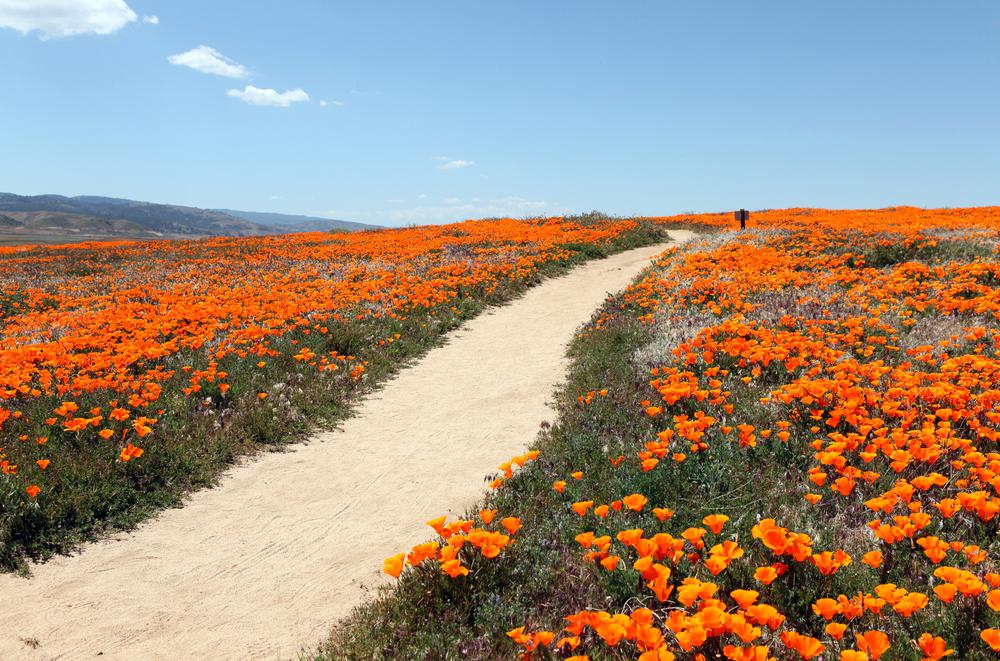
- Amendments: If you have heavy clay soil, incorporating coarse sand, grit, or organic matter like compost can significantly improve drainage. Raised beds can also be an excellent solution for areas with poor drainage. When visiting regions known for their poppy displays, like the Antelope Valley California Poppy Reserve, you’ll notice they often grow in seemingly poor, dry soils, highlighting their adaptation to well-drained environments.
Maximizing Bloom Time and Enjoying Your Poppies
Achieving a continuous and impressive display of California Poppies involves a little planning and understanding of their life cycle. This can enhance your appreciation of these natural wonders, whether you encounter them on a scenic drive through the California countryside or cultivate them yourself to bring a piece of that beauty home.
Succession Planting for Extended Blooms
To enjoy California Poppies for an extended period, consider succession planting. This involves sowing seeds at intervals rather than all at once.
- Method: Sow a batch of seeds in the fall as described above. Then, sow another batch in early spring, followed by another sowing in late spring or early summer.
- Benefits: Each sowing will result in a new flush of blooms. The fall sowing will bloom first, followed by the spring sowings. This strategy effectively extends the blooming season, providing a continuous carpet of color from late spring through summer and into fall, depending on your climate.
- Practicality: This is an excellent way to maintain visual interest in your garden, much like planning a travel itinerary that spans different seasons to experience varied landscapes and attractions.
Deadheading and Seed Collection
While California Poppies are often allowed to reseed themselves naturally, some intervention can manage their spread and prolong blooming.
- Deadheading: As the flowers fade, you can deadhead them (remove the spent blooms) by snipping them off at the stem just above a set of leaves. This encourages the plant to put its energy into producing more flowers rather than going to seed immediately. However, if you wish for the poppies to self-sow for future years, allow some flowers to go to seed.
- Seed Collection: If you want to collect seeds for future planting or to share, wait until the seed pods have dried and turned brown on the plant. The pods will split open, revealing small, dark seeds. Carefully collect these seeds and store them in a dry, paper bag or envelope in a cool, dark place. This is a rewarding part of the gardening process, mirroring the collection of souvenirs or photographs from a memorable trip.
Location and Environmental Considerations
The ideal location for planting California Poppies is crucial for their health and bloom production.
- Sunlight: California Poppies absolutely require full sun. Aim for a location that receives at least six to eight hours of direct sunlight per day. Insufficient sunlight will result in leggy plants with fewer flowers.
- Wind Exposure: While they are resilient, extremely strong winds can damage the delicate stems. Planting them in a slightly sheltered spot, or among taller, sturdier plants, can offer some protection.
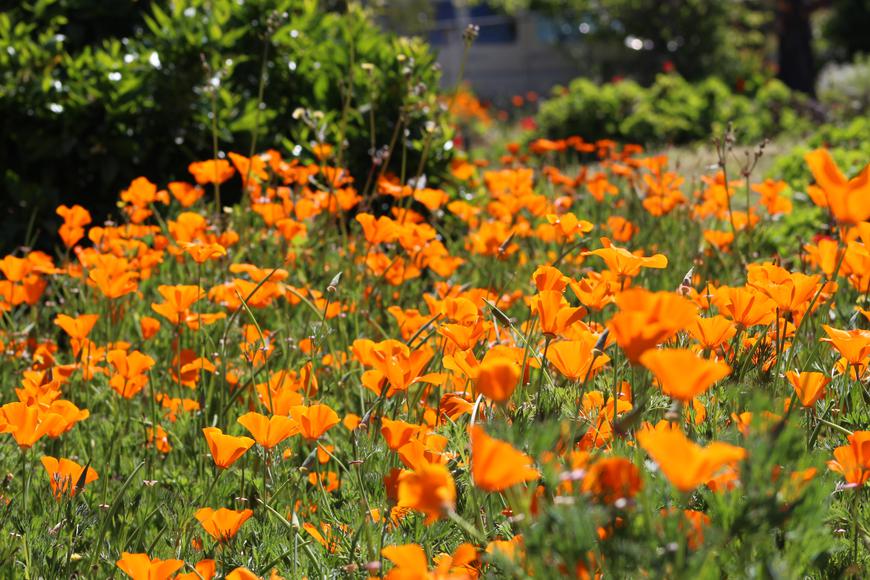
- Naturalized Planting: One of the most beautiful ways to enjoy California Poppies is in a naturalized setting. They are perfect for meadows, slopes, and difficult-to-maintain areas where they can naturalize and spread. Their ability to thrive in less-than-ideal conditions makes them a popular choice for xeriscaping and low-maintenance gardens, echoing the natural beauty you might seek in destinations like Joshua Tree National Park or the Grand Canyon.
By carefully considering the timing of your planting, understanding the seeds’ needs, and providing them with the right conditions, you can create a stunning display of California Poppies that brings the vibrant spirit of the Golden State to your own corner of the world, whether that’s a backyard garden in Texas or a balcony planter in London. The joy of watching these cheerful flowers unfurl is a reward in itself, a simple yet profound connection to the natural world that mirrors the enriching experiences of travel and discovery.