
The vibrant spirit of Texas is known for its vast landscapes, rich history, and a culture that blends Southern charm with unique Western flair. But beyond the rodeos and bustling cities, there’s a quieter, equally rewarding pursuit that captivates many: cultivating pumpkins. For travelers seeking an authentic local experience, families planning a memorable fall outing, or even ambitious home gardeners, understanding “When to Plant Pumpkins in Texas” is key to unlocking a season of bountiful harvests and unforgettable memories. This isn’t just about agriculture; it’s about embracing a lifestyle, planning the perfect agritourism getaway, and experiencing the heart of Texas through its seasonal traditions.
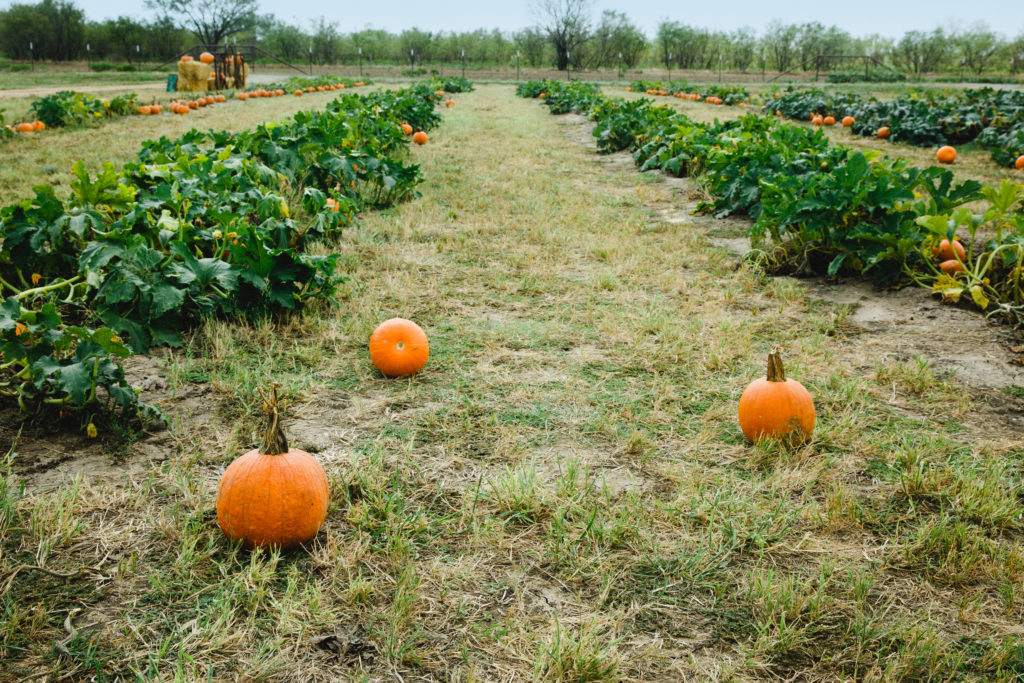
Texas’s sheer size means its climate varies dramatically from region to region, presenting both challenges and opportunities for pumpkin enthusiasts. From the humid eastern plains to the arid western deserts, and the cooler northern reaches, the ideal planting window for pumpkins shifts significantly. Knowing these regional nuances is crucial, whether you’re aiming to grow your own giant gourds or simply looking to visit the most picturesque pumpkin patches during your fall travels. We’ll delve into the optimal planting times across the state, explore how these align with popular Texas fall festivals and farm-to-table culinary experiences, and offer tips for planning your perfect pumpkin-themed adventure, complete with accommodation recommendations.
Understanding Texas’s Diverse Climate for Pumpkin Cultivation
Texas is a land of climatic extremes, and this diversity plays a critical role in determining the best time to plant pumpkins. The overarching goal for successful pumpkin growth is to ensure the plants mature during a period of moderate temperatures, ideally before the intense summer heat sets in or after it begins to wane. Pumpkins thrive in warm soil and plenty of sunlight, but they struggle in scorching temperatures above 90°F (32°C) or during late frosts. This means that across the various regions of the Lone Star State, there are distinct planting windows designed to maximize the chances of a healthy, fruitful harvest.
North Texas: Ideal Planting Windows
North Texas, encompassing major metropolitan areas like Dallas and Fort Worth, experiences a more traditional four-season climate compared to other parts of the state. This region typically offers two prime opportunities for planting pumpkins. For an early fall harvest, ideal for September or early October festivities, planting in late May to early June is recommended. This allows the plants to establish themselves and grow through the moderate temperatures of late spring and early summer before the peak heat arrives.
However, for those aiming for a classic Halloween pumpkin or a late October harvest, a second planting window in late July to early August is often preferred. By this time, the most intense summer heat has usually passed, or is at least less prolonged, allowing the young plants to flourish as temperatures gradually cool into the autumn. This second window is particularly popular for commercial growers and family farms that supply pumpkin patches, ensuring a fresh supply of gourds for visitors seeking the quintessential fall experience. Many families traveling to Dallas or Fort Worth during October specifically seek out these patches, turning pumpkin picking into a cherished travel memory.
Central and East Texas: Balancing Heat and Humidity
Moving south and east, regions like Central Texas (around Austin and Waco) and East Texas (including Houston and parts of San Antonio) present a different set of challenges: higher humidity and more prolonged periods of intense heat. For these areas, timing is even more critical to avoid disease issues associated with humidity and stress from extreme temperatures.
The best strategy here is often to plant pumpkins in late March to April for a harvest in late summer, or a second planting in late July to early August for a fall harvest. The earlier planting aims to get the bulk of the growing season completed before the suffocating heat of July and August fully sets in. Heat-tolerant varieties are a must, and consistent watering becomes paramount. For the later planting, growers must monitor conditions closely, ensuring young plants are not scorched by an unusually long summer. Houston’s proximity to the coast means humidity is a constant factor, necessitating good air circulation and vigilant pest and disease management for any pumpkin patch. Visitors exploring the vibrant culinary scenes in Austin or Houston will find that local chefs and markets eagerly incorporate these early- and late-season pumpkins into their menus, offering unique farm-to-table delights.
South and West Texas: Navigating the Extreme Heat
South Texas, extending down to Corpus Christi and the Rio Grande Valley, and West Texas, including arid areas around El Paso and the Big Bend National Park region, present the most challenging conditions due to their prolonged periods of extreme heat and, in the west, significant aridity. Planting windows here are narrower and require careful consideration.
In South Texas, the planting season shifts significantly earlier or much later. An early spring planting in late February to early March can yield a harvest before the truly oppressive summer heat takes hold. Alternatively, a very late planting in late August to September can work, allowing pumpkins to mature as the temperatures finally begin to drop in October and November. Similarly, in West Texas, where rainfall is scarce and summer temperatures soar, an early spring planting is usually the only viable option for a summer harvest, or a late summer planting if monsoon rains provide sufficient moisture. Desert-adapted varieties and efficient irrigation systems are indispensable in these regions. While pumpkin patches may be fewer and farther between in these areas, the ones that exist often host unique local festivals that reflect the resilient spirit of the communities, drawing travelers looking for off-the-beaten-path experiences.
Beyond the Garden: Pumpkins and Texas Lifestyle & Tourism
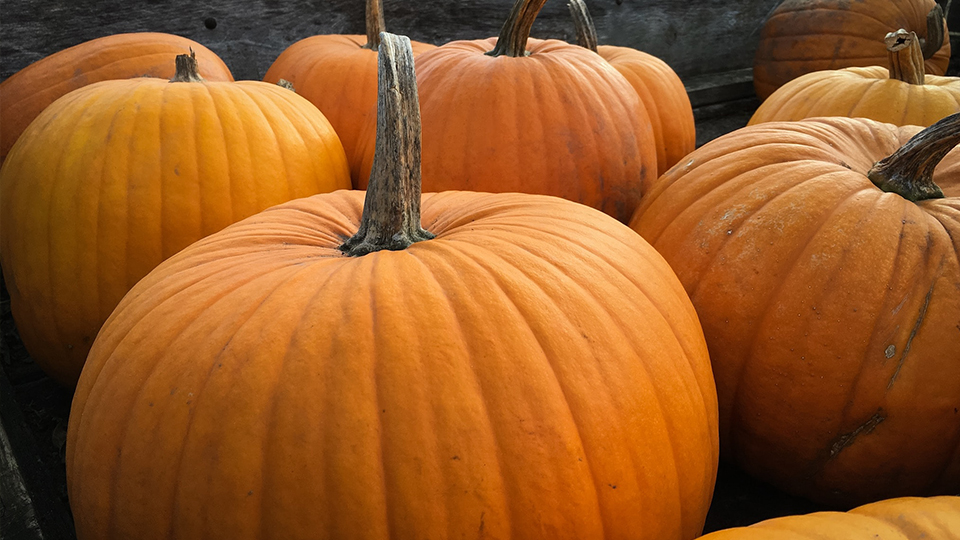
The act of planting and growing pumpkins is just one facet of their cultural significance in Texas. For many, pumpkins symbolize the onset of autumn, a season of family gatherings, outdoor adventures, and a rich tapestry of local traditions. This makes pumpkin season a prime time for tourism, offering unique experiences that blend agriculture with entertainment, culinary exploration, and authentic Texan hospitality.
Agritourism and Fall Festivals
As autumn approaches, pumpkin patches across Texas transform into vibrant agritourism destinations, drawing families and travelers from all corners. These aren’t just places to buy a pumpkin; they are immersive experiences that celebrate the harvest season. Iconic locations such as the Dallas Arboretum’s Autumn at the Arboretum in Dallas are renowned for their elaborate displays featuring thousands of pumpkins, gourds, and squash arranged into whimsical villages and artistic exhibits, making it a spectacular landmark. Further afield, places like Dewberry Farm near Houston offer sprawling corn mazes, hayrides, petting zoos, and an array of family-friendly activities, creating a full day of entertainment.
Other popular destinations include Pecan Creek Farm in Grayson County or the myriad of smaller, charming farms in the Texas Hill Country around towns like Fredericksburg and Grapevine, which often combine pumpkin picking with local wine tastings or craft markets. These fall festivals provide a perfect excuse for a weekend getaway, allowing visitors to experience the beauty of rural Texas, support local farmers, and create cherished memories. They are a cornerstone of the fall lifestyle for many Texans and an enticing draw for tourists seeking an authentic taste of the season.
Farm-to-Table Experiences and Culinary Delights
The harvest of pumpkins also sparks a culinary revolution across Texas. As the gourds become readily available, local restaurants, cafes, and bakeries embrace them, incorporating pumpkin into everything from savory dishes to decadent desserts. This focus on seasonal, local produce is a significant aspect of food tourism and aligns perfectly with a lifestyle that values fresh, sustainable ingredients.
In cities like Austin, known for its innovative culinary scene, chefs craft unique dishes featuring roasted pumpkin, pumpkin gnocchi, or even pumpkin-infused cocktails. Farmers’ markets, easily accessible from many urban and rural accommodations, overflow with various pumpkin and squash varieties, encouraging visitors to take a piece of the harvest home. Towns such as Chappell Hill, famous for its historic pumpkin festival, offer a chance to sample a wide array of pumpkin-based treats, from traditional pies and breads to more adventurous dishes. Exploring these farm-to-table experiences allows travelers to taste the season and connect with the agricultural heritage of Texas in a deliciously immersive way. It’s an ideal way to explore local culture through its food, whether you’re staying in a boutique hotel or a charming bed and breakfast.
Planning Your Pumpkin-Themed Texas Getaway
Whether your goal is to grow your own prize-winning pumpkin or simply to soak in the festive atmosphere of a Texas fall festival, careful planning enhances the experience. Integrating your interest in pumpkins with travel, accommodation, and lifestyle choices ensures a truly memorable journey.
Choosing the Right Accommodation
For those embarking on a pumpkin-themed Texas adventure, selecting the right accommodation is key to convenience and comfort. If you’re planning to visit popular pumpkin patches and fall festivals, consider booking a stay at hotels or resorts in nearby cities or charming small towns. In North Texas, you might opt for a family-friendly suite in Dallas or Fort Worth, providing easy access to places like the Dallas Arboretum or local farms. Many hotels offer seasonal packages that might include tickets to attractions.
For a more rustic or intimate experience closer to the farms, look for cozy bed and breakfasts or charming guesthouses in towns like Fredericksburg in the Texas Hill Country, or boutique hotels in Gruene. For example, a stay at the fictional Harvest Moon Inn could offer direct access to local agricultural tours, while a resort like the imagined Pumpkin Hollow Resort might even boast its own mini-pumpkin patch and themed activities. When traveling with family, consider accommodations that offer amenities like pools, kids’ clubs, or spacious rooms, ensuring everyone has a comfortable stay after a day of pumpkin patch exploration. Booking well in advance, especially for popular fall weekends, is highly recommended to secure your preferred lodging and avoid last-minute rush pricing.
Essential Tips for the Aspiring Texas Pumpkin Grower (and Visitor)
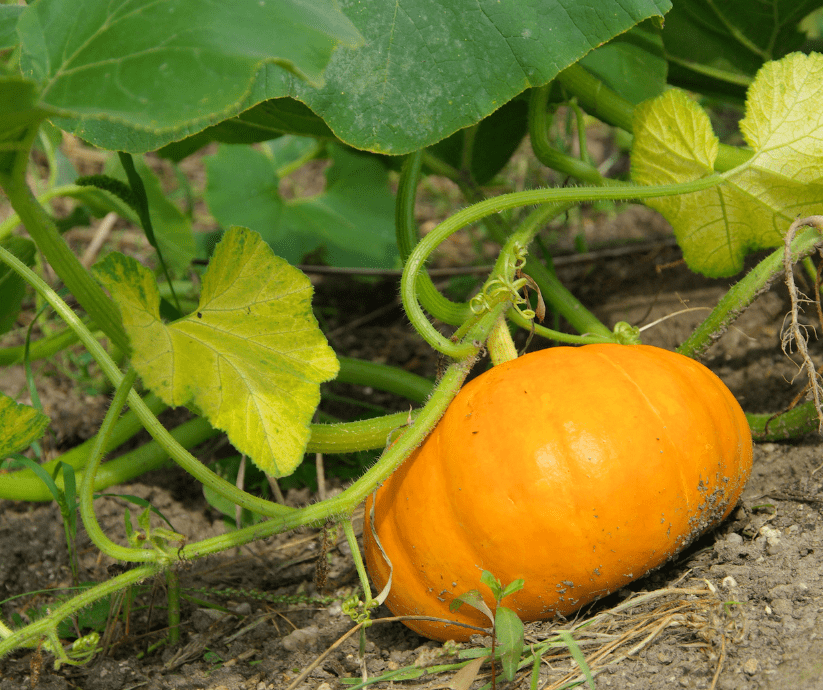
For those daring to plant their own pumpkins in Texas, a few fundamental tips can make a world of difference. Always choose pumpkin varieties suited to your specific Texas region – heat-tolerant types for the south, disease-resistant for humid areas. Ensure your planting site receives at least 6-8 hours of direct sunlight daily and has well-draining, nutrient-rich soil. Consistent watering, especially during dry spells and fruit development, is crucial. Protecting young plants from pests and diseases, which can be rampant in humid Texas summers, will also be vital for a successful harvest.
For visitors, planning is equally important. Check the dates and hours of pumpkin patches and fall festivals well in advance, as many operate on limited schedules and some require pre-booked tickets, particularly for popular attractions like the Texas Pumpkin Festival (a general term for many such events). Dress comfortably in layers, as Texas weather in the fall can be unpredictable, often swinging from cool mornings to warm afternoons. Wear closed-toe shoes suitable for walking through fields. Don’t forget sunscreen and hats, even in autumn, and bring a camera to capture the vibrant fall colors and festive atmosphere. Most importantly, embrace the opportunity to engage with local farmers, taste seasonal treats, and enjoy the unique charm that a pumpkin-themed visit to Texas offers. It’s an invitation to experience the state’s natural beauty and rich cultural fabric, one gourd at a time.
In conclusion, planting pumpkins in Texas is a pursuit deeply intertwined with the state’s diverse geography, vibrant agritourism, and evolving culinary landscape. Whether you’re a seasoned gardener timing your seeds perfectly or a traveler planning a picturesque autumn getaway, understanding the rhythms of the land ensures a bountiful harvest of experiences. From the bustling pumpkin patches of North Texas to the subtle seasonal shifts in West Texas, the humble pumpkin provides a unique lens through which to explore the heart and soul of the Lone Star State. So, pack your bags, or grab your gardening gloves, and prepare to discover the magic of pumpkins in Texas.