
Few things evoke the spirit of a vibrant spring or the warmth of a late autumn day quite like a plump, juicy strawberry. For travelers and lifestyle enthusiasts exploring the diverse landscapes of the Lone Star State, understanding the rhythm of local agriculture can unlock unique experiences, from U-pick farm adventures to culinary delights. While strawberry cultivation might seem like a simple endeavor, the vast and varied climate zones of Texas present a nuanced answer to the question: “When to plant strawberries?” This comprehensive guide will not only pinpoint the optimal planting times but also weave in how this agricultural pursuit can enrich your travel plans, accommodation choices, and overall lifestyle within the beautiful bounds of Texas.

The Allure of Texas Strawberries: A Culinary and Horticultural Journey
Strawberries are not just a fruit; they are an experience. From their sweet aroma that promises a taste of sunshine to their vibrant red hue, they are a staple of farmers’ markets, a star in desserts, and a joy to pick yourself. In Texas, the journey of a strawberry from plant to plate is deeply intertwined with the state’s rich agricultural heritage and its burgeoning agritourism scene. For those interested in local culture and food, understanding the strawberry season is paramount to experiencing the authentic flavors and activities Texas has to offer.
Understanding Texas’s Diverse Climate Zones
Texas is a land of extremes and remarkable diversity. Stretching from the semi-tropical Rio Grande Valley in the south to the Panhandle’s cooler climes, and from the humid Gulf Coast to the arid West Texas desert, the state encompasses multiple USDA Plant Hardiness Zones. This geographical spread significantly impacts when and how strawberries thrive. Generally, Texas falls within Zones 6b to 9b.
In South Texas and the Gulf Coast, the winters are mild, and the growing season extends significantly. Here, a fall planting offers the advantage of establishing plants before the intense summer heat. As you move northward into Central Texas (encompassing cities like Austin and San Antonio) and North Texas (home to Dallas and Fort Worth), winters become cooler, occasionally dipping below freezing, which dictates a slightly different approach. Understanding these regional nuances is key to successful strawberry cultivation, whether you’re a seasoned gardener or a curious traveler looking to experience local produce.
Why Grow Your Own Strawberries?
Beyond the simple pleasure of fresh fruit, growing your own strawberries in Texas aligns perfectly with a lifestyle focused on sustainability, healthy eating, and connecting with nature. For travelers considering a longer stay or investing in a vacation home, cultivating a small strawberry patch can be a rewarding endeavor. It offers:
- Unparalleled Freshness: Nothing beats the taste of a strawberry picked just moments before it’s eaten.
- Cost Savings: Over time, growing your own can be more economical than consistently buying organic berries.
- Educational Experience: For families traveling with children, it’s a fantastic way to teach about where food comes from.
- Enhanced Travel Experience: Timing your visits to Texas with your strawberry harvest, or visiting local farms, adds an authentic, hands-on dimension to your travel itinerary.
- Aesthetic Appeal: Strawberry plants, especially when fruiting, are beautiful additions to any garden or patio container, enhancing the ambiance of your accommodation.
Optimal Planting Seasons: Fall vs. Spring in the Lone Star State
The primary decision for Texas strawberry growers boils down to two main planting windows: fall or spring. Each has its advantages and is often dictated by your specific location within the state and the type of strawberry you choose.
Fall Planting: The Texas Advantage
For the majority of Texas, particularly Central, South, and East Texas, fall planting is generally recommended. This typically means planting sometime between late September and early November.
Why Fall Planting Works Best in Texas:
- Milder Temperatures: The cooler temperatures of fall allow the plants to establish a strong root system without the stress of intense summer heat. This is crucial for perennial plants like strawberries.
- Reduced Water Stress: With cooler weather and often more consistent rainfall, new plants require less intensive watering, making establishment easier.
- Early Spring Harvest: Plants put in the ground in the fall will be well-established and ready to produce a substantial harvest the following spring, often as early as March or April, depending on the region. This aligns perfectly with the burgeoning agritourism season in Texas, where U-pick farms open their gates for visitors.
- Avoids Summer Scorch: By getting the plants established before the scorching Texas summer, you minimize the risk of transplant shock and ensure healthier, more productive plants.
Popular June-bearing varieties like Chandler, Camarosa, and Fortuna are excellent choices for fall planting. These varieties produce a large crop over a 2-3 week period in late spring, making them ideal for those who want a concentrated harvest for jams, freezing, or a big strawberry-themed event.
Spring Planting: A Strategic Approach for Northern Texas
While fall is ideal for much of the state, gardeners in North Texas (closer to Oklahoma) or those who missed the fall window might opt for spring planting, typically from February to March, after the last threat of frost has passed.
Considerations for Spring Planting:
- Shorter First Season: Spring-planted strawberries might yield a smaller harvest in their first year as they spend more energy on root development during the warmer months.
- Heat Management: Spring-planted berries will face the intense Texas summer heat much earlier in their lifecycle, requiring diligent watering and potentially some shade protection.
- Everbearing and Day-Neutral Varieties: For spring planting, everbearing or day-neutral varieties like Seascape or Tristar are often recommended. These types produce fruit throughout the spring, summer, and fall, as long as temperatures remain moderate, offering a continuous supply rather than one large flush. While the individual yields might be smaller, the extended season can be very appealing.
For travelers staying in Dallas or Fort Worth during late winter or early spring, exploring local nurseries at this time can be a delightful activity, offering insights into local horticulture and a chance to pick up plants for a container garden on a hotel balcony or for a longer-term rental.
Beyond the Garden: Strawberry-Themed Travel and Local Delights
The strawberry season in Texas isn’t just about planting; it’s a vibrant part of the state’s tourism and lifestyle fabric. Incorporating strawberry-related activities into your travel plans can transform a simple trip into a memorable experience, replete with local flavors, cultural immersion, and unique activities.
Exploring Texas’s U-Pick Farms and Festivals
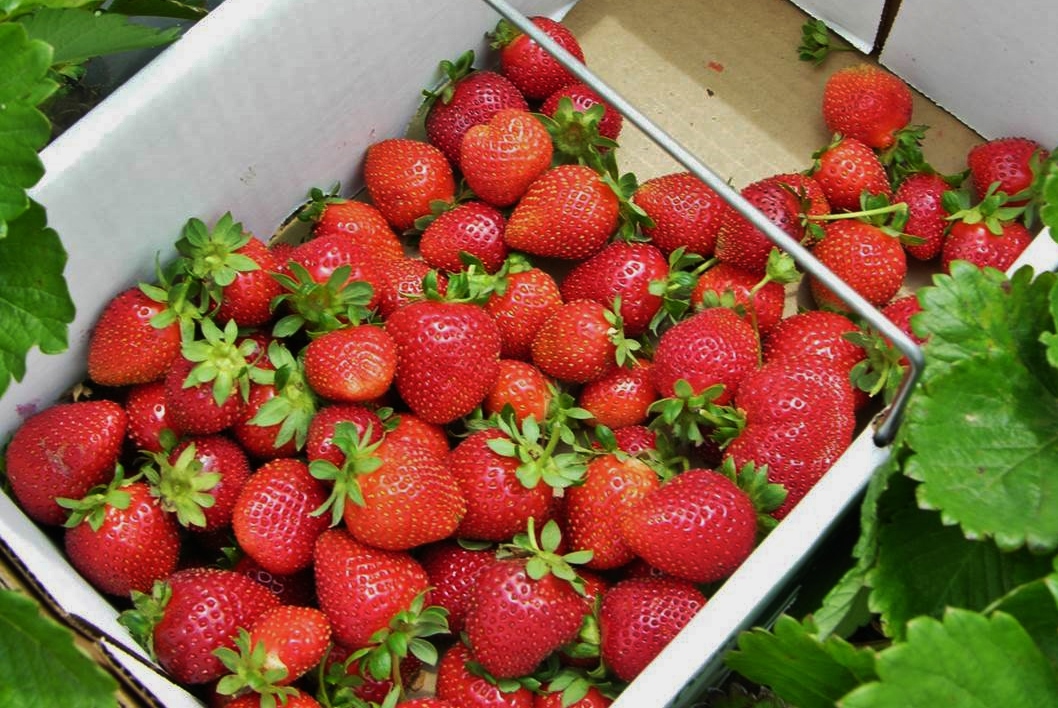
Once the strawberries are ripe, usually from late March through May in most regions, Texas comes alive with U-pick farms. These farms offer an idyllic escape, allowing visitors to spend a day amidst lush fields, hand-picking their own berries. It’s an ideal activity for families, couples, or solo travelers seeking a tranquil yet engaging experience.
- Notable Regions for U-Pick Farms: While farms are scattered across the state, popular areas include East Texas (near Tyler), Central Texas (surrounding Austin and San Antonio), and pockets along the Gulf Coast. Many farms also offer other seasonal produce, farm animals, and picnic areas, making for a full day of family fun.
- Strawberry Festivals: To truly immerse yourself, seek out one of Texas’s local strawberry festivals. The Pasadena Strawberry Festival (near Houston) is particularly famous, boasting one of the world’s largest strawberry shortcakes and a plethora of activities, from concerts to mud volleyball. These festivals are a fantastic way to experience local culture, food, and community spirit, aligning perfectly with the “Tourism” aspect of our lifestyle blog.
Culinary Adventures: Incorporating Texas Strawberries into Your Travel Palette
No Texas strawberry experience is complete without indulging in the culinary delights these berries inspire. From farm-fresh preserves to gourmet desserts in urban eateries, the strawberry season offers a feast for the senses.
- Local Markets: Visit farmers’ markets in cities like Austin, Houston, and Dallas to find freshly picked strawberries, often sold by the very farmers who grew them. These markets are also excellent places to discover artisanal products like strawberry honey, balsamic vinegar, and baked goods.
- Restaurant Menus: Many fine dining establishments and casual eateries across Texas incorporate seasonal strawberries into their spring menus. Look for strawberry salads, cocktails, tarts, and other innovative dishes that showcase the berry’s versatility. This offers a luxurious dining experience, fitting for the “Lifestyle” and “Food” themes of our website.
- Cooking Classes: Some resorts and culinary schools in Texas offer seasonal cooking classes that highlight local produce. Participating in a strawberry-themed class can be a unique and delicious travel experience.
Where to Stay: Accommodations for Your Strawberry Sojourn
Planning a trip around the strawberry season also means considering your accommodation. Texas offers a vast array of options, from charming boutique hotels to sprawling resorts, many of which can enhance your strawberry-centric travel.
- Boutique Hotels in Urban Centers: If you plan to visit farmers’ markets and city restaurants, staying in Dallas, Austin, Houston, or San Antonio offers luxurious comfort and easy access. Consider accommodations like the Hotel ZaZa Dallas for a chic urban experience, or the Hyatt Regency Austin for stunning lake views and a central location. In Houston, The Houstonian Hotel, Club & Spa offers a resort-like feel within the city, while The St. Anthony, a Luxury Collection Hotel, San Antonio provides historical elegance.
- Rural Stays and Farmhouses: For those seeking a deeper immersion, consider booking a villa or a charming farmhouse rental near popular U-pick regions. Many offer extended stays, allowing you to not only visit farms but perhaps even tend to a small garden yourself. This connects directly to the “Accommodation” and “Long-term Stay” aspects, perfect for a lifestyle blog focused on unique experiences.
- Resorts with Culinary Programs: Some Texas resorts pride themselves on farm-to-table dining and even offer guided farm tours or cooking classes during peak seasons. Inquire about special packages that coincide with the strawberry harvest for a truly integrated experience.
Cultivating Success: Essential Tips for Thriving Strawberry Plants
Whether you’re establishing a small patch at your vacation rental or planning a long-term garden, a few key horticultural practices will ensure your Texas strawberries flourish. These tips are valuable for any gardening enthusiast.
Choosing the Right Variety for Your Texas Garden
Selecting the correct strawberry variety is crucial for success in Texas’s unique climate:
- June-bearing varieties (e.g., Chandler, Camarosa, Fortuna): These produce one large crop in late spring. They are excellent for fall planting across most of Texas, especially if you want a substantial harvest for preserving.
- Everbearing/Day-neutral varieties (e.g., Seascape, Tristar): These varieties produce smaller crops continuously throughout the growing season, provided temperatures aren’t extreme. They are more suitable for spring planting, particularly in North Texas, or for container gardening where heat can be more easily managed.
Always purchase healthy, disease-free bare-root plants or potted starts from reputable local nurseries, as they will often carry varieties proven to perform well in the specific Texas region.
Soil Preparation and Nutrient Needs
Strawberries thrive in well-drained, slightly acidic soil (pH 5.5 to 6.5) rich in organic matter. Texas soils can vary greatly, so a soil test is highly recommended.
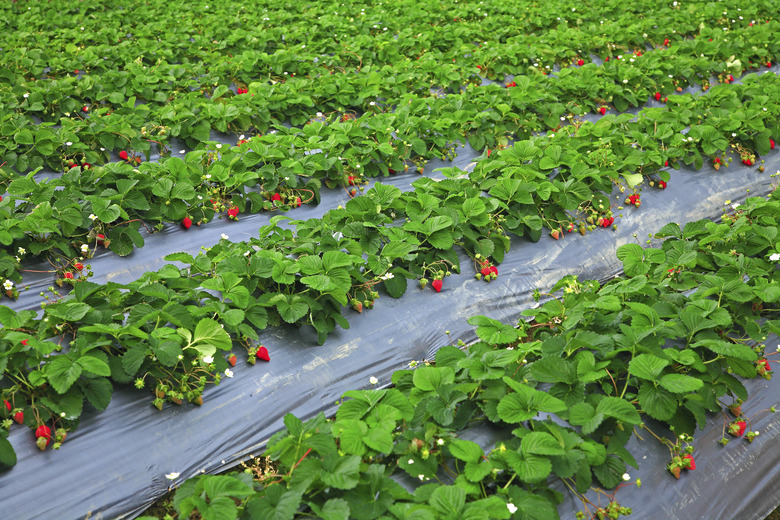
- Amending the Soil: Incorporate plenty of compost, aged manure, or other organic materials to improve soil structure, drainage, and fertility. Raised beds are an excellent option for strawberries in Texas as they allow for better drainage and easier control over soil composition.
- Fertilization: Before planting, work in a balanced slow-release fertilizer. During the growing season, after the first harvest, a light application of a balanced liquid fertilizer can encourage new growth and prepare plants for the next cycle. Avoid excessive nitrogen, which can lead to lush foliage but fewer fruits.
Watering, Pest Control, and Harvesting
- Watering: Consistent moisture is vital, especially during fruit development. Strawberries have shallow roots, so dry spells can quickly impact yield. Drip irrigation or soaker hoses are ideal, delivering water directly to the roots and minimizing leaf wetness, which can lead to fungal diseases. Aim for 1-1.5 inches of water per week, adjusting for rainfall.
- Pest and Disease Management: Keep an eye out for common pests like slugs, aphids, and spider mites, and diseases like powdery mildew. Good air circulation, proper spacing, and removal of old leaves can help prevent issues. Organic pest control methods are often effective and preferred for home gardens.
- Mulching: A layer of straw (hence “strawberry”!), pine needles, or shredded leaves around the plants helps conserve moisture, suppress weeds, and keeps berries clean and off the soil.
- Harvesting: Pick berries when they are fully red and firm. Morning is the best time to harvest, as the berries will be cool and at their peak flavor. Regular harvesting encourages the plants to produce more fruit.
Crafting Your Texas Strawberry Experience: A Lifestyle Perspective
Planting strawberries in Texas is more than just a gardening task; it’s an invitation to embrace a richer, more connected lifestyle. Whether you’re a seasoned traveler seeking authentic local experiences, a family planning a memorable vacation, or someone exploring long-term accommodation options, the strawberry season offers a unique lens through which to appreciate the Lone Star State.
From the planning stages of selecting the right variety and understanding the optimal planting times in your chosen Texas region to the joyful anticipation of the harvest, the journey is filled with opportunities for learning and enjoyment. Imagine waking up at a charming Texas Hill Country resort, enjoying a breakfast featuring fresh, local strawberries, and then heading out for a day of U-pick adventure. Or, perhaps, you’re staying in a stylish Dallas apartment, making a short trip to a nearby farm before returning to prepare a gourmet meal with your fresh bounty.
The “When To Plant Strawberries In Texas?” question opens doors to a broader understanding of seasonality, local agriculture, and the vibrant communities that thrive around these natural cycles. It encourages travelers to step off the beaten path, explore local landmarks like U-pick farms, engage with local culture through festivals, and make sustainable choices that enrich their travel narrative. So, whether you’re digging into the soil or simply savoring a perfectly ripe berry, let the Texas strawberry season guide your next adventure.