
Texas, a state renowned for its vast landscapes, vibrant culture, and, of course, its incredible produce, presents a unique challenge and opportunity for tomato growers. The sheer size of Texas means that climate and planting times can vary significantly from the piney woods of East Texas to the arid deserts of West Texas, and from the humid coast to the rolling plains. Understanding these regional nuances is key to a successful tomato harvest. This guide delves into the optimal times to plant tomatoes across the Lone Star State, ensuring that home gardeners and even culinary enthusiasts looking for the freshest ingredients can enjoy a bounty of sun-ripened fruit.
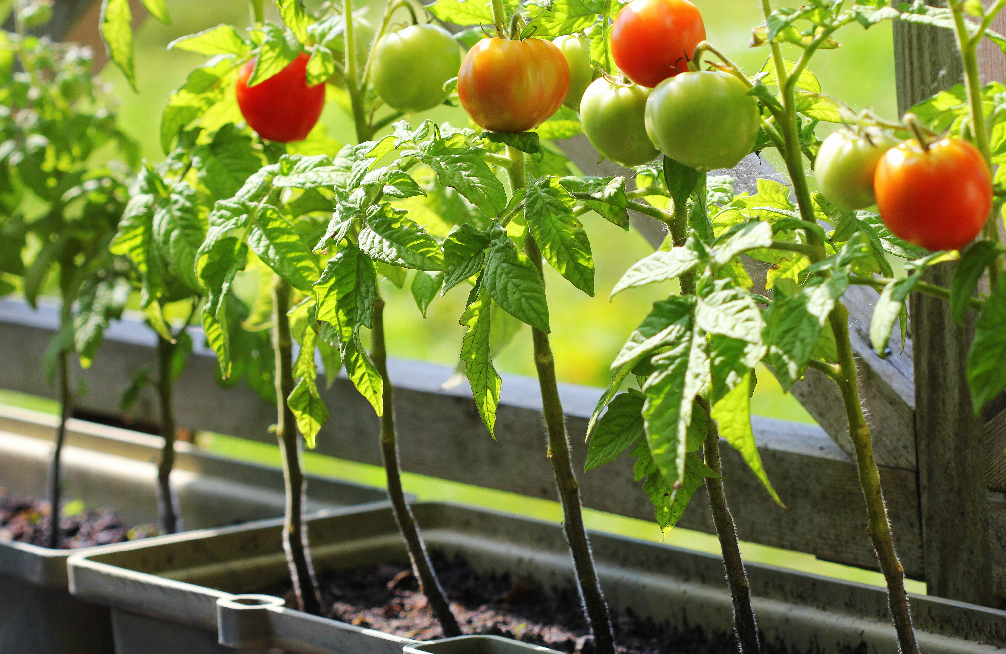
The world of tomato cultivation in Texas is as diverse as the state itself. Whether you’re dreaming of juicy heirlooms to slice onto sandwiches at a leisurely brunch in Austin or planning to grow robust varieties for a hearty chili enjoyed during a cool evening in Lubbock, timing is everything. This article will equip you with the knowledge to navigate the planting calendar, consider essential factors like frost dates and heat tolerance, and offer insights into choosing the right varieties for your specific Texas locale.
Understanding Texas’s Diverse Climates and Their Impact on Tomato Planting
Texas is not a monolith when it comes to climate. Its sheer geographical expanse encompasses several distinct climate zones, each with its own microclimates that influence gardening schedules. Understanding these differences is the first step towards a flourishing tomato garden.
The Frost Factor: A Critical Consideration
The most crucial element determining when to plant tomatoes in Texas is the threat of frost. Tomatoes are warm-season crops, highly sensitive to cold temperatures. A late spring frost can easily damage or kill young seedlings, setting back your entire growing season. Conversely, planting too early, before the danger of frost has completely passed, can be a costly mistake.
North Texas and Panhandle: Navigating Later Frosts
In the northern reaches of Texas, including areas around Dallas, Fort Worth, and the Panhandle region like Amarillo, spring frosts tend to linger longer. Here, the typical last frost date often falls in early to mid-April. Therefore, it is advisable to wait until late April or even early May to plant your tomato seedlings outdoors. For those cultivating in the colder climates of the Panhandle, delaying planting until mid-May might be a prudent decision to ensure the soil has warmed sufficiently and the risk of freezing temperatures has significantly diminished. This cautious approach protects your investment in young plants and maximizes their potential for robust growth.
Central Texas: A Slightly Earlier Window
Central Texas, encompassing cities like Austin, San Antonio, and the Hill Country, experiences a slightly milder climate. The last frost in these areas typically occurs in late March to early April. This allows gardeners to begin transplanting tomato seedlings outdoors in mid to late March. However, it’s always wise to monitor local weather forecasts closely. A sudden cold snap can still occur, and having frost cloth or blankets ready to cover young plants is a good preventative measure. The warmer soil and longer growing season in Central Texas can yield an impressive harvest if timed correctly.
South Texas: An Early Start and a Long Season
The southern tip of Texas, including cities like Houston, Corpus Christi, and the Rio Grande Valley, boasts the warmest climate and the earliest last frost dates, often in late February to early March. This allows for an exceptionally early start to the tomato-growing season, with planting typically commencing in late February or early March. In fact, some experienced growers in the warmer parts of South Texas might even begin sowing seeds indoors earlier, anticipating an outdoor transplant shortly after the last threat of frost. The extended warm season in this region allows for multiple plantings and a prolonged harvest period.
West Texas: Arid Conditions and Heat Management
West Texas, characterized by its arid climate and high daytime temperatures, presents its own set of challenges. While frost dates may be similar to other parts of the state, the intense summer heat can stress tomato plants. In areas like El Paso, it is often recommended to plant tomatoes in early to mid-April, allowing them to establish themselves before the most extreme heat of summer arrives. Some gardeners in West Texas also opt for a fall planting, transplanting seedlings in late July or early August for a secondary harvest as the temperatures begin to cool. This strategy leverages the warm soil and the lingering heat to produce a late-season crop.
Soil Temperature and Plant Development
Beyond just the air temperature and the absence of frost, the soil temperature plays a critical role in a tomato plant’s ability to establish its roots and thrive. Tomato seeds and seedlings will not grow or root effectively in cold soil. Ideal soil temperatures for planting tomatoes are between 60°F and 70°F (15°C to 21°C).
In many parts of Texas, the soil may not reach this optimal temperature until several weeks after the last expected frost. Using a soil thermometer is an invaluable tool for any serious gardener. It allows you to gauge the actual soil conditions, rather than relying solely on air temperature. Waiting for the soil to warm up adequately will prevent transplant shock and encourage vigorous root development, leading to healthier plants and a more abundant yield. For those eager to get a head start, techniques like using black plastic mulch can help warm the soil more quickly.
Essential Factors for Successful Tomato Planting in Texas
Beyond the calendar and frost dates, several other environmental and horticultural factors significantly influence the success of your tomato planting in Texas. Understanding and managing these elements will dramatically increase your chances of a bountiful harvest.
Heat Tolerance: Choosing the Right Varieties for Texas Summers
Texas summers are notoriously hot, and many tomato varieties can struggle or even cease to produce fruit when temperatures consistently soar above 90°F (32°C). This phenomenon is known as heat-induced blossom drop. Therefore, selecting tomato varieties with a proven track record of heat tolerance is paramount for success, especially in the central and western parts of the state.
Recommended Heat-Tolerant Varieties

For the sizzling Texas summers, consider these reliable performers:
- Heat-Tolerant Determinate Varieties: These varieties are bush-type and produce their fruit over a concentrated period, making them excellent for canning or preserving. Examples include ‘Heatwave II’, ‘Celebrity’, and ‘Red Snapper’.
- Heirloom Varieties with Local Acclaim: Many heirloom varieties have been grown in Texas for generations and have naturally adapted to the local climate. ‘Arkansas Traveler’ is a classic heat-tolerant, pink-fruited variety. ‘Cherokee Purple’ is another beloved heirloom known for its rich flavor and decent heat tolerance.
- Cherry and Grape Tomatoes: Smaller fruited varieties often perform better in high heat. ‘Sungold’ (a cherry tomato) is incredibly prolific and relatively heat-tolerant. ‘Sweet 100’ and ‘Super Sweet 100’ (cherry tomatoes) are also popular choices. For grape tomatoes, ‘Pattison’ and ‘Juliet’ are good options.
- Slicing and Paste Tomatoes: For larger slicing tomatoes, look for varieties like ‘Better Boy’ (though it can be susceptible to blossom end rot in extreme heat), ‘Early Girl’ (as the name suggests, it’s an early producer), and ‘Roma’ for paste tomatoes.
When purchasing seedlings or seeds, always read the variety descriptions carefully. Look for terms like “heat tolerant,” “good for hot climates,” or “blossom drop resistant.” Consulting with local nurseries or experienced gardeners in your specific Texas region can also provide invaluable recommendations for the best-performing varieties in your microclimate. The Texas A&M AgriLife Extension is an excellent resource for localized gardening advice and variety recommendations.
Watering and Soil Moisture Management
Tomatoes are thirsty plants, and consistent watering is crucial, especially during the hot Texas months. Inadequate or inconsistent watering can lead to a host of problems, including blossom end rot, cracked fruit, and reduced yields.
- Deep and Infrequent Watering: It’s generally better to water deeply and less frequently than to provide shallow, daily sprinklings. This encourages the roots to grow deeper into the soil, making the plants more resilient to drought. Aim to water at the base of the plant to keep the foliage dry, which helps prevent fungal diseases.
- Mulching is Key: Applying a thick layer of organic mulch, such as straw, compost, or shredded bark, around your tomato plants is highly beneficial. Mulch helps retain soil moisture, suppress weeds, regulate soil temperature, and can even add nutrients to the soil as it decomposes. This is especially important during the scorching Texas summer.
- Morning Watering: Watering in the morning is ideal. This allows the plants to absorb water before the heat of the day sets in and gives any splashed foliage time to dry, reducing the risk of disease.
Sunlight and Soil Preparation
Tomatoes are sun-loving plants and require at least 6-8 hours of direct sunlight per day to produce abundantly. When selecting a planting site, choose a location that receives ample sun throughout the day.
Proper soil preparation is also fundamental. Tomatoes thrive in well-draining soil rich in organic matter. Before planting, amend your garden beds with compost or aged manure to improve soil structure, fertility, and drainage. A soil test can reveal any nutrient deficiencies or pH imbalances that may need to be corrected. Aim for a slightly acidic to neutral soil pH, typically between 6.0 and 7.0.
The Seasonal Planting Calendar for Texas Tomatoes
While general guidelines exist, the best approach to planting tomatoes in Texas involves a nuanced understanding of the seasons and your specific location within the state. This calendar provides a framework for planning your tomato gardening success.
Spring Planting: The Primary Season for Most of Texas
For the majority of Texas, the spring planting season is when most tomato varieties are transplanted outdoors. This period is characterized by warming soil and the diminishing threat of frost.
- Early March: South Texas, including areas like Houston, Corpus Christi, and the Rio Grande Valley, can begin transplanting seedlings. This allows them to establish and grow before the intense summer heat arrives.
- Mid to Late March: Central Texas, encompassing cities such as Austin, San Antonio, and the Hill Country, generally transitions to this timeframe for planting.
- Late April to Early May: North Texas and the Panhandle, including Dallas, Fort Worth, and Amarillo, should wait until the risk of frost has completely passed and the soil has had time to warm.
It is crucial to remember that these are general guidelines. Always consult your local Cooperative Extension office for the most accurate last frost date information specific to your county. Purchasing transplants from local nurseries can also be beneficial, as they will likely be selling varieties that are well-suited for your region and have been started at the appropriate time.
Fall Planting: A Strategic Option for Some Regions
In certain parts of Texas, particularly in the southern and central regions, a second, or fall, planting of tomatoes can be highly successful. This strategy leverages the residual warmth of the soil in late summer and the cooler temperatures of autumn.
- Late July to Early August: For a fall harvest, transplanting seedlings in late July or early August allows the plants to establish during the still-warm weather and mature their fruits as temperatures begin to moderate in September and October. This is particularly viable in areas where winter frosts arrive late.
- West Texas Fall Planting: As mentioned earlier, West Texas gardeners can also benefit from a fall planting. Transplanting in late July or early August can yield a substantial harvest before the first hard freezes of winter.
The key to a successful fall planting is to select varieties that mature relatively quickly and are also somewhat heat tolerant, as they will still experience warm temperatures during their initial growth phase.
Indoor Seed Starting: Getting a Jump on the Season
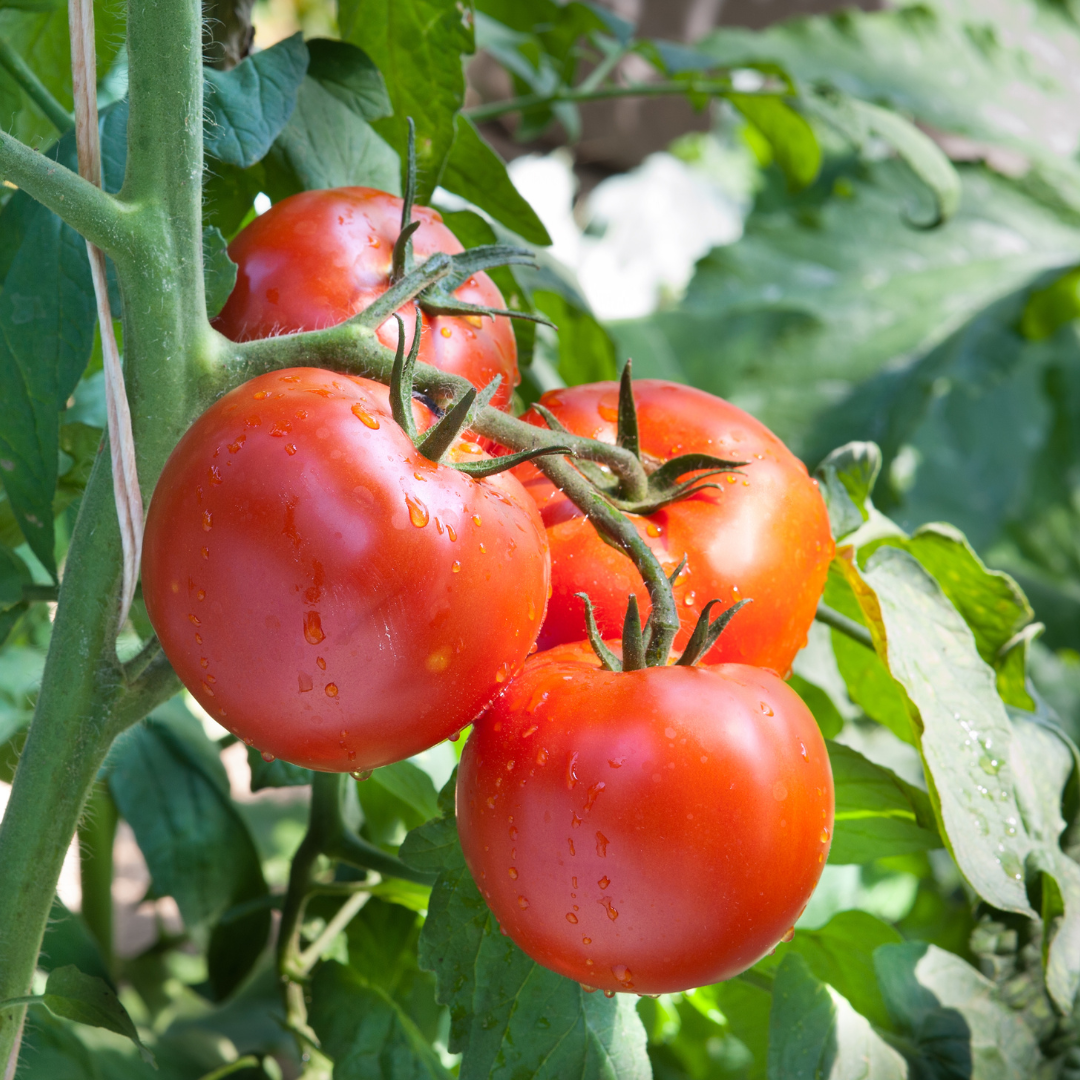
For gardeners who wish to maximize their harvest or are in regions with a shorter growing season, starting tomato seeds indoors is an excellent strategy.
- Timing: Begin sowing seeds indoors approximately 6-8 weeks before your anticipated outdoor transplant date. For example, if your last frost date is in mid-April, start seeds indoors in late February or early March.
- Requirements: Provide adequate light, warmth, and moisture for germination and growth. A sunny windowsill or grow lights can be used. Ensure the seedlings are hardened off gradually before transplanting them outdoors. Hardening off involves exposing the young plants to outdoor conditions for increasing periods over a week or two, preparing them for the rigors of the garden environment.
By meticulously observing these timelines and understanding the unique climatic conditions of your specific Texas locale, you can confidently plant your tomatoes and look forward to a delicious and rewarding harvest. From the vibrant flavors of a Texas BBQ to the simple joy of a homegrown salad, the effort invested in understanding when to plant tomatoes in Texas will undoubtedly pay dividends.
LifeOutOfTheBox is a participant in the Amazon Services LLC Associates Program, an affiliate advertising program designed to provide a means for sites to earn advertising fees by advertising and linking to Amazon.com. Amazon, the Amazon logo, AmazonSupply, and the AmazonSupply logo are trademarks of Amazon.com, Inc. or its affiliates. As an Amazon Associate we earn affiliate commissions from qualifying purchases.