
Hawaii, a tropical paradise renowned for its stunning beaches, lush landscapes, and vibrant local culture, also offers a truly awe-inspiring spectacle during a specific time of year: whale season. For those planning a trip to these enchanting islands, knowing the optimal time to witness these magnificent marine mammals is key to an unforgettable experience. This guide will delve into the prime whale-watching windows, the best locations across the Hawaiian archipelago, and what you can expect from a whale encounter in Hawaii, drawing upon the rich tapestry of travel, tourism, and natural wonders that the islands offer.

The Prime Time: Understanding Hawaii’s Whale Watching Seasons
The stars of the show, the majestic humpback whales, migrate to the warm, shallow waters of Hawaii each year for a vital period of breeding and calving. This annual pilgrimage transforms the islands into a world-class destination for observing these gentle giants.
Winter Migration: The Peak Season
The most opportune time to witness whales in Hawaii falls squarely within the winter months. While sightings can begin as early as November, the peak whale watching season typically spans from December through April. During these months, you’ll find the highest concentration of whales actively engaging in mating rituals, nursing their young, and putting on spectacular displays of breaching and tail-slapping.
The consistent presence of large numbers of whales during this period makes it the most reliable time for any whale-watching expedition. Whether you’re staying in a luxurious resort on Maui or exploring the volcanic landscapes of the Big Island, the chances of encountering these incredible creatures are at their highest.
Shoulder Seasons: Extended Opportunities
While the winter months are undeniably the prime time, the whale watching season isn’t strictly confined to this period.
-
Early Season (November): As the colder waters of Alaska and other northern feeding grounds become less hospitable, the first pods of humpback whales begin their journey south. While sightings might be fewer and farther between in November, dedicated whale watchers may still be rewarded with early arrivals. This can be an excellent time for travelers seeking fewer crowds and potentially lower accommodation prices, especially in popular tourist hubs like Lahaina on Maui.
-
Late Season (May): Similarly, as the breeding season winds down and mothers with their calves prepare for the long journey back to their feeding grounds, some whales linger in Hawaiian waters into May. The number of whales decreases significantly by this month, but a determined observer might still catch a glimpse of a late departure. This is also a time when the islands offer a more relaxed atmosphere, with fewer tourists compared to the peak winter months.
Understanding these nuances allows for flexibility in planning your Hawaiian adventure. If your primary goal is whale watching, aiming for January or February is your best bet. However, if you’re looking for a more comprehensive Hawaiian experience that includes whale sightings, the extended season can still offer wonderful opportunities.
Top Destinations for Whale Watching in Hawaii
Hawaii’s unique geography, with its protected bays and shallow waters, makes several islands and specific locations exceptional for whale watching. The marine life here thrives, and the clarity of the water often provides excellent visibility for both boat tours and shoreline viewing.
Maui: The Whale Watching Capital
Maui is unequivocally the whale watching capital of Hawaii. The island’s sheltered waters, particularly the Au’au Channel between Maui, Lanai, and Molokai, are a favorite sanctuary for humpback whales.
The West and South Shores of Maui
-
Lahaina and Ka’anapali: These popular resort areas on Maui’s west coast offer numerous whale watching tours departing directly from their harbors. The coastline is also known for frequent shoreline sightings, especially from elevated vantage points. You might even spot whales breaching from the lanai of your oceanfront hotel.
-
Ma’alaea Bay: Located on the south-central coast, Ma’alaea Bay is another hub for whale watching tours. Its strategic position provides easy access to the prime whale feeding and breeding grounds.
-
South Maui Resorts: Areas like Kihei and Wailea also provide excellent opportunities. Many hotels and resorts in these regions offer packages or can help arrange whale watching excursions. The calm waters off these shores are ideal for spotting mothers with their calves.
The Big Island (Hawaii Island): Beyond the Mainland
While Maui takes the spotlight, the Big Island also offers significant whale watching opportunities, particularly around its western and southern coastlines.
Kona Coast and Beyond
-
Kona Coast: The waters off the Kona Coast are known for their exceptional marine life, and humpback whales are a common sight during the season. Tours depart from harbors like Kailua-Kona, offering a chance to combine whale watching with other popular activities like snorkeling and diving.
-
South Point (Ka Lae): While less frequented by tour operators, the waters near South Point, the southernmost tip of the United States, can also attract whales. However, accessibility and wave conditions here can be more challenging.
Other Islands: Niche Opportunities
While Maui and the Big Island are the primary hotspots, other islands can offer chances for whale sightings, albeit with fewer dedicated tours and potentially lower numbers.
-
Oahu: During the peak season, humpback whales can be seen off the shores of Oahu, especially along the western and southern coasts. Tours might depart from Honolulu or Waikiki, though they are less frequent than on Maui.
-
Kauai: The northern island of Kauai also sees humpback whales pass through its waters. While the concentration may not be as high as in the Maui region, the dramatic cliffs and scenic beauty of Kauai provide a stunning backdrop for any whale encounter.
When choosing your island and specific location, consider your overall travel plans. If whale watching is your paramount concern, Maui is the clear choice. If you’re seeking a broader Hawaiian experience that incorporates whale sightings, the Big Island, Oahu, or Kauai can still deliver rewarding moments. Researching specific tour operators and checking their departure points will further refine your planning.
Experiencing the Wonder: Whale Watching Activities and Tips
Witnessing a humpback whale in its natural habitat is an experience that transcends mere sightseeing; it’s a profound connection with nature. Hawaii offers various ways to embark on this incredible journey, catering to different preferences and budgets.
Guided Whale Watching Tours: The Premier Experience
The most popular and often most rewarding way to see whales is by joining a dedicated whale watching tour. These excursions are led by experienced captains and naturalists who know the best spots and understand whale behavior.
-
Boat Tours: These are the most common. Options range from large, stable catamarans that offer a comfortable ride and ample viewing space to smaller, faster rafts or zodiacs that can get you closer to the action (though these can be more exhilarating and potentially bumpy). Many tours departing from Maui‘s west and south shores are specifically designed to maximize whale sightings.
-
Sailing Tours: For a more serene and eco-conscious experience, consider a sailing tour. These often move more quietly through the water, minimizing disturbance to the whales.
-
Kayaking and Paddleboarding: For the adventurous and eco-conscious traveler, guided kayaking or paddleboarding tours can offer an intimate encounter. However, it’s crucial to maintain a respectful distance and follow all regulations to avoid stressing the animals. These are best suited for calmer waters and experienced individuals.
Shoreline Sightings: Accessible and Rewarding
You don’t always need to venture out on the water to see whales. Many locations across the islands offer excellent opportunities for shoreline whale watching, making it an accessible and often free activity.
-
Elevated Viewpoints: Look for coastal overlooks, parks, or even your hotel’s balcony if you’re lucky enough to have an ocean view. Higher vantage points can provide a broader perspective and allow you to spot the tell-tale blow or fluke from a distance.
-
Beaches and Coastal Paths: Simply spending time on popular beaches like Ka’anapali Beach on Maui or along the coastal trails can lead to surprising sightings. Keep an eye on the horizon, especially during the calmer morning hours.
Understanding Whale Behavior and Etiquette
To ensure a positive and safe experience for both you and the whales, it’s essential to be an informed and respectful observer.
-
The Blow: The most common sign of a whale’s presence is its blow, a powerful exhalation that can be seen and heard from a distance. The spray of water and mist is often accompanied by a visible breath.
-
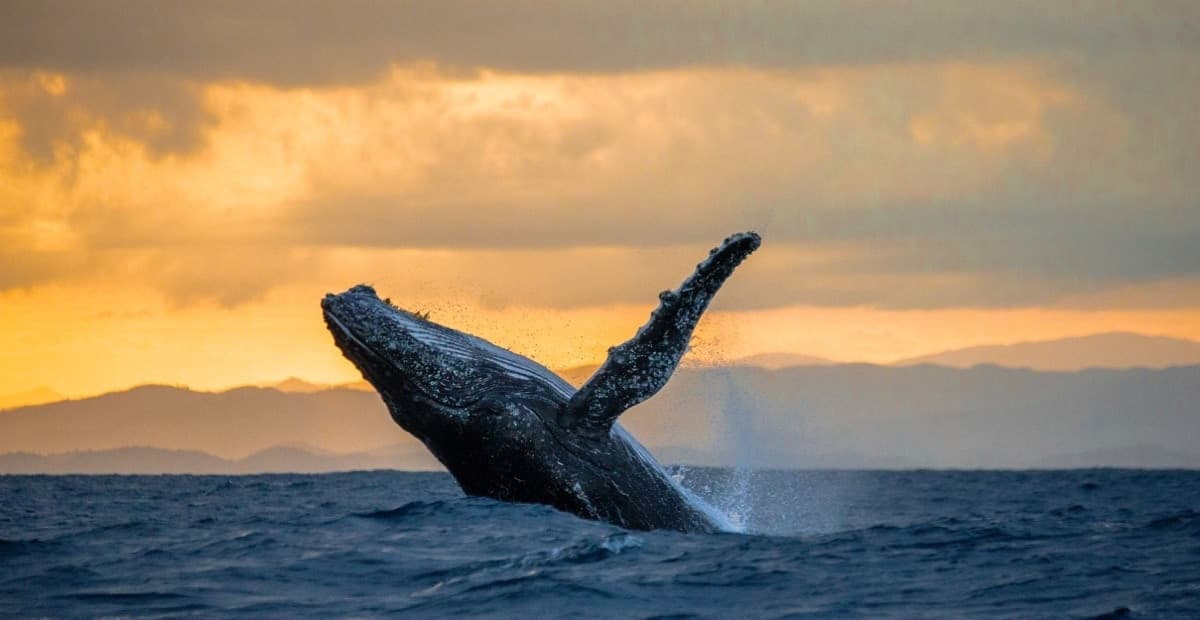
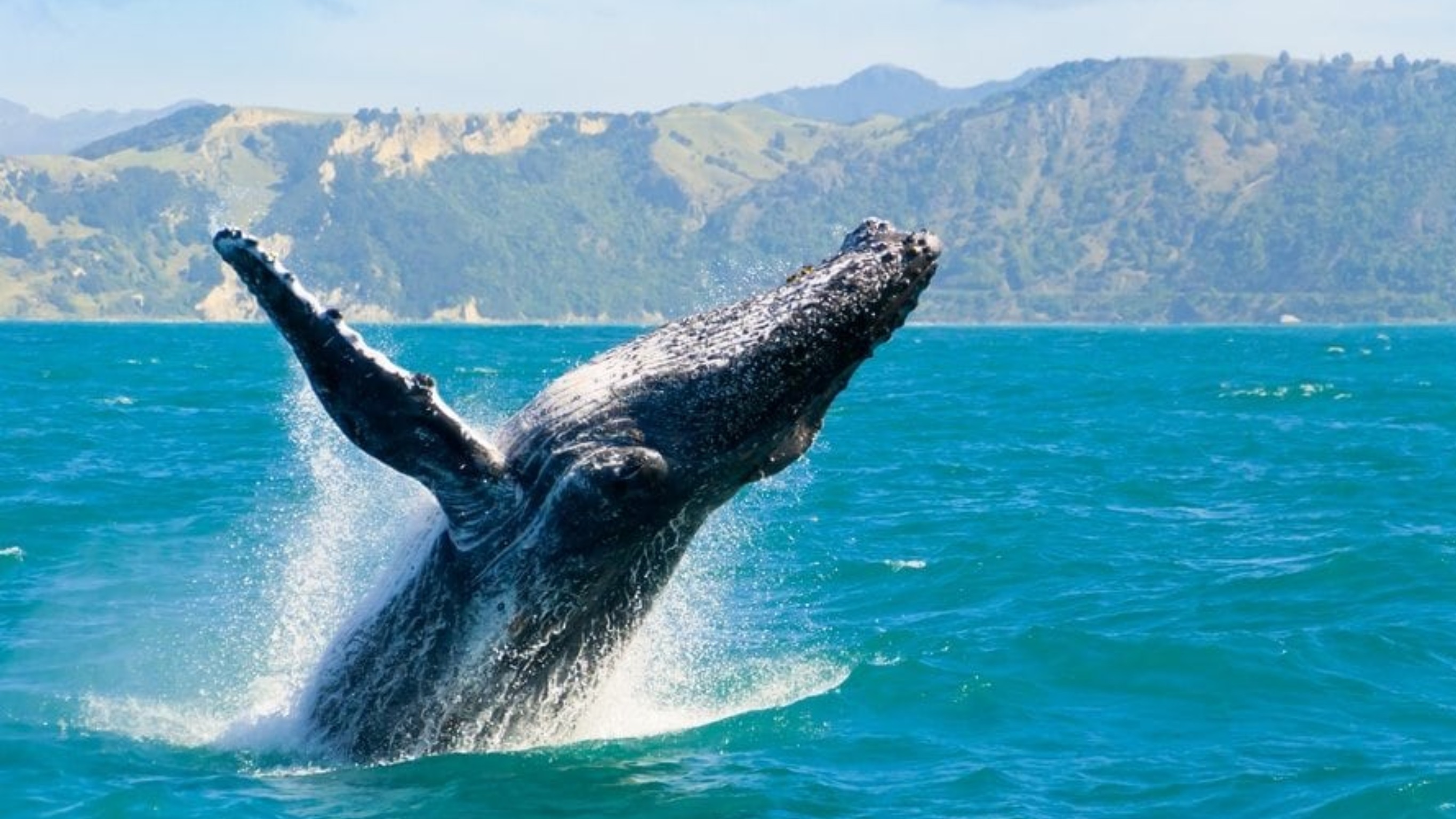
Breaching: This is perhaps the most spectacular sight: a whale launching its entire body out of the water and crashing back down. It’s believed to be a form of communication, play, or to dislodge parasites.
-
Tail Slapping (Lobtailing): When a whale dramatically slaps its tail fluke on the water’s surface, it can create a loud splash. This might indicate agitation or be a signal to other whales.
-
Fin Slapping (Pectoral Slapping): Whales may also slap their long pectoral fins against the water.
-
Respecting Distance: Hawaii has strict regulations in place to protect whales. Tour operators are trained to maintain a safe and legal distance (typically 100 yards). As observers, it’s crucial to respect these guidelines. Avoid attempting to chase or get too close to whales, whether from a boat or on shore. This protects them from stress and injury, ensuring their continued presence in Hawaiian waters for future generations.
-
Noise Levels: Keep noise levels down, especially on boats, to avoid disturbing the marine life.
-
Binoculars: Bring binoculars to enhance your viewing experience and spot whales from farther away.
By understanding the best times, locations, and responsible ways to observe, your whale watching adventure in Hawaii is sure to be an enriching and memorable part of your Hawaiian island hopping itinerary. Whether you choose a thrilling boat ride or a peaceful shoreline vigil, the magic of encountering these gentle giants will undoubtedly leave you with a profound appreciation for the ocean’s wonders.
LifeOutOfTheBox is a participant in the Amazon Services LLC Associates Program, an affiliate advertising program designed to provide a means for sites to earn advertising fees by advertising and linking to Amazon.com. Amazon, the Amazon logo, AmazonSupply, and the AmazonSupply logo are trademarks of Amazon.com, Inc. or its affiliates. As an Amazon Associate we earn affiliate commissions from qualifying purchases.