
Hawaii, the shimmering jewel of the Pacific Ocean, beckons travelers with its unparalleled natural beauty, vibrant culture, and an endless array of adventures. From the dramatic cliffs of the Na Pali Coast to the fiery peaks of Volcanoes National Park, each island offers a distinct slice of paradise. Yet, for many prospective visitors, the perennial question remains: “When is the best time to visit Hawaii?” The truth is, there’s no single perfect answer, as the ideal time largely depends on your priorities – whether you’re seeking whale watching opportunities, epic surf conditions, fewer crowds, better deals, or specific cultural experiences. This comprehensive guide will navigate you through Hawaii’s seasons, highlighting what each period offers in terms of weather, activities, and travel considerations, helping you plan your ultimate Hawaiian escape.
Understanding Hawaii’s Climate and Seasons
Hawaii enjoys a remarkably consistent, tropical climate year-round, thanks to its proximity to the equator and the pervasive trade winds. However, even in paradise, there are subtle seasonal shifts that can influence your travel experience. Understanding these nuances is key to optimizing your visit.
The Dry Season vs. The Wet Season
Broadly speaking, Hawaii experiences two primary seasons:
- The Dry Season (Summer): Running from approximately April to October, this period is characterized by warmer temperatures, less rainfall, and more sunshine. This is generally considered the peak season for beach activities, snorkeling, and hiking, as conditions are consistently pleasant across all islands. The chances of encountering prolonged rain showers are significantly lower, making it ideal for those seeking uninterrupted outdoor recreation.
- The Wet Season (Winter): From November to March, the islands experience slightly cooler temperatures and increased rainfall. However, it’s crucial to understand that “wet season” in Hawaii doesn’t typically mean continuous downpours. Instead, rainfall tends to come in short, localized showers, often on the windward (eastern and northern) sides of the islands, while the leeward (western and southern) coasts often remain sunny and dry. This phenomenon means that even during the wetter months, you can usually find sunshine just a short drive away.
It’s also worth noting that microclimates are a significant feature of Hawaii’s landscape. One part of an island might be rainy and lush, while another, often just miles away, is arid and sun-drenched. For example, the Hilo side of Hawaii Island (also known as the Big Island) is famously wet and verdant, while the Kona side is much drier and sunnier, creating vastly different environments for exploration.
Temperature and Ocean Conditions Year-Round
One of Hawaii’s greatest appeals is its consistently comfortable temperatures. Air temperatures typically hover between 75°F (24°C) and 85°F (29°C) throughout the year, with little variance between day and night. The ocean, too, remains invitingly warm, generally ranging from 77°F (25°C) in winter to 82°F (28°C) in summer, making swimming, snorkeling, and diving delightful no matter when you visit. The refreshing trade winds, particularly prevalent during the dry season, help keep humidity at bay and contribute to the pleasant tropical atmosphere. These gentle breezes are a natural air conditioning system, making even the warmest days enjoyable.
Seasonal Highlights and Travel Considerations
Each season in Hawaii unveils a different character, offering unique experiences and presenting varying considerations for crowds and costs.
Winter Wonders (November – March)
Winter in Hawaii is a season of dramatic contrasts and vibrant activity, drawing visitors seeking warmth and specific natural spectacles.
- Whale Watching Extravaganza: This is prime time for humpback whale watching, as these majestic creatures migrate from the cold waters of Alaska to the warm, protected Hawaiian channels to breed and calve. The season typically runs from November to May, with peak sightings from January to March. Maui‘s Ma’alaea Bay and the waters off Lahaina are particularly famous for their abundant whale populations, offering incredible opportunities for boat tours and even land-based sightings.
- Big Wave Surfing: For adrenaline junkies and surf enthusiasts, winter means colossal waves on the North Shores of islands like Oahu and Maui. Famous breaks attract professional surfers from around the globe, making it an exhilarating time to witness world-class competitions and incredible feats of athleticism. While the waves are impressive, caution is advised for casual swimmers and beginners during these periods.
- Holiday Rush: The downside to winter’s allure is the influx of tourists during major holidays like Thanksgiving, Christmas, and New Year’s. This translates to significantly higher prices for flights and accommodations, from luxury beachfront resorts to charming boutique hotels, and more crowded attractions. If you plan to travel during these periods, booking your flights, hotels, and popular tours well in advance (6-12 months out) is absolutely essential. Family trips during the holidays are popular, so resorts with extensive amenities and kids’ clubs will be in high demand.
Spring into Paradise (April – May)
Spring is arguably one of the “sweet spots” for visiting Hawaii, offering a delightful balance of pleasant weather, fewer crowds, and more favorable pricing.
- Ideal Conditions: The shoulder months of April and May mark the transition from the wet season to the dry season. Rainfall subsides, temperatures are comfortably warm, and the lush landscapes are still vibrant from winter rains. The ocean remains warm and inviting, perfect for all water activities.
- Cultural Celebrations: Spring also brings a rich calendar of cultural events. The renowned Merrie Monarch Festival, a week-long celebration of ancient and modern hula, takes place on Hawaii Island in April. This esteemed event offers an immersive dive into authentic Hawaiian culture. Other events, like the Maui Film Festival in June (though technically early summer, its planning starts in spring), showcase the islands’ artistic side.
- Value and Tranquility: Post-Spring Break and pre-summer family travel, spring offers a window of relative tranquility. You’ll likely find better deals on flights and a wider selection of accommodation options, from cozy apartments to lavish suites, making it an excellent time for budget-conscious travelers or those seeking a more relaxed experience.
Summer Sun and Family Fun (June – August)
Summer in Hawaii is synonymous with endless sunshine, warm temperatures, and a lively, family-friendly atmosphere.
- Perfect Beach Weather: These are the driest and warmest months, with minimal rainfall and consistently calm ocean conditions on most leeward coasts. This makes summer an unparalleled time for swimming, snorkeling, paddleboarding, and enjoying Hawaii’s pristine beaches.
- Family Travel Peak: With school holidays in full swing, summer is the busiest time for family vacations. Resorts are bustling with children’s activities, and popular attractions like Waikiki Beach and Pearl Harbor on Oahu see peak visitor numbers.
- Higher Costs and Crowds: Expect higher prices for flights and accommodations, and plan for crowds at popular spots. Early booking is, once again, crucial. Events like July 4th celebrations bring additional festivities and localized crowds. Despite the crowds, the vibrant energy and near-perfect weather make it a beloved time for many.
Autumn’s Allure (September – October)
Much like spring, autumn is another “shoulder season” gem, offering an ideal balance of beautiful weather, fewer crowds, and attractive pricing.

- Post-Summer Serenity: After the summer rush subsides, September and October offer a reprieve from peak tourism. The weather remains fantastic—warm, sunny, and dry—with ocean temperatures still incredibly pleasant for swimming and water sports.
- Excellent Value: This period often presents the best value for flights and accommodations. You’ll find more availability at desirable resorts and villas, and potentially more competitive rates, appealing to both budget travelers and those looking for a luxurious escape without the summer premium.
- Foodie Festivals: For culinary enthusiasts, autumn is a treat. The prestigious Hawaii Food & Wine Festival takes place across multiple islands, showcasing the archipelago’s diverse culinary landscape. On Hawaii Island, the Kona Coffee Festival in November celebrates the island’s renowned coffee culture with tastings, farm tours, and cultural events.
Tailoring Your Trip: Activities, Events, and Budgets
Your personal interests and budget are paramount in determining your best time to visit Hawaii.
Chasing Waves and Marine Life
If your primary goal is to witness the exhilarating big waves of the North Shore, winter (November-March) is your season. For incredible humpback whale sightings, aim for January through March. If calm waters for snorkeling, diving at spots like Molokini Crater, or paddleboarding are a priority, summer or the shoulder seasons (April-May, September-October) generally offer the best conditions across most leeward coasts.
Embracing Hawaiian Culture and Festivals
Many of Hawaii’s most significant cultural festivals, such as the Merrie Monarch Festival in spring or the Kona Coffee Festival in autumn, occur outside of the peak summer months. Attending these events offers a deeper, more authentic immersion into local life and traditions, far beyond the typical tourist experience of luaus and beaches. These periods are fantastic for understanding the vibrant local culture and cuisine that make Hawaii so special.
Navigating Crowds and Costs
As a general rule:
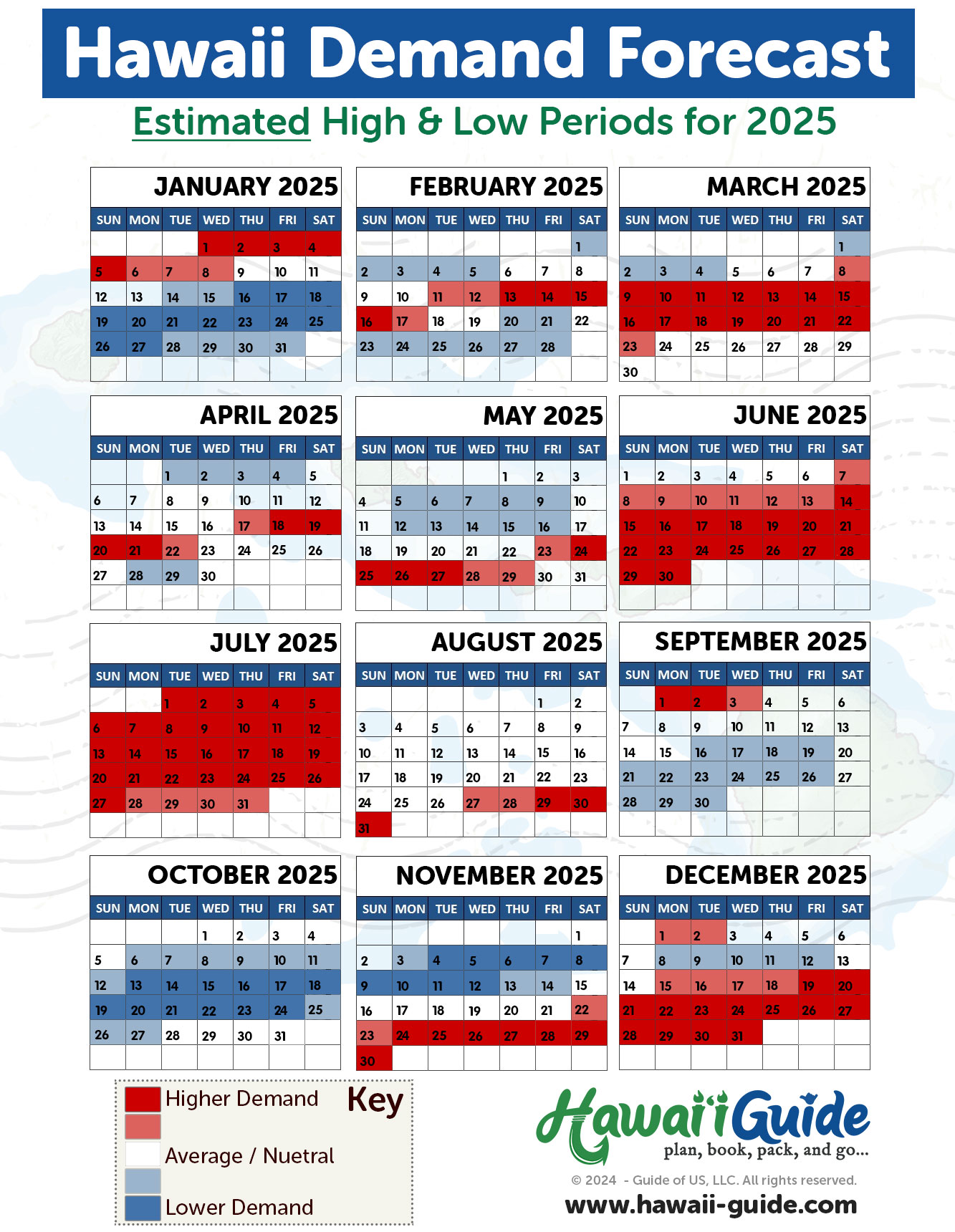
- Peak Seasons (Highest Crowds & Prices): Mid-December through early January (Christmas & New Year’s), Spring Break (March-April), and mid-June through August (Summer school holidays). Expect higher prices on flights, resorts, rental cars, and tours. Booking accommodation and activities far in advance is crucial to secure your preferred options, whether it’s a luxury suite or a family-friendly resort.
- Shoulder Seasons (Fewer Crowds & Better Value): April-May and September-October. These periods offer an excellent balance of superb weather, fewer crowds, and more attractive pricing on travel and accommodation. This is an ideal time for budget travelers looking to maximize their experience or those seeking a more serene, romantic getaway without the hustle and bustle. You might find better deals on long-term stays in apartments or villas, allowing for a more immersive experience.
- Off-Peak (Lowest Crowds & Best Value, but Potentially More Rain): November (excluding Thanksgiving) and early December. While there’s a higher chance of rain, prices are typically the lowest, and crowds are minimal. This can be a fantastic option for travelers who don’t mind occasional showers and prioritize value and tranquility.
Island-Specific Charms: Finding Your Perfect Hawaiian Escape
Each of Hawaii’s main islands possesses a unique personality, and your choice of island might also influence your ideal travel time.
Oahu: The Gathering Place
Oahu is the most populated and developed island, home to Honolulu, the capital city.
- Highlights: Iconic Waikiki Beach, historic Pearl Harbor, the majestic Diamond Head crater, and the legendary North Shore surf breaks.
- Best Time: Oahu is vibrant year-round. For North Shore surfing, visit in winter. For calm waters in Waikiki and city exploration, summer or shoulder seasons are excellent. It offers the widest range of accommodation, from budget hotels to sprawling luxury resorts, catering to family trips, business stays, and solo adventurers alike.
- Lifestyle Focus: Ideal for first-time visitors, city explorers, history buffs, and those seeking a blend of urban excitement and natural beauty.
Maui: The Valley Isle
Maui is renowned for its stunning beaches, luxurious resorts, and diverse landscapes.
- Highlights: The breathtaking sunrise/sunset from Haleakala National Park, the epic Road to Hana, charming Lahaina town, and world-class whale watching.
- Best Time: Winter (January-March) is prime for whale watching. Summer and shoulder seasons offer fantastic beach weather and great conditions for exploring the Road to Hana. Maui is a popular destination for luxury travel and romantic getaways, with many high-end resorts and private villas available.
- Lifestyle Focus: Perfect for honeymooners, families seeking upscale resort experiences, and nature lovers eager to explore scenic drives and volcanic landscapes.
Kauai: The Garden Isle
Kauai is the oldest and northernmost of the main islands, famous for its dramatic cliffs, lush rainforests, and natural beauty.
- Highlights: The awe-inspiring Na Pali Coast (best viewed by boat or helicopter), the “Grand Canyon of the Pacific” (Waimea Canyon), and numerous waterfalls.
- Best Time: Summer (June-August) offers the driest conditions, ideal for hiking and exploring the rugged terrain. However, Kauai maintains its verdant charm year-round, with rain showers contributing to its lushness. Accommodation ranges from intimate resorts to secluded apartments and villas, perfect for those seeking tranquility.
- Lifestyle Focus: Ideal for adventurers, hikers, nature photographers, and anyone looking for a more laid-back, natural Hawaiian experience.
Hawaii Island (Big Island): The Orchid Isle
The Big Island is the largest and youngest island, boasting an incredibly diverse landscape from volcanic deserts to snow-capped mountains.
- Highlights: The active volcanoes within Volcanoes National Park, black sand beaches, vibrant coral reefs, and the famous Kona coffee region.
- Best Time: Given its vast microclimates, the Big Island is a year-round destination. The dry Kona side is consistently sunny, while the Hilo side is rainier. Winter offers the Kona Coffee Festival (early November) and the possibility of seeing snow on Mauna Kea.
- Lifestyle Focus: Best for geology enthusiasts, stargazers, adventure seekers, and travelers who appreciate dramatic changes in scenery and climate within a single island.
For those truly seeking to escape the well-trodden path, consider the quieter islands of Molokai and Lanai, which offer unique, authentic Hawaiian experiences and a slower pace of life, often best enjoyed in the shoulder seasons for maximum tranquility.

Making Your Hawaiian Dream a Reality
Ultimately, the “best” time to visit Hawaii is a personal choice, shaped by your desires, budget, and travel style. Whether you dream of witnessing a humpback whale breach, riding a monster wave, soaking up the summer sun with your family, or savoring local flavors at a cultural festival, Hawaii has a season that will cater to your ideal trip.
- For prime whale watching and big surf, embrace the winter months.
- For optimal weather, fewer crowds, and better value, target the spring or autumn shoulder seasons.
- For guaranteed sunshine and lively family fun, summer is your go-to.
Regardless of when you choose to go, meticulous planning, especially concerning accommodation booking and tour reservations, is paramount, particularly during peak seasons. Consider comparing hotel reviews, booking in advance through reliable platforms, and exploring different accommodation types, from all-inclusive resorts to charming long-term stay apartments, to find the perfect fit for your lifestyle and budget. Embrace the aloha spirit, travel consciously, and prepare for an unforgettable journey to one of the world’s most captivating destinations.
LifeOutOfTheBox is a participant in the Amazon Services LLC Associates Program, an affiliate advertising program designed to provide a means for sites to earn advertising fees by advertising and linking to Amazon.com. Amazon, the Amazon logo, AmazonSupply, and the AmazonSupply logo are trademarks of Amazon.com, Inc. or its affiliates. As an Amazon Associate we earn affiliate commissions from qualifying purchases.