
The vast, untamed wilderness of Alaska, often referred to as the “Last Frontier,” holds a unique and captivating place in the history and geography of the United States. Its dramatic landscapes, rich cultural heritage, and unparalleled opportunities for adventure have made it a dream destination for travelers worldwide. But before it became the largest state in the union, Alaska underwent a long and fascinating transformation. The question, “When was Alaska made a state?” delves into a pivotal moment that reshaped the geopolitical landscape of North America and paved the way for the vibrant tourism, travel, and lifestyle experiences that define the region today. The answer is specific: Alaska officially achieved statehood on January 3, 1959, becoming the 49th state. This date marks the culmination of decades of political maneuvering, economic development, and a growing desire for self-determination among its residents. Understanding this journey not only provides historical context but also enhances appreciation for the state’s enduring allure as a prime destination for exploration, relaxation, and cultural immersion.
The Long Road to Statehood: A Historical Overview
The path to becoming a state was not a short one for Alaska. Its history is a rich tapestry woven with threads of exploration, commerce, and strategic importance, beginning long before its eventual integration into the United States. From its earliest inhabitants, the indigenous peoples who thrived in its harsh yet abundant environment, to the arrival of European explorers, Alaska’s narrative has always been one of resilience and potential.
From Russian America to US Territory
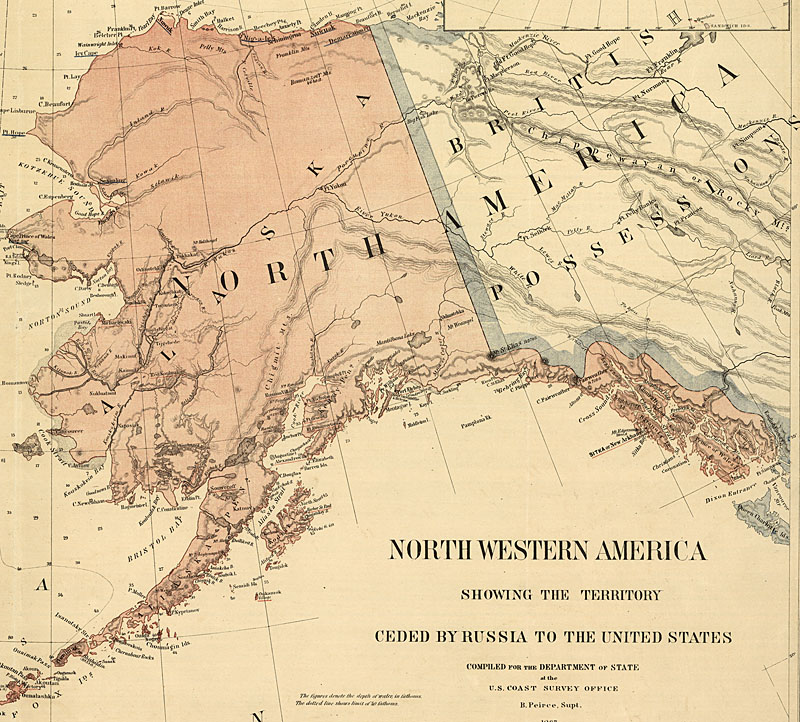
For many years, the territory now known as Alaska was under the control of Russia. Known then as Russian America, this vast and often harsh land was primarily exploited for its rich fur resources, particularly sea otter pelts, by Russian traders and settlers. Outposts like Sitka became centers for this lucrative trade, establishing a tenuous European presence in the remote northern reaches of the Pacific Ocean.
However, by the mid-19th century, Russia found its North American colony to be an economic burden and strategically vulnerable, especially after its defeat in the Crimean War. Looking to offload the territory and prevent it from falling into the hands of a rival power like Great Britain, Russia began negotiations with the United States.
On March 30, 1867, a landmark agreement was reached. William H. Seward, then the United States Secretary of State, negotiated the purchase of Alaska from Russia for $7.2 million, an amount equivalent to approximately two cents per acre. This transaction, initially ridiculed by some as “Seward’s Folly” or “Seward’s Icebox” due to its seemingly barren nature and remote location, proved to be one of the most astute land deals in history. The formal transfer ceremony took place on October 18, 1867, in Sitka, marking the official end of Russian America and the beginning of Alaska’s era as a United States territory.

For several decades after the purchase, Alaska remained largely undeveloped and sparsely populated by non-indigenous settlers. It was governed as a military district, then a civil and judicial district, and eventually an organized territory in 1912. The discovery of gold in the late 19th and early 20th centuries, particularly the Klondike Gold Rush and subsequent strikes in places like Nome and Fairbanks, brought a significant influx of people and attention to the region. This period laid the groundwork for future development, establishing towns, transportation routes, and a nascent economy that began to hint at Alaska’s vast potential beyond just furs.
The Fight for Self-Governance
Despite becoming an organized territory, Alaska still lacked the full political rights and representation enjoyed by states. Its residents were subject to federal control, and many felt that their unique needs and challenges were not adequately addressed by distant lawmakers in Washington, D.C. The push for statehood gained momentum throughout the first half of the 20th century, fueled by several key arguments.
One primary driver was the growing population and economic development. The resource-rich territory, boasting not only gold but also vast reserves of timber, fish, and later, oil, felt it could manage its own affairs more efficiently and effectively as a state. There was a strong belief that local control would lead to better resource management and foster sustainable growth.
Strategic importance also played a significant role, particularly during and after World War II. Alaska’s geographical position, bordering the Arctic Circle and acting as a gateway to the Pacific Ocean and the Bering Sea, made it crucial for national defense. The construction of military bases and infrastructure during the war highlighted the need for Alaska to have a stronger voice in national policy and better integration into the federal system.
Political leaders and residents waged a persistent campaign for statehood. Conventions were held, petitions were sent to Congress, and advocates tirelessly lobbied lawmakers. Figures like Bob Bartlett, who served as Alaska’s delegate to Congress for many years, became champions of the statehood cause. They argued that statehood would bring equal rights, full representation in Congress, and greater autonomy over land and resources. The “Tennessee Plan” was famously employed, where Alaska elected a “shadow” congressional delegation even before statehood was granted, to demonstrate its readiness and determination. This concerted effort eventually won over enough support in Congress.
January 3, 1959: A New Chapter Begins
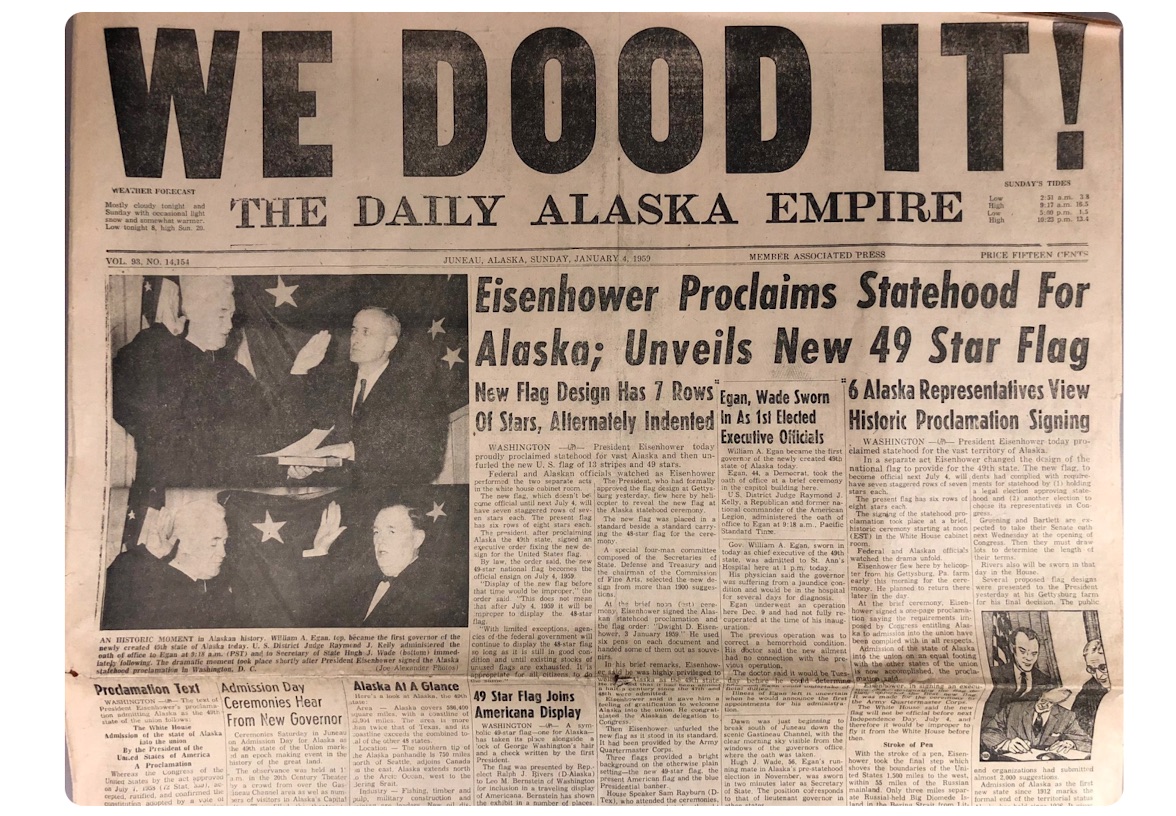
After decades of advocacy, the efforts of Alaska’s proponents finally bore fruit. The Alaska Statehood Act was passed by Congress and signed into law by President Dwight D. Eisenhower on July 7, 1958. However, the official proclamation making Alaska the 49th state was issued by President Eisenhower on January 3, 1959. This date marked a profound turning point, not just for Alaska but for the entire United States.
The impact of statehood was immediate and far-reaching. It granted Alaska full control over much of its vast land and resources, allowing for the development of its oil, gas, and mineral industries, which would later become cornerstones of its economy. It also brought significant federal investment in infrastructure, education, and healthcare, transforming the young state from a remote outpost into a modern society. The ability to elect its own senators and representatives to Congress gave Alaskans a powerful voice in national affairs, ensuring that their unique challenges and contributions were heard and addressed.
Statehood also sparked a new sense of identity and pride among residents. It represented the culmination of a long struggle for self-determination and the realization of a vision for a prosperous and self-governing future. This milestone paved the way for Alaska to develop its robust tourism industry, as its new status brought increased visibility and accessibility, inviting the world to discover its unparalleled natural beauty and adventure opportunities.
Alaska Today: A Premier Destination for Travel and Adventure
With its statehood solidified, Alaska has flourished, evolving into a world-renowned destination that captivates travelers with its epic scale, diverse ecosystems, and vibrant cultural tapestry. Today, the 49th state epitomizes the ultimate adventure, offering experiences that cater to every type of traveler, from luxury seekers to budget explorers, families, and business groups alike. Its integration into the United States has allowed for sophisticated travel infrastructure while preserving its wild essence.
Iconic Natural Landmarks and Attractions
Alaska’s primary draw lies in its breathtaking natural beauty and incredible biodiversity, making it a paradise for anyone interested in nature and outdoor activities. The state is home to some of the most famous and protected wild areas in the world.
- Denali National Park and Preserve: Home to Mount Denali, North America’s highest peak, this park is a pristine wilderness where visitors can witness grizzly bears, caribou, moose, and wolves in their natural habitat. Guided bus tours offer deep dives into the park’s interior, while hiking trails range from easy strolls to challenging backcountry expeditions. The sheer scale of the landscape and the chance to see Mount Denali on a clear day are unparalleled experiences.
- Glacier Bay National Park and Preserve: A UNESCO World Heritage Site, Glacier Bay is best explored by cruise ship or smaller boat, offering dramatic views of tidewater glaciers calving into the sea, an awe-inspiring spectacle. Whale watching, kayaking among icebergs, and observing seals, sea lions, and marine birds are highlights of a visit.
- Kenai Fjords National Park: Located near the town of Seward, this park showcases the Harding Icefield, one of the largest icefields in the United States. Boat tours provide up-close encounters with glaciers, wildlife, and stunning coastal scenery carved by ancient ice. Kayaking and hiking to the Exit Glacier are popular activities.
- The Inside Passage: This intricate network of waterways and islands along Alaska’s southeastern coast is a prime cruising destination. Towns like Juneau (the state capital), Ketchikan, and Skagway offer rich cultural experiences, access to indigenous heritage, and opportunities for whale watching, fishing, and exploring the Tongass National Forest.
- The Northern Lights: Fairbanks, located near the Arctic Circle, is one of the best places in the world to witness the mesmerizing aurora borealis, particularly from late August to April. Special tours, including heated aurora viewing lodges, enhance this magical experience.
- Katmai National Park and Preserve: Famous for its brown bears, especially at Brooks Falls, where they gather to feast on salmon. This is a bucket-list destination for wildlife photographers and nature enthusiasts.
Major cities like Anchorage serve as hubs for exploring these natural wonders. Anchorage itself offers urban amenities alongside quick access to the Chugach Mountains, providing ample opportunities for hiking, biking, and skiing.
Exploring Alaska’s Unique Culture and Lifestyle
Beyond its natural grandeur, Alaska boasts a rich tapestry of cultures and a distinctive lifestyle shaped by its frontier spirit and indigenous heritage. Tourism here is not just about sightseeing; it’s about experiencing a way of life.
- Indigenous Cultures: The state is home to numerous Alaska Native groups, whose traditions, art, and history are deeply interwoven into the fabric of the region. Cultural centers, museums, and village tours in places like Juneau, Ketchikan, and Sitka offer invaluable insights into their enduring legacy.
- Local Cuisine: Alaska is a seafood lover’s paradise, renowned for its fresh salmon, halibut, cod, and king crab. Dining experiences range from rustic fishing lodges to upscale restaurants in Anchorage and Juneau, offering unique culinary adventures. Farmers’ markets also showcase local produce and artisanal goods.
- Adventure Activities: From heli-skiing in the Chugach Mountains to dog sledding across frozen tundras, ice climbing, whitewater rafting, and sea kayaking, Alaska is the ultimate playground for adventure sports. Fishing excursions for trophy salmon and halibut are particularly popular in towns like Homer and on Kodiak Island.
- Unique Events: Seasonal festivals, such as the Iditarod Trail Sled Dog Race in March, the Alaska Folk Festival in Juneau, and various summer solstices celebrations, provide windows into the vibrant local lifestyle and community spirit.
- Lifestyle Choices: Alaska caters to a spectrum of travel lifestyles. Luxury travel includes stays at exclusive wilderness lodges, private guided tours, and gourmet dining experiences. Budget travel options are available through camping, hostels, and self-guided adventures. Family trips are well-supported with attractions like the Alaska Wildlife Conservation Center and hands-on cultural activities. Business stays in major cities combine professional amenities with opportunities for unique team-building excursions.
Accommodation and Travel Planning in the Last Frontier
Planning a trip to Alaska requires careful consideration, given its vastness and unique travel season. The state offers diverse accommodation options to suit every preference and budget, reflecting its dynamic tourism sector.
- Hotels and Resorts: Major cities like Anchorage and Fairbanks feature a range of modern hotels, from well-known chains to boutique establishments. For instance, the historic Hotel Captain Cook in Anchorage offers luxury and panoramic views. In scenic areas like Girdwood, Alyeska Resort provides year-round amenities, including skiing and spa services.
- Wilderness Lodges and Cabins: For those seeking immersion in nature, remote wilderness lodges offer unparalleled access to pristine landscapes, often with all-inclusive packages covering meals and guided activities. Charming cabins, available for rent in national forests and private lands, provide a rustic yet comfortable experience.
- Bed & Breakfasts and Guesthouses: Throughout smaller towns like Talkeetna or Seward, cozy B&Bs offer a personalized touch and local hospitality, perfect for experiencing the authentic Alaskan lifestyle.
- Cruises: Cruising remains one of the most popular ways to see Alaska, especially the Inside Passage. Cruise lines offer various itineraries, from luxury voyages with upscale amenities to expedition-style cruises focusing on active exploration and wildlife viewing. These often include stops in iconic towns and opportunities for shore excursions like glacier viewing or exploring the Mendenhall Glacier near Juneau.
- RVs and Camping: For independent adventurers, RV rentals and numerous campgrounds across the state provide the freedom to explore at one’s own pace, especially along the scenic highways that connect communities.
- Long-term Stays and Apartments: For extended visits, especially in cities, vacation rentals, and furnished apartments offer a home-away-from-home experience, ideal for remote workers or those wishing to delve deeper into local life.
Booking accommodation and activities well in advance is highly recommended, especially during the peak summer season (June to August), when demand for popular destinations, tours, and cruises is high. Travel guides specific to Alaska provide invaluable tips on navigating the vast distances, understanding local customs, and maximizing your adventure. Whether you’re flying into Anchorage, taking a ferry through the Inside Passage, or venturing into the Brooks Range for an Arctic expedition, Alaska promises an unforgettable experience.
From its strategic purchase in 1867 to its official declaration of statehood on January 3, 1959, Alaska’s journey has been one of transformation and growth. Today, this remarkable state stands as a testament to the power of nature and the resilience of human spirit, inviting travelers from every corner of the globe to explore its magnificent landscapes, discover its vibrant cultures, and create memories that will last a lifetime. Alaska is more than just a destination; it’s an experience, a grand adventure waiting to unfold.
LifeOutOfTheBox is a participant in the Amazon Services LLC Associates Program, an affiliate advertising program designed to provide a means for sites to earn advertising fees by advertising and linking to Amazon.com. Amazon, the Amazon logo, AmazonSupply, and the AmazonSupply logo are trademarks of Amazon.com, Inc. or its affiliates. As an Amazon Associate we earn affiliate commissions from qualifying purchases.