
The question of when asbestos was banned in California is more nuanced than a single date, reflecting a complex interplay of federal regulations, state-specific legislation, and evolving scientific understanding. For travelers exploring California’s rich history, iconic landmarks, and diverse accommodations, understanding the legacy of asbestos, and the robust measures put in place to manage it, offers peace of mind and a deeper appreciation for the state’s commitment to public health. While asbestos has a long and controversial history, California has consistently been at the forefront of establishing stringent rules and regulations to protect its residents and visitors from this hazardous material. This journey from widespread use to comprehensive prohibition and management is a testament to the state’s progressive environmental and health policies.
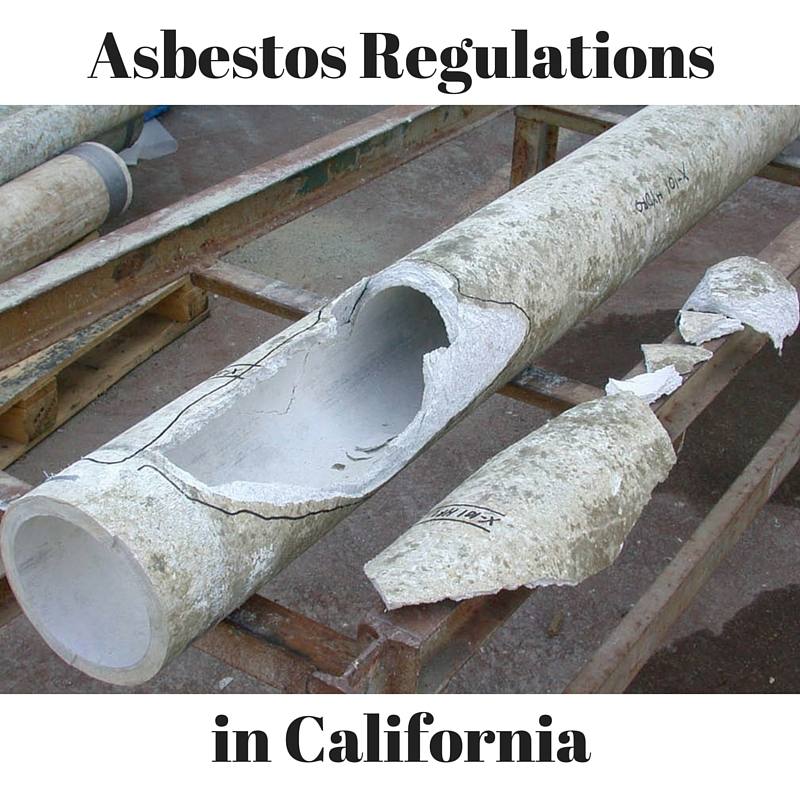
A Historical Overview of Asbestos Use in California
To truly grasp the timeline of asbestos regulation in California, it’s essential to look back at the material’s widespread appeal and the gradual emergence of its grave health risks. For much of the 20th century, asbestos was lauded as a miracle material, celebrated for its incredible heat resistance, insulating properties, and durability. These characteristics made it an indispensable component in countless construction materials, industrial products, and consumer goods. Across the United States, and particularly in rapidly developing states like California, asbestos found its way into homes, schools, commercial buildings, and infrastructure projects.
The Era of Widespread Asbestos Application
During the mid-20th century, California was experiencing unprecedented growth, particularly in its urban centers such as Los Angeles, San Francisco, and San Diego. This boom in construction, fueled by the post-war economic surge, saw asbestos integrated into virtually every type of building material imaginable. It was used in insulation for pipes and boilers, ceiling and floor tiles, roofing shingles, cement products, fireproofing sprays, and even decorative finishes. Many of the state’s historical buildings, grand hotels, and even modest residential structures built before the 1980s likely contain some form of asbestos. This ubiquity stemmed from its cost-effectiveness and superior performance characteristics, making it an attractive choice for builders and manufacturers across various industries. From shipyards in Oakland to sprawling suburban developments, asbestos was a silent, yet pervasive, component of the Californian landscape.
Early Warning Signs and Federal Actions
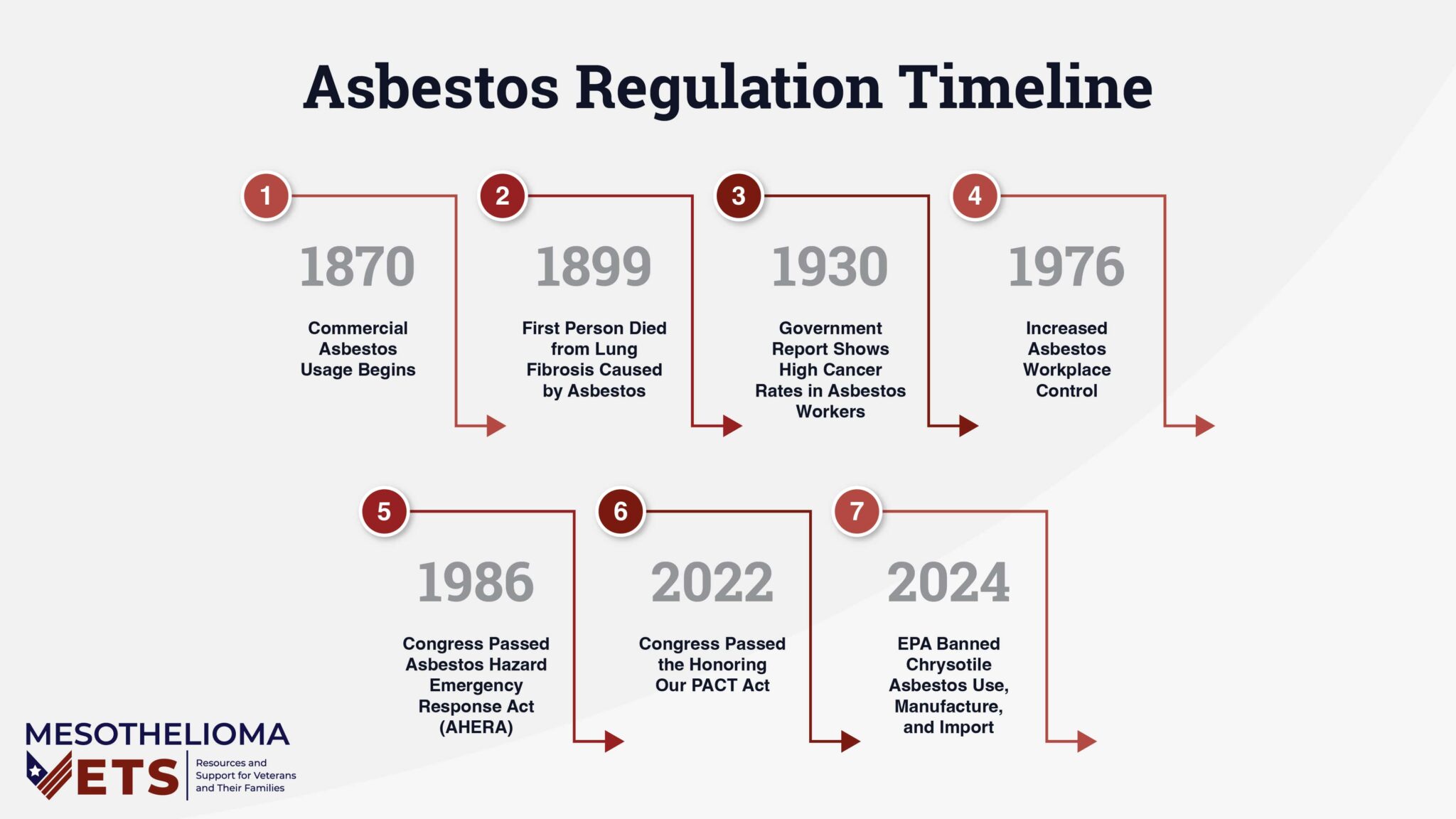
Despite its widespread use, whispers of asbestos’s dangers began to circulate much earlier than definitive bans. Medical professionals and researchers started observing a correlation between asbestos exposure and severe respiratory illnesses, including asbestosis, lung cancer, and mesothelioma, as early as the 1930s. However, it took decades for these concerns to gain significant traction and lead to regulatory action. The latency period of asbestos-related diseases often spans 20 to 50 years, making it difficult to immediately connect exposure to illness, thereby delaying legislative responses.
Federal agencies began to take notice in the late 1960s and early 1970s. The Environmental Protection Agency (EPA) and the Occupational Safety and Health Administration (OSHA) were established during this period, marking a pivotal shift towards greater environmental and workplace safety oversight. The Clean Air Act of 1970 was one of the first major federal statutes to address asbestos, listing it as a hazardous air pollutant and leading to regulations on its use in demolition and renovation projects. This marked the beginning of a gradual, but irreversible, phase-out of asbestos across the United States, laying the groundwork for more comprehensive bans that would follow at both federal and state levels. These initial steps, though not outright bans, signaled the beginning of the end for asbestos’s unrestricted use, setting the stage for California’s own robust legislative journey.
California’s Proactive Stance: Key Legislation and Milestones
While federal actions provided a baseline for asbestos regulation, California has historically distinguished itself through its proactive and often more stringent approach to environmental and public health concerns. The state’s progressive legislative framework regarding asbestos reflects a deep commitment to protecting its diverse population and valuable natural resources. Rather than waiting for comprehensive federal bans, California implemented its own set of laws and regulations that significantly curtailed asbestos use and mandated strict management protocols.
Federal Bans and State-Level Adaptations
The most significant federal attempt at a comprehensive ban occurred in 1989 when the EPA issued the Asbestos Ban and Phase-Out Rule under the Toxic Substances Control Act (TSCA). This rule aimed to ban most asbestos-containing products. However, much of this rule was overturned in 1991 by the Fifth Circuit Court of Appeals, leaving a complex regulatory landscape where some asbestos products were banned, but others remained legal. Despite this setback, the ruling affirmed bans on new uses of asbestos and maintained restrictions on several specific product categories.
In response to this fragmented federal approach, California pressed forward with its own robust measures. The state effectively banned the new installation of most asbestos-containing materials through various building codes and environmental regulations that began to take shape in the 1970s and solidified in the 1980s. While a full, blanket ban on all asbestos was not enacted on a single date, the cumulative effect of California’s laws made the use of new asbestos products virtually nonexistent. The focus shifted from an outright ban on already installed materials to strict regulations on how existing asbestos was managed, removed, and disposed of. This proactive stance meant that by the late 1980s, for all practical purposes, asbestos was no longer being actively incorporated into new construction or widespread manufacturing within the state.
Cal/OSHA and Worker Protection
A cornerstone of California’s asbestos regulation lies with Cal/OSHA (the California Occupational Safety and Health Standards Board). Recognizing the severe occupational risks associated with asbestos exposure, Cal/OSHA implemented some of the most stringent worker protection standards in the United States. These regulations, which have been continuously updated and strengthened since their inception in the 1970s, govern everything from asbestos identification and abatement procedures to training requirements for workers handling asbestos-containing materials.
Key Cal/OSHA provisions include:
- Asbestos Hazard Emergency Response Act (AHERA) equivalents: While AHERA is a federal law specifically for schools, California has extended similar stringent requirements for inspection, management plans, and abatement procedures to a broader range of public and commercial buildings.
- Permit Requirements: Specific permits are required for asbestos-related work, especially for projects involving demolition or renovation that could disturb asbestos-containing materials.
- Worker Training and Certification: All workers involved in asbestos abatement must undergo extensive training and be certified by the state, ensuring proper handling and minimizing exposure risks.
- Exposure Limits: Cal/OSHA maintains very low permissible exposure limits (PELs) for airborne asbestos fibers, significantly lower than federal standards in many instances.
These regulations ensure that even when asbestos is encountered in older structures, it is managed by highly trained professionals following strict safety protocols. This commitment to worker safety indirectly provides a layer of protection for the general public, including tourists who might visit or stay in renovated historical buildings or travel through areas where abatement work is being conducted.
Proposition 65 and Consumer Awareness
Another significant piece of California legislation impacting asbestos awareness is Proposition 65, officially known as The Safe Drinking Water and Toxic Enforcement Act of 1986. While not a direct ban on asbestos, Proposition 65 requires the state to publish a list of chemicals known to cause cancer or reproductive toxicity. Asbestos is prominently featured on this list. The law mandates that businesses must provide “clear and reasonable warnings” to Californians about exposures to such chemicals in products, homes, or workplaces.
This legislation has had a profound effect on consumer awareness and corporate responsibility within California. While you might not see warnings about asbestos in a newly built San Francisco hotel, you might encounter them in older industrial sites, renovation zones, or even in some specific products that may still contain trace amounts of asbestos from older manufacturing processes. Proposition 65 empowers consumers with knowledge, prompting businesses to reduce or eliminate harmful chemicals where possible and to inform the public when exposure risks exist. This law has significantly contributed to the overall goal of reducing asbestos exposure in California by fostering an environment of transparency and precaution.
The Ongoing Legacy: Asbestos Management and Safe Travel in California
While the active use of asbestos in new construction effectively ceased in California decades ago, its legacy endures in the built environment. This reality means ongoing vigilance and sophisticated management strategies are crucial, particularly in a state renowned for its historical landmarks, vibrant cities, and constant development. For anyone traveling or residing in California, understanding these continued efforts provides reassurance regarding safety and health.
Asbestos in Older Structures and Renovation Challenges
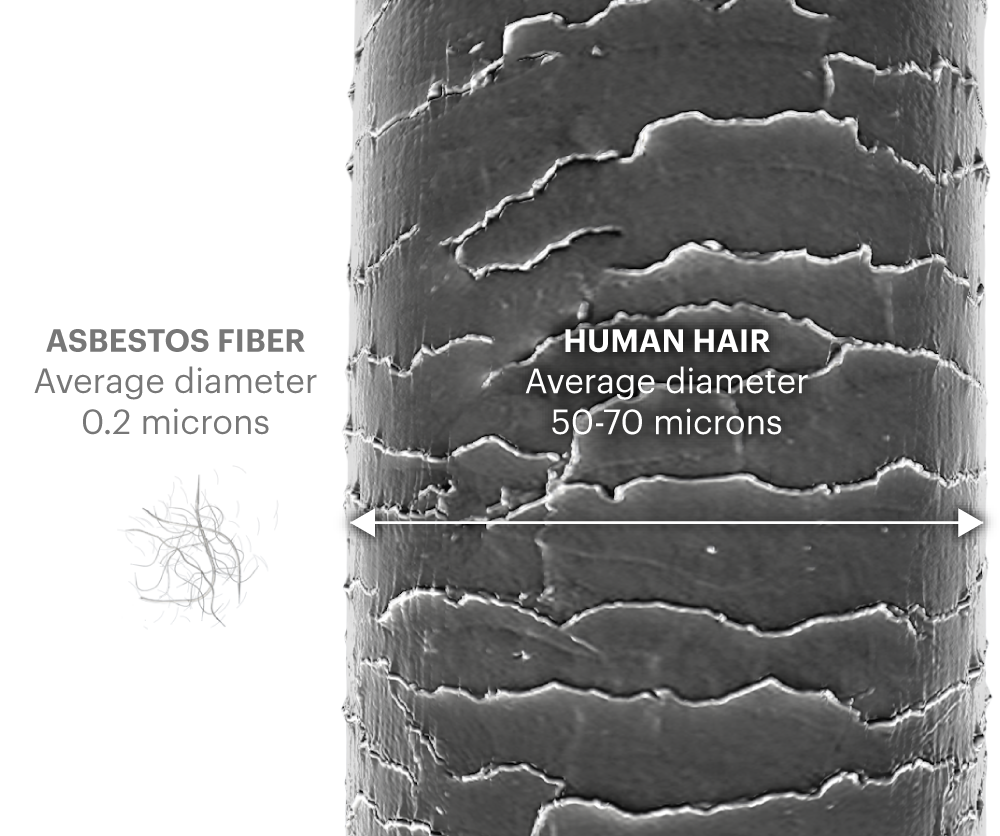
Many of California’s most cherished landmarks, bustling urban centers, and charming historical neighborhoods feature buildings constructed before the comprehensive regulations took hold. From the stately government buildings in Sacramento to the iconic Victorian homes of San Francisco and the early 20th-century hotels that dot the coastline, countless structures contain asbestos in various forms. This presence becomes particularly relevant during renovation, demolition, or remodeling projects. Disturbing asbestos-containing materials (ACMs) without proper precautions can release dangerous fibers into the air, posing significant health risks.
This challenge has spurred a highly specialized industry dedicated to asbestos abatement and management. Before any significant renovation or demolition project, especially in commercial or public buildings, thorough asbestos surveys are mandatory. If ACMs are identified, licensed and certified asbestos abatement professionals must be engaged to safely encapsulate, enclose, or remove the material following strict Cal/OSHA and EPA guidelines. This process ensures that historical integrity can be maintained while simultaneously eliminating health hazards. Many heritage sites and popular tourist destinations have undergone extensive asbestos remediation during their preservation efforts, making them safer and more sustainable for future generations to enjoy. The commitment to meticulous remediation means that California’s past can be celebrated without compromising current health and safety standards.
Ensuring Safety for California Travelers and Residents
For travelers to California, the stringent regulations surrounding asbestos mean that the risk of exposure in public places, hotels, and tourist attractions is extremely low. Modern construction in California is asbestos-free, and older buildings that have undergone significant renovations are required to have addressed any asbestos issues. California’s robust regulatory framework ensures that building owners and contractors adhere to the highest standards of safety.
When visiting historical sites, staying in boutique hotels in older districts, or exploring museums, visitors can have confidence that any asbestos issues would have been meticulously managed. The emphasis on responsible tourism and sustainable practices in California naturally extends to ensuring healthy and safe environments for everyone. The state’s dedication to public health is a significant aspect of the lifestyle enjoyed by residents and offered to visitors, contributing to the overall appeal of a destination that prioritizes wellbeing.
Looking Forward: Continuous Monitoring and Education
The fight against asbestos-related diseases is an ongoing one. Even with comprehensive bans and strict management protocols, vigilance remains key. California continues to invest in research, monitoring, and public education initiatives to further reduce the risks associated with legacy asbestos. Programs aimed at informing homeowners, particularly those in older properties, about the potential presence of asbestos and the importance of professional assessment before renovation work are vital.
The state’s commitment to continuous improvement ensures that as new scientific understanding emerges, or as new challenges arise, California will adapt its regulations to maintain the highest levels of protection. For a state that prides itself on innovation and environmental stewardship, this proactive approach to public health is not merely a legal obligation but a core tenet of its identity. Whether you are exploring the vibrant streets of Los Angeles, hiking in its pristine natural parks, or enjoying the world-class amenities of its many resorts, the comprehensive efforts to manage and mitigate asbestos risks ensure that your California experience is not only memorable but also safe and healthy.