
The vibrant city of Boston, a cornerstone of American history and a modern hub of innovation, culture, and education, holds a profound place in the narrative of the United States. Its cobbled streets, revolutionary landmarks, and iconic waterfront tell a story that began nearly four centuries ago. For travelers planning a visit to this captivating destination, understanding its origins adds a rich layer of appreciation to every experience, from walking the Freedom Trail to savoring a bowl of clam chowder. So, when exactly was this venerable city established? The precise moment can be pinpointed to September 7, 1630 (under the Julian calendar then in use, which translates to September 17, 1630, in the modern Gregorian calendar), when the nascent settlement was officially named Boston by the Puritan colonists who had recently arrived from England. This single act marked the formal birth of a city that would grow to become a crucible of revolution, a beacon of intellectual thought, and a cherished destination for millions seeking to explore America’s past and present.
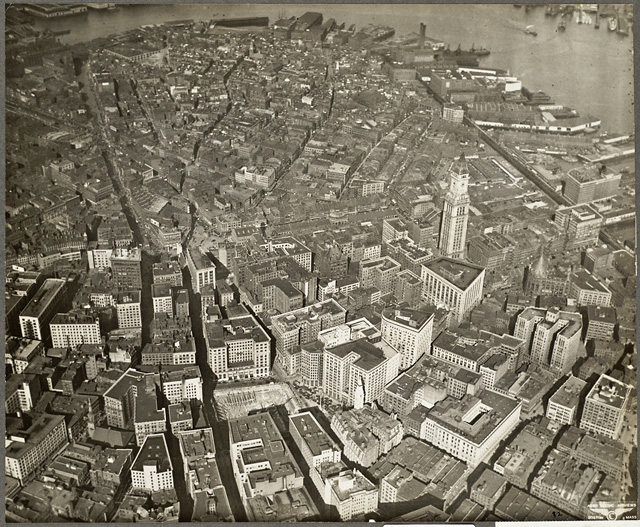
This article delves into the fascinating early days of Boston, tracing the steps of its founders, exploring the reasons behind its strategic location, and charting its transformation from a fledgling colonial outpost into a bustling metropolitan area. Beyond its historical roots, we will also explore what makes Boston an unparalleled travel destination today, offering insights into its top attractions, diverse accommodation options, and unique lifestyle experiences, perfect for any traveler looking to immerse themselves in a city where history truly comes alive.
The Founding Moment: A Deep Dive into Early Boston
The establishment of Boston was not a spontaneous event but the culmination of a significant migratory movement driven by religious dissent and the promise of a new life. The story begins across the Atlantic, with a group of English Puritans seeking to escape religious persecution under King Charles I and the Church of England.
The Arrival of the Puritans
In 1629, a group of investors and Puritan leaders formed the Massachusetts Bay Company, obtaining a royal charter to establish a colony in New England. Their vision was to create a “city upon a hill,” a model Christian community that would serve as an example for the world. In the spring of 1630, a fleet of eleven ships, carrying over 1,000 colonists, set sail from England as part of what would later be known as the Great Migration. Led by Governor John Winthrop, a lawyer and devout Puritan, this expedition was far larger and better organized than previous colonial ventures.
Upon their arrival in June 1630, the initial landing near present-day Salem proved unsuitable due to a lack of fresh water and fertile land. The colonists, facing harsh conditions and illness, began exploring the surrounding coastline for a more viable settlement. Their search led them to a distinct geographical feature that would become the heart of their new world.
Choosing the Shawmut Peninsula
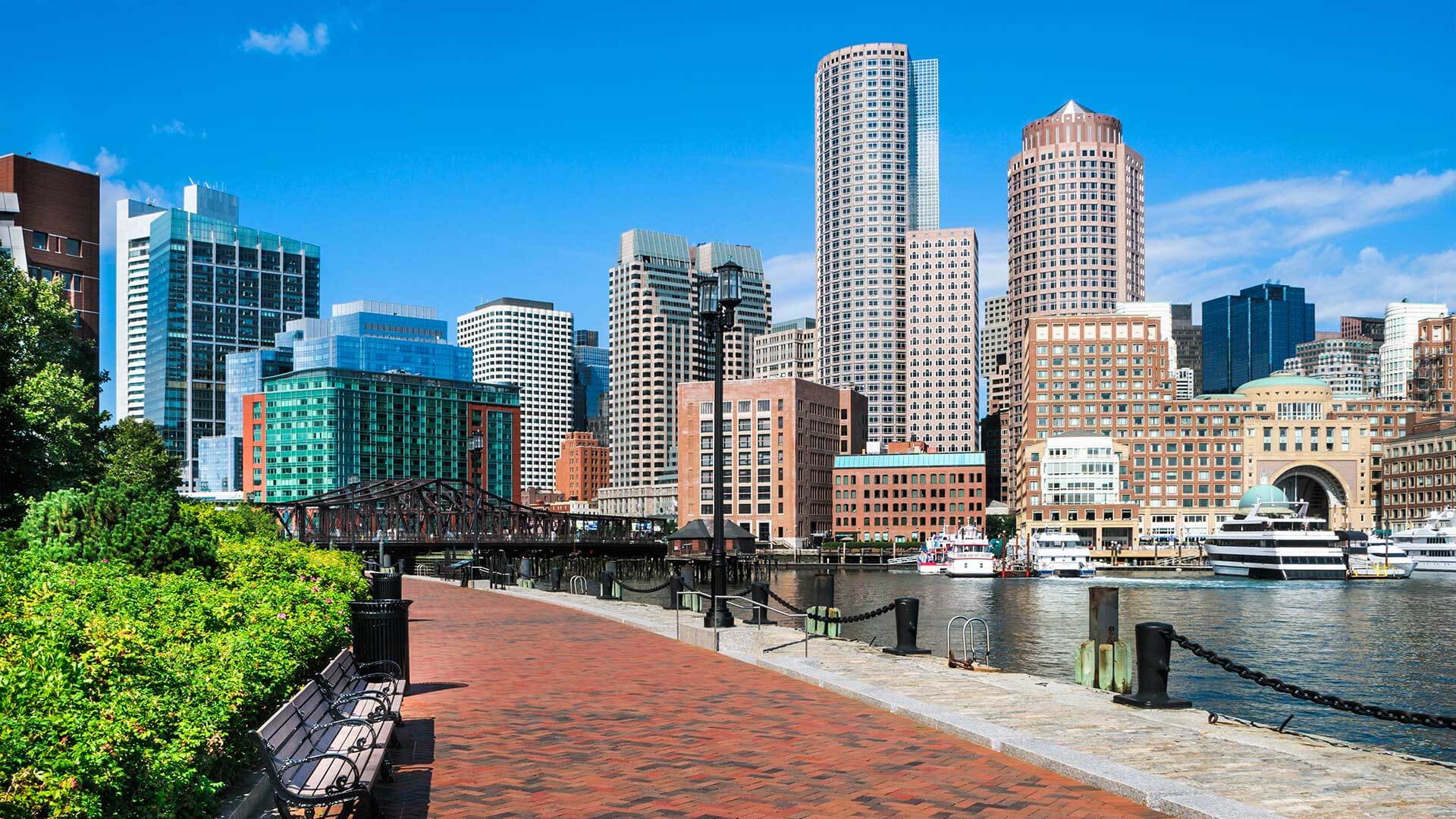
The key to Boston’s successful establishment was the selection of the Shawmut Peninsula. This pear-shaped piece of land, connected to the mainland by a narrow neck, offered several crucial advantages. It was strategically defensible, surrounded by water on three sides, and, most importantly, had a natural spring providing a reliable source of fresh water. The peninsula was already inhabited by a solitary English settler, William Blaxton (also spelled Blackstone), who had lived there peacefully among the native Massachusett people for several years. Blaxton, recognizing the colonists’ desperate need for water, invited Winthrop and his company to settle on the peninsula in exchange for a piece of land on the mainland. This fortuitous encounter set the stage for the formal founding.
The decision to settle on the Shawmut Peninsula was practical and forward-thinking. Its natural harbor offered excellent potential for trade and maritime activity, which would become central to Boston’s economic prosperity. The initial settlement efforts focused on building basic shelters, establishing a governance structure, and coping with the inevitable challenges of colonial life, including disease and scarcity.
Naming the New Settlement
With a suitable location secured, the colonists moved to formally name their fledgling town. On September 7, 1630, at a meeting of the Massachusetts Bay Company’s court, the settlement on the Shawmut Peninsula was officially christened “Boston.” The name was chosen in honor of Boston, Lincolnshire, a town in England from which many of the prominent Puritan colonists, including John Cotton (a key minister), had originated.
Initially, the peninsula had been known to some as “Trimountaine” due to its three prominent hills, two of which were later flattened during subsequent development. However, the adoption of “Boston” solidified its identity and underscored the settlers’ connection to their English roots while simultaneously forging a new destiny in the New World. This act officially established the city we know today, setting it on a path to becoming one of the most historically significant urban centers in the United States.

Boston’s Enduring Legacy: From Colony to Crucible of Revolution
From its humble beginnings as a Puritan outpost, Boston rapidly grew in influence and importance, evolving into a commercial powerhouse and, crucially, a hotbed of revolutionary sentiment that would ultimately ignite the fight for American independence.
Early Colonial Growth and Challenges
In the decades following its establishment, Boston flourished. Its natural harbor quickly became a bustling port, facilitating trade in fish, timber, furs, and agricultural products with England and the West Indies. The town’s population swelled as more colonists arrived, drawn by the economic opportunities and the promise of religious freedom, albeit a freedom often exclusive to Puritan beliefs. By the late 17th century, Boston was the largest town in British North America, a testament to its strategic location and the industriousness of its inhabitants.
However, growth was not without its challenges. The strict Puritanical laws often led to social unrest and dissent, famously exemplified by the banishment of figures like Anne Hutchinson and Roger Williams. The town also faced external threats, including conflicts with Native American tribes and, later, increasing tensions with the British Crown over trade policies and governance.
A Hotbed of Revolutionary Spirit
It was in the mid-18th century that Boston truly earned its reputation as the “Cradle of Liberty.” The economic policies imposed by the British Parliament, such as the Stamp Act and the Townshend Acts, disproportionately affected Boston’s merchants and citizens, fueling widespread resentment. The city became the epicenter of colonial resistance, a place where influential patriots like Samuel Adams, John Hancock, and Paul Revere openly challenged British authority.
Key events that defined the prelude to the American Revolution all unfolded on Boston’s streets:
- The Boston Massacre (1770): A confrontation between British soldiers and a crowd of Bostonians that resulted in the deaths of five colonists, widely propagandized as a brutal act of oppression.
- The Boston Tea Party (1773): A daring act of defiance where colonists, disguised as Native Americans, dumped chests of British tea into Boston Harbor to protest taxation without representation.
- Paul Revere’s Ride (1775): The famous midnight ride to warn colonial militias of advancing British troops, preceding the battles of Lexington and Concord.
- The Battle of Bunker Hill (1775): Though a tactical victory for the British, this fierce battle demonstrated the tenacity of the colonial forces, proving they could stand against the formidable British army.
These pivotal moments solidified Boston’s role as the birthplace of American independence, etching its name permanently into the annals of global history. Its legacy continues to resonate, drawing visitors who wish to walk in the footsteps of heroes and immerse themselves in the very origins of the United States.
Experiencing Historic Boston Today: A Travel Guide
For modern travelers, Boston offers an unparalleled blend of historical immersion, vibrant culture, and contemporary urban appeal. Its rich history, accessible landmarks, and diverse offerings make it an ideal destination for history buffs, families, foodies, and art enthusiasts alike.
Walking the Freedom Trail
No visit to Boston is complete without embarking on the Freedom Trail. This 2.5-mile-long red-brick path winds through downtown Boston, connecting 16 historically significant sites that tell the story of the American Revolution. Walking the trail is a journey back in time, allowing visitors to experience firsthand the places where monumental events unfolded.
Key stops along the Freedom Trail include:
- Boston Common: The oldest city park in the United States, used for public gatherings, cattle grazing, and even executions in colonial times.
- Massachusetts State House: Designed by Charles Bulfinch, its gilded dome is a distinctive feature of the Boston skyline.
- Park Street Church: Known for its role in the abolitionist movement and the first public singing of “My Country, ‘Tis of Thee.”
- Granary Burying Ground: The final resting place of notable figures like Paul Revere, Samuel Adams, John Hancock, and the victims of the Boston Massacre.
- King’s Chapel & Burying Ground: The first Anglican church in Boston and its adjacent cemetery.
- Old South Meeting House: Where thousands of colonists gathered to protest British policies, leading to the Boston Tea Party.
- Old State House: The seat of colonial government and the site of the Boston Massacre just outside its doors.
- Faneuil Hall: Known as the “Cradle of Liberty,” where colonists debated British rule. Today, it hosts shops and restaurants.
- Paul Revere House: The oldest house in downtown Boston, offering a glimpse into colonial life.
- Old North Church: “One if by land, and two if by sea” – the church where Paul Revere signaled the approach of British troops.
- USS Constitution & Bunker Hill Monument: Commemorating the famous naval vessel and the significant battle of the revolution.
Iconic Landmarks and Attractions Beyond the Trail
While the Freedom Trail is a must-do, Boston offers a wealth of other attractions. Explore the charming streets of Beacon Hill, famous for its gas lamps and federal-style row houses. Stroll through the elegant Public Garden, home to the iconic Swan Boats. Indulge in shopping on Newbury Street in the Back Bay neighborhood.
For art lovers, the Museum of Fine Arts and the unique Isabella Stewart Gardner Museum offer world-class collections. Families will enjoy the New England Aquarium and the Boston Children’s Museum. Sports enthusiasts can catch a Red Sox game at historic Fenway Park. A short trip across the Charles River leads to Cambridge, home to prestigious institutions like Harvard University and the Massachusetts Institute of Technology (MIT).
Where to Stay: Accommodations for Every Traveler
Boston boasts a diverse range of accommodations, catering to every budget and travel style. From luxurious hotels with historic grandeur to boutique stays and budget-friendly options, the city ensures a comfortable base for your adventures.
- Luxury Hotels: For those seeking opulence, options like the Four Seasons Hotel Boston overlooking the Public Garden, The Ritz-Carlton, Boston Common, or the historic Omni Parker House (the longest continuously operating hotel in the U.S.) offer unparalleled service and amenities. The recently renovated The Langham Boston also provides an elegant experience in a prime location.
- Boutique and Mid-Range: Neighborhoods like the Back Bay and Beacon Hill are home to charming boutique hotels, often housed in beautifully preserved brownstones. The Hotel Commonwealth in Kenmore Square offers a blend of luxury and local charm, while The Verb Hotel near Fenway Park provides a unique, retro-inspired experience.
- Budget-Friendly Options: Hostels, guesthouses, and hotels further from the city center (easily accessible via the MBTA, Boston’s public transit system) provide more economical choices without sacrificing comfort. Consider hotels in areas like Everett or Revere for competitive rates.
Booking in advance, especially during peak seasons (summer and fall foliage), is highly recommended to secure the best rates and locations. Many hotels offer family suites or apartments, perfect for extended stays or those traveling with children, blending the convenience of a hotel with the comforts of home.
Culinary Delights and Local Culture
Boston’s culinary scene is as rich and diverse as its history. No visit is complete without sampling classic New England fare. Indulge in a hearty bowl of creamy clam chowder, fresh lobster rolls, or steamed Boston lobster. For a taste of the city’s Italian heritage, explore the bustling streets of the North End, Boston’s oldest residential neighborhood, brimming with authentic Italian restaurants, bakeries (don’t miss a cannoli!), and cafes.
Beyond traditional dishes, Boston boasts a thriving modern culinary landscape, from upscale dining establishments to casual gastropubs and vibrant food markets. The city’s many breweries and distilleries also offer tours and tastings, showcasing local craft beverages. Immerse yourself in the local culture by catching a performance at the Boston Opera House or Citi Performing Arts Center, or exploring the vibrant arts scene in neighborhoods like the Seaport District.
Planning Your Boston Journey: Tips and Lifestyle
Boston is a remarkably walkable city, particularly its historic core. However, understanding its transportation network and how to tailor your trip to your lifestyle can significantly enhance your experience.
Navigating the City
The best way to experience Boston’s historic neighborhoods is on foot. Most of the Freedom Trail sites are within easy walking distance of each other. For longer distances or to reach attractions further afield, the MBTA, affectionately known as “the T,” offers a comprehensive subway, bus, and commuter rail system. Purchasing a CharlieCard or CharlieTicket is advisable for convenient travel. Water taxis and ferries provide scenic routes across Boston Harbor and to nearby islands. While driving is possible, traffic can be heavy, and parking expensive, so public transport, ride-sharing, or taxis are generally recommended.
Tailoring Your Trip: Luxury, Budget, and Family Options
- Luxury Travel: Boston offers sophisticated luxury experiences, from high-end shopping on Newbury Street to gourmet dining and stays in five-star hotels. Consider a private guided tour of the Freedom Trail or a sunset cruise on the Charles River for an elevated experience.
- Budget Travel: Travelers on a budget can still enjoy Boston without breaking the bank. Many museums offer free admission days or discounted entry. Enjoy picnics on Boston Common or in the Public Garden, explore the North End on a self-guided food tour, and take advantage of the efficient public transportation. Look for hotel deals outside the immediate city center or consider hostels for accommodation.
- Family Trips: Boston is fantastic for families, with numerous kid-friendly attractions. The Children’s Museum, New England Aquarium, and the Museum of Science offer interactive learning. Many Freedom Trail sites have engaging programs for children, and duck boat tours provide a fun and informative overview of the city. Accommodations with suites or kitchenettes can be particularly helpful for families.
In conclusion, Boston’s establishment on that fateful day in September 1630 laid the groundwork for a city of immense historical and cultural significance. From its pivotal role in the birth of a nation to its present-day status as a dynamic global city, Boston continues to captivate visitors with its blend of old-world charm and modern vibrancy. Whether you are delving into its revolutionary past, enjoying its world-class cuisine, or simply soaking in the atmosphere of its distinctive neighborhoods, a trip to Boston is an immersive experience that connects you directly to the heart of American history. Plan your journey, walk its historic streets, and discover for yourself why this enduring city remains an unforgettable destination.
LifeOutOfTheBox is a participant in the Amazon Services LLC Associates Program, an affiliate advertising program designed to provide a means for sites to earn advertising fees by advertising and linking to Amazon.com. Amazon, the Amazon logo, AmazonSupply, and the AmazonSupply logo are trademarks of Amazon.com, Inc. or its affiliates. As an Amazon Associate we earn affiliate commissions from qualifying purchases.