
The vibrant city of Boston, a cornerstone of American history and culture, officially came into existence on September 17, 1630. This pivotal date marks the establishment of the settlement by Puritan colonists from England, led by John Winthrop, who served as the governor of the fledgling Massachusetts Bay Colony. While the area had seen earlier transient European presence and, of course, millennia of indigenous habitation, it was this formal act of settlement that laid the foundation for one of the most historically significant cities in the United States.
Understanding the precise moment of Boston’s founding is to delve into a story of religious conviction, arduous journeys across the Atlantic, and the challenging yet determined effort to forge a new society in the North America wilderness. For travelers and history enthusiasts alike, comprehending these origins enriches any visit, transforming mere sightseeing into an immersive journey through the epochs that shaped a nation. From its early days as a modest Puritan village to its pivotal role in the American Revolution and its subsequent evolution into a modern global city, Boston’s foundation is the bedrock upon which its compelling narrative is built. This article will explore the historical context, the key figures involved, the initial challenges faced, and how these foundational moments continue to resonate in Boston’s identity today, offering invaluable insights for anyone planning to travel and experience this unique destination.
The Seeds of a New World: Pre-Colonial and Early European Encounters
Before the Puritans set foot on its shores, the land that would become Boston was far from empty. It was a thriving ecosystem supporting indigenous populations for thousands of years, and had also been intermittently explored by European navigators. These earlier interactions set the stage for the definitive founding of the city.
The Indigenous Landscape
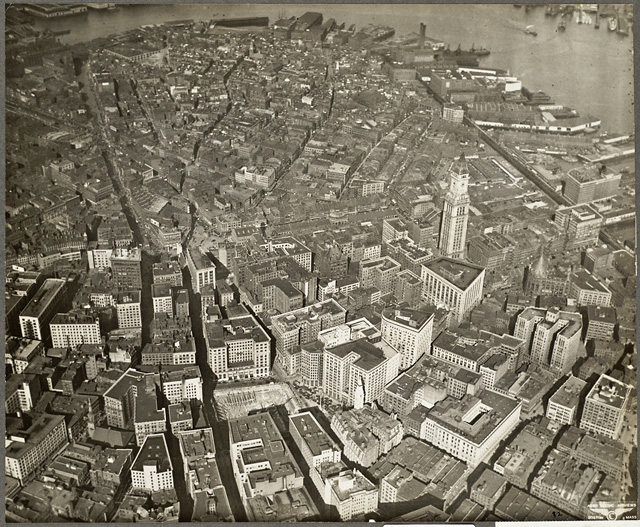
For millennia, the Shawmut Peninsula – the landmass around which Boston was initially centered – was the traditional territory of the Massachusett people. They were part of the larger Algonquian-speaking groups that inhabited what is now Massachusetts. Their way of life was deeply connected to the land and sea, utilizing the abundant natural resources of Boston Harbor, its rivers, and surrounding forests for fishing, hunting, and agriculture. The topography of the peninsula, originally characterized by three distinct hills, provided natural defenses and strategic vantage points, making it an attractive location long before European colonization. The Massachusett people had well-established trade routes and intricate social structures, demonstrating a sophisticated civilization that thrived for generations. Their presence, though often overshadowed in early colonial narratives, is an integral part of Boston’s earliest history, representing the first inhabitants and stewards of this remarkable land.
First European Explorations
European contact with the shores of North America began long before the Puritans arrived. Norse explorers like Leif Erikson may have touched these lands around 1000 AD, though definitive proof of their presence specifically in the Boston area is elusive. More certainly, by the 16th and early 17th centuries, various European explorers, including those from England, France, and the Netherlands, charted the New England coastline. These early voyages were primarily driven by desires for fishing grounds, fur trade, and the elusive Northwest Passage.
For instance, Captain John Smith, a prominent figure in the Virginia Colony, extensively explored and mapped the New England coast in 1614. He named several locations, though not Boston itself, and his accounts helped popularize the region, drawing further interest from European powers. These early explorers often had mixed interactions with the indigenous peoples, sometimes trading, sometimes clashing, and inadvertently introducing diseases that would tragically decimate native populations, significantly altering the demographic landscape of the region prior to mass European settlement. It was into this complex, already-changing environment that the Puritan colonists eventually sailed.
The Puritan Vision: Establishing the Massachusetts Bay Colony
The true catalyst for Boston’s founding was the arrival of the Puritans, a group of English Protestants seeking religious freedom and the opportunity to establish a society based on their strict Calvinist beliefs. Their journey marked the beginning of a significant chapter in colonial North America, distinct from the earlier Plymouth Colony founded by the Pilgrims in 1620.
John Winthrop and the Great Migration
The Massachusetts Bay Colony was chartered in 1629 by King Charles I of England. Unlike previous colonial ventures, the charter of the Massachusetts Bay Company allowed for its governing body to reside in the colony itself, rather than in England. This crucial detail granted the Puritans an unprecedented level of self-governance, enabling them to realize their vision of a “city upon a hill” – a model Christian society.
The leader of this ambitious undertaking was John Winthrop, a lawyer and deeply devout Puritan who was elected governor of the colony. In the spring of 1630, Winthrop embarked on a journey across the Atlantic with a fleet of eleven ships, carrying approximately 700 colonists. This event was a major part of what historians call the Great Migration, where tens of thousands of Puritans left England for New England throughout the 1630s and 1640s. Winthrop and his immediate party initially landed at Salem in June 1630, which had been settled a year earlier. However, Salem’s limited fresh water supply and other challenges prompted them to seek a more suitable location for their primary settlement.
After exploring various sites, Winthrop and his group found their ideal spot on the Shawmut Peninsula. They were guided by William Blaxton (often spelled Blackstone), an eccentric Anglican clergyman who had been living on the peninsula alone for several years, having arrived prior to the Puritans. Blaxton highlighted the peninsula’s excellent spring water and strategic location, prompting Winthrop to move the primary seat of the colony there. Thus, on September 17, 1630, the settlers officially established their new town on the peninsula, which was then formally named Boston. This marked the culmination of a long voyage and the beginning of a new social and religious experiment.

Naming the New Settlement
The decision to name the new settlement “Boston” was not arbitrary; it was a deliberate choice reflecting the strong ties many of the early settlers had to their homeland in England. Many of the prominent figures in the Massachusetts Bay Company, including John Winthrop himself, hailed from or had significant connections to the town of Boston in Lincolnshire, England.
The English town of Boston was a notable port and a hotbed of Puritan sentiment during the early 17th century. It was a place where many future colonists faced persecution for their religious beliefs. By naming their new home in North America after their former home, the Puritans sought to maintain a sense of continuity and honor their origins, while simultaneously signaling a fresh start. It was a symbolic gesture, linking their past struggles with their future aspirations for a Puritan commonwealth. This connection underscored their identity as English subjects seeking to purify the Church of England rather than separate from it entirely (as the Pilgrims had initially intended). The name “Boston” thus became a testament to their heritage and their enduring hope for a society built on religious principles.
Boston’s Enduring Legacy: From Colonial Hub to Modern Metropolis
From its humble beginnings as a Puritan outpost, Boston rapidly grew in influence, becoming a central player in colonial affairs and eventually, the crucible of the American Revolution. This profound historical journey has shaped its character, making it an exceptional destination for travelers seeking both depth and discovery.
Cradle of Liberty and Beyond
The strategic location of the Shawmut Peninsula, with its access to the sea and navigable rivers, quickly made Boston a bustling port and a crucial center for trade, shipbuilding, and fishing. Its rapid economic growth was matched by its intellectual and political development. The Puritans’ strong emphasis on education led to the founding of Harvard University in nearby Cambridge in 1636, making it the oldest institution of higher learning in the United States. This commitment to learning fostered a vibrant intellectual environment, attracting thinkers and revolutionaries.
By the mid-18th century, Boston was one of the largest and most prosperous cities in British North America, but it was also a hotbed of discontent against British rule. The city became the focal point for many of the events that ignited the American Revolution:
- The Boston Massacre (1770), where British soldiers fired on a crowd of colonists.
- The Boston Tea Party (1773), a defiant act of protest against British taxation, led by figures like Samuel Adams.
- The Battle of Bunker Hill (1775), an early major engagement of the war, though technically fought on Breed’s Hill in Charlestown.
- Paul Revere’s Midnight Ride, warning colonists of advancing British troops.
Figures like Paul Revere, Samuel Adams, and John Hancock became synonymous with the cause of liberty, solidifying Boston’s reputation as the “Cradle of Liberty.” After the Revolution, Boston continued to prosper as a major economic and cultural center, leading the nation in industrialization, particularly in textiles and shoe manufacturing. It became a hub for innovation, attracting immigrants from around the world, and fostering a diverse cultural landscape. Today, Boston remains a global leader in education, biotechnology, finance, and medicine, while fiercely preserving its rich historical narrative.
Experiencing Historic Boston Today
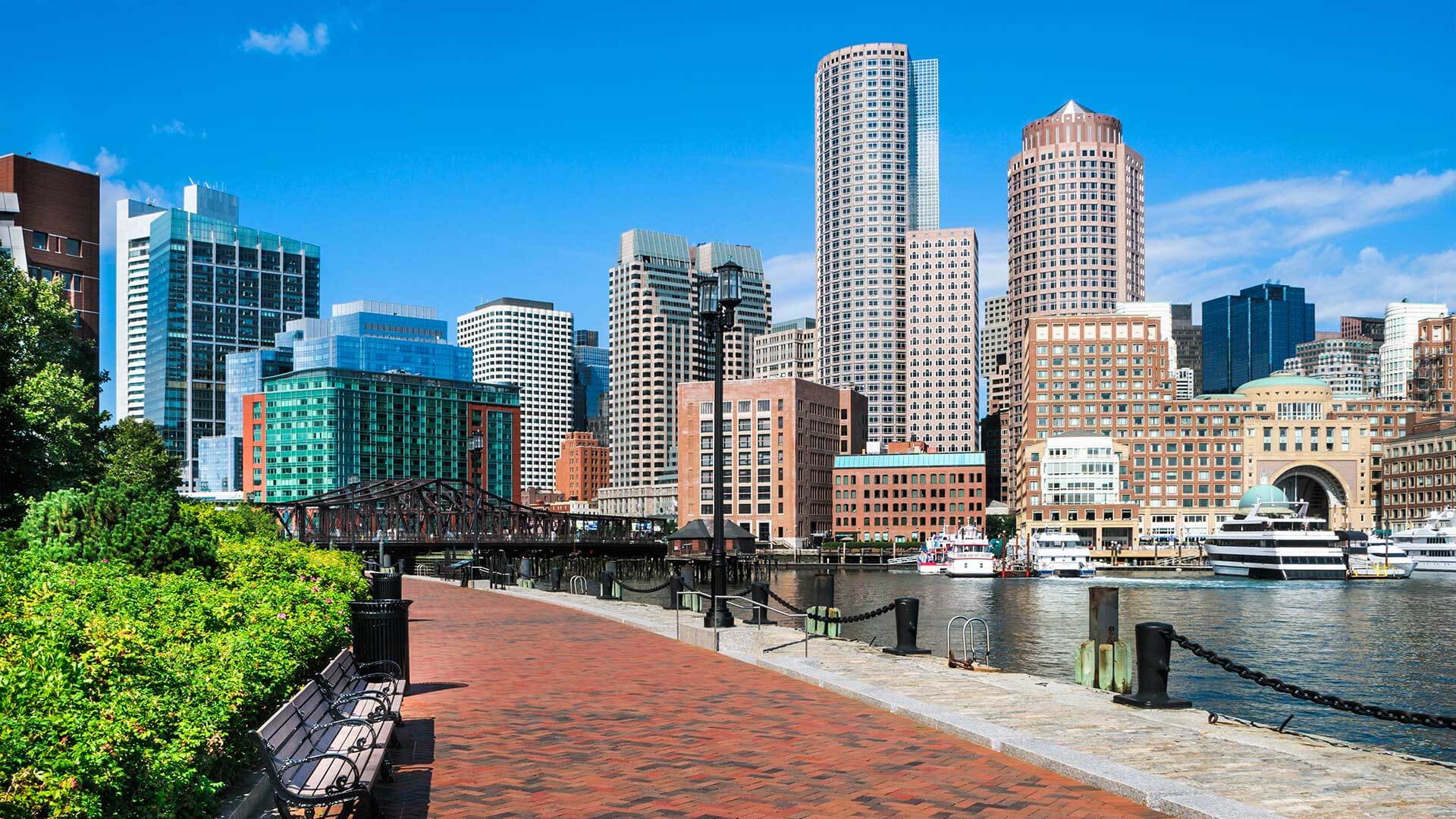
For travelers, Boston’s deeply rooted history is its primary allure, making it a living museum waiting to be explored. The seamless blend of meticulously preserved colonial architecture and gleaming modern skyscrapers tells a story of evolution and resilience. Visitors can literally walk in the footsteps of founding fathers and revolutionaries, tracing the paths that shaped a nation. The city’s commitment to preserving its past while embracing the future makes it a unique destination, appealing to history buffs, culture seekers, and modern urban explorers alike. Tourism in Boston is not just about seeing old buildings; it’s about connecting with the very genesis of the United States. From guided tours that bring historical events to life to immersive museum experiences, the opportunities to engage with Boston’s legacy are endless.
Planning Your Journey: Travel, Accommodation, and Lifestyle in Historic Boston
A trip to Boston offers an unparalleled blend of historical discovery, cultural immersion, and modern urban amenities. Whether you’re planning a family vacation, a romantic getaway, or a solo adventure, Boston’s diverse offerings cater to every type of traveler.
Immerse Yourself in History: Must-Visit Landmarks and Attractions
The founding of Boston and its subsequent history are vividly alive in its numerous landmarks. The most iconic way to experience this is by walking the Freedom Trail, a 2.5-mile red-lined path that winds through downtown Boston, connecting 16 historically significant sites.
Key stops on the Freedom Trail and other notable historical sites include:
- Boston Common: The oldest city park in the United States, dating back to 1634, originally used for grazing cattle and public hangings. It’s a fantastic starting point to explore the city.
- Faneuil Hall: Known as the “Cradle of Liberty,” this marketplace and meeting hall hosted fiery speeches by revolutionaries like Samuel Adams. Today, Quincy Market nearby offers a vibrant food scene.
- Old North Church: Famous for the “one if by land, two if by sea” signal that initiated Paul Revere’s ride. Its architecture and historical significance are breathtaking.
- Paul Revere House: The oldest house in downtown Boston, offering a glimpse into colonial life.
- USS Constitution: The world’s oldest commissioned warship afloat, docked in Charlestown Navy Yard.
- Bunker Hill Monument: Commemorates the Battle of Bunker Hill, offering panoramic views of the city.
- Boston Tea Party Ships & Museum: An interactive museum recreating the famous protest that sparked the Revolution.
Beyond the Freedom Trail, Boston boasts a wealth of cultural institutions. Art lovers can explore the Museum of Fine Arts or the unique Isabella Stewart Gardner Museum, while families will enjoy the Museum of Science and the New England Aquarium. Sports enthusiasts can catch a game at iconic Fenway Park, home to the Boston Red Sox. Don’t forget to wander through charming neighborhoods like Beacon Hill with its gas lamps and cobblestone streets, or the historic North End, Boston’s oldest residential community and a vibrant Italian enclave.
Finding Your Perfect Stay: Hotels and Accommodation
Boston’s robust tourism industry means there’s an accommodation option for every preference and budget. From luxurious boutique hotels to comfortable budget-friendly stays, the city offers a wide range of choices.
- Luxury Travel: For those seeking an indulgent experience, Boston features world-class hotels in prime locations. Upscale options can be found near Copley Square, along the waterfront, or nestled in the sophisticated Beacon Hill neighborhood. These hotels often boast amenities such as fine dining, spas, and concierge services to enhance your stay.
- Boutique Hotels: Several charming boutique hotels offer unique character and personalized service, often housed in historic buildings that reflect Boston’s heritage.
- Mid-Range and Budget Travel: Travelers on a more modest budget will find numerous options, particularly near the Theater District, Fenway Park, or slightly outside the immediate downtown area. Many offer excellent value without compromising on comfort or accessibility to public transport.
- Apartments and Long-Term Stays: For extended visits or those preferring a home-away-from-home experience, serviced apartments and vacation rentals are available throughout the city, offering kitchenettes and more space. This can be ideal for family trips or business stays.
- Resorts: While not a traditional resort destination, some hotels offer resort-like amenities, particularly those on the waterfront or with extensive wellness facilities.
Booking in advance, especially during peak season (spring and fall), is highly recommended to secure the best rates and availability. Utilizing online booking platforms and review sites can help compare options and find the perfect match for your travel style.
A Taste of Boston: Local Culture and Cuisine
Exploring Boston is not complete without savoring its distinctive local culture and cuisine. The city’s maritime history and diverse immigrant populations have created a rich culinary scene. Indulge in fresh seafood, particularly clam chowder and lobster rolls, which are staples of any Boston experience. The North End is a must-visit for authentic Italian food, from exquisite pasta dishes to legendary pastries. Beyond traditional fare, Boston boasts a vibrant fine dining scene, trendy cafes, and craft breweries, reflecting its modern culinary evolution.
Culturally, Boston offers much more than history. Its robust performing arts scene includes Broadway shows, live music venues, and classical performances. The city’s numerous universities, like Harvard University and Massachusetts Institute of Technology (MIT), contribute to a youthful, innovative energy that balances its historical gravitas. Exploring the vibrant cultural districts, like the artistic South End or the upscale boutiques of Newbury Street, offers a different perspective on Boston’s multifaceted lifestyle. For those interested in deeper social history, the Black Heritage Trail provides a powerful journey through the history of African Americans in Boston, predating the Civil War.
In conclusion, the founding of Boston on September 17, 1630, by John Winthrop and his Puritan colonists, was a seminal moment that shaped not only a city but a nation. Its rich historical tapestry, from indigenous roots to colonial struggles and revolutionary fervor, makes it an endlessly fascinating destination. For any traveler, understanding “When Was Boston Founded?” unlocks a deeper appreciation for its landmarks, culture, and the enduring spirit that continues to define this remarkable American metropolis.
LifeOutOfTheBox is a participant in the Amazon Services LLC Associates Program, an affiliate advertising program designed to provide a means for sites to earn advertising fees by advertising and linking to Amazon.com. Amazon, the Amazon logo, AmazonSupply, and the AmazonSupply logo are trademarks of Amazon.com, Inc. or its affiliates. As an Amazon Associate we earn affiliate commissions from qualifying purchases.