
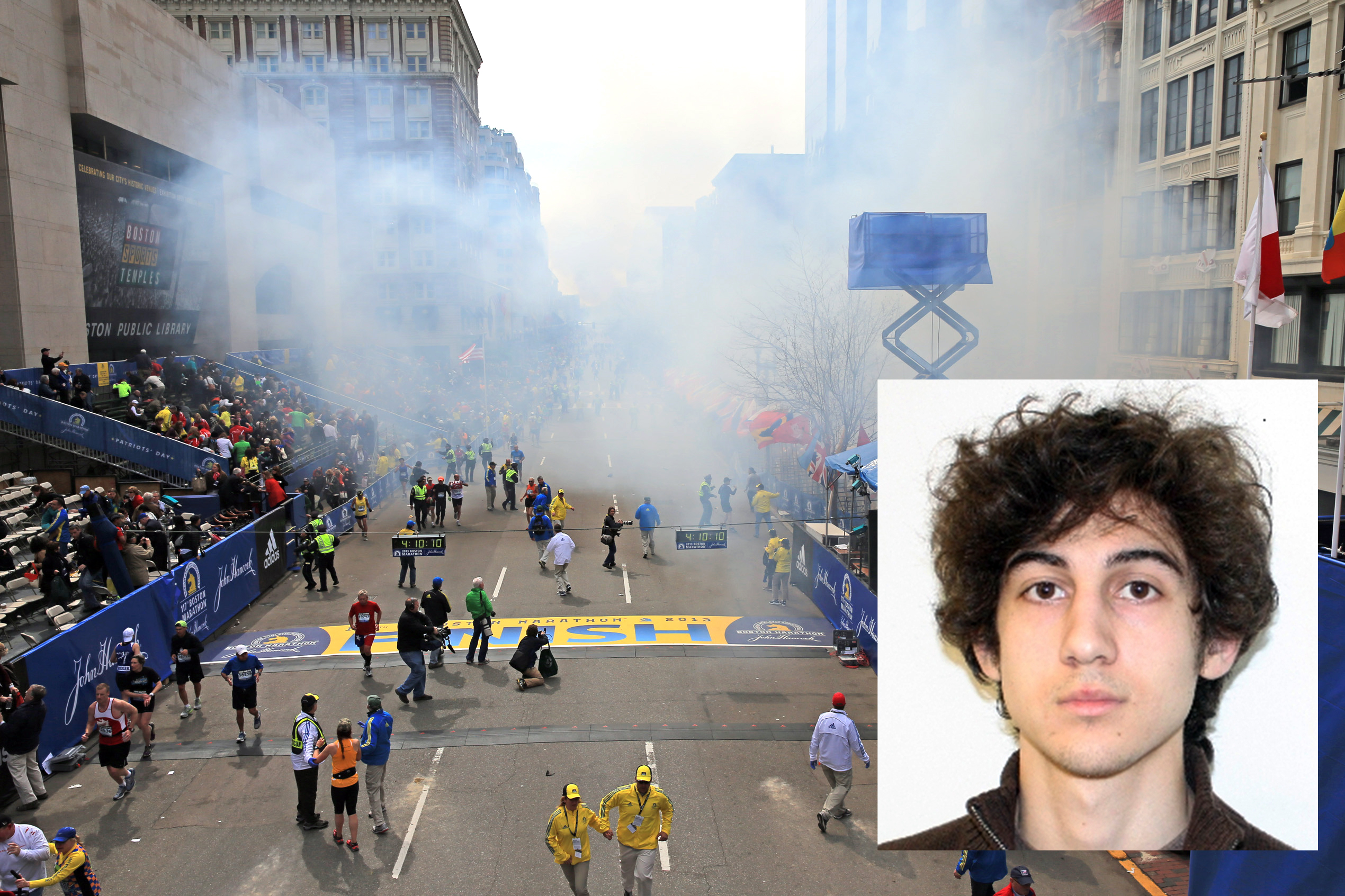
The date April 15, 2013, is etched into the collective memory of Boston, Massachusetts, and indeed, the world. It was a day that began with the vibrant energy and celebratory atmosphere typical of Patriot’s Day and the historic Boston Marathon, one of the world’s most prestigious road races. For over a century, the Marathon had been a cornerstone of the city’s identity, drawing professional athletes and amateur runners from across the globe, along with half a million spectators who lined the streets, cheering on their heroes and loved ones. However, on this particular Monday afternoon, the jubilation turned into unimaginable tragedy when two homemade pressure-cooker bombs detonated near the finish line on Boylston Street, forever changing the landscape of urban events and public safety.
For those planning to visit Boston, whether for its rich history, its world-class cultural institutions, or to experience its vibrant modern life, understanding this pivotal moment is an essential part of appreciating the city’s remarkable resilience and enduring spirit. While the initial question “When was the Boston Marathon Bombing?” yields a simple answer – April 15, 2013 – the true narrative extends far beyond that single date. It encompasses the bravery of first responders, the unwavering support of a global community, and the profound impact on how cities approach safety, tourism, and memorialization. This article delves into the events of that day, its immediate aftermath, and how Boston has not only recovered but thrived, continuing to welcome travelers with open arms and a deepened sense of community.
The Day That Changed Everything: April 15, 2013
The morning of April 15, 2013, was crisp and bright, perfect weather for the 117th running of the Boston Marathon. Thousands of runners, many pushing their physical limits after months of training, were making their way through the picturesque towns of Framingham, Natick, and Wellesley, culminating in the final grueling miles through Newton and Brookline before reaching the highly anticipated finish line in Boston’s Back Bay. Spectators lined the entire 26.2-mile course, but the area around the finish line on Boylston Street, particularly near Copley Square and the Boston Public Library, was densely packed with families, friends, and excited onlookers. They had gathered to witness the culmination of an incredible athletic feat, soaking in the festive atmosphere that is a hallmark of this iconic New England event.
A Festive Morning Turns Tragic
At precisely 2:49 PM EDT, the first bomb detonated on the north side of Boylston Street, roughly 200 yards from the official finish line. Just 12 seconds later, a second explosion rocked the south side of the street, about 170 yards further west. The joyous cheers instantly morphed into screams of terror and confusion. The sheer force of the blasts ripped through the crowd, causing horrific injuries, shattering windows of nearby businesses, and sending smoke and debris billowing into the air. The vibrant street scene was transformed into a chaotic tableau of devastation, with the immediate vicinity resembling a war zone. Medical tents, which moments before had been ready to treat exhausted runners, were immediately repurposed to attend to the gravely wounded.
The attacks tragically killed three people: Krystle Campbell, a 29-year-old restaurant manager; Lu Lingzi, a 23-year-old graduate student from China attending Boston University; and Martin Richard, an 8-year-old boy. More than 260 others were injured, many suffering life-altering trauma, including amputations. The sheer scale of the casualties and the horrific nature of the injuries sent shockwaves across the globe, prompting an outpouring of grief, anger, and solidarity.
The Immediate Aftermath and “Boston Strong”
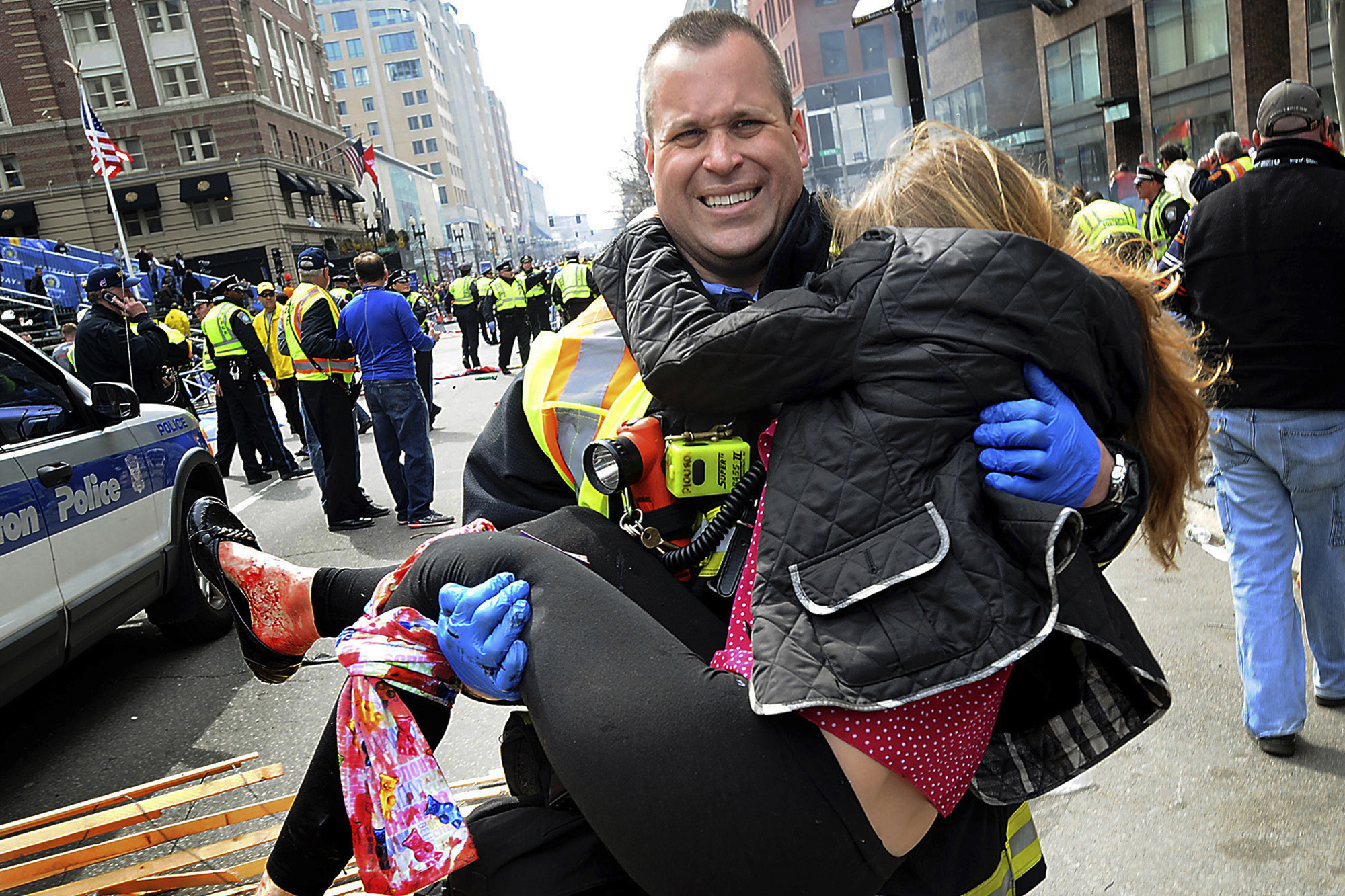
In the immediate chaos, the response from ordinary citizens, medical personnel, and first responders was nothing short of heroic. Runners, many still reeling from their own race, kept going towards hospitals to donate blood. Spectators rushed to aid the injured, tourniquets fashioned from shirts and belts. Police officers, firefighters, and EMTs, who were already on duty for the marathon, swiftly moved into action, establishing triage centers and transporting victims to numerous area hospitals, including Massachusetts General Hospital, Brigham and Women’s Hospital, and Boston Medical Center in the Longwood Medical Area. The coordinated response by medical professionals, many of whom had trained for mass casualty events, was widely credited with saving countless lives.
The days that followed were marked by an intensive manhunt for the perpetrators, brothers Tamerlan and Dzhokhar Tsarnaev. This led to a dramatic and unprecedented lockdown of the entire city of Boston and surrounding communities, particularly Watertown, where a deadly shootout with law enforcement occurred, resulting in the death of MIT Police Officer Sean Collier and later, Tamerlan Tsarnaev. The capture of Dzhokhar Tsarnaev on April 19, 2013, brought a collective sigh of relief, but the trauma of the event lingered.
From this crucible of tragedy emerged the defiant and unifying motto: “Boston Strong.” It became a rallying cry, not just for the city but for communities across the nation and the world. It symbolized the resilience, courage, and unwavering spirit of Bostonians in the face of adversity, a testament to their refusal to be defined by fear or hatred. This spirit of solidarity and recovery became a powerful narrative that continues to resonate today, influencing how visitors experience the city.
Boston’s Enduring Spirit: Resilience and Recovery
The immediate aftermath of the bombings presented significant challenges for Boston, particularly for its tourism and hospitality sectors. The lockdown, the extensive law enforcement presence, and the raw emotional impact could have easily deterred visitors. However, the city’s response was not one of retreat but of resolute determination. The “Boston Strong” movement quickly transcended local boundaries, becoming a global symbol of resilience. This profound outpouring of support, combined with the city’s inherent appeal, played a crucial role in its recovery. Businesses along Boylston Street reopened, and the marathon itself returned with renewed vigor the following year, demonstrating that fear would not triumph.

Rebuilding Trust: Enhanced Security and Safety
The events of April 15, 2013, undeniably led to a significant overhaul of security protocols for large public gatherings, not just in Boston but worldwide. For the Boston Marathon and other major events in the city, visitors will now notice a more visible and sophisticated security presence. This includes increased bag checks, restricted access areas, drone surveillance, and a greater number of law enforcement personnel. While these measures are designed to ensure safety, they are implemented with an understanding of the need to maintain the festive and open atmosphere that defines these events. The goal is to provide peace of mind for both residents and tourists, ensuring that the joy of participation and observation remains paramount.
For travelers, this means a more secure environment without sacrificing the authentic Boston experience. Hotels, attractions, and transportation hubs have also enhanced their internal safety procedures, creating a robust framework for visitor well-being. From checking into the historic Fairmont Copley Plaza or the luxurious Mandarin Oriental, Boston near the marathon finish line, to exploring the Freedom Trail or catching a game at Fenway Park, visitors can feel confident in the city’s commitment to their security. These changes reflect a proactive approach to modern tourism, balancing accessibility with necessary precautions.
The Healing Journey: Memorials and Remembrance
A vital part of Boston’s recovery and healing process has been the establishment of meaningful memorials and acts of remembrance. These sites offer visitors an opportunity to reflect on the tragedy, honor the victims, and appreciate the city’s resilience. The official Boston Marathon Memorial was dedicated on August 15, 2019, at the very spots where the bombs detonated on Boylston Street. Designed by artist Pablo Eduardo, the twin memorials feature bronze spires, granite stones, and trees, creating a quiet space for contemplation amidst the bustling city. The design subtly incorporates details like lanterns with etched quotes from the victims, ensuring their memory lives on.
Another poignant site is the One Boston Day commemoration, which takes place annually on April 15. While not a public holiday, it encourages acts of kindness and community service, reflecting the spirit of unity that emerged after the bombings. Travelers visiting around this date might witness local events, volunteer efforts, or quiet ceremonies marking the anniversary, providing a unique insight into the city’s soul. Beyond specific memorials, the entire stretch of Boylston Street near the finish line serves as a living tribute, where the vibrant energy of commerce and culture now intertwines with a profound sense of remembrance and community strength.
Visiting Boston Today: Honoring History While Embracing the Future
Today, Boston stands as a testament to perseverance, a city that has not only rebuilt but flourished. Its appeal as a top global destination for travel, culture, and innovation remains undiminished. Visitors can engage with its profound history, from the American Revolution to its pivotal role in education and science, while also experiencing its modern dynamism. The story of the Boston Marathon Bombing is now part of this rich tapestry, a reminder of the strength found in unity and the enduring human spirit. When planning a trip to Boston, embracing this aspect of its recent history adds a layer of depth to the travel experience, allowing for a more profound connection with the city and its people.
Experience the Boston Marathon Legacy
For many, the Boston Marathon itself is a major draw. Even outside of race day, the course offers a unique way to explore the city and its surrounding towns. Travelers can walk or run portions of the route, culminating at the finish line on Boylston Street. Visiting the official memorial at Copley Square provides a moment of reflection. Nearby, you can find the Boston Public Library, an architectural masterpiece and a symbol of knowledge and resilience, which famously sheltered and aided victims on that fateful day. Exploring the Back Bay area, with its elegant brownstones, boutique shops, and diverse restaurants, allows visitors to experience the vibrant heart of the city that rallied so strongly.
For those interested in sports, a visit to Fenway Park, home of the Boston Red Sox, offers a taste of the city’s legendary passion for athletics. The team’s role in lifting the city’s spirits in the aftermath of the bombings, including their 2013 World Series win, is a significant part of the “Boston Strong” narrative. Engaging with the city’s athletic culture is a way to feel the pulse of Boston’s undying spirit.
Beyond the Marathon: Exploring Boston’s Rich Tapestry
While the legacy of the marathon bombing is an important part of Boston’s modern identity, the city offers an unparalleled array of experiences for every type of traveler. Dive into history by walking the Freedom Trail, a 2.5-mile red-lined path that guides you to 16 historically significant sites, including the Old State House, Paul Revere House, and Bunker Hill Monument. For art enthusiasts, the Museum of Fine Arts and the Isabella Stewart Gardner Museum offer world-class collections.
Education and innovation thrive in Boston, home to prestigious institutions like Harvard University in nearby Cambridge and MIT. Exploring these campuses provides a glimpse into the intellectual heart of the region. Culinary travelers will delight in Boston’s diverse food scene, from fresh seafood in the Seaport District to authentic Italian fare in the historic North End. Accommodation options range from luxury hotels in Back Bay and downtown to charming boutique stays in neighborhoods like the South End, catering to every preference and budget.
Whether you’re seeking a historical journey, a culinary adventure, or a family-friendly excursion, Boston welcomes visitors with an inimitable blend of old-world charm and contemporary vibrancy. The memory of April 15, 2013, serves not as a deterrent, but as a testament to the resilience and unbreakable spirit of a city that continues to embrace its future with courage and openness. Traveling to Boston today is not just about visiting a destination; it’s about connecting with a powerful narrative of community, strength, and unwavering hope.