
California, the Golden State, a land synonymous with sunshine, innovation, and an unparalleled diversity of landscapes, holds a significant place in the history of the United States. Its journey from a Spanish colony to a Mexican territory, and finally to a burgeoning American state, is a captivating narrative that underscores its unique path to statehood. The question of when California officially became part of the American tapestry is a pivotal moment, marking the culmination of a dramatic period of expansion and transformation. Understanding this date provides a crucial lens through which to view the state’s rich heritage, its economic development, and its enduring allure for travelers, adventurers, and those seeking a vibrant lifestyle.

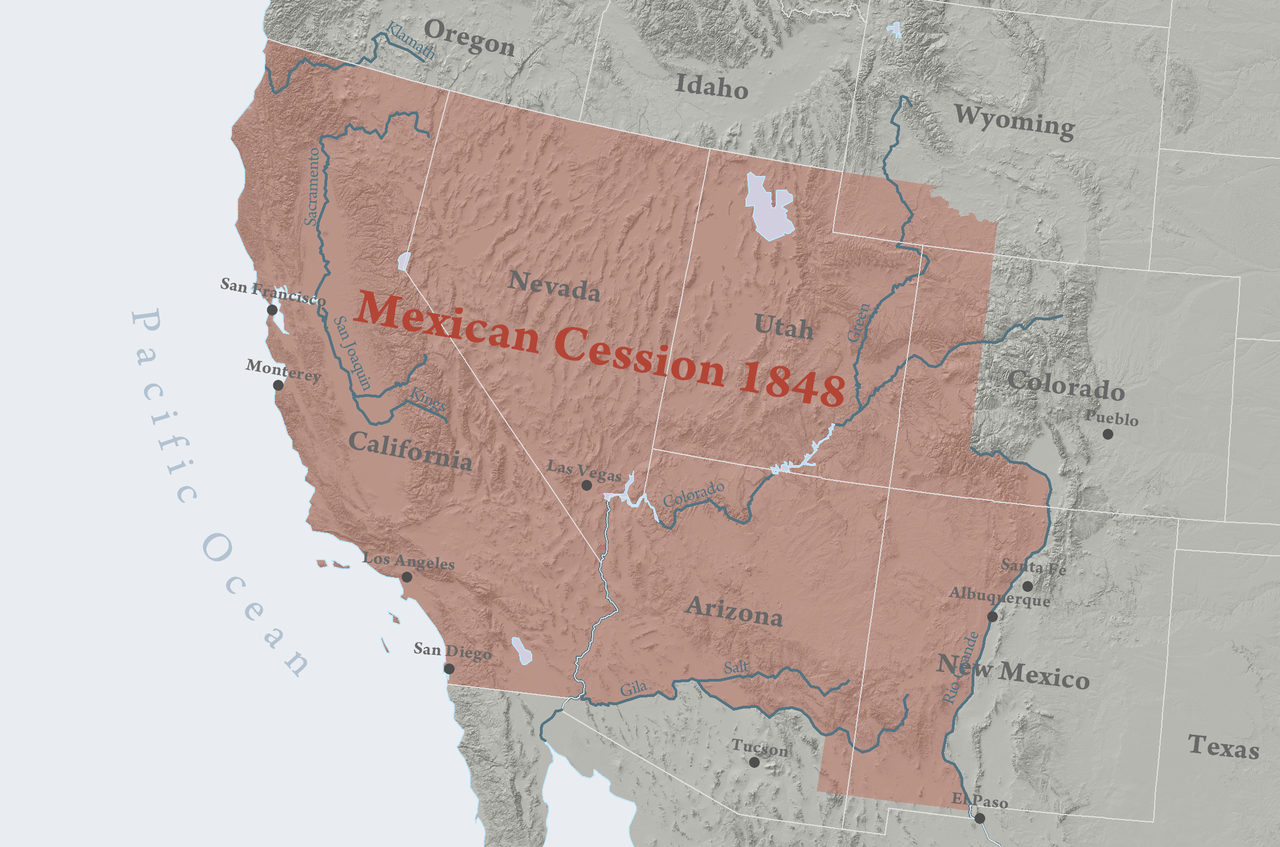
The admission of California to the Union was not an isolated event but rather the product of immense political and social forces that shaped the United States in the mid-19th century. The Mexican-American War, concluding in 1848, ceded vast territories to the United States, including California. This acquisition, however, set in motion a complex process of governance and integration, particularly given the discovery of gold that ignited the infamous California Gold Rush. This influx of people and the ensuing economic boom created unprecedented challenges and opportunities, accelerating California‘s path to statehood.
The Path to Statehood: From Territory to Golden State
The story of California‘s admission is intrinsically linked to its rapid growth and the pressing need for a stable governmental structure. Following the Mexican-American War and the Treaty of Guadalupe Hidalgo in 1848, California became a territory of the United States. However, the chaotic nature of the Gold Rush, which began in earnest shortly after the treaty, overwhelmed the nascent administrative systems. Thousands of prospectors, entrepreneurs, and settlers flocked to the region, creating a burgeoning population that demanded recognition and a formal government.
The Impact of the Gold Rush
The discovery of gold at Sutter’s Mill near Coloma, California, on January 24, 1848, by James W. Marshall, changed the course of California‘s history forever. This single event triggered the California Gold Rush, drawing an estimated 300,000 people from across the globe to the Golden State. The promise of instant wealth fueled an unprecedented migration, transforming sparsely populated areas into bustling mining camps and leading to the rapid growth of cities like San Francisco.
This sudden demographic explosion presented a unique dilemma for the United States government. The existing territorial administration was ill-equipped to handle the influx of people and the associated social and economic complexities. The need for law and order, property rights, and a functioning economy became paramount. The sheer volume of new residents, many of whom were Americans, fueled a strong desire for self-governance and representation within the United States. This popular will, combined with strategic political maneuvering, set the stage for a swift transition from territory to state.
The Compromise of 1850 and California’s Admission
The admission of California was a critical component of the Compromise of 1850. This legislative package was designed to defuse growing tensions between free states and slave states over the expansion of slavery into newly acquired territories. California, with its rapidly growing population and the prevailing sentiment against slavery, was poised to enter the Union as a free state.
The process involved calling for a constitutional convention in Monterey, California, in September 1849. Delegates drafted a constitution that prohibited slavery, a move that was highly contentious given the ongoing national debate. This constitution was overwhelmingly ratified by the people of California. However, the admission of California as a free state threatened the delicate balance of power in the United States Senate, where slave and free states were evenly divided.
Under the leadership of Senator Henry Clay, the Compromise of 1850 was crafted. This comprehensive agreement addressed several contentious issues, including admitting California as a free state, organizing the territories of New Mexico and Utah with popular sovereignty, settling a boundary dispute between Texas and New Mexico, abolishing the slave trade in Washington D.C., and enacting a stricter Fugitive Slave Act.
After months of heated debate and political maneuvering, the Compromise of 1850 was passed by Congress. President Millard Fillmore signed the necessary legislation, officially admitting California to the Union as the 31st state on September 9, 1850. This was a monumental event, not only for California but for the entire nation, as it marked a significant step in westward expansion and altered the political landscape of the United States.
Experiencing California: Landmarks, Attractions, and Lifestyle
The admission of California to the Union opened the door for its remarkable development, transforming it into a global hub for tourism, culture, and innovation. Today, the Golden State offers an unparalleled array of experiences, from its iconic landmarks and vibrant cities to its breathtaking natural beauty and diverse lifestyle offerings. Whether you’re a seasoned traveler or planning your first visit, California promises an unforgettable journey.

Exploring Iconic Landmarks and Natural Wonders
California is home to some of the world’s most recognizable landmarks and awe-inspiring natural wonders. Visitors can marvel at the architectural grandeur of the Golden Gate Bridge in San Francisco, a majestic suspension bridge that has become a symbol of the city and the state. The historic Alcatraz Island, a former federal prison, offers a chilling glimpse into the past, accessible by ferry from San Francisco. Further south, the glitz and glamour of Hollywood beckon, with its iconic Walk of Fame and the legendary Griffith Observatory, offering panoramic views of the Los Angeles basin and the famous Hollywood Sign.
Nature enthusiasts will find paradise in California‘s diverse landscapes. Yosemite National Park is a UNESCO World Heritage site, renowned for its towering granite cliffs like El Capitan and Half Dome, its giant sequoia trees, and its stunning waterfalls, including Yosemite Falls. For a truly otherworldly experience, Death Valley National Park showcases extreme desert landscapes, salt flats, and colorful badlands. The majestic redwood forests of the north, such as those found in Redwood National and State Parks, invite visitors to walk among giants. The rugged coastline along Highway 1, with its dramatic cliffs and charming seaside towns like Carmel-by-the-Sea, offers some of the most scenic drives in the world. For those seeking aquatic adventures, the Channel Islands National Park provides pristine marine environments and abundant wildlife.
Diverse Tourism and Accommodation Options
California caters to every type of traveler, offering a wide range of tourism experiences and accommodation options. From the bustling cultural scenes of Los Angeles and San Francisco to the wine country of Napa Valley and Sonoma, there’s something for everyone. Food lovers can indulge in the state’s diverse culinary landscape, from Michelin-starred restaurants to authentic taquerias and farm-to-table experiences. Theme park enthusiasts can find thrills at world-famous destinations like Disneyland in Anaheim and Universal Studios Hollywood.
When it comes to accommodation, California boasts an extensive selection. Luxury seekers can find opulent resorts and five-star hotels, such as the Beverly Wilshire, A Four Seasons Hotel in Beverly Hills, or exclusive villas offering unparalleled privacy and service. Budget travelers can explore numerous hostels, motels, and affordable hotels scattered across the state. For families, vacation rentals and apartments provide ample space and amenities. Long-term stays can be accommodated in serviced apartments or extended-stay hotels, perfect for those working remotely or exploring the state at a more leisurely pace. Whether you’re looking for a charming boutique hotel in Santa Barbara or a sprawling resort in Palm Springs, California has a perfect place for you to rest and recharge after a day of exploration.
Embracing the California Lifestyle
The admission of California to the Union paved the way for the development of a distinctive and dynamic lifestyle, often characterized by its embrace of innovation, outdoor pursuits, and a pursuit of well-being. This lifestyle is not confined to a single demographic but permeates the diverse communities that call the Golden State home, influencing everything from fashion and food to career paths and leisure activities.
Innovation, Culture, and Entertainment
California has long been a global epicenter of innovation, particularly in the technology sector. Silicon Valley, south of San Francisco, is home to tech giants like Apple, Google, and Meta Platforms, driving advancements that shape the modern world. This spirit of innovation extends to other fields, including entertainment, with Hollywood continuing to lead the global film and television industry. The state’s vibrant arts and culture scene is evident in its numerous museums, galleries, theaters, and live music venues, offering a rich tapestry of creative expression.
The pursuit of an active and healthy lifestyle is deeply ingrained in the California ethos. Miles of coastline provide opportunities for surfing, swimming, and sailing, while the state’s diverse topography invites hiking, rock climbing, and skiing. From the farmers’ markets overflowing with fresh, local produce to the proliferation of yoga studios and wellness retreats, California emphasizes a holistic approach to well-being. This lifestyle often combines a focus on personal health with an appreciation for the natural environment, encouraging residents and visitors alike to engage with the outdoors.
Luxury, Budget, and Family Travel
California truly offers a spectrum of travel experiences to suit every preference and budget. For those seeking luxury, the state presents world-class dining, high-end shopping districts in cities like Los Angeles, and exclusive resorts that redefine pampering. Imagine staying at the Post Ranch Inn in Big Sur, with its unparalleled ocean views and intimate luxury. On the other end of the spectrum, budget-conscious travelers can discover affordable hostels in San Diego, explore free natural attractions, and enjoy delicious and inexpensive eats from food trucks and local eateries.
Family trips to California are incredibly popular, with attractions catering to all ages. Theme parks like Disneyland and Knott’s Berry Farm provide endless entertainment, while the San Diego Zoo and the Monterey Bay Aquarium offer educational and engaging experiences with wildlife. Road trips along the coast, visiting charming towns and enjoying beach days, are perennial favorites for families. Business travelers will find excellent accommodation and conference facilities in major cities like San Francisco and Los Angeles, offering a blend of professional opportunities and leisure activities.
The rich history and cultural diversity that followed California‘s admission to the Union continue to define its unique appeal. From its dramatic geological features and iconic man-made marvels to its innovative spirit and diverse communities, the Golden State remains a captivating destination for exploration, relaxation, and inspiration. Understanding when California became a state is not just about a historical date; it’s about recognizing the foundational moments that shaped this extraordinary land and its enduring legacy.
LifeOutOfTheBox is a participant in the Amazon Services LLC Associates Program, an affiliate advertising program designed to provide a means for sites to earn advertising fees by advertising and linking to Amazon.com. Amazon, the Amazon logo, AmazonSupply, and the AmazonSupply logo are trademarks of Amazon.com, Inc. or its affiliates. As an Amazon Associate we earn affiliate commissions from qualifying purchases.