
The history of California is a vibrant tapestry woven with tales of discovery, ambition, and transformation. Often referred to as the “Golden State,” California’s journey to statehood is a fascinating chapter in American history, deeply intertwined with the allure of gold, continental expansion, and pivotal national debates. For anyone planning to travel through its diverse landscapes, from the bustling metropolises to serene natural wonders, understanding this foundational period enriches the experience, revealing the deep roots of its unique culture, iconic landmarks, and dynamic lifestyle. The question of “When was California becoming a state?” isn’t just a date; it’s a gateway to comprehending the very essence of this remarkable destination.
The Lure of Gold and a Rapid Transformation
Before California became the economic and cultural powerhouse it is today, it was a sparsely populated frontier, first under Spanish colonial rule, then as part of independent Mexico. Its dramatic shift towards American statehood was not a gradual evolution but a swift, almost explosive, transformation fueled by one of the most significant events in 19th-century American history: the California Gold Rush. This period saw a sleepy territory awaken to a torrent of human ambition, creating instant cities and a pressing need for organized governance.
From Mexican Territory to American Ambition
Prior to 1848, the vast region known as Alta California was a northern outpost of Mexico, characterized by sprawling ranchos, a few mission settlements, and a diverse population of indigenous peoples, Mexican Californios, and a small but growing number of American trappers and settlers. The geopolitical landscape, however, was shifting. The concept of “Manifest Destiny” in the United States spurred westward expansion, leading to increasing tensions with Mexico.
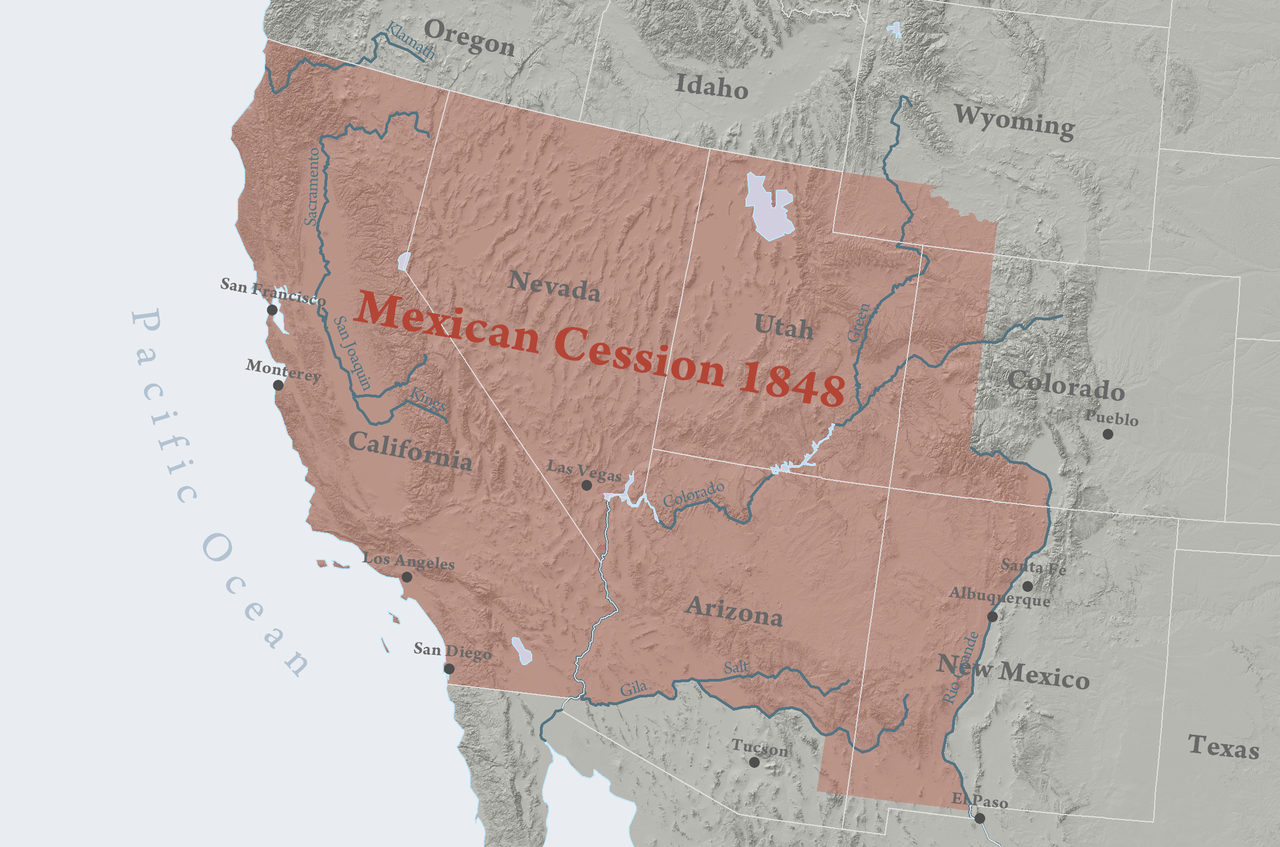
The Mexican-American War, fought between 1846 and 1848, ultimately determined the fate of California. Though battles primarily occurred further east, the Bear Flag Revolt in June 1846, where American settlers declared independence from Mexico in Sonoma, and subsequent American military actions, brought California under de facto U.S. control. The war officially concluded with the signing of the Treaty of Guadalupe Hidalgo on February 2, 1848. This treaty formally ceded large territories, including California, Nevada, Utah, and parts of Arizona, New Mexico, Colorado, and Wyoming, to the United States for $15 million. Overnight, California transitioned from a foreign land to a U.S. territory, though its future status remained undefined.
The Gold Rush: A Catalyst for Change
Remarkably, just nine days before the Treaty of Guadalupe Hidalgo was signed, a discovery was made that would irrevocably alter California’s trajectory and accelerate its path to statehood. On January 24, 1848, James W. Marshall, while overseeing the construction of a sawmill for John Sutter near Coloma on the American River, found flakes of gold. This seemingly small event sparked the legendary California Gold Rush.
News of the discovery spread like wildfire, first locally, then nationally, and eventually globally. By 1849, a massive influx of prospectors, dubbed “Forty-Niners,” began their arduous journey to California by land and sea. The population exploded from an estimated 14,000 non-indigenous residents in 1848 to over 100,000 by the end of 1849. Towns like San Francisco transformed from sleepy ports into boomtowns, with tent cities quickly giving way to bustling commercial centers. Sacramento, strategically located at the confluence of the American and Sacramento Rivers and serving as a gateway to the goldfields, also experienced unprecedented growth.
This rapid, uncontrolled growth created a chaotic environment. With no formal state government, crime was rampant, property rights were uncertain, and the legal system was rudimentary. The existing military rule was insufficient to manage such a diverse and rapidly expanding populace. The urgent need for stable governance became undeniable, propelling California towards formal statehood much faster than any other U.S. territory. The Gold Rush wasn’t just an economic phenomenon; it was the engine that powered California’s political destiny.
The Path to Statehood: A Balancing Act
The tumultuous environment created by the Gold Rush made the establishment of a robust, civilian government an absolute necessity. However, California’s journey to statehood was far from straightforward, tangled as it was in the fiery national debate over slavery, which threatened to tear the United States apart. The process involved a delicate balancing act, requiring significant political maneuvering and compromise on a national scale.
Crafting a New Government
Recognizing the urgent need for order, Brigadier General Bennett Riley, the provisional military governor of California, called for a constitutional convention. Delegates, representing the diverse and rapidly growing population, gathered in Monterey in September 1849. These individuals, hailing from various states and even other countries, were tasked with drafting a state constitution that would lay the groundwork for a stable government.
The convention, despite its challenges, proved remarkably productive. Within a mere six weeks, the delegates crafted a constitution that included provisions for a bicameral legislature, a judicial system, and most significantly, a clause prohibiting slavery within the state’s borders. This anti-slavery stance was largely driven by the interests of the Gold Rush prospectors, who feared competition from enslaved labor and were generally opposed to the institution. The constitution was overwhelmingly ratified by California voters in November 1849, and a provisional state government, including a governor and legislature, was elected. Peter Burnett became California’s first state governor, even before its official admission to the Union.
The Compromise of 1850
With a constitution in hand and a functioning, albeit provisional, government in place, California formally applied for admission to the United States as a free state. This application, however, threw a wrench into the already precarious balance of power in the United States Congress. At the time, the Senate was evenly divided between free states and slave states. Admitting California as a free state would upset this delicate equilibrium, giving the North a numerical advantage and infuriating Southern slaveholding states, who feared it would set a precedent for future territories.
The debate over California’s admission became a flashpoint in the escalating national crisis over slavery. For months, Congress was paralyzed by intense arguments between abolitionists and pro-slavery factions. It was ultimately part of a larger legislative package known as the Compromise of 1850, engineered by political giants like Henry Clay and Stephen A. Douglas. This series of five separate bills sought to address various contentious issues related to slavery and territorial expansion.
Under the terms of the Compromise of 1850:
- California was admitted as a free state.
- The slave trade (though not slavery itself) was abolished in Washington D.C..
- A more stringent Fugitive Slave Act was enacted, compelling free states to return escaped enslaved people.
- The territories of New Mexico and Utah were organized with the provision of popular sovereignty, allowing residents to decide on the issue of slavery.
- Texas received $10 million from the federal government in exchange for relinquishing its claim to parts of New Mexico.
The Compromise of 1850 temporarily averted a national crisis, but the tensions it addressed would ultimately lead to the American Civil War a decade later. Nevertheless, for California, it meant the long-awaited recognition of its statehood.
September 9, 1850: A Date Etched in History
After months of contentious debate and political maneuvering in Washington D.C., the fate of California was finally sealed. The passage of the Compromise of 1850 cleared the way for California’s official entry into the Union, marking a pivotal moment not only for the burgeoning western state but for the entire nation.
The Official Admission
On September 9, 1850, President Millard Fillmore signed the bill admitting California as the 31st state of the United States. News of this momentous event traveled slowly across the continent, reaching California several weeks later. When it finally arrived, it was met with widespread jubilation. Celebrations erupted in cities and towns across the state, from the muddy streets of San Francisco to the gold camps of the Sierra Nevada. Cannons were fired, parades were held, and speeches were delivered, all marking the end of a provisional period and the dawn of a new era.
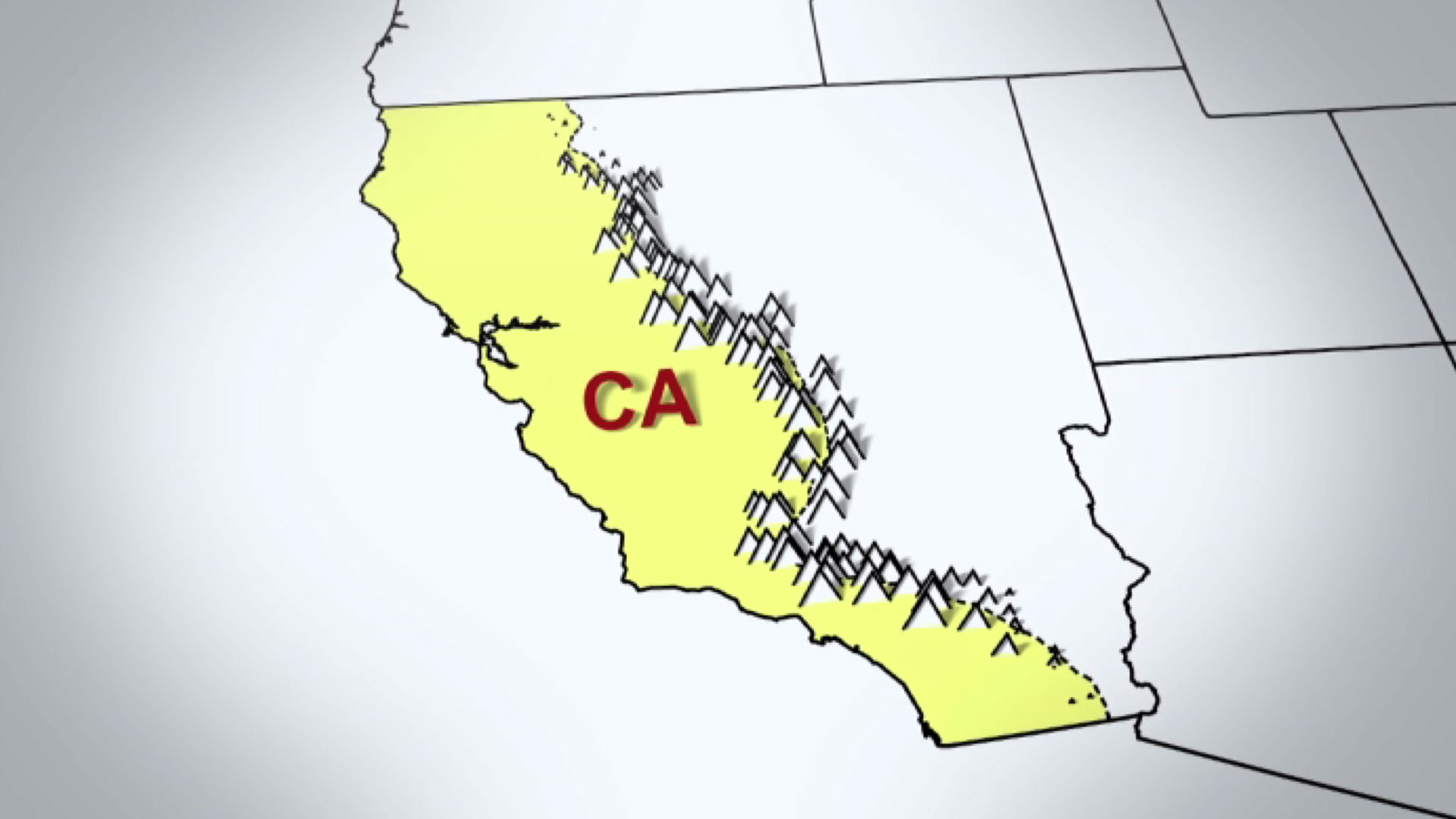
The admission was unique in several ways. Unlike most states, California skipped the traditional territorial phase, directly entering the Union as a state. This was a direct consequence of the rapid population growth and the urgent need for established law and order brought about by the Gold Rush. Its entry as a free state, as part of the Compromise of 1850, also solidified its distinct identity and set the stage for its future development. The state’s boundaries, stretching from the Pacific Ocean to the Sierra Nevada and encompassing vast fertile valleys, were officially recognized, laying the groundwork for its geographic and economic expansion.
The Golden State’s Enduring Legacy
California’s statehood on September 9, 1850, was more than just a political formality; it was the birth of a legend. From its humble beginnings as a remote territory, it quickly grew into a diverse, innovative, and influential force. The legacy of this period is evident in every facet of modern California.
The Gold Rush not only brought people but also spurred infrastructure development, including roads, ports, and eventually railroads, connecting the isolated state to the rest of the country. This initial economic boom laid the foundation for future industries, from agriculture in the Central Valley to the entertainment industry in Hollywood and the tech revolution in Silicon Valley. The diverse waves of immigrants who arrived during the Gold Rush established a multicultural society that continues to thrive, contributing to California’s rich tapestry of cultures, languages, and cuisines.
Today, California stands as a testament to its extraordinary past. Its historical sites, vibrant cities, and groundbreaking innovations all trace their roots back to this pivotal moment in 1850. The story of its statehood is a narrative of ambition, struggle, and the enduring promise of the American West, shaping its identity as a global leader in technology, culture, and environmental stewardship.

Experiencing California’s Statehood History Today
For travelers eager to delve into the rich history of California’s statehood, the state offers a wealth of opportunities to step back in time. From preserved gold rush towns to historic monuments and museums, the echoes of 1850 are still palpable, providing a unique dimension to any California travel itinerary. Understanding these historical connections enhances the appreciation of its famous destinations and local culture.
Historic Landmarks and Museums
Many of California’s most compelling historical sites are directly linked to its path to statehood and the Gold Rush.
- Old Sacramento State Historic Park: As the state’s capital and a major supply hub during the Gold Rush, Sacramento is an essential stop. Old Sacramento preserves the original waterfront district with its wooden sidewalks, historic buildings, and museums, including the California State Railroad Museum and the Old Sacramento Schoolhouse Museum. Visitors can ride on a historic steam train or take a riverboat cruise, immersing themselves in the atmosphere of the 1850s. The nearby California State Capitol Building in modern Sacramento offers insights into the state’s governance since its early days.
- Sutter’s Mill at Marshall Gold Discovery State Historic Park in Coloma: This is where it all began. Visitors can see a replica of Sutter’s Mill and learn about James W. Marshall’s discovery. The park offers guided tours, panning demonstrations, and a museum detailing the lives of the Forty-Niners. It’s an interactive experience perfect for families or anyone curious about the immediate aftermath of the gold discovery.
- Columbia State Historic Park: Known as “Gem of the Southern Mines,” Columbia is one of the best-preserved Gold Rush towns. This living history park allows visitors to stroll through original buildings, ride a stagecoach, pan for gold, and interact with costumed docents, truly transporting them back to the 1850s.
- Monterey State Historic Park: Monterey, the site of the constitutional convention, offers a glimpse into pre-statehood California. The park includes several historic adobe buildings, such as the Custom House, where the American flag was first raised in California in 1846, and Colton Hall, where the state’s first constitution was drafted. Walking “The Path of History” is an immersive way to explore these significant landmarks.
- San Francisco Historic Districts: While much of the original Gold Rush era San Francisco was destroyed by fires and the 1906 earthquake, areas like Jackson Square and parts of North Beach still retain some of the city’s early architectural charm. The Wells Fargo History Museum in downtown San Francisco provides fascinating insights into banking, transportation, and communication during the Gold Rush era.
Planning Your Historical Journey
Integrating California’s statehood history into your travel plans can create a uniquely enriching experience. Whether you’re a history buff, an adventurer, or a family seeking educational experiences, the Golden State offers something for everyone.
Accommodation: When planning your trip, consider staying in hotels that reflect the historical charm of the area. In Sacramento, boutique hotels near Old Sacramento or modern hotels with easy access to the State Capitol offer convenience. In Monterey, you can find charming inns and hotels along the historic waterfront, providing picturesque views and proximity to landmarks. For those exploring the Gold Rush country, rustic lodges or bed-and-breakfasts in towns like Sonora or Jackson offer an authentic experience, blending modern comforts with a touch of pioneer spirit. Luxury resorts are also available in areas like Napa Valley or Lake Tahoe, which, while not directly related to the 1850 statehood, can serve as excellent bases for day trips to historical sites.
Travel and Tourism Tips: A road trip through the Gold Country is highly recommended. The scenic Highway 49, aptly named “Gold Country Highway,” winds through many historic towns and sites. Allow ample time to explore each location, engaging with the local culture, sampling regional cuisine, and perhaps even trying your hand at gold panning. Consider visiting during off-peak seasons (spring or fall) to enjoy milder weather and fewer crowds. Many museums and state parks offer special events, reenactments, and educational programs, particularly around the anniversary of statehood, which can further enhance your visit. Don’t forget to explore beyond the historical sites – combine your history tour with visits to California’s renowned natural attractions like Yosemite National Park or the Redwood National Park, both of which were also being settled during this period.
Lifestyle and Experiences: Experiencing California’s statehood history isn’t just about visiting old buildings; it’s about connecting with the spirit of determination and innovation that defined the era. Imagine the arduous journeys of the Forty-Niners, the makeshift communities they built, and the dreams that fueled their quest for fortune. Engage with the stories of the diverse people who shaped the state, from indigenous tribes to Mexican Californios and waves of immigrants from around the world. This historical lens reveals why California continues to be a magnet for dreamers and innovators, a place where different cultures converge, and new possibilities constantly emerge. Whether you’re exploring the historic ships in San Francisco Bay, enjoying the vibrant culinary scene in Los Angeles, or marveling at the natural beauty of Big Sur, remember that all these contemporary experiences are built upon the dramatic foundations laid during California’s tumultuous and triumphant journey to statehood.
The story of “When was California becoming a state?” is a tale of relentless ambition, profound discovery, and the intricate dance of national politics. It’s a reminder that the Golden State’s glittering present is deeply rooted in a fascinating past, making it an endlessly rewarding destination for travelers seeking both leisure and profound historical understanding. So, as you plan your next adventure, remember September 9, 1850 – the day California officially became a beacon of American opportunity and an icon of the global imagination.
LifeOutOfTheBox is a participant in the Amazon Services LLC Associates Program, an affiliate advertising program designed to provide a means for sites to earn advertising fees by advertising and linking to Amazon.com. Amazon, the Amazon logo, AmazonSupply, and the AmazonSupply logo are trademarks of Amazon.com, Inc. or its affiliates. As an Amazon Associate we earn affiliate commissions from qualifying purchases.