
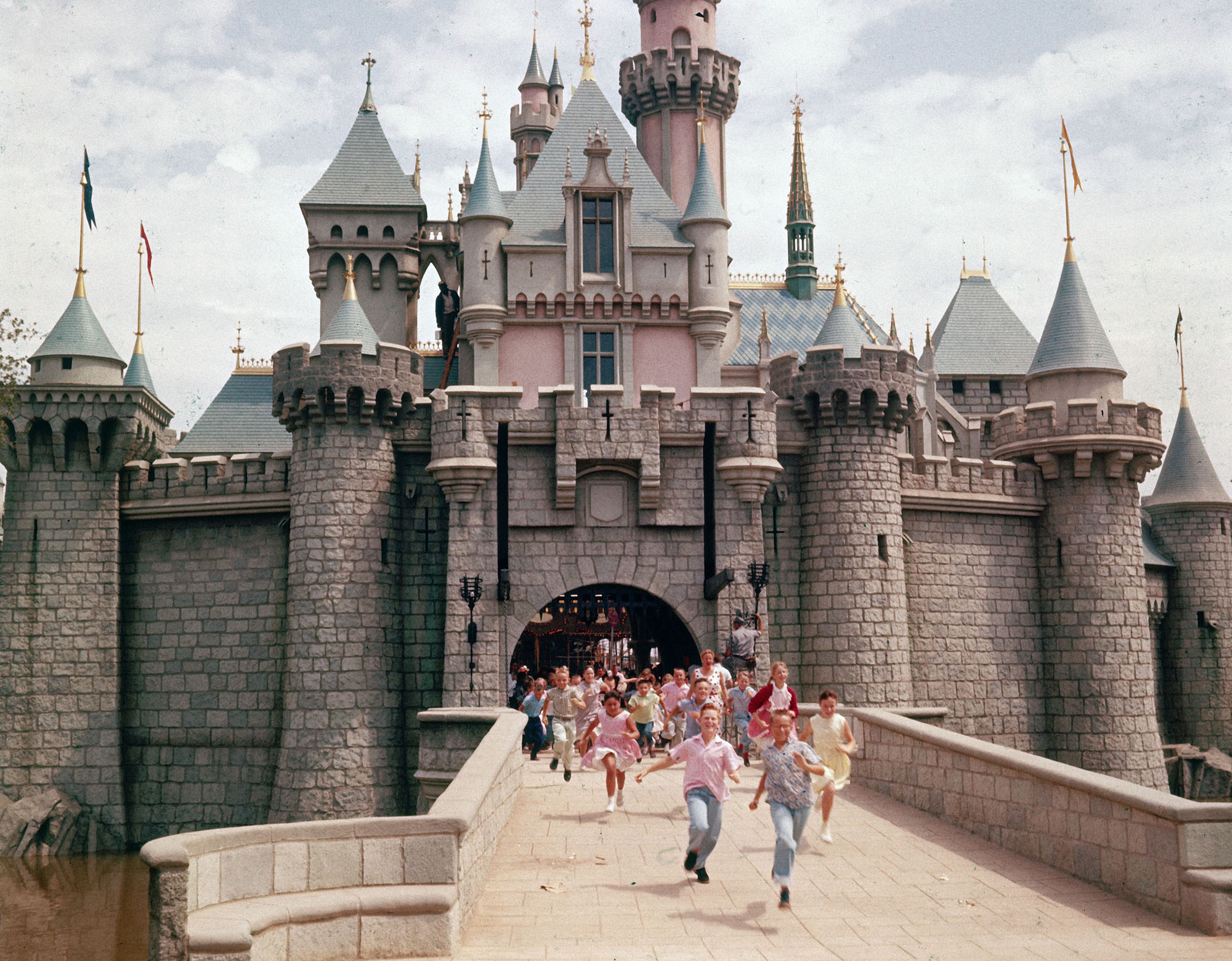
The iconic gates of Disneyland Park in Anaheim, California, first opened their whimsical doors on July 17, 1955. This pivotal date marked the culmination of a visionary dream by Walt Disney, a dream that would fundamentally transform the landscape of theme parks and family entertainment forever. More than just an amusement park, Disneyland was conceived as a place where families could journey together, creating lasting memories in an environment of imagination, adventure, and unparalleled storytelling. The construction and opening of this landmark attraction represent a significant moment in the history of tourism and popular culture, influencing countless destinations and experiences worldwide.
The Genesis of a Magical Kingdom
The idea for a place where adults and children could have fun together was a concept that Walt Disney had been nurturing for years. Initially, he envisioned a smaller “Mickey Mouse Park” adjacent to his film studios in Burbank. However, as his ambitions grew, so did the scope of his project. He realized that to accommodate the vast number of visitors he anticipated and to offer a truly immersive experience, a much larger parcel of land would be required. This led to the search for a suitable location, eventually settling on a 160-acre orange grove in Anaheim, a growing city in Orange County, California.
From Concept to Construction: A Monumental Undertaking
The journey from a dream to a tangible reality was fraught with challenges. Securing funding, acquiring land, and designing and building an entirely new type of entertainment venue demanded an unprecedented level of innovation and dedication. Walt Disney famously established WED Enterprises (later Walt Disney Imagineering) to bring his vision to life. This team of artists, engineers, and designers worked tirelessly to create everything from the intricate theming of the different lands to the development of groundbreaking ride technology.
The construction process itself was a marvel of logistical planning and engineering prowess. Over 200 distinct contractors were involved, and thousands of construction workers labored to bring the detailed blueprints to fruition. The site was transformed from a quiet agricultural landscape into a vibrant hub of activity, complete with infrastructure, utilities, and the very foundations of the fantastical attractions that would soon captivate the world.
The design of Disneyland was revolutionary. Unlike the often chaotic and somewhat gritty amusement parks of the era, Walt Disney insisted on a meticulously clean, well-maintained, and artistically cohesive environment. He applied the same principles of storytelling and quality that he used in his animated films to the creation of the park. Each land – from the charming Victorian architecture of Main Street, U.S.A. to the adventurous Frontierland, the exotic Adventureland, the futuristic Tomorrowland, and the whimsical Fantasyland – was designed to transport guests to a different time or place, immersing them in a narrative.
The park’s opening day, July 17, 1955, was a highly anticipated event. However, it was marred by unseasonably hot weather and some technical glitches, which Walt Disney himself acknowledged with his characteristic candor. Despite these early hiccups, the vision was clear, and the foundation for what would become a global tourism phenomenon was firmly laid. The park was not just a collection of rides; it was an experience, an escape, and a testament to the power of imagination.
The Evolution of a Landmark: Post-Opening Developments and Impact
Since its grand opening, Disneyland Park has undergone continuous evolution, adding new attractions, lands, and experiences that have kept it at the forefront of the entertainment industry. This constant innovation is key to its enduring appeal and its status as a premier tourist destination. The park’s influence extends far beyond its physical boundaries, shaping how theme parks are designed, operated, and marketed across the globe.
Thematic Lands and Iconic Attractions: Crafting Immersive Worlds
The brilliance of Disneyland lies in its ability to create immersive worlds within its confines. Each land is a carefully crafted environment designed to transport guests. Main Street, U.S.A., for example, was designed to evoke a nostalgic, turn-of-the-century American town, serving as the welcoming gateway to the park. Its architecture, shops, and the scent of popcorn and baked goods create an immediate sense of place and charm.

Beyond Main Street, U.S.A., guests can venture into Adventureland, where the mystique of exotic jungles and unexplored territories comes alive with attractions like the Jungle Cruise. Frontierland offers a glimpse into the American West, with tales of cowboys and pioneers. Fantasyland is where classic fairy tales and beloved Disney characters are brought to life through iconic rides like “It’s a Small World” and “Peter Pan’s Flight.” Finally, Tomorrowland presents a futuristic vision, constantly updated to reflect evolving ideas about technology and space exploration, featuring attractions like Space Mountain.
The addition of subsequent lands, such as New Orleans Square in 1966, Bear Country (later Critter Country) in 1972, and the highly popular Star Wars: Galaxy’s Edge in 2019, demonstrates Disneyland’s commitment to expanding its narrative universe and catering to diverse interests. These expansions are not mere additions of rides; they are meticulously designed environments that extend the storytelling and provide new layers of immersion for visitors.
A Tourism Powerhouse: Economic and Cultural Significance
The construction of Disneyland California was a significant economic driver for Anaheim and the surrounding Orange County region. It spurred the development of infrastructure, created thousands of jobs, and attracted millions of tourists annually, fundamentally transforming the local economy. The park became a major catalyst for the growth of the hotel and hospitality industry in the area, with numerous hotels, restaurants, and retail establishments popping up to serve the influx of visitors.
Beyond its economic impact, Disneyland has had a profound cultural significance. It established a new paradigm for family entertainment, influencing theme park design and operations worldwide. The concept of themed lands, immersive storytelling, and meticulously maintained environments became the gold standard. Walt Disney’s commitment to quality and guest experience set a precedent that continues to shape the tourism industry.
The park’s enduring appeal has made it a bucket-list destination for families and travelers from all corners of the globe. It represents a unique blend of nostalgia, fantasy, and cutting-edge technology, offering an experience that transcends age and cultural barriers. The continuous investment in new attractions and entertainment ensures that Disneyland remains a vibrant and relevant destination, a testament to the timeless power of imagination and the enduring legacy of Walt Disney. Its opening in 1955 wasn’t just the construction of a theme park; it was the creation of a cultural phenomenon that continues to inspire wonder and joy for generations.
Planning Your Visit: Experiencing the Magic of Disneyland Park
For travelers planning a trip to Southern California, a visit to Disneyland Park is often at the top of their itinerary. Understanding the park’s history and its evolution can enrich the experience, allowing visitors to appreciate the intricate details and the visionary thinking behind this world-renowned attraction. The journey to Disneyland is more than just a vacation; it’s an opportunity to step into a storybook and create cherished memories.
Accommodation and Travel Tips for a Memorable Stay
When planning a visit, selecting the right accommodation is crucial for maximizing your Disneyland experience. Anaheim offers a wide range of options, from the luxurious Grand Californian Hotel & Spa located within the park, to numerous other hotels and resorts in the vicinity. Many of these properties offer special packages and amenities geared towards families visiting the parks, including convenient shuttle services and early park access. Booking your accommodation in advance is highly recommended, especially during peak seasons.
For travelers seeking different experiences, options like vacation rentals and longer-term stay apartments are also available in Anaheim, providing a more home-like atmosphere for extended visits. When considering travel, flying into Los Angeles International Airport (LAX) or John Wayne Airport (SNA) are the most common choices, with rental cars or ride-sharing services readily available for the transfer to your chosen hotel. Alternatively, many tour operators offer package deals that include flights, accommodation, and park tickets, simplifying the planning process for many visitors.

Maximizing Your Disneyland Experience: Insider Tips for Families and Budget Travelers
To make the most of your visit, consider these tips. Purchasing park tickets in advance can save time and money, and exploring options for multi-day passes may be more economical for longer stays. Utilizing the Disneyland app can significantly enhance your visit, allowing you to check wait times, make dining reservations, and navigate the park efficiently.
For families, planning your day around nap times and meal breaks is essential. Taking advantage of Disney’s PhotoPass service can ensure you capture all those magical moments without having to worry about taking the photos yourself. For those traveling on a budget, packing snacks and water bottles can help reduce food expenses within the park. Exploring dining options outside of the immediate park entrance, in the Downtown Disney District or nearby Anaheim restaurants, can also offer more affordable culinary choices. Understanding the park’s layout and the locations of attractions you are most interested in can help you create a strategic plan, minimizing backtracking and maximizing your time spent enjoying the magic that Walt Disney envisioned when he first built Disneyland California back in 1955.