
The question of when Hawaii was annexed to the United States is a pivotal one, marking a significant turning point in the history of both entities. This historical event, officially occurring on July 7, 1898, with the passage of the Newlands Resolution, transformed a sovereign Hawaiian Kingdom into a U.S. territory. Understanding this annexation requires delving into the intricate web of political maneuvering, economic interests, and cultural shifts that characterized the late 19th century in the Pacific. Beyond the historical date, the story of Hawaii’s integration into the U.S. fabric offers profound insights into the evolution of global powers, the impact of colonialism, and the enduring spirit of the islands that continue to captivate travelers from around the globe.

Today, Hawaii is celebrated as a premier travel destination, renowned for its pristine beaches, vibrant culture, and unparalleled natural beauty. From the bustling streets of Honolulu to the serene landscapes of Maui and Kauai, the islands offer a mosaic of experiences for every type of visitor. Whether one seeks luxurious resort stays, adventurous explorations of volcanic terrains, or an immersive journey into local traditions, Hawaii presents an irresistible allure. This article will not only pinpoint the exact moment of annexation but also explore the historical context leading up to it, the consequences that followed, and how this rich, complex past continues to shape the identity and appeal of Hawaii as a global hotspot for tourism and lifestyle.
The Hawaiian Kingdom: A Sovereign Nation Before U.S. Influence
Before it became a target for annexation, Hawaii was a thriving, independent kingdom with a rich heritage dating back centuries. The islands were first unified under the charismatic leadership of King Kamehameha I in the early 19th century, creating a formidable Polynesian monarchy that quickly gained recognition on the international stage. This period saw the establishment of a sophisticated legal system, diplomatic relations with major world powers, and the flourishing of a unique culture deeply rooted in indigenous traditions, spiritual beliefs, and an intrinsic connection to the land and sea.
The early Hawaiian Kingdom was a testament to the resilience and ingenuity of its people. Its economy, primarily subsistence-based, gradually opened up to international trade, attracting whalers, traders, and missionaries from Europe and North America. This influx, while bringing new ideas and goods, also introduced foreign diseases that decimated the native population and exerted increasing pressure on the kingdom’s traditional way of life. Despite these challenges, the Hawaiian monarchy, through a series of enlightened rulers, navigated these complex geopolitical waters, often balancing competing foreign interests while striving to preserve its sovereignty and cultural integrity. Treaties were signed, diplomatic envoys were exchanged, and Hawaii was acknowledged by nations such as the United Kingdom, France, and the United States as a legitimate and independent state.
Early European Contact and Growing Influence
The arrival of Captain James Cook in 1778 marked the initial documented contact between Hawaii and the Western world. While initially bringing curiosity and exchange, this encounter also signaled the beginning of profound changes. Over the next century, the islands became a crucial stop for whaling ships and merchant vessels traversing the Pacific Ocean. American missionaries, arriving in 1820, brought Christianity, significantly influencing the social fabric, educational system, and political landscape. Many descendants of these early missionaries and traders later became prominent landowners and businessmen, particularly in the burgeoning sugar industry.
The economic landscape of Hawaii began to shift dramatically with the rise of sugar plantations. American entrepreneurs, like Sanford B. Dole, whose family would later establish the Dole Food Company, invested heavily in sugar cultivation, which required vast tracts of land and a substantial labor force. This led to the importation of workers from China, Japan, Portugal, and the Philippines, creating the multicultural mosaic that characterizes Hawaii today. These powerful sugar barons, many of whom were American citizens or of American descent, exerted immense political and economic influence, often clashing with the interests of the native Hawaiian monarchy and its efforts to maintain control over its lands and people. The reciprocity treaty of 1875, which granted Hawaiian sugar duty-free access to U.S. markets in exchange for military rights to Pearl Harbor, further cemented America’s strategic interest and economic foothold in the islands.
The Overthrow of the Monarchy
The increasing friction between the native Hawaiian monarchy and the powerful American business interests culminated in a dramatic and controversial overthrow. By the late 19th century, the monarchy’s power had been severely curtailed by the “Bayonet Constitution” of 1887, forced upon King Kalākaua by a group of non-native, wealthy businessmen and landowners known as the Hawaiian League. This constitution stripped the monarch of much of his executive authority and disenfranchised many native Hawaiians and Asian laborers, granting voting rights almost exclusively to wealthy landowners, predominantly Americans and Europeans.
When Queen Liliʻuokalani ascended to the throne in 1891, she sought to restore power to the monarchy and native Hawaiians by proposing a new constitution. This move was met with fierce opposition from the Annexation Club, composed primarily of American and European businessmen, who feared the loss of their economic and political dominance. On January 17, 1893, with the tacit support of John L. Stevens, the U.S. Minister to Hawaii, and the landing of U.S. Marines from the USS Boston, the monarchy was overthrown. A “Committee of Safety,” led by Sanford B. Dole, declared the monarchy abolished and established a provisional government. Queen Liliʻuokalani, to avoid bloodshed, yielded her authority under protest, appealing to the United States for justice. This event remains a deeply sensitive and contested chapter in Hawaiian history, viewed by many as an illegal act of aggression.
The Path to Annexation: Political Maneuvers and Strategic Importance
Following the overthrow of the monarchy, the provisional government immediately sought annexation by the United States. However, the path to formal integration was fraught with political obstacles and public debate, highlighting differing opinions within the U.S. government regarding the legality and morality of annexing a sovereign nation. The question of Hawaii’s future became a significant foreign policy issue, intricately linked to America’s burgeoning imperial ambitions and strategic interests in the Pacific.
The proponents of annexation, primarily the powerful sugar interests and American expansionists, argued for the strategic importance of Hawaii as a naval base and coaling station, especially in the context of increasing global competition and the potential for a trans-Pacific canal. Opponents, including anti-imperialists and those sympathetic to the native Hawaiian cause, condemned the overthrow as unjust and a betrayal of American democratic principles. This period saw intense lobbying, diplomatic maneuvering, and public discourse, ultimately setting the stage for the formal act of annexation.
Provisional Government and Early Attempts
After the overthrow, the “provisional government” led by Sanford B. Dole wasted no time in pushing for annexation. A treaty of annexation was drafted and sent to Washington D.C. in February 1893. However, this initial attempt was thwarted by President Grover Cleveland, who took office shortly after. President Cleveland, a staunch anti-imperialist, was deeply troubled by the circumstances surrounding the overthrow of Queen Liliʻuokalani. He launched an investigation, which concluded that the U.S. Minister John L. Stevens had acted improperly by deploying Marines and that the overthrow was largely orchestrated by American interests.
President Cleveland withdrew the annexation treaty and attempted to restore the Queen to her throne, proposing that she grant amnesty to those involved in the overthrow. However, the provisional government, which had by then established itself as the Republic of Hawaii in 1894, refused to cooperate, maintaining its independence and effectively rebuffing the President’s efforts. This period created a stalemate, with the Republic of Hawaii continuing to govern itself, all while keeping annexation as its ultimate goal. The issue remained contentious, showcasing the deep divisions within American politics regarding overseas expansion and the ethical implications of acquiring new territories. The existence of the Republic of Hawaii, though short-lived, underscored the determination of the planter class to maintain their power and secure their future under the U.S. flag.
The Spanish-American War and the Newlands Resolution
The geopolitical landscape shifted dramatically with the outbreak of the Spanish-American War in April 1898. This conflict, fought between the United States and Spain over Cuban independence, suddenly amplified the strategic importance of Hawaii. The U.S. Navy needed a secure mid-Pacific coaling station and naval base to support its operations, particularly in the Philippines, which was a Spanish colony. Hawaii’s location became indispensable for projecting American power across the Pacific Ocean.
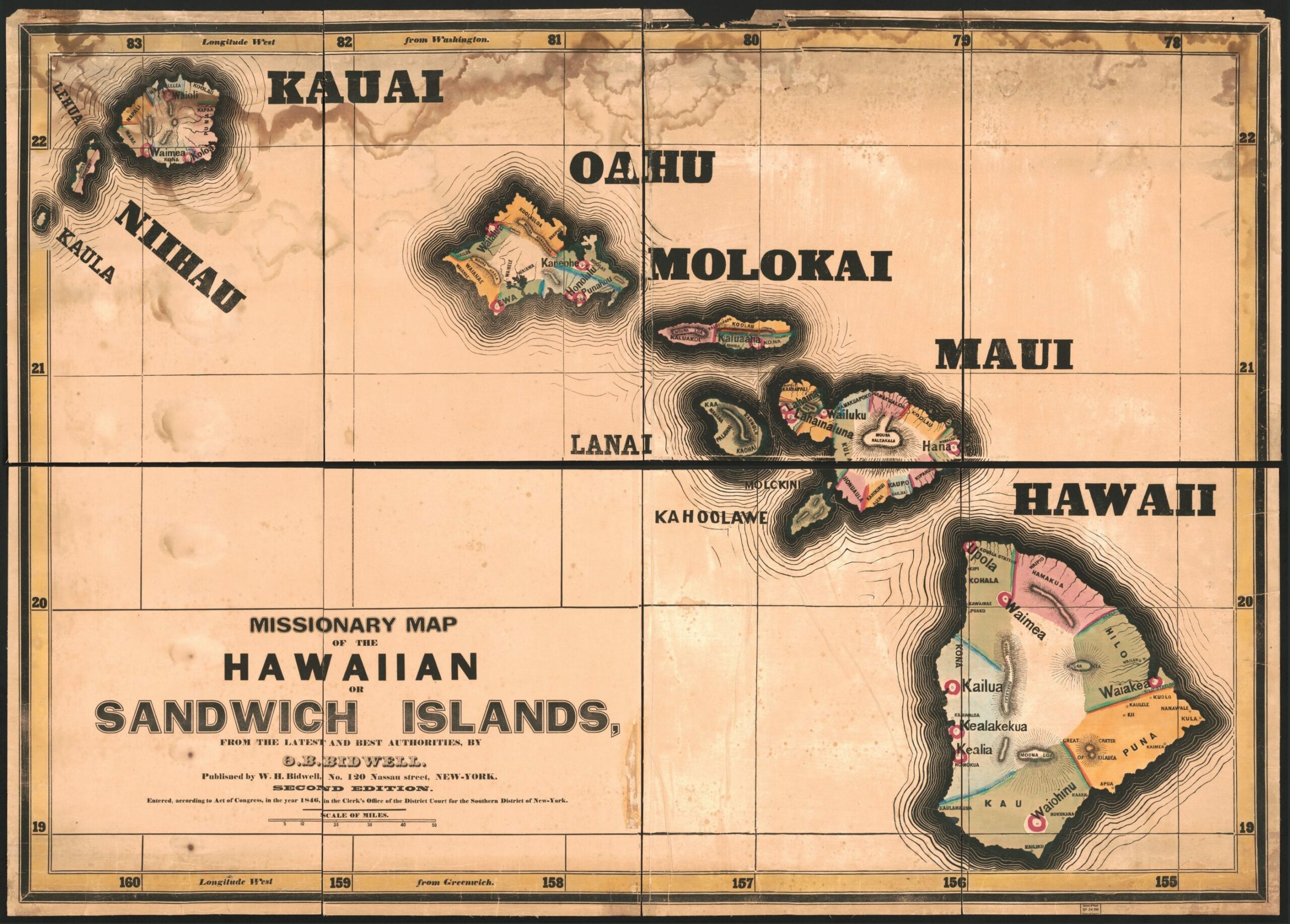
With a more expansionist-minded President William McKinley in office, the political will for annexation gained momentum. While a two-thirds majority in the Senate required for a treaty faced strong opposition, proponents found a workaround. Instead of a treaty, they pursued a joint resolution, which only required a simple majority in both the House and Senate. This legislative maneuver bypassed the higher bar for treaty ratification. On July 7, 1898, President McKinley signed the Newlands Resolution into law, officially annexing the Republic of Hawaii to the United States. The formal transfer of sovereignty occurred on August 12, 1898, at Iolani Palace in Honolulu, marking the end of the Hawaiian Kingdom and the beginning of its status as a U.S. territory. This swift act cemented America’s presence in the Pacific and fundamentally altered the destiny of the Hawaiian islands.
Hawaii as a U.S. Territory and Beyond
Following annexation, Hawaii officially became a territory of the United States on April 30, 1900, with the passage of the Hawaiian Organic Act. This act established a territorial government, with a governor appointed by the U.S. president, a bicameral legislature, and the right for residents to elect a non-voting delegate to Congress. While it granted U.S. citizenship to residents, it did not provide full political representation, leading to decades of advocacy for statehood. The territorial period was characterized by significant economic growth, particularly in agriculture and military development, forever intertwining Hawaii’s fate with that of the mainland U.S.
The transformation was profound, affecting everything from land ownership and governance to social structures and cultural practices. Despite the political changes, the unique spirit and cultural identity of the Hawaiian people endured, creating a vibrant blend of tradition and modernity that defines the islands today. This period laid the groundwork for Hawaii’s eventual statehood in 1959, solidifying its position as an integral part of the American landscape and a gateway to the Pacific.
Economic Transformation and Military Significance
As a U.S. territory, Hawaii underwent rapid economic expansion and became a crucial strategic military outpost. The sugar and pineapple industries, dominated by the “Big Five” corporations (American Factors, C. Brewer & Co., Castle & Cooke, Theo H. Davies & Co., and Alexander & Baldwin), flourished with unrestricted access to American markets. This agricultural boom led to further immigration, enriching Hawaii’s already diverse population with new waves of laborers from Asia and other Pacific islands. The capital city of Honolulu grew into a bustling port, serving as a hub for trade and commerce.
Simultaneously, Hawaii’s military importance escalated. Pearl Harbor, already recognized for its strategic value, was developed into a major naval base, becoming the headquarters of the U.S. Pacific Fleet. Other military installations, such as [Schofield Barracks](https://lifeoutofthebox.com/schofield- barracks) on Oahu, further solidified the islands’ role as a frontline defense for the United States in the Pacific. This military buildup had a profound impact on the islands’ economy and social fabric, bringing thousands of service members and their families to Hawaii and further integrating the territory into the American sphere. The attack on Pearl Harbor in December 1941, which propelled the U.S. into World War II, underscored Hawaii’s indispensable role in national security and further fueled calls for statehood.
A Modern Paradise: Hawaii’s Enduring Allure for Travelers
Decades after its annexation and subsequent statehood, Hawaii has blossomed into one of the world’s most coveted travel destinations. Its unique blend of stunning natural beauty, rich cultural heritage, and modern amenities offers an unparalleled experience for visitors. From luxury travelers seeking opulent resorts with world-class amenities to adventurous backpackers exploring active volcanoes and lush rainforests, Hawaii caters to a broad spectrum of interests and lifestyles.
The islands are famous for their diverse landscapes: the iconic surf breaks of Waikiki Beach on Oahu, the dramatic cliffs of the Na Pali Coast on Kauai, the volcanic majesty of Hawaii Volcanoes National Park on the Big Island, and the breathtaking sunrises from Haleakala on Maui. Each island presents its own distinct charm and a wealth of activities, from snorkeling in crystal-clear waters at Hanauma Bay to hiking through bamboo forests and discovering hidden waterfalls. The vibrant local culture, a fusion of native Hawaiian, Asian, and American influences, is palpable in its music, dance (especially hula), language, and, of course, its delectable cuisine. Visitors can savor traditional luau feasts, fresh poke, and an array of international flavors. Hawaii’s commitment to preserving its natural environment and cultural traditions ensures that its appeal as a modern paradise will endure for generations to come, inviting travelers to explore its depths and connect with its soul.
Experiencing Modern Hawaii: A Traveler’s Guide
For those planning a trip to Hawaii today, the islands offer an intoxicating mix of history, adventure, relaxation, and cultural immersion. The infrastructure for tourism is highly developed, with options ranging from extravagant resorts to charming boutique hotels and cozy vacation rentals. Travelers can tailor their experience to their preferences, whether seeking a luxurious escape, an eco-adventure, or a deep dive into the local way of life. Understanding the distinct character of each major island can help in crafting the perfect itinerary, ensuring that every moment spent in this Pacific paradise is unforgettable.
From exploring historical landmarks that tell the story of the kingdom and annexation to indulging in the vibrant contemporary culture, Hawaii provides a rich tapestry of experiences. The emphasis on aloha spirit—a philosophy of love, peace, compassion, and respect—permeates daily life and interactions, making visitors feel welcome and connected to the islands. Whether it’s your first time or a return visit, Hawaii consistently delivers an enriching and awe-inspiring journey that transcends mere tourism.
Iconic Destinations and Cultural Immersion
Exploring Hawaii is a journey through diverse landscapes and profound cultural experiences. On Oahu, the bustling capital island, visitors can explore historic sites like Pearl Harbor, a poignant reminder of World War II, and the solemn USS Arizona Memorial. For a glimpse into the monarchy’s past, Iolani Palace in Honolulu offers a unique opportunity to walk through the only official residence of royalty in the United States. Beyond history, Oahu boasts the iconic surf breaks of the North Shore and the vibrant urban energy of Waikiki.
Maui, often dubbed “The Valley Isle,” offers stunning natural beauty, from the scenic Road to Hana with its cascading waterfalls and lush rainforests to the majestic dormant volcano of Haleakalā, ideal for sunrise viewing. The historic whaling town of Lahaina provides a charming mix of art galleries, shops, and restaurants. On the Big Island of Hawaii, geological wonders take center stage. Travelers can witness the raw power of creation at Hawaii Volcanoes National Park, home to active volcanoes like Kilauea, and explore the vast, otherworldly landscapes shaped by lava flows. The island is also home to Mauna Kea, a dormant volcano that hosts world-class astronomical observatories. Meanwhile, Kauai, “The Garden Isle,” mesmerizes with its dramatic Na Pali Coast and the breathtaking expanse of Waimea Canyon, often called the “Grand Canyon of the Pacific.”
Cultural immersion opportunities abound across all islands. Visitors can participate in a traditional luau, learn the art of hula, or explore the spiritual significance of ancient Hawaiian sites (heiau). The Polynesian Cultural Center on Oahu offers an educational and entertaining journey through the diverse cultures of Polynesia. Local food tours, farmers’ markets, and festivals provide insights into the island’s unique culinary landscape, showcasing a fusion of Hawaiian, Asian, and Western flavors.
Accommodation and Lifestyle Choices
When it comes to accommodation in Hawaii, the options are as varied as the islands themselves, catering to every budget and travel style. For those seeking a luxury travel experience, world-renowned resorts such as the Four Seasons Resort Maui at Wailea or the St. Regis Princeville Resort on Kauai offer unparalleled service, exquisite suites, private villas, and an array of amenities like spa services, championship golf courses, and fine dining. These resorts often provide direct beach access, concierge services, and exclusive excursions, ensuring a pampered and unforgettable stay.
Mid-range hotels and vacation apartments are plentiful, especially in popular areas like Waikiki on Oahu and Ka’anapali on Maui, offering comfortable stays with a balance of services and affordability. Many properties cater to family trips, featuring kid-friendly pools, activities, and spacious rooms. For budget travel or those seeking a more local experience, charming boutique hotels, guesthouses, and vacation rentals (like those found on Airbnb or VRBO) provide excellent alternatives. These options often allow for self-catering, which can be a significant cost-saver, and offer a more intimate connection to the local community.
Booking accommodation in advance is highly recommended, especially during peak seasons, and utilizing comparison websites can help secure the best deals. Beyond traditional stays, Hawaii also offers unique experiences such as eco-lodges in remote areas, glamping sites, and even long-term stay options for digital nomads or those seeking a more extended immersion. Regardless of the choice, the warmth of the Hawaiian welcome and the breathtaking backdrop of the islands guarantee a memorable experience, solidifying Hawaii’s reputation as a timeless destination for all types of travelers.
LifeOutOfTheBox is a participant in the Amazon Services LLC Associates Program, an affiliate advertising program designed to provide a means for sites to earn advertising fees by advertising and linking to Amazon.com. Amazon, the Amazon logo, AmazonSupply, and the AmazonSupply logo are trademarks of Amazon.com, Inc. or its affiliates. As an Amazon Associate we earn affiliate commissions from qualifying purchases.