
The question “When was Hawaii discovered?” often sparks a debate that delves deep into history, challenging conventional narratives and illuminating the incredible feats of ancient navigators. While many Western texts might point to a specific date in the late 18th century, the truth is far more complex and captivating. Hawaii was not a blank slate awaiting European “discovery”; it was a thriving civilization, meticulously settled and nurtured by generations of intrepid Polynesian voyagers centuries before any European ever laid eyes on its shores. Understanding this rich, layered history is crucial for any traveler seeking to truly appreciate the islands beyond their postcard-perfect beaches and luxurious resorts. It’s an invitation to explore the profound cultural heritage, the stunning landmarks, and the vibrant lifestyle that make the Hawaiian Islands a truly unique destination.
The Polynesian Voyagers: Hawaii’s True Discoverers
Long before European ships charted the vast expanses of the Pacific Ocean, a sophisticated civilization of master navigators had already crisscrossed its waters, driven by curiosity, necessity, and an unparalleled understanding of the natural world. These were the Polynesians, whose epic journeys led them to settle nearly every habitable island within the vast Polynesian Triangle, a region stretching from New Zealand in the southwest to Easter Island in the southeast, and Hawaii to the north. Their legacy is not just a historical footnote but the very foundation of Hawaiian culture, visible in every aspect of the islands’ unique identity, from language and traditions to the deeply ingrained respect for nature.
Navigating by Stars and Sea: The Great Migration
The initial discovery and settlement of Hawaii by Polynesians is a testament to human ingenuity and courage. While precise dates are debated among historians, archaeological evidence suggests that the first waves of settlers arrived between 300 and 800 CE. These voyagers embarked on journeys of thousands of miles across open ocean in massive double-hulled canoes, known as waʻa kaulua. These vessels, sometimes over 80 feet long, were capable of carrying dozens of people, plants, and animals, acting as floating villages designed for long-distance travel.
What makes their feat truly extraordinary is their navigation system. Without modern instruments, these ancient mariners relied on an intricate knowledge of celestial bodies – the sun, moon, and stars – as well as ocean swells, cloud formations, wind patterns, and the flight paths of birds. They could detect subtle changes in water temperature, salinity, and the reflection of land in the clouds, guiding them across the seemingly featureless expanse of the Pacific. It’s believed that the earliest settlers came from the Marquesas Islands, with subsequent waves arriving from Tahiti around 1000-1200 CE, bringing new cultural influences and strengthening the burgeoning society.
Imagine the sight that greeted them: lush, volcanic islands rising dramatically from the sea, teeming with endemic flora and fauna, and devoid of human presence. It was a blank canvas, a new world waiting to be shaped. The physical and intellectual demands of these voyages underscore the profound connection Polynesians had with their environment and their insatiable spirit of exploration, a spirit that continues to inspire awe and curiosity in travelers to this day. The Polynesian Cultural Center on Oahu offers a fantastic glimpse into these ancient traditions, showcasing authentic village settings and performances that celebrate the legacy of these master navigators and the diverse cultures of Polynesia.
Establishing a Paradise: Early Hawaiian Society and Culture
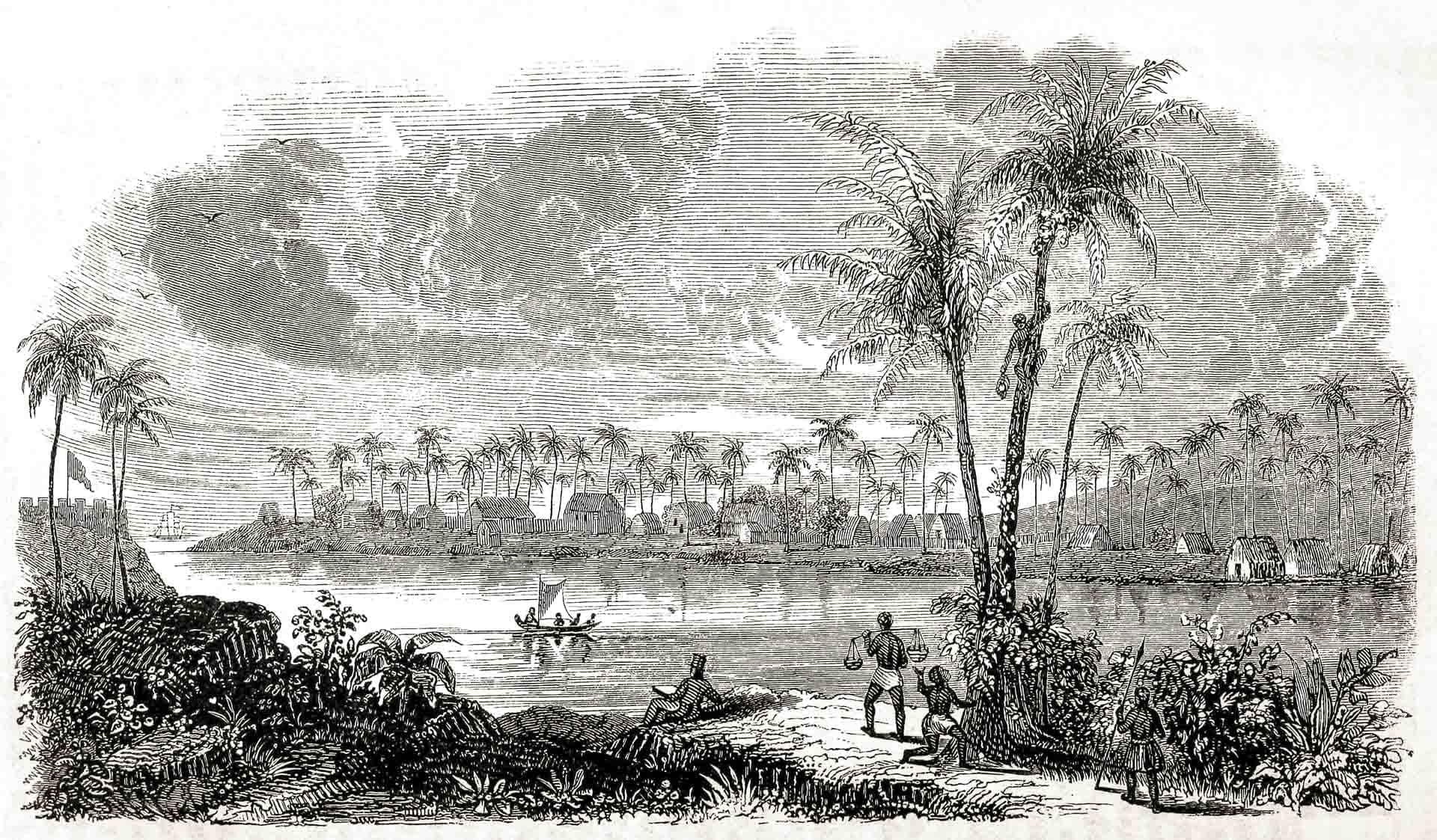
Upon their arrival, the Polynesian settlers began the arduous but rewarding task of transforming these wild islands into a sustainable home. They brought with them “canoe plants” – essential crops like taro, breadfruit, bananas, and sugarcane, along with animals like pigs, chickens, and dogs. Through intensive agriculture, particularly the cultivation of taro in elaborate loʻi (irrigated terraces), they engineered a self-sufficient food system capable of feeding a large population. This ingenuity highlights the deep ecological wisdom and resourcefulness that characterized early Hawaiian society.
The social structure that developed was highly organized and hierarchical, centered around the aliʻi (chiefs), who held spiritual and political power, and the makaʻainana (commoners), who farmed the land and fished the seas. A complex system of kapu (taboos or sacred laws) governed daily life, ensuring social order, resource management, and spiritual harmony. Religion played a central role, with a pantheon of gods and goddesses, including Pele, the goddess of volcanoes, whose presence is still felt profoundly on the Big Island in places like Hawaii Volcanoes National Park.
The distinct Hawaiian language, ʻōlelo Hawaiʻi, evolved over centuries, along with unique art forms, chants (mele), and the graceful dance of hula, which served not just as entertainment but as a living record of history, genealogy, and spiritual beliefs. This vibrant culture flourished in isolation for over a thousand years, shaping the very land and seas around them with a profound sense of aloha (love, compassion) and mālama ʻāina (to care for the land). Today, visitors can connect with this rich heritage through local cultural events, historical sites, and even the design elements found in many of Hawaii’s finest hotels and resorts, which often draw inspiration from traditional Hawaiian architecture and art.

European Contact: A New Era for Hawaii
The relative isolation of the Hawaiian Islands came to an abrupt end in the late 18th century, marking a dramatic turning point in their history. While the Polynesians had “discovered” Hawaii through planned voyages of settlement, European contact initiated a different kind of discovery – one driven by global exploration, trade, and ultimately, geopolitical ambition. This period irrevocably altered the course of Hawaiian society, economy, and political landscape, introducing both opportunities and immense challenges.
Captain James Cook’s Arrival and Its Impact
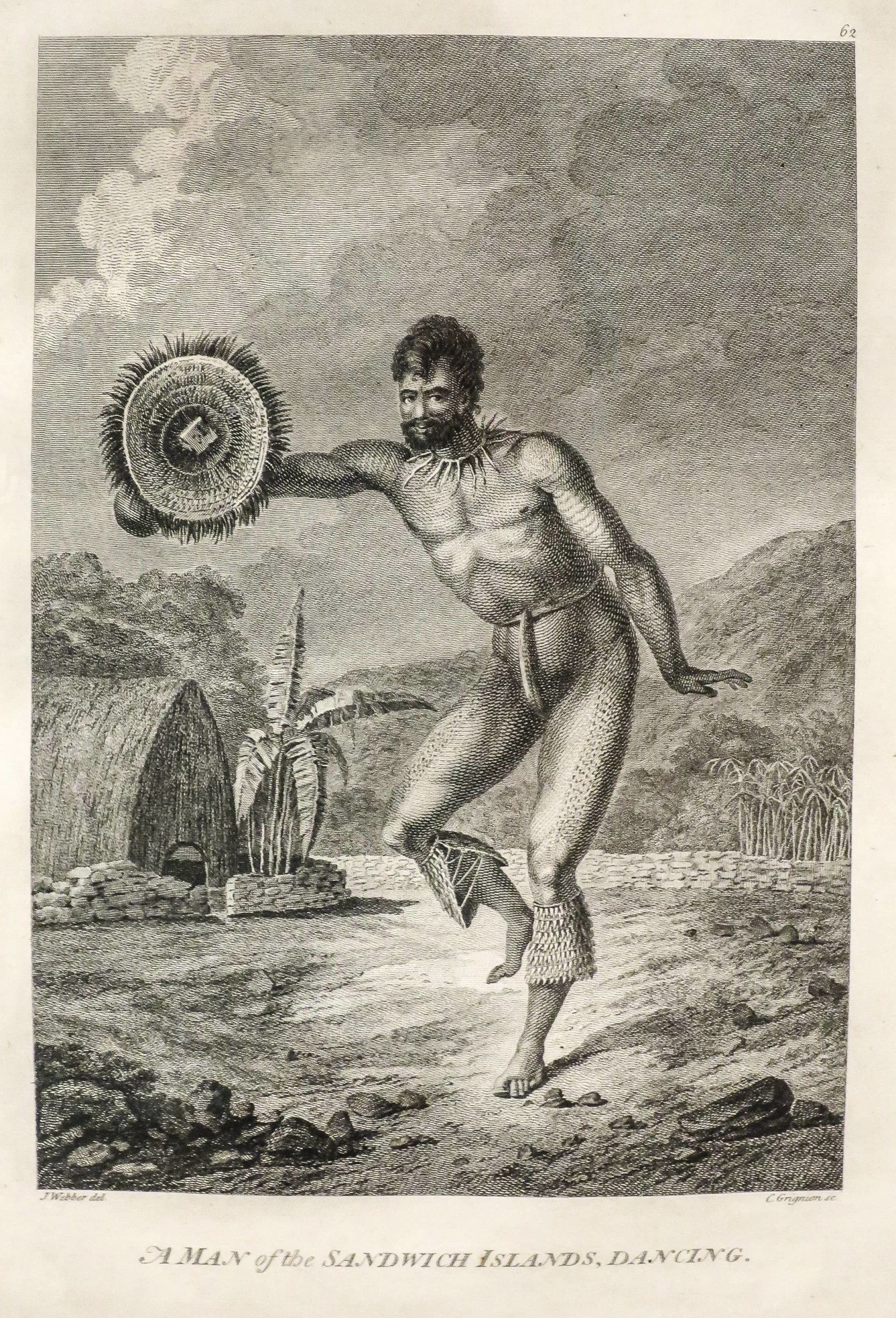
The widely cited date for the European “discovery” of Hawaii is January 18, 1778, when Captain James Cook of the British Royal Navy, commanding the ships HMS Resolution and HMS Discovery, stumbled upon the islands during his third voyage of exploration in the Pacific. Cook initially sighted Oahu and Kauai, landing first on Kauai at Waimea Bay. He was astonished to find a sophisticated, thriving society in the middle of the vast ocean, a population estimated at around 300,000 to 400,000 people.
Cook named the archipelago the “Sandwich Islands” in honor of his patron, John Montagu, 4th Earl of Sandwich. His initial interactions with the Hawaiians were complex. He and his crew were initially greeted with reverence, as the timing of their arrival coincided with the Makahiki festival, a traditional period of peace and harvest dedicated to the god Lono. Some Hawaiians may have initially perceived Cook as an embodiment of Lono, arriving by sea on massive, unfamiliar vessels. This perception, combined with the novelty of European goods like iron tools, led to an initial period of relatively peaceful exchange.
However, the second encounter, during Cook’s return to the islands in 1779, proved tragic. After an initially warm welcome at Kealakekua Bay on the Big Island, relations deteriorated due to misunderstandings, theft, and increasing tensions. On February 14, 1779, Captain Cook was killed in a skirmish with Hawaiians on the shore of Kealakekua Bay.
The impact of Cook’s arrival extended far beyond his ill-fated demise. It opened the floodgates to Western contact, leading to the introduction of new technologies, ideas, and, devastatingly, diseases against which the Hawaiians had no immunity. Diseases like influenza, measles, and syphilis decimated the indigenous population, leading to a catastrophic decline from hundreds of thousands to just tens of thousands within a century. This demographic collapse profoundly affected Hawaiian society, economy, and culture, yet the spirit of the people endured.
From Kingdom to State: The Shaping of Modern Hawaii
The period following Cook’s arrival was one of immense change and consolidation for the Hawaiian Islands. Observing the effectiveness of Western weapons and political structures, a brilliant chief named Kamehameha began a campaign to unite the warring island chiefdoms. By 1810, through strategic alliances and military conquests, he had successfully united all the islands under a single rule, establishing the Kingdom of Hawaii. As King Kamehameha I, he proved to be an astute leader, navigating the complex diplomatic waters of burgeoning European and American influence, initiating trade, and establishing a stable monarchy. The impressive Kamehameha Statue in downtown Honolulu stands as a powerful tribute to his legacy, a must-see attraction for anyone interested in Hawaiian history.
The 19th century saw increasing Western influence. American missionaries arrived in 1820, bringing Christianity and Western education, significantly impacting traditional Hawaiian beliefs and practices. Whaling ships and merchant vessels frequented Hawaiian ports, transforming the islands into a critical hub in the Pacific trade routes. European and American powers recognized the Kingdom of Hawaii as a sovereign nation for decades. However, the late 19th century brought growing American economic and political interests, particularly from sugar planters who held significant power.
In a controversial move, the Hawaiian monarchy, under its last reigning monarch, Queen Liliʻuokalani, was overthrown in 1893 by a group of American and European businessmen, supported by the United States military. Despite the Queen’s eloquent protests and strong international opposition, Hawaii was eventually annexed by the United States in 1898 and became a U.S. territory. Finally, in 1959, Hawaii achieved statehood, becoming the 50th U.S. state. The beautiful ʻIolani Palace in Honolulu, the only official residence of royalty in the United States, stands as a poignant reminder of this era, offering tours that bring the grandeur and the heartbreak of the monarchy to life.
Experiencing Hawaii’s Rich Heritage Today: A Traveler’s Perspective
For the modern traveler, understanding Hawaii’s dual “discoveries” – the ancient Polynesian settlement and the subsequent European contact – enriches the travel experience immeasurably. It transforms a simple beach vacation into an opportunity for deep cultural immersion, historical exploration, and a profound appreciation for resilience. Hawaii today is a vibrant tapestry woven from indigenous traditions, missionary influences, plantation-era contributions from Asia and Europe, and contemporary American culture. This blend makes it a fascinating destination for those seeking more than just sun and sand.
Cultural Immersion: Connecting with Ancient Traditions
Engaging with Hawaii’s living culture is perhaps the most rewarding aspect of a visit. While the postcard images often depict pristine beaches, the heart of Hawaii lies in its aloha spirit and its commitment to preserving and revitalizing ancient traditions. Many organizations and attractions are dedicated to sharing this heritage.
The aforementioned Polynesian Cultural Center is a prime example, offering a comprehensive and interactive experience of various Pacific cultures, including a deep dive into ancient Hawaiian practices. Visitors can learn about traditional crafts, enjoy authentic luaus (traditional Hawaiian feasts with entertainment), and witness captivating hula performances that tell stories of gods, heroes, and nature. Similarly, the Bishop Museum in Honolulu is an invaluable resource, housing the world’s largest collection of Polynesian cultural and natural history artifacts, providing unparalleled insights into the voyaging past and the intricate social structures of early Hawaii.
Beyond formal attractions, travelers can experience culture by participating in local festivals, sampling traditional Hawaiian cuisine like poi, kalua pig, and poke, or even learning a few phrases of ʻōlelo Hawaiʻi. Many local communities on islands like Maui and the Big Island offer workshops on lei making, ukulele playing, or traditional farming. Responsible tourism also means respecting local customs, supporting local businesses, and understanding the significance of sacred sites, ensuring that the mālama ʻāina philosophy is embraced by visitors and residents alike.
Iconic Landmarks and Historical Sites
Hawaii’s landscape is dotted with landmarks that tell its epic story, blending natural wonders with historical significance. On Oahu, a visit to Pearl Harbor and the USS Arizona Memorial is a sobering reminder of a pivotal moment in 20th-century history, when the islands were thrust onto the global stage during World War II. Nearby, the majestic volcanic crater of Diamond Head offers not only breathtaking panoramic views of Waikiki but also a historical glimpse into its past as a strategic military lookout.
For those drawn to the more ancient past, the Puʻuhonua o Hōnaunau National Historical Park on the Big Island provides an immersive experience of a traditional place of refuge, where kapu breakers could seek absolution. The same island is home to Hawaii Volcanoes National Park, where the active volcanoes of Kilauea and Mauna Loa continuously shape the land, connecting visitors directly to the primal forces revered by ancient Hawaiians and associated with the goddess Pele. On Maui, the scenic Road to Hana winds through lush rainforests and past ancient heiau (temples) and waterfalls, while the summit of Haleakala offers spectacular sunrises and a landscape that feels otherworldly. Each island presents its own unique array of historical and natural wonders, from the dramatic Na Pali Coast on Kauai to the serene beaches of Lanai.
Where to Stay: Accommodations Reflecting Hawaii’s Spirit
Integrating the spirit of Hawaii’s discovery and rich heritage into your travel experience extends to your choice of accommodation. Many of Hawaii’s hotels and resorts are designed not just for luxury and comfort but also to reflect and celebrate the islands’ unique culture and history. From opulent beachfront villas to charming boutique apartments and eco-friendly lodges, there’s a wide array of choices for every lifestyle and budget.
On Oahu, the iconic The Royal Hawaiian, a Luxury Collection Resort, affectionately known as the “Pink Palace of the Pacific,” offers a glimpse into Waikiki’s glamorous past, blending historic elegance with modern amenities. For those seeking contemporary luxury with a strong sense of place, the Four Seasons Resort Oahu at Ko Olina provides a tranquil escape with exceptional service and breathtaking ocean views.
On Maui, the Four Seasons Resort Maui at Wailea is renowned for its impeccable service and expansive suites, often incorporating local art and design. For a more secluded and authentic experience, smaller, locally-owned boutique hotels or vacation rentals away from the main tourist hubs can offer deeper connections to local communities and their way of life. Many properties, particularly those focused on sustainability, emphasize local sourcing for food, traditional Hawaiian architectural elements, and programs that educate guests about the islands’ environment and culture.
Booking your stay often comes with the added benefit of on-site cultural activities or concierge services that can arrange authentic local experiences, from private hula lessons to guided historical tours. Whether you prefer the grandeur of a five-star resort or the intimacy of a quaint inn, choosing accommodation that resonates with Hawaii’s story can significantly enhance your appreciation for this extraordinary destination.
The question “When was Hawaii discovered?” is not just a query about dates but an invitation to uncover layers of history, culture, and human endeavor. It’s a journey from the awe-inspiring voyages of the Polynesians, who truly discovered and nurtured these islands, to the dramatic encounters with European explorers, and finally, to the vibrant, multicultural state Hawaii is today. By exploring its ancient roots, engaging with its rich cultural traditions, visiting its powerful historical landmarks, and choosing accommodation that respects its heritage, travelers can experience Hawaii not just as a beautiful place, but as a living testament to an incredible past. It’s a journey that promises not just relaxation, but profound discovery.
LifeOutOfTheBox is a participant in the Amazon Services LLC Associates Program, an affiliate advertising program designed to provide a means for sites to earn advertising fees by advertising and linking to Amazon.com. Amazon, the Amazon logo, AmazonSupply, and the AmazonSupply logo are trademarks of Amazon.com, Inc. or its affiliates. As an Amazon Associate we earn affiliate commissions from qualifying purchases.