
The question “When was Hawaii founded?” often evokes images of pristine beaches, lush volcanoes, and vibrant culture. However, to truly understand the ‘founding’ of this unique archipelago, one must delve into a rich tapestry of history, spanning thousands of years of Polynesian migration, European exploration, monarchical rule, and eventual statehood. Hawaii wasn’t founded in a single moment, but rather evolved through distinct periods, each leaving an indelible mark on its identity. This journey from ancient settlements to a world-renowned travel destination is a story of resilience, cultural exchange, and breathtaking natural beauty, deeply intertwined with the topics of travel, tourism, accommodation, landmarks, and lifestyle.
The Ancient Origins of the Hawaiian Islands
The true origins of Hawaii begin not with a Western explorer’s flag, but with the incredible navigational prowess of ancient Polynesians. These intrepid seafarers, with their sophisticated knowledge of stars, currents, and swell patterns, embarked on some of the most remarkable voyages in human history.
Polynesian Voyagers: The First Settlers
The first ‘founding’ of Hawaii occurred roughly between 400 and 800 CE. It was during this period that skilled Polynesian navigators, likely originating from the Marquesas Islands, set sail across thousands of miles of open ocean in double-hulled canoes. These canoes were not simple vessels; they were marvels of engineering, capable of carrying entire communities, complete with plants, animals (like pigs, chickens, and dogs), and all the tools necessary to establish a new civilization.
Upon discovering the fertile volcanic islands, these early settlers established communities, bringing with them a rich cultural heritage that included their language, traditions, spiritual beliefs, and intricate social structures. This initial wave of migration laid the groundwork for what would become the unique Hawaiian culture. A second significant wave of migration, possibly from Tahiti, is believed to have occurred around the 11th century, bringing new cultural influences, religious practices, and possibly even reinforcing the population. These early settlers were the true founders, adapting to the island environment and cultivating a society intrinsically linked to the land and sea.
Establishing Early Hawaiian Society and Culture
Over centuries, the isolated island environment allowed a distinct Hawaiian culture to flourish. The early settlers developed a complex social hierarchy, with a system of chiefs (aliʻi) governing various districts and islands. A sophisticated religious system, centered around numerous gods and goddesses, dictated daily life and important rituals. The concept of kapu, or sacred laws and prohibitions, governed everything from fishing practices to social interactions, ensuring the sustainability of resources and the maintenance of social order.
Agriculture thrived, with crops like taro, breadfruit, sweet potato, and sugarcane becoming staples. Elaborate irrigation systems were engineered to cultivate kalo (taro) in terraced fields, showcasing remarkable ingenuity. Fishing was also paramount, and the Hawaiians developed advanced techniques and tools to harvest the abundant marine life. Art forms such as hula, chant, surfing, and intricate carving blossomed, expressing the deep connection between the people and their environment. The hula, for instance, was not merely a dance but a spiritual practice, a way to pass down history, mythology, and cultural knowledge through generations. This long period of independent cultural development truly forged the foundational identity of the Hawaiian people, long before any external contact.
European Encounters and the Rise of the Kingdom
The tranquil isolation of the Hawaiian Islands came to an abrupt end in the late 18th century, initiating a new chapter in the archipelago’s history—one marked by both opportunity and profound challenge.
Captain Cook’s Arrival and its Impact
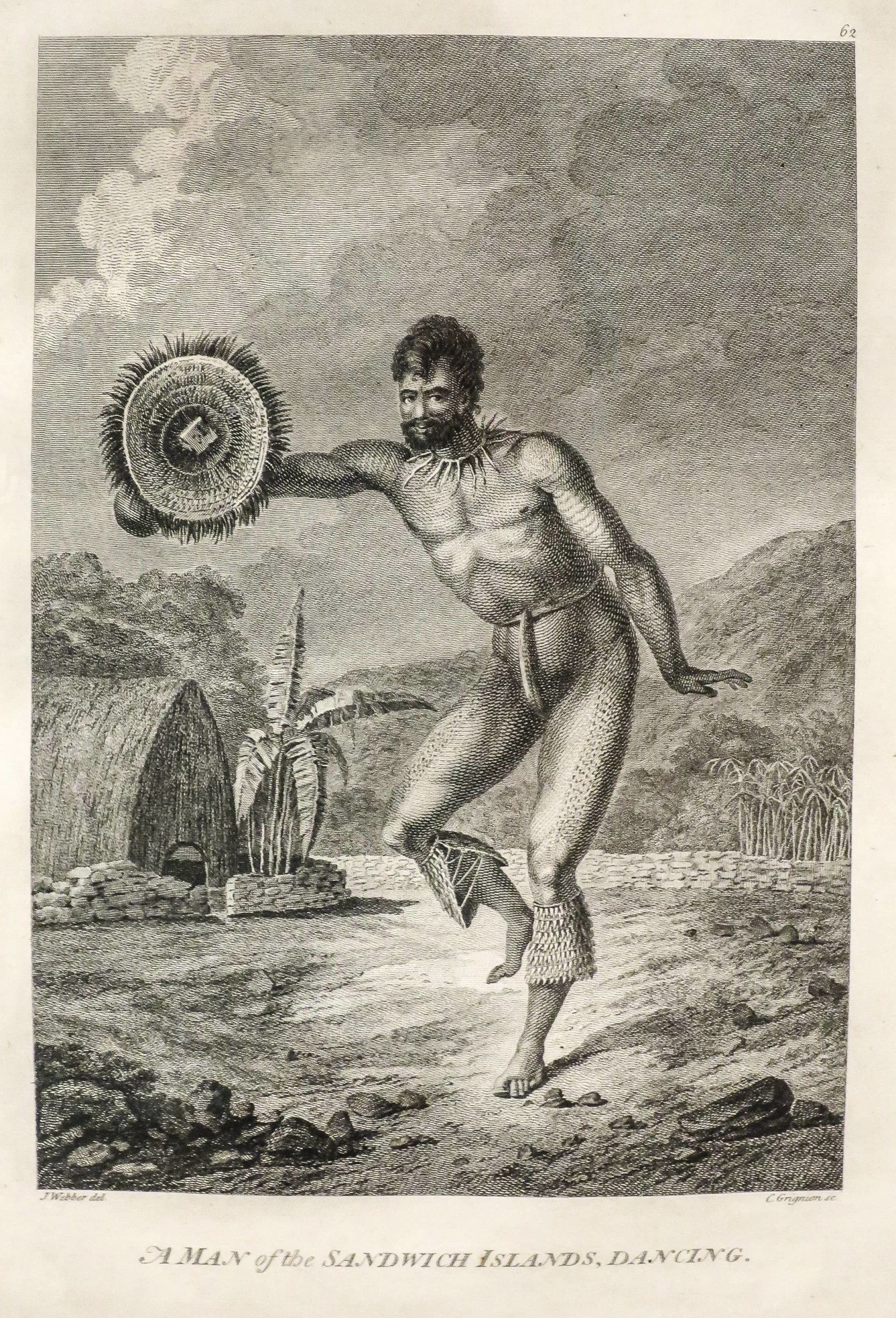
The first documented European contact with Hawaii occurred on January 18, 1778, when British explorer Captain James Cook unexpectedly sighted the islands of Oahu and Kauai. He named them the “Sandwich Islands” in honor of his patron, the Earl of Sandwich. Cook’s arrival introduced a host of new goods, technologies, and ideas, but also devastating diseases against which the native Hawaiian population had no immunity.
His initial interactions with the Hawaiians were largely peaceful, with mutual curiosity and trade occurring. However, a series of misunderstandings and escalating tensions ultimately led to Cook’s death in a skirmish at Kealakekua Bay on the Big Island in February 1779. Despite this tragic end, Cook’s voyages placed Hawaii on the European map, opening the islands to subsequent contact with traders, whalers, and missionaries from around the globe. This external contact dramatically altered the trajectory of Hawaiian society, introducing new political dynamics, economic systems (like the Sandalwood Trade and the Whaling Era), and challenging traditional ways of life.
The Unification Under King Kamehameha I
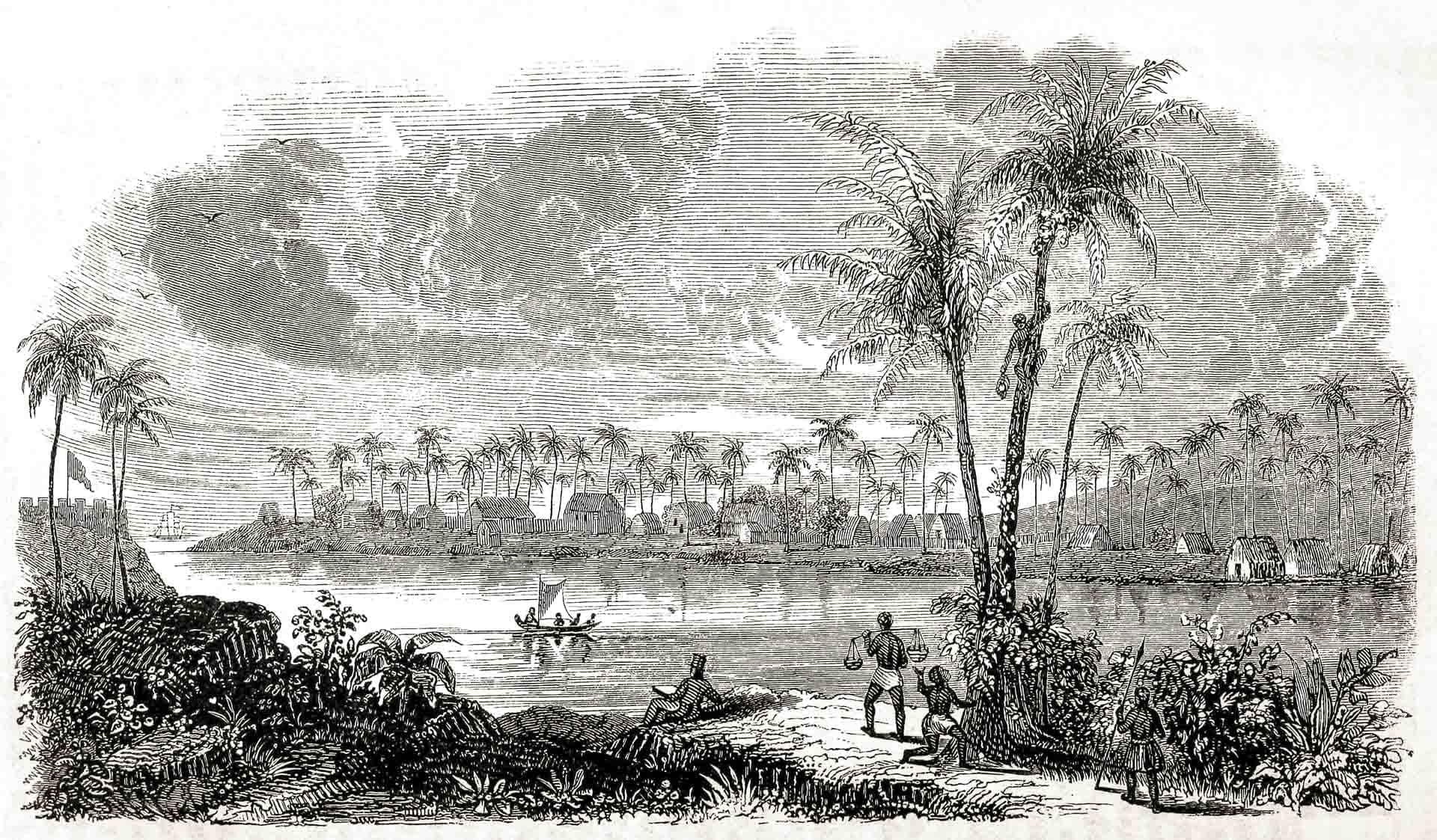
In the wake of European contact and the introduction of Western weaponry, one of Hawaii’s most iconic figures emerged: King Kamehameha I. Born on the Big Island around 1758, Kamehameha was a brilliant military strategist and diplomat. Recognizing the strategic importance of a unified kingdom in dealing with foreign powers, he embarked on a decades-long campaign to conquer and consolidate the warring chiefdoms of the islands.
Utilizing both traditional Hawaiian warfare tactics and newly acquired European cannons and muskets, Kamehameha systematically brought the islands under his control. By 1795, he had conquered all the major islands except Kauai and Niihau, which eventually ceded peacefully to his rule in 1810. This pivotal moment marked the official ‘founding’ of the Kingdom of Hawaii as a unified political entity. Kamehameha’s reign, which lasted until his death in 1819, established a centralized government, promoted trade, and maintained Hawaiian independence amidst growing foreign interest. He is revered as the unifier and founding monarch of modern Hawaii, a leader who navigated the complex waters of emerging global influence while striving to preserve his people’s sovereignty.
From Kingdom to Statehood: A Shifting Political Landscape
The 19th and early 20th centuries saw Hawaii undergo profound political transformations, shifting from an independent kingdom to a U.S. territory, and finally, to statehood.
The Overthrow of the Monarchy and Annexation
The Kingdom of Hawaii enjoyed nearly a century of independence, recognized by major world powers. However, increasing foreign influence, particularly from American business interests (largely sugar planters and missionaries), began to erode Hawaiian sovereignty. Land ownership laws were altered, and the Hawaiian monarchy’s power was gradually curtailed through imposed constitutions.
The final chapter of the kingdom unfolded in 1893. Resentment among foreign residents, who sought closer ties with the United States for economic reasons, culminated in the overthrow of Queen Liliʻuokalani, Hawaii’s last reigning monarch. A group of American and European businessmen, supported by the U.S. Marines, orchestrated a coup, establishing a Provisional Government and then the Republic of Hawaii in 1894.
Despite Queen Liliʻuokalani’s efforts to appeal to the U.S. government and her people’s widespread opposition, the islands were formally annexed by the United States in 1898, largely driven by strategic interests during the Spanish-American War. Hawaii then became a U.S. territory, marking an end to its sovereign rule and a significant shift in its identity. This period represents a complex and often painful part of Hawaiian history, with lasting impacts on native Hawaiians’ rights and cultural preservation.
Hawaii’s Path to Becoming a U.S. State
For over sixty years, Hawaii existed as a U.S. territory, experiencing significant economic development, particularly in agriculture (sugar and pineapple plantations) and military presence. The attack on Pearl Harbor on Oahu in 1941, which thrust the United States into World War II, underscored Hawaii’s crucial strategic importance to the nation.
Following the war, a strong movement for statehood gained momentum. Proponents argued that as a vital part of the nation, with a diverse population and a robust economy, Hawaii deserved full representation and the rights afforded to states. After extensive debate and a public referendum in Hawaii where residents voted overwhelmingly in favor, President Dwight D. Eisenhower signed the Hawaii Admission Act into law on August 21, 1959. On that date, Hawaii officially became the 50th state of the United States. This final ‘founding’ as a state cemented its political status and opened new avenues for its integration into the American fabric while retaining its unique cultural heritage.
Hawaii Today: A Global Tourism Destination
From ancient Polynesian settlements to a U.S. state, Hawaii has continuously evolved. Today, it stands as a premier global destination, celebrated for its stunning natural beauty, rich cultural experiences, and unparalleled hospitality. The islands’ history is now a cornerstone of its tourism appeal, inviting visitors to explore its past while enjoying its present.
Iconic Landmarks and Natural Wonders
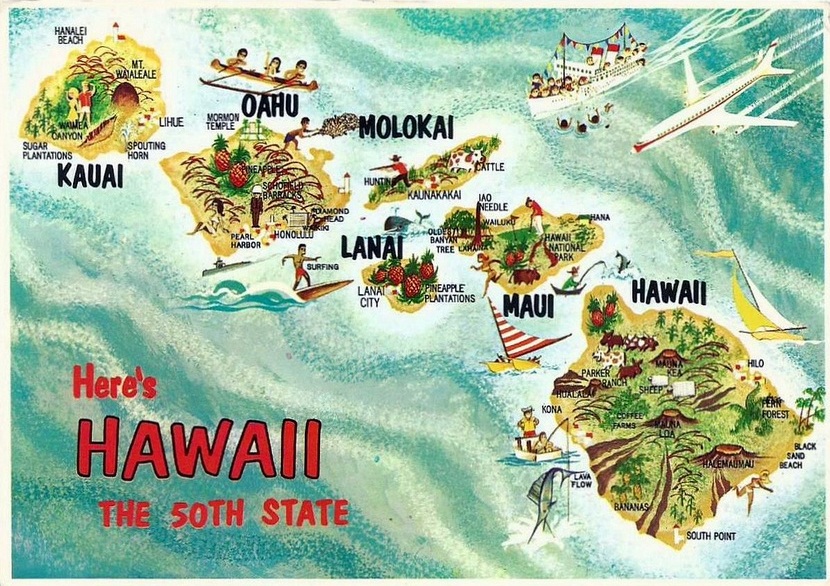
Hawaii’s geological formation, born from volcanic activity, has gifted it a landscape unlike any other, making it a dream destination for travelers seeking adventure and natural beauty. Each of the main islands—Oahu, Maui, Kauai, and the Big Island—offers a distinct set of attractions and experiences.
On Oahu, the capital city of Honolulu boasts the iconic crescent of Waikiki Beach, framed by the majestic crater of Diamond Head. Historical landmarks like Pearl Harbor offer poignant reflections on World War II, while the Iolani Palace provides a glimpse into the opulent lives of Hawaiian royalty. For cultural immersion, the Polynesian Cultural Center on the North Shore celebrates the traditions of island nations across the Pacific.
The Big Island is home to Hawaii Volcanoes National Park, where visitors can witness the raw power of creation as lava flows into the sea, constantly reshaping the island. Maui enchants with its scenic Road to Hana, the breathtaking sunrise from Haleakala National Park, and its world-class beaches. Kauai, often called the “Garden Isle,” stuns with the dramatic cliffs of the Na Pali Coast and the vast, colorful expanse of Waimea Canyon. Beyond these, the less-visited islands of Molokai and Lanai offer serene escapes and a chance to experience a more untouched side of Hawaiian life. These landmarks are not just beautiful sights; they are touchstones to Hawaii’s geological and human history, making them vital components of the visitor experience.
Modern Travel, Accommodation, and Lifestyle
The tourism industry in Hawaii has flourished, offering a diverse range of experiences to cater to every kind of traveler. From luxury resorts to charming vacation rentals, the accommodation options are as varied as the islands themselves. In Maui, resorts like the Four Seasons Resort Maui at Wailea and The Ritz-Carlton, Kapalua offer unparalleled amenities and services for those seeking an indulgent lifestyle experience. On Oahu, families flock to destinations like the Disney Aulani Resort, while the Hyatt Regency Maui Resort and Spa offers a blend of adventure and relaxation. Major hotel chains like Marriott and Hilton also have a significant presence, providing reliable comfort across the islands. Beyond traditional hotels, travelers can find numerous suites, apartments, and villas, perfect for longer stays or for those seeking a more local immersion.
Experiencing local culture is a highlight of any Hawaiian trip. Food tourism is booming, with farm-to-table restaurants showcasing fresh local produce, traditional luaus offering a taste of ancient feasts, and food trucks serving up diverse and delicious fare. Activities range from surfing lessons on the famed North Shore of Oahu, snorkeling in vibrant coral reefs, and hiking through verdant rainforests, to exploring coffee plantations on the Kona Coast of the Big Island or helicopter tours over the Na Pali Coast.
Whether travelers are pursuing luxury travel experiences at resorts like the Turtle Bay Resort, embarking on budget travel adventures, planning family trips with engaging activities for all ages, or arranging business stays that combine work with island beauty, Hawaii offers a lifestyle that blends relaxation, adventure, and cultural richness. The emphasis on sustainable tourism is growing, encouraging visitors to respect the delicate ecosystem and vibrant local communities, ensuring Hawaii remains a paradise for generations to come.
Planning Your Hawaiian Adventure
Understanding “when Hawaii was founded” provides a crucial context for appreciating its contemporary appeal. From the intrepid voyages of the first Polynesians to its dynamic present as the 50th U.S. state, Hawaii’s story is one of continuous evolution. This deep history enriches every aspect of a visit, allowing travelers to connect with the islands on a profound level.
When planning your trip, consider the historical significance of the places you visit. Walk through the hallowed grounds of Iolani Palace, reflect at Pearl Harbor, or learn about ancient traditions at the Polynesian Cultural Center. Embrace the local culture by trying traditional Hawaiian food, learning a few Hawaiian phrases, and understanding the concept of aloha as a way of life, not just a greeting.
Choosing the right accommodation, whether it’s a luxury resort in Wailea, a charming vacation rental near Mauna Kea, or a budget-friendly hotel in Honolulu, will enhance your experience. Exploring the diverse landscapes, from the volcanic fields of the Big Island to the lush valleys of Kauai and the bustling beaches of Maui, offers a lifetime of memories. Hawaii isn’t just a destination; it’s a living, breathing testament to a history of exploration, adaptation, and enduring beauty. Its founding story is etched into every sunrise over Haleakala National Park and whispered in the waves crashing on Waikiki Beach, inviting you to become a part of its ongoing narrative.