
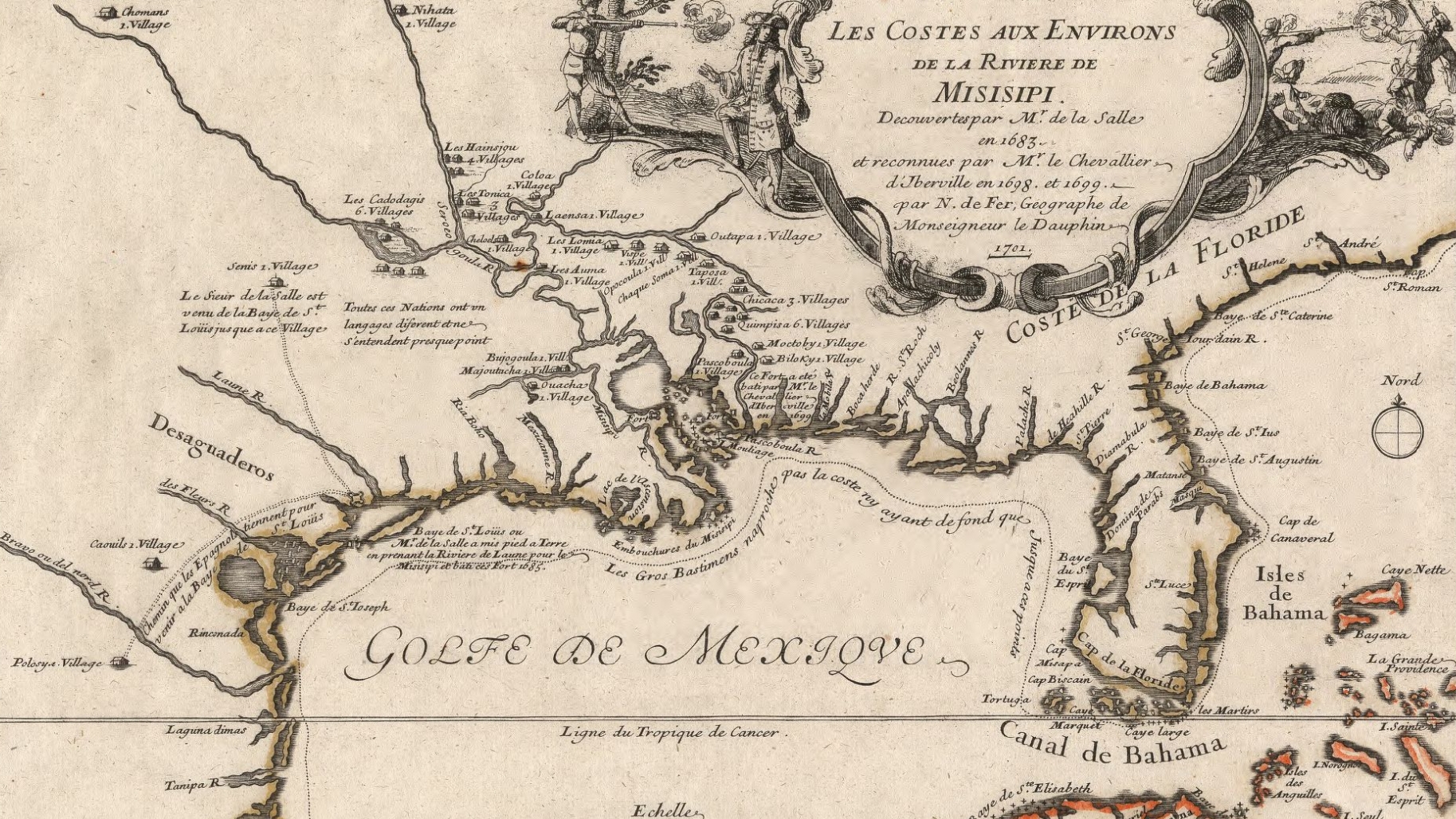
The question of when New Orleans was established opens a fascinating chapter in the annals of North American history, revealing a story rich with colonial ambition, cultural confluence, and enduring resilience. This vibrant city, a jewel in the crown of Louisiana, traces its origins back to the early 18th century, specifically to 1718. It was founded by the French Mississippi Company, under the direction of Jean-Baptiste Le Moyne de Bienville, a Canadian-born French explorer and colonial administrator.
At its inception, New Orleans was strategically positioned on a crescent bend of the Mississippi River, a location chosen for its potential to control trade routes and establish a stronghold for France in the burgeoning North American landscape. While the precise date of its formal founding is 1718, the settlement remained largely a collection of huts and temporary structures for several years. It wasn’t until 1722 that it officially became the capital of French Louisiana, marking a pivotal moment in its development from a frontier outpost to a recognized administrative center.

Understanding the establishment of New Orleans is crucial for any traveler or history enthusiast, as it lays the groundwork for appreciating the city’s unique cultural tapestry, its iconic architecture, and its distinct way of life. From its early struggles against the untamed wilderness and tropical diseases to its rise as a bustling port city, the journey of New Orleans is a testament to the diverse influences that shaped it into the unforgettable destination it is today.
The Genesis: A French Dream on the Mississippi
The story of New Orleans begins with the grand ambitions of the French colonial empire. Following Robert Cavelier de La Salle’s claim of the entire Mississippi River basin for France in 1682, naming it “Louisiana” in honor of King Louis XIV, efforts to establish a permanent presence in the region intensified. Jean-Baptiste Le Moyne de Bienville, a seasoned explorer and administrator, was instrumental in this endeavor. His vision was to create a city that could serve as a vital port, connecting the vast Mississippi River network with the Gulf of Mexico, thereby facilitating trade and strengthening French claims against rival European powers.
Bienville’s Strategic Vision and Early Challenges
Bienville’s choice of location for New Orleans was a stroke of genius, though not without its immediate difficulties. The site, a crescent bend on the Mississippi River about 100 miles upstream from its mouth, offered natural protection from storm surges and easy access to the river’s extensive waterways. It was also situated on relatively high ground (a natural levee), a critical consideration in a region prone to flooding. However, the initial years were fraught with challenges. The nascent settlement faced rampant disease, hostile Native American tribes, and the unforgiving climate of the Gulf Coast.
Despite these hardships, Bienville pressed forward, meticulously laying out the street plan for what would become the iconic French Quarter, also known as the Vieux Carré. This grid-like pattern, with its central square (now Jackson Square), reflected European urban planning principles and provided a framework for future growth. The early settlers comprised soldiers, indentured servants, and some forced immigrants, all striving to carve a new life out of the wilderness under often harsh conditions. The struggle for survival was a constant, yet the determination to establish a thriving French city persevered, laying the groundwork for the unique cultural fusion that would define New Orleans.
A Kaleidoscope of Colonial Rule: French, Spanish, and American Influence
The establishment of New Orleans in 1718 was merely the opening act in a long and complex history of colonial transitions that profoundly shaped its identity. Over the centuries, the city would pass through the hands of three major European powers and witness a remarkable evolution that embedded layers of distinct cultural influences into its very soul. These transitions not only dictated the political landscape but also infused the city with diverse architectural styles, culinary traditions, and social customs, making it a truly unique destination for travelers exploring its rich past.
The Enduring French Legacy
Even though New Orleans was under French rule for a relatively short period (from 1718 until 1762/1803), its foundational French character is undeniable and continues to be one of its most defining features. The city’s very name honors Philippe II, Duke of Orléans, then Regent of France. The grid system of the French Quarter, designed by Bienville, is a lasting testament to French planning. Early inhabitants spoke French, and the legal system initially reflected French civil law. Many of the celebrated traditions, from the vibrant festivities of Mardi Gras to the origins of Creole cuisine, have roots in this initial French period, albeit evolving significantly over time. Visitors can still feel the palpable French influence walking down Royal Street or Bourbon Street, and in the city’s reverence for its historic architecture and language.
Spanish Flair and Architectural Grandeur
In 1762, France secretly ceded Louisiana to Spain via the Treaty of Fontainebleau, a move that only became public in 1764. Spanish rule officially commenced in 1769 and lasted until 1803. While often seen through the lens of its French origins, it was actually the Spanish who largely rebuilt the city after devastating fires in 1788 and 1794. These catastrophic events forced a widespread reconstruction, leading to the distinctive Spanish colonial architecture that now defines the French Quarter.
The iconic wrought-iron balconies, stucco facades, and colorful courtyards—often mistakenly attributed solely to French design—are largely Spanish innovations implemented during this period. Landmarks such as St. Louis Cathedral, The Cabildo, and The Presbytère surrounding Jackson Square were either built or significantly reconstructed under Spanish governance. The Spanish introduced stricter slave codes, which, paradoxically, offered some slaves more rights than those under French rule, contributing to the development of a unique free people of color class that further diversified the city’s cultural mosaic. This period also saw significant economic growth as New Orleans became a crucial port for trade between Spain’s American colonies and the Gulf.
The American Acquisition and Expansion
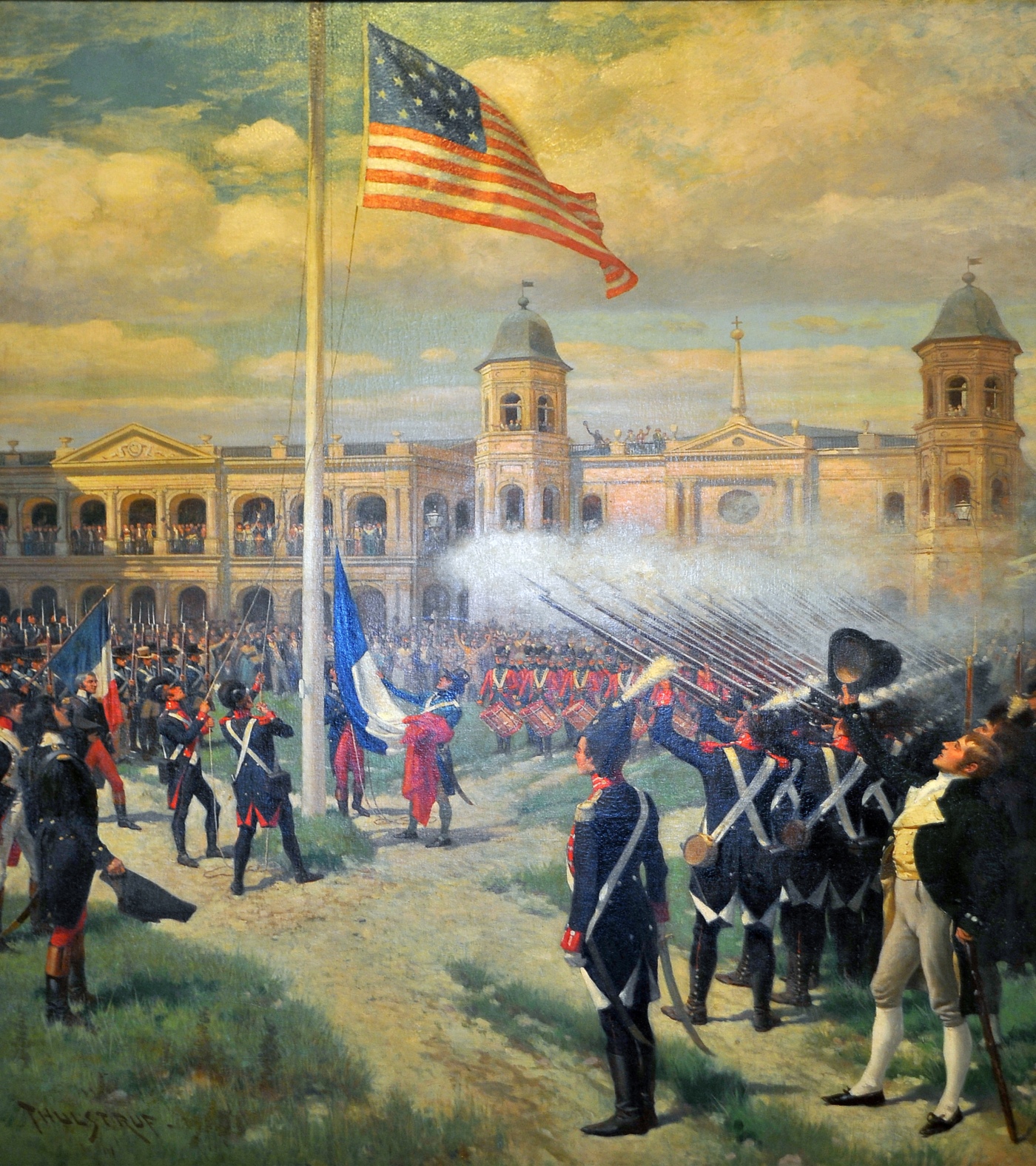
The Spanish era concluded in 1800 when Napoleon Bonaparte secretly reacquired Louisiana for France through the Treaty of San Ildefonso. However, his ambitions were soon thwarted by military setbacks and the need for funds, leading to the monumental Louisiana Purchase in 1803, through which the United States acquired the vast territory for $15 million. This acquisition marked a dramatic shift for New Orleans, transforming it from a colonial outpost into a burgeoning American city.
The influx of American settlers, particularly after the Battle of New Orleans during the War of 1812, which saw General Andrew Jackson lead American forces to a decisive victory, further cemented its place within the United States. This period brought new architectural styles, economic systems, and a clash of cultures between the established Creoles and the incoming Anglo-Americans. The expansion led to the development of new neighborhoods outside the historic core, such as the Garden District, characterized by its grand mansions and Greek Revival architecture, a stark contrast to the dense, colorful buildings of the French Quarter. The American period solidified New Orleans’ status as a major port and a vital economic engine for the entire country.
A City Forged in Culture and Resilience: Modern New Orleans
From its humble beginnings as a French settlement, New Orleans has blossomed into a global icon, celebrated for its unparalleled culture, legendary music, distinct culinary traditions, and indomitable spirit. This section explores how the tapestry of its colonial past, coupled with its inherent resilience, has shaped the modern city, making it a must-visit destination on any traveler’s list.
The Irresistible Charm of New Orleans Culture
The culture of New Orleans is a vibrant gumbo, stewed over centuries with influences from France, Spain, Africa, the Caribbean, and the United States. This unique blend manifests in every aspect of city life. The birthplace of jazz, New Orleans pulsates with music, from street performers in the French Quarter to historic clubs on Frenchmen Street. Festivals like Mardi Gras, Jazz Fest, and Satchmo SummerFest are world-renowned, drawing millions to experience the city’s joyous celebrations, intricate costumes, and infectious energy.
Local culture also thrives in its unique traditions, such as second-line parades, often impromptu processions with brass bands, and the reverence for voodoo and spiritual practices, which add an esoteric layer to the city’s mystique. The architectural heritage, particularly evident in the French Quarter and Garden District, serves as a living museum, telling stories of different eras and influences. This rich cultural landscape is not merely a backdrop for tourism; it’s the very soul of the city, actively lived and celebrated by its residents every day.
Culinary Delights: A Taste of New Orleans
No visit to New Orleans is complete without indulging in its legendary cuisine, a distinct blend of Creole and Cajun traditions. From world-famous gumbo and jambalaya to hearty po’boys and sweet beignets, the city offers a feast for the senses. Fine dining establishments like Commander’s Palace, Galatoire’s, and Antoine’s offer exquisite experiences, while countless casual eateries provide authentic, soul-satisfying dishes. The city’s food culture is deeply intertwined with its history, with many recipes passed down through generations, reflecting the diverse influences that have shaped the region. Exploring the local food markets, taking a cooking class, or simply savoring a cup of chicory coffee at Café Du Monde are essential experiences for any food lover.
Resilience and the Path Forward
The history of New Orleans is also a story of extraordinary resilience. The city has faced countless challenges, from devastating fires and epidemics in its early days to the more recent trauma of Hurricane Katrina in 2005. Each time, its people have demonstrated an unwavering spirit, rebuilding and revitalizing their cherished home with determination and creativity. This resilience is woven into the fabric of the city, evident in its ongoing restoration efforts, its commitment to preserving its heritage, and its continuous evolution. Today, New Orleans is not just a historical treasure but a dynamic, forward-looking city that continues to embrace innovation while fiercely protecting its unique identity. This spirit of perseverance makes a visit even more profound, offering insights into the strength of community and the power of culture to overcome adversity.
Planning Your New Orleans Experience: Travel, Accommodation, and Exploration
For those drawn to the allure of a city established in 1718 and steeped in centuries of history, planning a trip to New Orleans promises an unforgettable adventure. The city offers a kaleidoscope of experiences for every type of traveler, from luxury seekers to budget-conscious explorers, families, and business visitors.
Iconic Landmarks and Districts to Explore
The best way to experience New Orleans is to immerse yourself in its distinctive neighborhoods and historical sites. The French Quarter, the oldest part of the city, is a must-see, with its stunning Spanish colonial architecture, bustling streets like Bourbon Street and Royal Street, and cultural heart at Jackson Square, flanked by St. Louis Cathedral. A leisurely stroll here reveals charming courtyards, vibrant art galleries, and antique shops.
Beyond the French Quarter, the opulent Garden District offers a glimpse into 19th-century grandeur with its majestic mansions and lush gardens, best explored via the historic St. Charles Avenue streetcar. The Warehouse Arts District, once an industrial area, has transformed into a cultural hub, home to world-class institutions like the National WWII Museum and numerous art galleries. For those interested in the city’s musical roots, a visit to Tremé and Congo Square offers historical insights into the birth of jazz and African-American culture.
Nature lovers can enjoy the expansive green spaces of Audubon Park and City Park, which also host attractions like the Audubon Zoo and the Audubon Aquarium of the Americas. Don’t forget to explore the thriving local markets along Magazine Street for unique finds and a taste of local life.
Culinary Adventures and Unique Experiences
New Orleans’ culinary scene is a destination in itself. From upscale dining at Commander’s Palace to casual bites like po’boys at Parkway Bakery & Tavern, every meal is an experience. Consider a food tour to sample a range of Creole and Cajun dishes, or join a cooking class to learn the secrets of gumbo and jambalaya.
Beyond food, the city offers unparalleled experiences. Take a steamboat cruise on the Mississippi River to appreciate the city skyline from a different perspective. Explore the mysterious side of New Orleans with a ghost or voodoo tour, visiting sites like the New Orleans Historic Voodoo Museum. For music lovers, catching a live jazz performance on Frenchmen Street is essential, offering an authentic taste of the city’s musical soul.
Where to Stay: Accommodation Options for Every Traveler
New Orleans boasts a diverse array of accommodation options, catering to every style and budget. Whether you’re seeking luxury, boutique charm, or budget-friendly comfort, you’ll find it here.
- Luxury Hotels: For a lavish stay, consider iconic properties like Hotel Monteleone with its famous Carousel Bar, The Roosevelt New Orleans, A Waldorf Astoria Hotel, or the Windsor Court Hotel. Many upscale hotels, including the Ritz-Carlton, New Orleans and Four Seasons Hotel New Orleans, are located in the French Quarter or the adjacent Central Business District, offering easy access to attractions.
- Boutique and Historic Hotels: For a more intimate experience, charming boutique hotels abound. Options like Hotel Peter and Paul in the Marigny, Ace Hotel New Orleans in the Warehouse Arts District, or The Old No. 77 Hotel & Chandlery offer unique character and local flair. Many guesthouses and bed & breakfasts in the French Quarter and Faubourg Marigny provide an authentic local experience.
- Chain Hotels and Resorts: Major chains like Marriott, Hilton, and Hyatt also have a strong presence, particularly in the Central Business District and near the Convention Center, offering reliable amenities and loyalty program benefits. Harrah’s New Orleans Hotel & Casino combines accommodation with entertainment.
- Apartments and Long-term Stays: For longer visits or travelers seeking more space and a local feel, vacation rentals and serviced apartments are available across various neighborhoods, including the Garden District, Bywater, and near Bayou St. John.
Booking in advance is always recommended, especially during popular festivals like Mardi Gras or Jazz Fest, when prices can soar and availability becomes scarce. Whether you’re planning a luxury getaway, a family vacation, a budget-friendly adventure, or a business trip, New Orleans offers an array of choices to ensure a comfortable and memorable stay as you explore its rich history and vibrant culture.
In conclusion, the establishment of New Orleans in 1718 by Jean-Baptiste Le Moyne de Bienville for France marks the beginning of an extraordinary story. It’s a story of a city that not only survived but thrived, absorbing the influences of France, Spain, and the United States to forge a truly unique identity. For any traveler, understanding this foundational history enriches the experience, transforming a visit into a deeper appreciation of one of the world’s most captivating cities.
LifeOutOfTheBox is a participant in the Amazon Services LLC Associates Program, an affiliate advertising program designed to provide a means for sites to earn advertising fees by advertising and linking to Amazon.com. Amazon, the Amazon logo, AmazonSupply, and the AmazonSupply logo are trademarks of Amazon.com, Inc. or its affiliates. As an Amazon Associate we earn affiliate commissions from qualifying purchases.