
New York City, a global titan of culture, commerce, and innovation, is one of the most visited destinations on Earth. Its iconic skyline, bustling streets, and diverse neighborhoods draw millions of travelers annually, seeking unforgettable experiences, world-class accommodation, and a taste of its unique lifestyle. Yet, beneath the modern skyscrapers and vibrant tourism scene lies a rich, complex history that dates back centuries. Understanding the establishment of this metropolis isn’t just a historical exercise; it’s a journey into the very DNA of what makes NYC the unparalleled landmark it is today. While there isn’t a single definitive “founding date” carved in stone, the city’s origins can be traced through several pivotal moments, evolving from an indigenous homeland to a Dutch trading post, and eventually, a British colonial hub that laid the groundwork for the modern marvel we know.
The Indigenous Roots and Early European Exploration
Before any European set foot on its shores, the land that would become New York City was a thriving ecosystem inhabited by indigenous peoples. Their deep connection to the land and waterways forms the earliest chapter of the city’s story, a foundational layer often overlooked in mainstream narratives.
Tracing Back to the Lenape
For thousands of years, the area now comprising the five boroughs of New York City was the ancestral home of the Lenape people, also known as the Delaware Indians. They were sophisticated hunter-gatherers and farmers, living in settled villages and utilizing the abundant natural resources of the region, including the rich fisheries of the Hudson River and New York Harbor. The island of Manhattan, which they called “Manna-hatta,” meaning “island of many hills” or “place where we get bows,” was a strategic and fertile territory for their communities.
The Lenape understood the land intimately, navigating its rivers and forests with expertise. Their trails, which crisscrossed the island, often became the routes for later European roads, demonstrating their lasting, albeit often unrecognized, influence on the city’s layout. For those interested in local culture and the deeper history of New York City, exploring these indigenous roots offers a profound understanding of the land’s original stewards. While direct physical remnants are scarce, efforts are made today to acknowledge and educate visitors about this vital pre-colonial era, enriching the tourism experience with a more complete historical perspective.

Henry Hudson’s Voyage of Discovery
The first recorded European encounter with the area occurred in 1609, when the English explorer Henry Hudson, sailing under the employ of the Dutch East India Company (though often mistakenly attributed to the Dutch West India Company, which was founded later), navigated his ship, the Halve Maen (Half Moon), into what is now New York Bay. His mission was to find a westward passage to Asia, but instead, he discovered a magnificent, deep-water river that would later bear his name: the Hudson River.
Hudson spent several weeks exploring the river and interacting with the Lenape people, noting the region’s abundant beaver and otter populations. His detailed reports back to the Netherlands ignited Dutch interest in the area as a potential fur trading hub. This expedition, though not a permanent settlement, marked the beginning of European claims and the eventual transformation of the indigenous landscape into a burgeoning colonial outpost. For history buffs traveling to New York City, tracing Hudson’s path up the river offers a glimpse into the natural beauty that first captivated Europeans, a beauty still partially preserved in certain parks and waterfronts, making it a unique outdoor experience.

The Dutch Legacy: From New Amsterdam to a Thriving Settlement
The true “establishment” of a European settlement that would grow into New York City began with the Dutch. Their entrepreneurial spirit and strategic vision transformed the wilderness into a bustling trading post, leaving an indelible mark on the city’s culture and geography.
The Founding of New Amsterdam
Inspired by Henry Hudson’s findings, the Netherlands established the Dutch West India Company in 1621 to manage trade in the Americas. In 1624, approximately 30 families of Dutch settlers and Walloons (French-speaking Protestants from what is now Belgium) arrived, establishing the first permanent European settlement on what is now Governors Island. However, the strategic location for a permanent fortified trading post was soon recognized to be the southern tip of Manhattan Island.
By 1625, the settlement, named New Amsterdam, was officially founded with the construction of Fort Amsterdam. This year, 1625, is often cited by the City of New York as its official birth year, marking the beginning of sustained European presence and organized municipal life. The early settlers were primarily focused on the lucrative fur trade, establishing commercial ties that shaped the very foundation of the city’s identity as a hub of commerce. Today, visitors to the Financial District can walk the very streets that once formed the core of New Amsterdam, with names like Wall Street hinting at its colonial past. Many modern business hotels and luxury accommodations in this area offer a blend of historical charm and contemporary convenience, appealing to both business stays and discerning leisure travelers.
The Purchase of Manhattan Island
Perhaps the most famous transaction in New York City’s early history occurred in 1626, when Peter Minuit, the Director-General of New Netherland (the Dutch colony), reportedly purchased Manhattan Island from the Lenape for goods valued at 60 Dutch guilders, often misrepresented as $24 worth of beads and trinkets. While the historical details of this exchange are complex and viewed differently by indigenous and European perspectives (the Lenape likely did not perceive land as something that could be “owned” or “sold” permanently), it solidified the Dutch claim over the island from a European legal standpoint.
This transaction paved the way for the rapid development of New Amsterdam into a diverse, albeit small, settlement. By the mid-17th century, the town boasted a population of several hundred, speaking numerous languages, a testament to its early role as a melting pot. The Dutch influence is still visible in subtle ways, from street names like Broadway (derived from “Breede Wegh”) to architectural styles in certain historic neighborhoods. For travelers exploring local culture and history, understanding these Dutch roots provides a unique perspective on New York City’s enduring multiculturalism and its long-standing tradition as a haven for diverse peoples and ideas.
The British Era and the Birth of New York
The Dutch era, though foundational, was relatively short-lived. Geopolitical rivalries between European powers eventually led to a change of hands, ushering in the British period that formally named the city and shaped its future trajectory.
From Dutch Rule to English Dominion
In 1664, during the Second Anglo-Dutch War, an English fleet sailed into New York Harbor and demanded the surrender of New Amsterdam. Despite his initial defiance, Director-General Peter Stuyvesant was compelled to surrender the colony without a fight, largely due to a lack of support from the town’s citizens. The English promptly renamed the city and the entire colony in honor of the king’s brother, James, Duke of York, thus officially establishing “New York”.
This peaceful transition was a significant turning point. Under British rule, New York continued to grow as an important port and trading center. The English formalized many aspects of colonial administration and governance, laying down systems that would endure for generations. The city’s strategic location, natural harbor, and burgeoning commercial activity solidified its status as a vital part of the British Empire in North America. For travelers interested in historical landmarks, remnants of the British colonial period can still be found, often subtly integrated into the modern landscape, providing a fascinating layer to the city’s architectural and cultural history. Many walking tours delve into this era, offering unique experiences for those seeking to explore New York City’s past.
New York’s Role in the American Revolution
New York’s strategic importance only increased during the American Revolution. The city became a crucial battleground and a stronghold for the British for much of the war, serving as their military and political headquarters in North America. Following the British evacuation in 1783, George Washington triumphantly entered the city, marking a pivotal moment in the birth of the United States.
For a brief period, from 1785 to 1790, New York City even served as the first capital of the newly formed United States. It was here, at Federal Hall on Wall Street, that George Washington took the oath of office as the first President. This era cemented New York City’s role not just as a commercial hub but as a city deeply intertwined with the nation’s democratic foundations. Today, the site of Federal Hall is a national memorial, a powerful landmark inviting visitors to reflect on this crucial period. Experiencing these historical sites offers a unique blend of education and patriotic sentiment, often a highlight for those on a travel itinerary focused on American history. The numerous hotels in the nearby Financial District offer convenient accommodation for exploring these historical treasures.
The Flourishing Metropolis: New York City Through the Centuries
From its colonial roots, New York City embarked on an incredible journey of growth, innovation, and cultural assimilation, becoming the global icon it is today. This evolution saw it transform from a bustling port into a sprawling metropolis, a beacon for immigrants and a center for arts, finance, and fashion.
A Beacon for Immigrants and Innovation
Throughout the 19th and early 20th centuries, New York City experienced explosive growth, fueled by waves of immigration. Millions arrived at Ellis Island, seeking new opportunities and freedom, forever shaping the city’s demographic, cultural, and economic landscape. These diverse communities contributed to the city’s dynamism, building neighborhoods, establishing businesses, and enriching the local culture with traditions from every corner of the globe. This period saw the construction of iconic landmarks such as the Statue of Liberty, a universal symbol of hope and democracy, welcoming newcomers to Liberty Island.
The city also became a powerhouse of industry and finance. The opening of the Erie Canal in 1825 solidified New York City’s position as the premier port in the United States, connecting its harbor to the vast resources of the American interior. This economic might fueled architectural innovation, leading to the rise of the skyscraper and the iconic skyline we recognize today. The sheer scale of this growth underscores New York City’s enduring spirit of ambition and progress. Visiting the Ellis Island Immigration Museum is a profoundly moving experience, offering deep insights into the human stories that built the city, making it an essential part of any tourism itinerary focused on American heritage and lifestyle.
New York City Today: A Global Hub for Travel and Culture
Today, New York City stands as a testament to its long and varied history. The “establishment” of the city is not a single event but a continuous process of evolution and reinvention. From the indigenous Lenape to the Dutch settlers, the British colonists, and countless generations of immigrants, each chapter has added to its unique character.
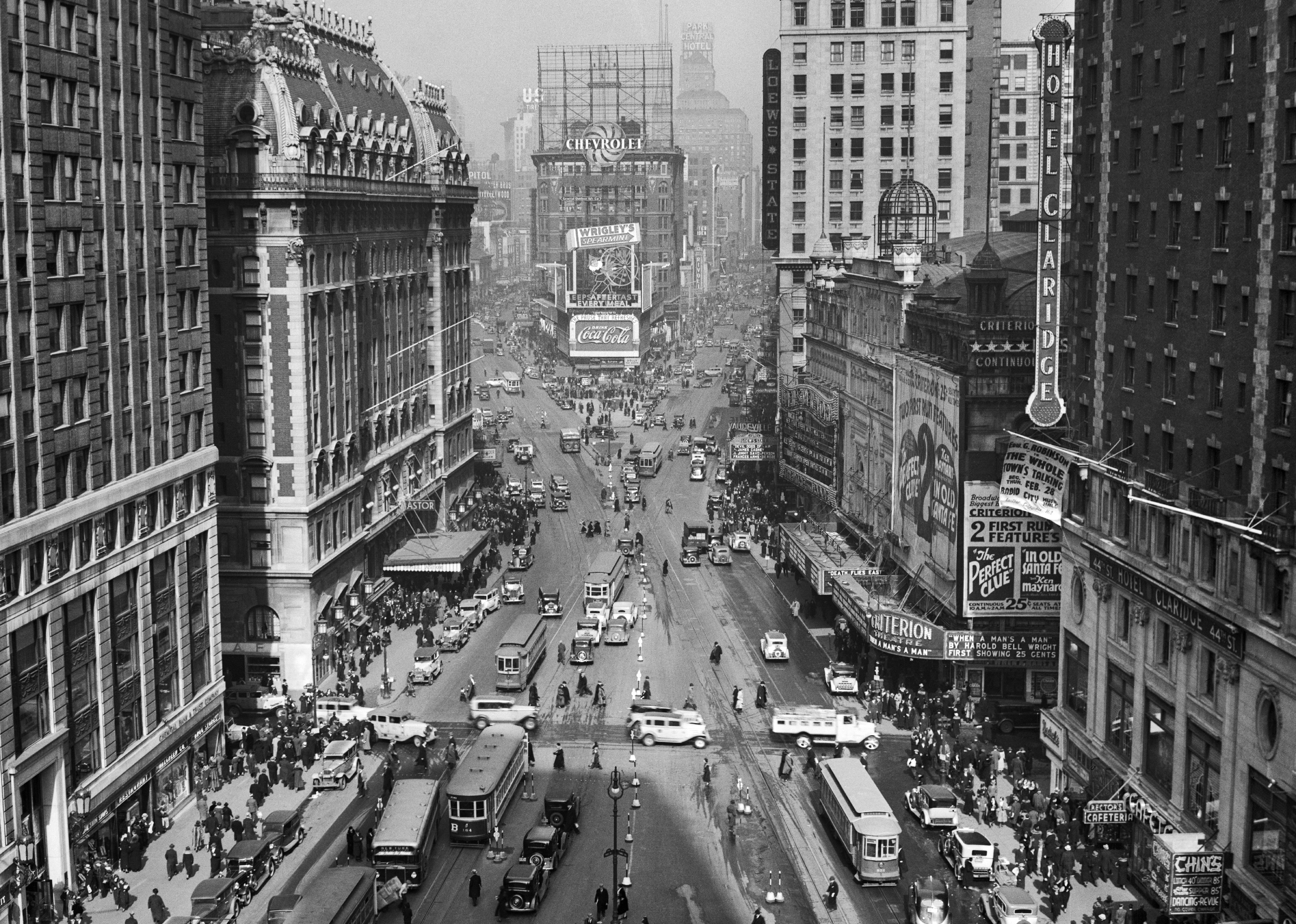
For modern travelers, New York City offers an unparalleled array of experiences. Its landmarks, from the historic Brooklyn Bridge and the towering Empire State Building to the vibrant spectacle of Times Square and the tranquil expanse of Central Park, tell stories of different eras. The city’s cultural institutions, like the Metropolitan Museum of Art and the Museum of Modern Art, are world-renowned, while the theatrical productions of Broadway provide entertainment unrivaled anywhere else.
Accommodation options in NYC range from luxurious suites in five-star hotels overlooking Fifth Avenue and Central Park to charming boutique hotels in historic neighborhoods like Greenwich Village or more budget-friendly apartments and long-term stays in the outer boroughs of Brooklyn, Queens, the Bronx, and Staten Island. Whether you’re planning a family trip, a business stay, or a luxury travel experience, New York City caters to every preference and budget.
The city’s diverse food scene, ranging from Michelin-starred restaurants to iconic street food vendors, reflects its multicultural heritage, making every meal an exploration of local culture and global flavors. Landmarks like Rockefeller Center, Grand Central Terminal, and St. Patrick’s Cathedral exemplify architectural grandeur, while more recent additions like the World Trade Center complex, including the poignant September 11 Memorial & Museum and the panoramic views from One World Observatory, speak to resilience and remembrance.
The unique lifestyle of New Yorkers, often characterized by a fast pace and an open-minded attitude, is a direct legacy of centuries of diverse populations coexisting and innovating. From the vibrant arts scene of Harlem to the financial pulse of Wall Street, NYC remains a city where history is not just preserved but constantly reimagined. So, while you might point to 1625 as the official start of New Amsterdam, the true establishment of New York City is an ongoing narrative, an evolving tapestry woven from countless threads of human endeavor, making it an eternally fascinating subject for any curious traveler.
LifeOutOfTheBox is a participant in the Amazon Services LLC Associates Program, an affiliate advertising program designed to provide a means for sites to earn advertising fees by advertising and linking to Amazon.com. Amazon, the Amazon logo, AmazonSupply, and the AmazonSupply logo are trademarks of Amazon.com, Inc. or its affiliates. As an Amazon Associate we earn affiliate commissions from qualifying purchases.