
Understanding the founding of a state is crucial to appreciating its unique identity, its historical trajectory, and the very essence of its present-day character. For Oklahoma, this question delves into a complex and often poignant history, marked by significant land acquisitions, the establishment of territories, and ultimately, the transition to statehood. The narrative is not a singular event but rather a series of pivotal moments that shaped the landscape and the lives of its inhabitants. To truly answer “When was Oklahoma founded?”, we must explore the foundational stages that led to its formal recognition as a state within the United States.
The Genesis of a Territory: From Indigenous Lands to American Domain
The earliest origins of what would become Oklahoma are intrinsically tied to the indigenous peoples who called this land home for millennia. Long before European settlers arrived, numerous tribes, including the Cherokee, Muscogee (Creek), Seminole, Choctaw, and Chickasaw nations – collectively known as the Five Civilized Tribes – thrived in this region. Their sophisticated societies, established governance, and deep connection to the land form a vital, though often overshadowed, part of the state’s origin story.
The Indian Removal Act and the Trail of Tears
A profound turning point in the region’s history was the passage of the Indian Removal Act in 1830. This federal legislation, driven by the expansionist desires of the United States, mandated the relocation of several Native American tribes from their ancestral lands in the Southeastern United States to territory west of the Mississippi River. The forced marches, tragically known as the Trail of Tears, resulted in immense suffering, death, and the displacement of thousands of Native Americans. The land designated for these tribes became known as the Indian Territory.
Establishing the Indian Territory
Despite the devastation, the Five Civilized Tribes established new homes and recreated aspects of their societies within the Indian Territory. They developed governments, established schools, and continued their agricultural traditions. However, this territory remained distinct from the organized territories of the United States, operating under a unique legal and political status. For decades, the Indian Territory was a sovereign, albeit constrained, entity.
The Dawes Act and the Opening of Unassigned Lands
The late 19th century brought further seismic shifts to the region. The federal government’s policy began to shift from accommodating tribal sovereignty to promoting assimilation and opening lands for non-Native settlement. This era saw the passage of the Dawes Act in 1887, which aimed to break up tribal lands into individual allotments. While intended to encourage farming and private land ownership among Native Americans, the act also resulted in the “surplus” lands being declared available for purchase by white settlers.
The Land Run of 1889
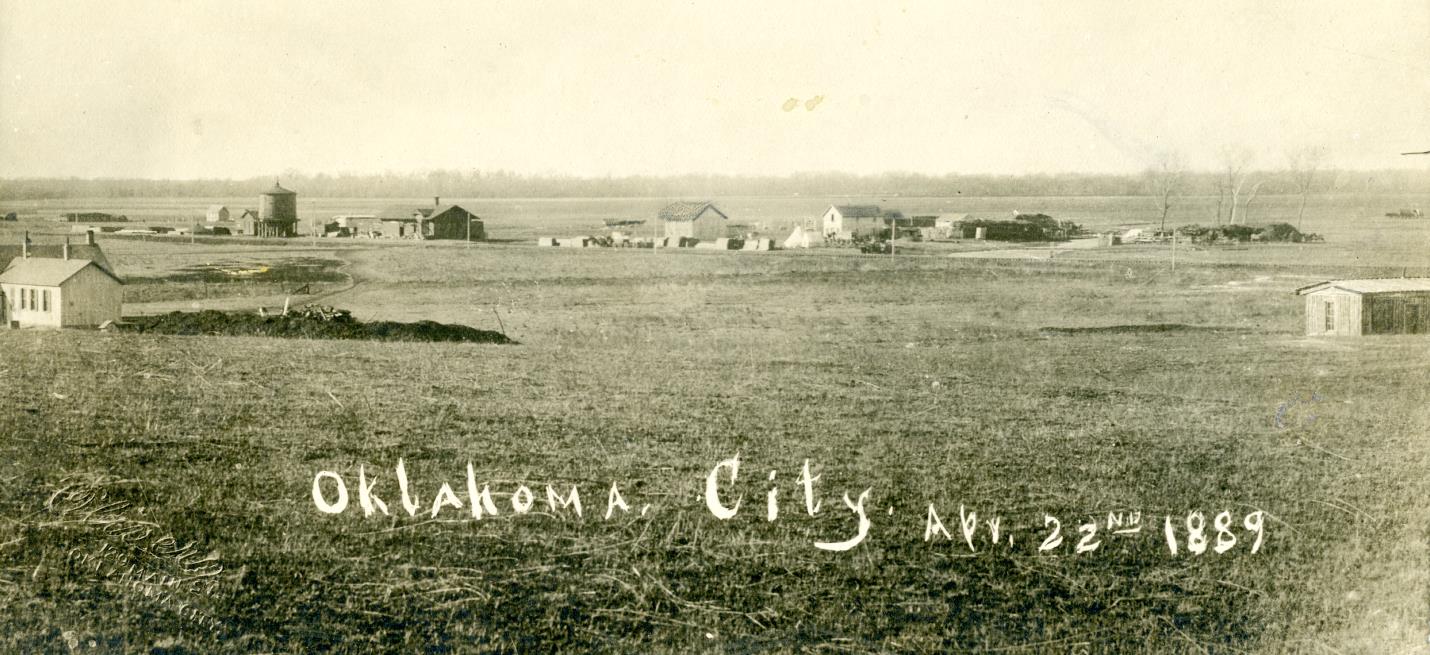
The most dramatic manifestation of this policy was the Land Run of 1889. On April 22, 1889, at precisely noon, thousands of prospective settlers lined up along the borders of the “unassigned lands” in the central part of the Indian Territory. When the signal was given, they surged forward on horseback, in wagons, and on foot to claim their 160-acre homesteads. This single event dramatically altered the demographic and political landscape, establishing numerous new settlements, including the future site of Oklahoma City. The concept of “founding” in the context of land acquisition and settlement is powerfully embodied in this historic event.
The Creation of Oklahoma Territory
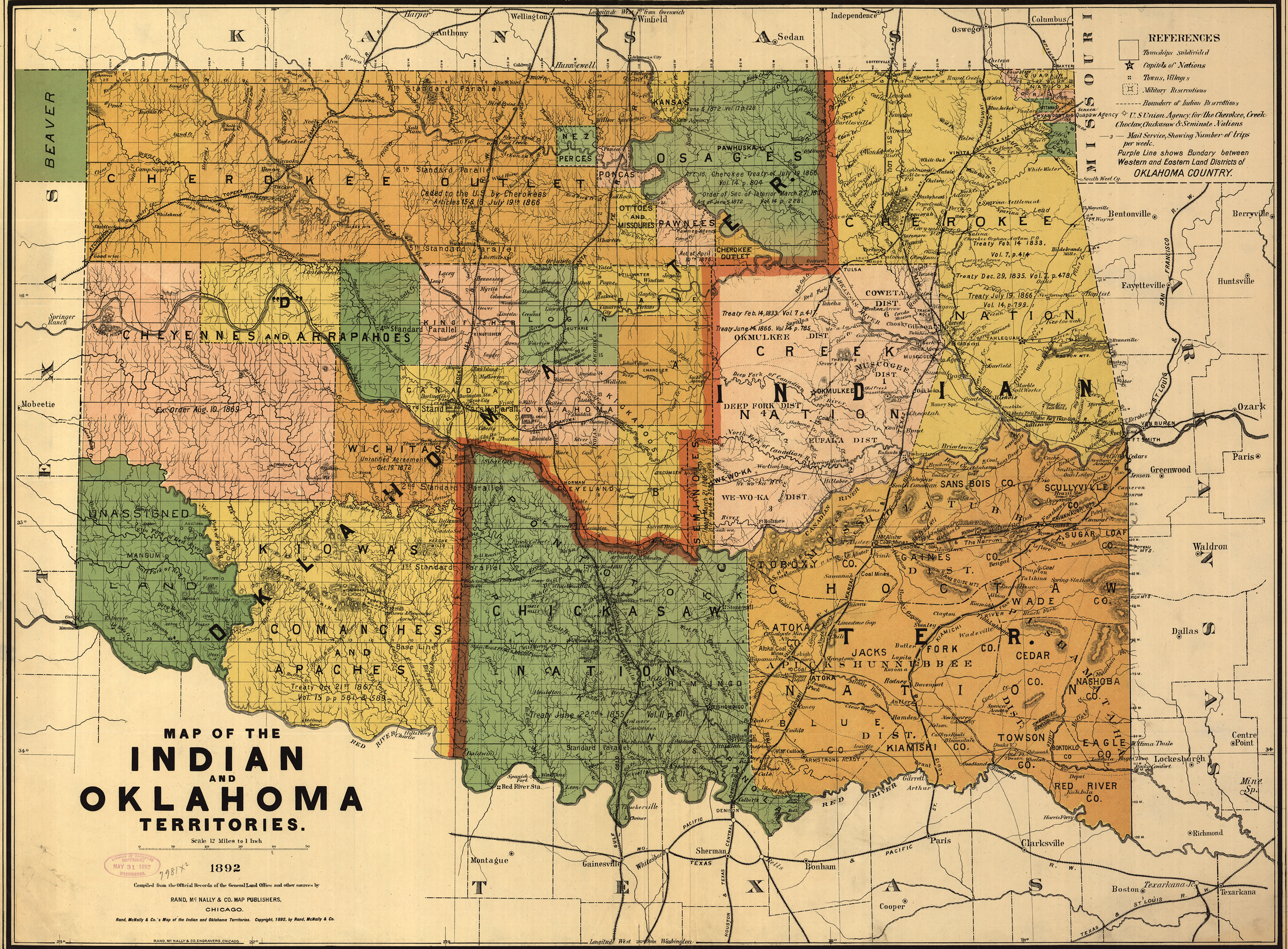
Following the Land Run of 1889, pressure mounted for the organization of these rapidly growing settlements into a formal territory. In May 1890, the Oklahoma Organic Act was passed by Congress, officially creating the Oklahoma Territory. This act incorporated the western portion of the Indian Territory and a narrow strip of land known as the Panhandle. The eastern, remaining part of the Indian Territory continued to exist as a separate entity for nearly two decades.
The Path to Statehood: Uniting Two Territories
The existence of two distinct governmental structures – the Oklahoma Territory and the Indian Territory – proved increasingly untenable. Calls for a unified government and full statehood grew louder, driven by a desire for greater representation and integration into the national fabric. This period was marked by intense political maneuvering, negotiations, and debates over the terms of admission.
The Enabling Act and Constitutional Convention
A pivotal step towards statehood was the passage of the Enabling Act by Congress in 1906. This legislation authorized the residents of both territories to draft a state constitution and call for an election for statehood. Representatives from both the Oklahoma Territory and the Indian Territory convened in Guthrie, the capital of the Oklahoma Territory, for a constitutional convention. The drafting process was lengthy and complex, reflecting the diverse interests and historical backgrounds of the converging populations.
The Proclamation of Statehood: November 16, 1907
The culmination of decades of development, political struggle, and federal legislation arrived on November 16, 1907. On this historic day, President Theodore Roosevelt signed the proclamation admitting Oklahoma as the 46th state in the Union. This act formally established the state and unified the former Oklahoma Territory and the Indian Territory into a single entity. Therefore, the most precise answer to “When was Oklahoma founded?” in the context of its establishment as a state is November 16, 1907. This date marks the birth of modern Oklahoma, a state forged from a mosaic of indigenous heritage, waves of settlement, and the enduring quest for self-governance.
Legacy and Modern Oklahoma
The founding of Oklahoma is not a closed chapter but a living legacy. The diverse historical threads that led to its statehood continue to shape its culture, its economy, and its identity today. From the remnants of the Trail of Tears to the vibrant energy of its major cities like Tulsa and Oklahoma City, the state carries the imprints of its complex past.
The Enduring Impact of Indigenous Heritage
The rich heritage of the Native American tribes who were forcibly relocated to this land remains a profound and integral part of Oklahoma’s story. Today, Oklahoma is home to more federally recognized Native American tribes than any other state, and their cultural contributions are celebrated in museums, festivals, and daily life. Understanding the history of the Indian Territory is essential to grasping the full scope of Oklahoma’s foundational narrative.

A State Shaped by Diverse Peoples
The Land Run of 1889 and subsequent settlement brought together people from a vast array of backgrounds. This melting pot of cultures, aspirations, and labor created the unique societal fabric of Oklahoma. The spirit of resilience and resourcefulness born from these early challenges continues to define the state. The founding of Oklahoma is a testament to the evolving nature of America itself, a story of land, people, and the continuous process of becoming.
LifeOutOfTheBox is a participant in the Amazon Services LLC Associates Program, an affiliate advertising program designed to provide a means for sites to earn advertising fees by advertising and linking to Amazon.com. Amazon, the Amazon logo, AmazonSupply, and the AmazonSupply logo are trademarks of Amazon.com, Inc. or its affiliates. As an Amazon Associate we earn affiliate commissions from qualifying purchases.