
The storied past of Oregon is as captivating and diverse as its magnificent landscapes, from the rugged Pacific Coast to the majestic peaks of the Cascade Mountains and the high desert plateaus. More than just a date on a calendar, the “founding” of Oregon is a mosaic of indigenous cultures, ambitious explorations, grueling pioneer journeys, and complex political maneuvers that ultimately led to its statehood. For travelers and history enthusiasts alike, understanding this rich tapestry not only answers a historical question but also unlocks a deeper appreciation for the unique character and enduring spirit of the Pacific Northwest.

Oregon’s journey from an unmapped wilderness to a thriving modern state is a testament to human resilience and ambition. Its foundation isn’t a single event but a continuum of pivotal moments, each contributing a layer to the identity that today draws millions to its dynamic cities, serene natural wonders, and vibrant cultural scene. From the indigenous communities who nurtured the land for millennia to the trailblazers who risked everything on the Oregon Trail, and the statesmen who forged a new territory, the story of Oregon is an epic narrative waiting to be explored. This article delves into these formative periods, offering insights for those planning to immerse themselves in the historical and contemporary wonders of the Beaver State, whether seeking luxurious resort stays, charming boutique hotels, or authentic local experiences.
A Land Before Time: Indigenous Roots and Early Explorations
Before any European set foot on its shores, the land we now know as Oregon was a vibrant mosaic of diverse indigenous cultures, rich in history, tradition, and a profound connection to the natural world. For thousands of years, numerous tribes thrived across its varied ecosystems, from the coastal peoples like the Clatsop and Tillamook to the inland communities of the Nez Perce, Umatilla, Klamath, and Chinook along the Columbia River. These nations developed intricate social structures, sophisticated trade networks, and sustainable practices that allowed them to flourish amidst the abundant resources of the region. Their legacy continues to shape the cultural landscape of Oregon today, with tribal museums and cultural centers offering invaluable insights into their enduring heritage, serving as crucial landmarks for those seeking an authentic tourism experience.
The First Glimpses: European Contact
The first recorded European sighting of the Oregon coast occurred in the late 16th century by Spanish explorers, although no significant settlements or detailed explorations followed immediately. It wasn’t until the late 18th century that more extensive maritime explorations began to chart the Pacific Northwest. Captain James Cook, a British explorer, surveyed portions of the coast in 1778, followed by other British and American navigators. A pivotal moment was in 1792 when Captain Robert Gray, an American merchant captain, successfully navigated his ship, the Columbia Rediviva, into the mouth of the great river that he subsequently named the Columbia River, laying an early claim for the United States to the region.
This early period of exploration, while often fleeting, established crucial geographical knowledge and sparked interest in the region’s abundant fur resources, setting the stage for subsequent overland expeditions and the eventual push for settlement. Today, travelers can visit sites like Cape Disappointment State Park or the Columbia River Maritime Museum in Astoria to connect with this era of daring exploration, understanding the challenges faced by these early seafarers and the profound impact they had on global cartography and international relations.
The Era of Furs and Forts: Establishing a Presence
The early 19th century marked a significant turning point in Oregon’s history, transitioning from sporadic maritime visits to the establishment of more permanent outposts driven by the lucrative fur trade. This period saw the arrival of iconic figures and powerful companies, fundamentally altering the trajectory of the region and laying the groundwork for American claims.
The Lewis and Clark Expedition and the Race for Furs
Perhaps the most famous overland journey into the Pacific Northwest was the Lewis and Clark Expedition, commissioned by President Thomas Jefferson. From 1804 to 1806, Meriwether Lewis and William Clark, along with their Corps of Discovery, journeyed across the continent, reaching the Pacific Ocean near present-day Astoria in November 1805. They established Fort Clatsop for the winter, marking a crucial moment in American exploration and solidifying the United States’ claim to the Oregon Country.
The expedition’s detailed accounts of the land, its resources, and its indigenous inhabitants ignited fervent interest back East, particularly among fur traders. Following in their footsteps, entrepreneur John Jacob Astor founded the Pacific Fur Company, establishing Fort Astoria in 1811 at the mouth of the Columbia River. This marked the first permanent American settlement on the Pacific Coast. However, during the War of 1812, the fort was sold to the rival British North West Company and renamed Fort George.
The British presence grew stronger with the formidable Hudson’s Bay Company, which absorbed the North West Company in 1821. Under the astute leadership of Chief Factor Dr. John McLoughlin, Fort Vancouver became the bustling headquarters of the fur trade in the entire Pacific Northwest by the mid-1820s. Though firmly British, McLoughlin earned the title “Father of Oregon” for his humanitarian aid to arriving American settlers, often against company policy.
For modern travelers, these historical sites offer unparalleled opportunities for immersive tourism. Reconstructed Fort Clatsop allows visitors to step back in time, experiencing the daily life of the expedition members. Fort Vancouver National Historic Site (located just across the Columbia River in Washington state) provides a comprehensive look at the powerful fur trade empire and the complexities of international relations that defined the era. Nearby, Astoria itself offers charming accommodations, from historic hotels to modern suites, making it an ideal base for exploring coastal history, enjoying fresh seafood, and appreciating the confluence of nature and human endeavor.
The Tide of Pioneers: The Oregon Trail and American Settlement
The mid-19th century witnessed one of the largest mass migrations in American history: the journey along the Oregon Trail. This epic overland route, stretching over 2,000 miles from Missouri to the Willamette Valley in Oregon, fundamentally shaped the territory’s demographics and accelerated its path toward American statehood.
The Allure of Oregon Country
Motivated by the promise of fertile land, economic opportunity, and a new life free from the constraints of the East, tens of thousands of pioneers embarked on the arduous six-month journey between the 1830s and 1860s. “Oregon Fever” swept across the United States, fueled by glowing reports from missionaries and early settlers who praised the Willamette Valley’s agricultural potential. The concept of “Manifest Destiny” also played a significant role, with many Americans believing it was their nation’s divine right to expand westward to the Pacific Ocean.
The journey was fraught with peril – disease, starvation, harsh weather, and difficult terrain claimed thousands of lives. Yet, the continuous stream of immigrants gradually outnumbered the British presence, tilting the balance of power and strengthening the United States’ claim to the disputed territory. The arrival of these settlers laid the foundation for towns, farms, and rudimentary governance structures that would eventually become the bedrock of the new state.
From Provisional Government to US Territory
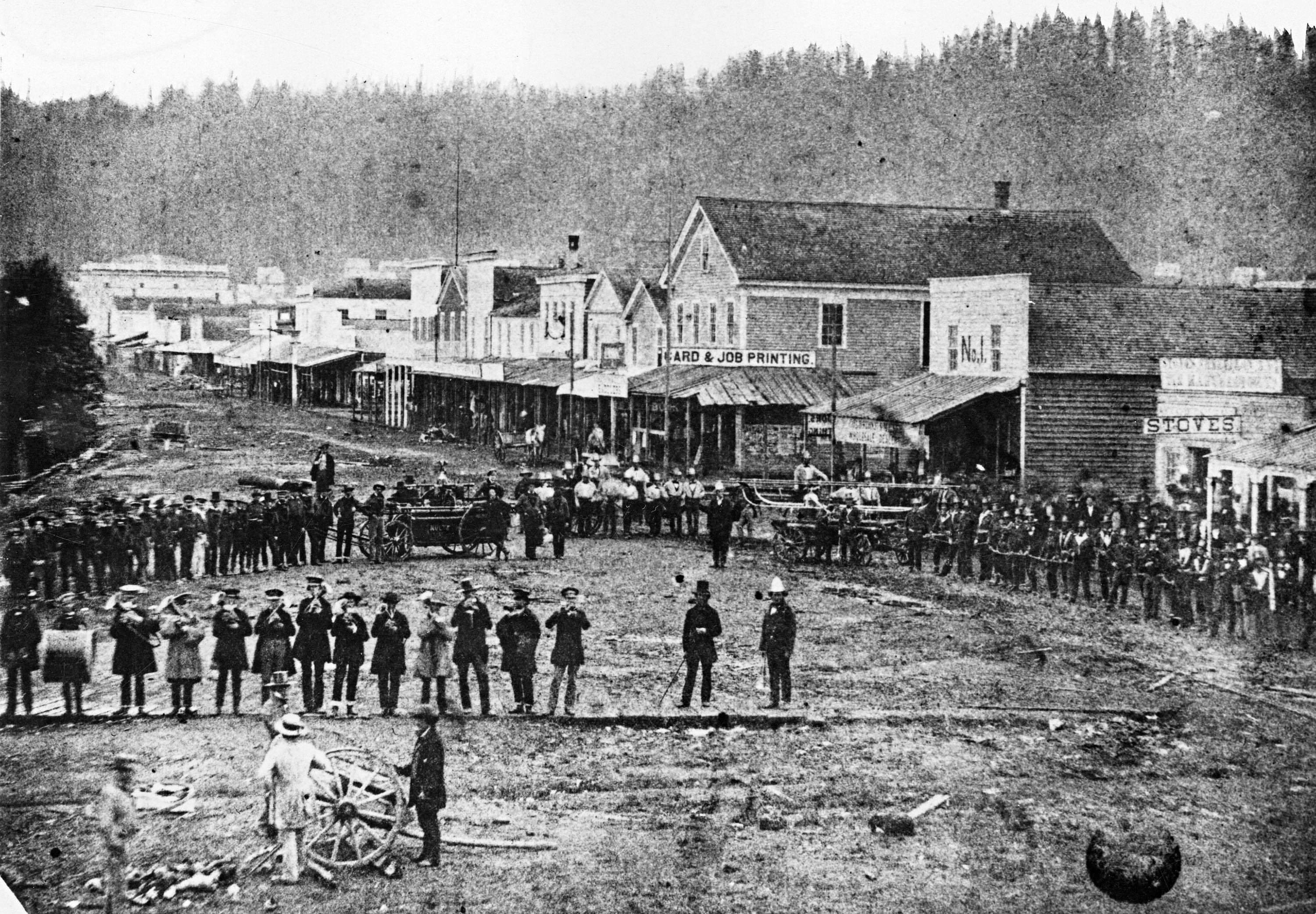
As the American population grew in the Willamette Valley, the need for formal governance became pressing. In 1843, settlers convened in Champoeg and, by a narrow vote, established the Provisional Government of Oregon. This independent government managed affairs for several years, navigating complex issues like land claims, law enforcement, and relations with indigenous peoples, all while the boundary dispute between the United States and Britain remained unresolved.
The boundary question was finally settled in 1846 with the Oregon Treaty, which established the 49th parallel as the border between the United States and British North America, extending to the Pacific Ocean. This treaty officially confirmed Oregon as American territory. Just two years later, on August 14, 1848, the United States Congress officially created the Oregon Territory, with Oregon City as its first capital. This act formalized the governmental structure, paving the way for eventual statehood.
Today, the legacy of the Oregon Trail is a powerful draw for visitors. The End of the Oregon Trail Interpretive Center in Oregon City offers a comprehensive and moving experience, detailing the journey and its impact. Throughout the Willamette Valley, historical markers, preserved wagon ruts, and pioneer homesteads offer tangible connections to this pivotal period. Travelers can combine historical exploration with modern comforts by staying at charming bed and breakfasts or luxury resorts nestled within the valley’s renowned wine country, experiencing a blend of history, culture, and high-end lifestyle.
Statehood and Beyond: February 14, 1859
The final chapter in Oregon’s founding story culminated in its admission to the Union as the 33rd state. While the Oregon Territory had been formally established in 1848, the process of transitioning to statehood was complex, marked by political debates and national tensions.
The Road to Admission
Key issues that shaped Oregon’s path to statehood included the question of slavery, which was a deeply divisive national issue in the years leading up to the Civil War. Despite intense debate, Oregon’s constitution prohibited slavery but also controversially excluded African Americans from residing in the state, reflecting prevailing racial prejudices of the time. This “exclusion clause,” though later repealed, remains a dark stain on Oregon’s early history.
After much deliberation in Washington D.C., President James Buchanan signed the act admitting Oregon into the United States as a state on February 14, 1859. This date officially marks when Oregon was “founded” in the sense of becoming a full and equal member of the United States of America. The capital was eventually moved from Oregon City to Salem in 1855, where it remains today, housing the impressive Oregon State Capitol.
Experiencing Oregon’s Legacy Today: Travel, Culture, and Lifestyle
The story of Oregon’s founding is not merely a collection of historical facts; it is a living narrative that continues to shape the state’s vibrant culture, diverse landscapes, and the unique experiences it offers to visitors. For those looking to explore the roots of this fascinating state, countless opportunities blend historical inquiry with modern travel amenities and lifestyle pursuits.
Historical Landmarks and Cultural Immersion
Every corner of Oregon holds echoes of its past. In Portland, the largest city, the Oregon Historical Society Museum provides extensive exhibits detailing the state’s journey from indigenous lands to modern marvels. Walking tours of Old Town Portland reveal stunning 19th-century architecture and the bustling spirit of a rapidly growing pioneer city. Down the Columbia River Gorge, the historic town of The Dalles, once a critical stop on the Oregon Trail, offers museums and views of the river that guided so many westward.
Beyond the well-trodden paths, smaller towns like Jacksonville, a preserved gold rush town, or Silver Falls State Park, with its majestic waterfalls, offer glimpses into Oregon’s natural and human history. These destinations cater to various travel styles, from rustic camping to luxurious lodge accommodations, allowing visitors to tailor their historical exploration to their preferred comfort levels.
Accommodation and Hospitality with a Historical Twist
Oregon’s hospitality sector beautifully integrates its history. Many destinations offer unique accommodations that range from meticulously restored Victorian inns to elegant boutique hotels housed in historic buildings. In Astoria, you might find a charming hotel overlooking the Columbia River, reminiscent of the fur trade era. In the Willamette Valley, luxury vineyard resorts offer a contemporary lifestyle experience amidst the very lands that once drew pioneers westward.
For those interested in a deeper immersion, some establishments even offer themed rooms or historical tours, connecting guests directly to the stories of the region. Whether you’re seeking a budget-friendly hostel in a bustling city or a lavish resort nestled in a serene natural setting like near Crater Lake National Park, Oregon provides diverse options that cater to every traveler’s needs while subtly highlighting its rich heritage.
Embracing the Oregonian Lifestyle
The pioneering spirit of resourcefulness and independence continues to define the Oregonian lifestyle. This is evident in the state’s thriving craft beer and wine industries, its farm-to-table culinary scene that celebrates local produce, and its strong emphasis on outdoor recreation. Hiking trails across Mount Hood, kayaking on pristine lakes, or exploring the dramatic Oregon Coast are all ways to experience the same majestic natural beauty that captivated early explorers and settlers.
From sophisticated urban centers like Portland, renowned for its innovative food scene and quirky culture, to the serene beaches of Cannon Beach or the adventurous landscapes of Bend, Oregon offers a lifestyle that balances appreciation for history with a forward-thinking, sustainable approach. Tourism in Oregon is therefore not just about visiting places; it’s about experiencing a living history, tasting the bounty of its lands, and engaging with a community that proudly preserves its past while continually innovating for the future.
In conclusion, the answer to “When was Oregon founded?” is not a simple one-liner. It’s a complex historical journey that culminated on February 14, 1859, when it officially became a state. However, the true founding of Oregon is a continuous narrative, beginning with its indigenous peoples, shaped by explorers and fur traders, and forged by the resilience of pioneers. This rich history is what makes Oregon a destination truly worth discovering, offering a perfect blend of historical exploration, stunning natural beauty, and modern lifestyle experiences for every kind of traveler.
LifeOutOfTheBox is a participant in the Amazon Services LLC Associates Program, an affiliate advertising program designed to provide a means for sites to earn advertising fees by advertising and linking to Amazon.com. Amazon, the Amazon logo, AmazonSupply, and the AmazonSupply logo are trademarks of Amazon.com, Inc. or its affiliates. As an Amazon Associate we earn affiliate commissions from qualifying purchases.