
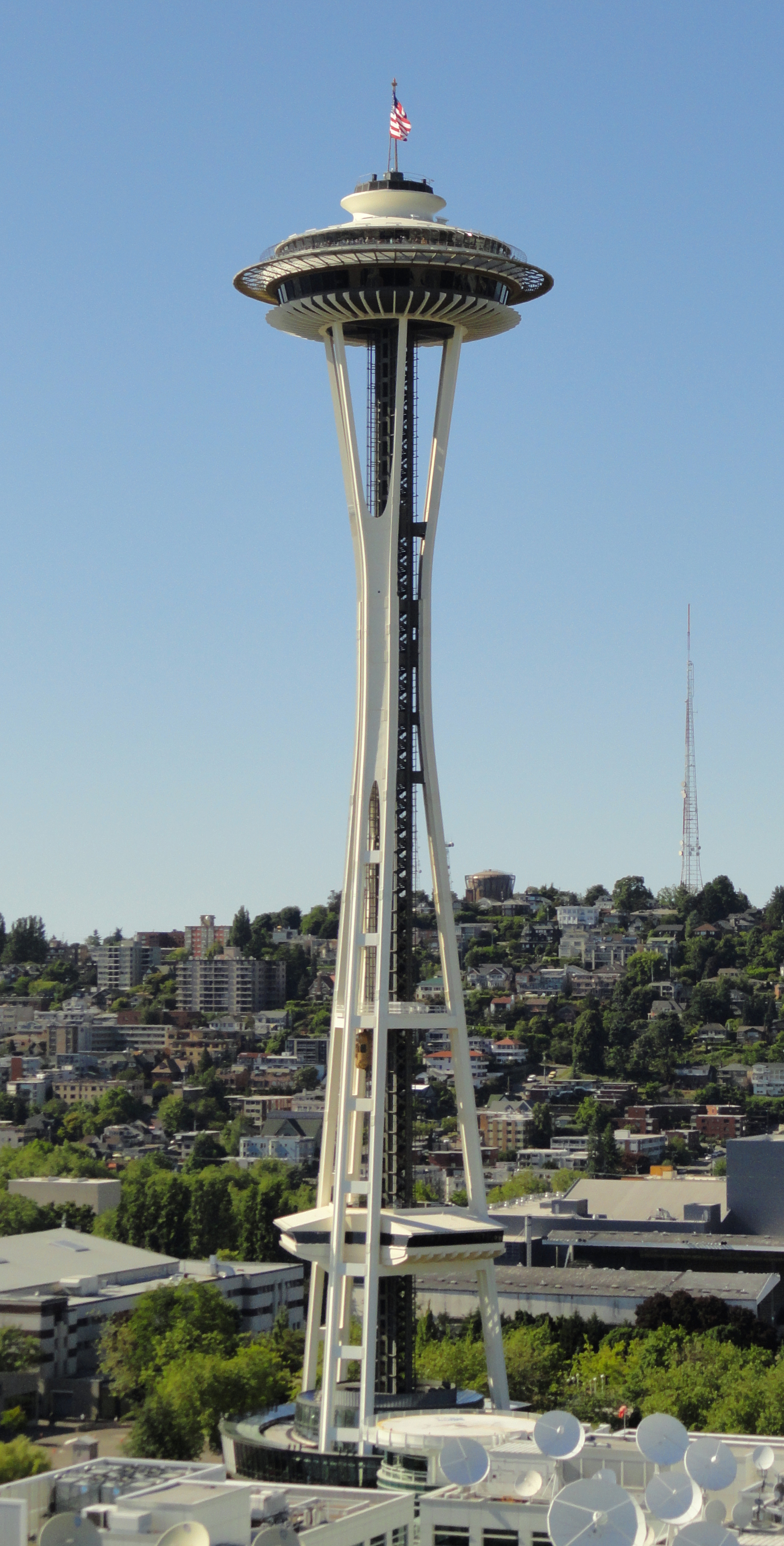
The iconic Seattle Space Needle, a towering symbol of innovation and a beacon for tourists, first opened its doors to the public on April 21, 1962. Its construction was a remarkable feat, a race against time to prepare for the Century 21 Exposition, more famously known as the 1962 Seattle World’s Fair. This monumental structure didn’t just appear overnight; it was the culmination of visionary thinking, ambitious design, and relentless effort, forever changing the skyline of Seattle and cementing its place as one of the United States‘ most recognizable landmarks. For those embarking on travel adventures or seeking unique tourism experiences, understanding the genesis of such a marvel adds a profound layer of appreciation to a visit.
A Vision for the Future: The Century 21 Exposition
The concept of the Seattle Space Needle was born from a desire to create a lasting symbol for the 1962 World’s Fair. Originally, the fair was conceived in the mid-1950s by a group of civic leaders who envisioned an event that would put Seattle on the global map, showcasing advancements in science, technology, and space exploration. The theme, “Man in the Space Age,” necessitated an architectural marvel that embodied this futuristic spirit.
The initial spark for a towering structure came from Edward E. Carlson, chairman of the fair and a prominent Seattle hotelier. While visiting Stuttgart, Germany, he was inspired by the city’s television tower with a rotating restaurant. He sketched his idea on a placemat, dreaming of a similar landmark for Seattle. This simple sketch was the nascent beginning of what would become the Space Needle.
Conception and Design Challenges
Transforming Carlson’s vision into a tangible structure was a monumental undertaking, fraught with design and engineering challenges. The project was given to architect John Graham & Company, with John Graham himself taking a leading role. However, the design evolved significantly through the collaboration of several brilliant minds. Architect Victor Steinbrueck contributed the initial “aerospace-age” sketches, imagining a structure resembling a giant balloon tethered to the ground. This evolved further with the input of structural engineer John Ridley, who refined the concept into the elegant, hourglass-shaped tower we recognize today.
The primary design challenge was to create a structure that was both aesthetically pleasing and structurally sound, capable of withstanding the elements and accommodating a large number of visitors at its peak. The rotating restaurant at the top, a key feature from Carlson’s original inspiration, added another layer of complexity. Engineers had to ensure that the entire top house, weighing approximately 500 tons, could rotate smoothly and safely, providing diners at the SkyCity restaurant with a 360-degree panoramic view of the city, Puget Sound, and the surrounding mountain ranges – the Olympic Mountains to the west and the Cascade Mountains, including the majestic Mount Rainier, to the east.
Another significant hurdle was finding a suitable location. The initial plans called for a site outside the Seattle Center fairgrounds due to a lack of available private land. However, a parcel of land was eventually secured just outside the fair’s official boundaries, allowing the Space Needle to be privately built and financed, yet still serve as the centerpiece of the exposition. This strategic positioning ensured its longevity beyond the fair, a decision that proved invaluable for future tourism in Seattle.
The Race Against Time: Construction and Completion
Once the design was finalized and the land acquired, the real work began. Construction of the Seattle Space Needle was an astonishing feat, particularly given the timeline. To be ready for the World’s Fair opening in April 1962, the entire structure needed to be built in just over a year.
Breaking Ground and Reaching for the Stars
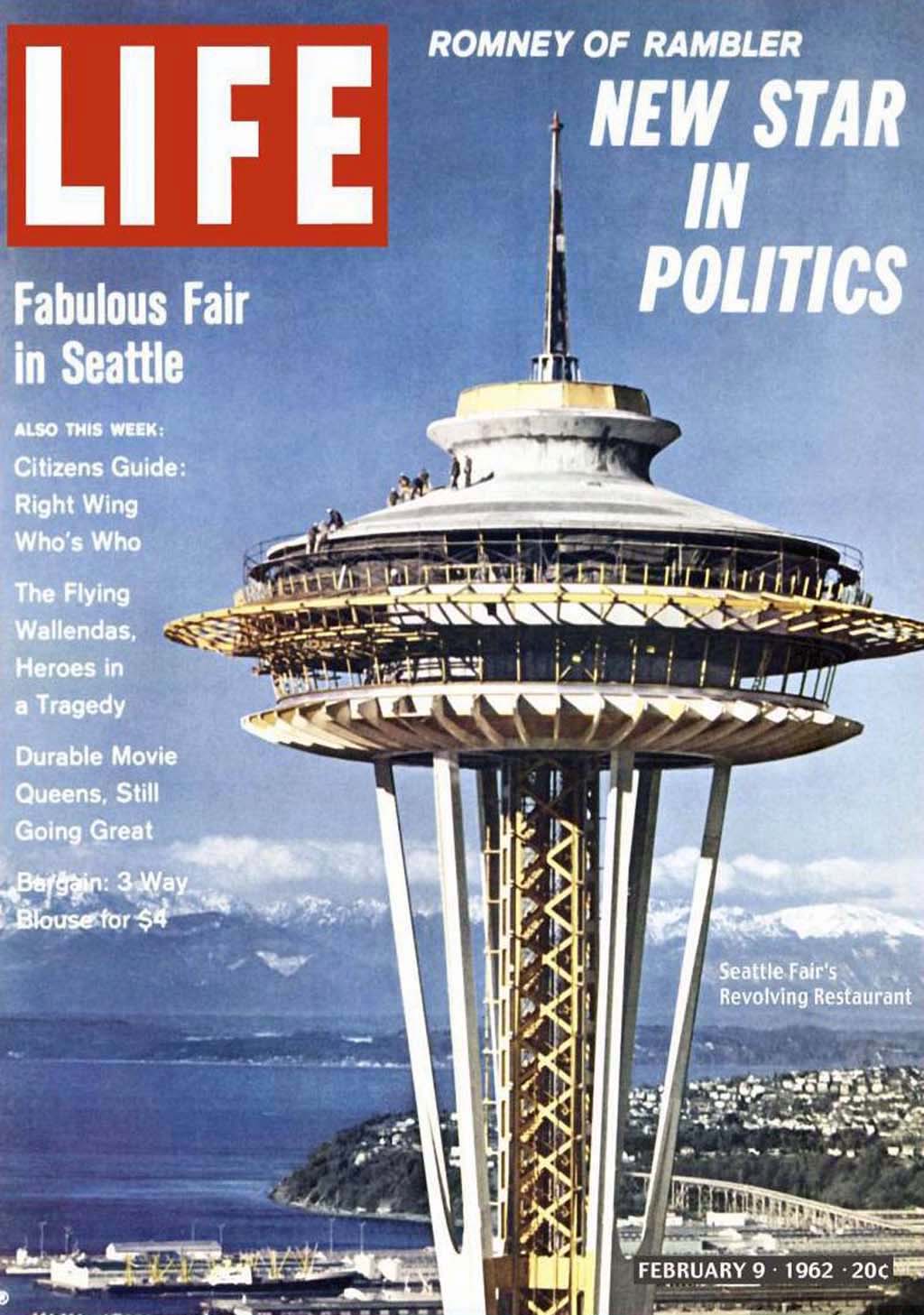
Groundbreaking for the Space Needle took place on April 10, 1961. The first critical step was laying a massive foundation. A colossal hole, 30 feet deep and 120 feet across, was dug, and 467 truckloads of concrete were poured in a continuous, 12-hour operation. This immense foundation, weighing 5,850 tons (about the same as the entire Space Needle itself), was designed to anchor the structure firmly against earthquakes and high winds, a crucial consideration in the Pacific Northwest.
The unique tripod design of the legs, made from fabricated steel, required precise engineering and construction. Cranes were used to lift the enormous steel sections into place, with workers operating at dizzying heights. The central core, housing elevators and utilities, rose rapidly, soon dwarfing surrounding structures. The top house, containing the observation deck and the rotating SkyCity restaurant, was assembled on the ground and then hoisted piece by piece, an intricate process demanding absolute precision. The distinctive “halo” at the top, which houses the antennae and lights, completed the structure’s iconic silhouette.
The construction team worked around the clock, six days a week, pushing boundaries of what was thought possible within such a tight schedule. Despite the intensity, safety was paramount, and remarkably, no lives were lost during the construction of this ambitious project. The speed and efficiency of the build captivated the city, a testament to American ingenuity and the burgeoning capabilities of modern construction techniques.
An Unforgettable Unveiling
As the fair’s opening date drew nearer, the final touches were applied. The distinctive “Galaxy Gold” paint on the top house, the “Orbital Olive” on the legs, and the “Re-Entry Red” on the core—colors chosen to evoke the space age—began to define its character. The elevators, capable of whisking visitors to the Observation Deck at 10 miles per hour, were tested repeatedly.
On April 21, 1962, the Seattle Space Needle officially opened, just in time for the Century 21 Exposition. It immediately became the undeniable star of the fair, drawing millions of visitors eager to experience its height and unparalleled views. Fairgoers paid a modest fee to ascend to the top, where they were treated to breathtaking panoramas of Seattle, the Puget Sound, and the majestic mountains beyond. It was a tangible representation of humanity’s aspirations for the future, a concrete symbol of progress and an architectural marvel that perfectly encapsulated the fair’s theme. The rapid construction, from groundbreaking to grand opening in under a year, solidified its legend as a triumph of engineering and vision.
Enduring Legacy and Modern Marvel
More than six decades since its completion, the Seattle Space Needle remains a vibrant and essential part of Seattle’s identity and a prime attraction for global tourism. It has transcended its origins as a fair exhibit to become a timeless landmark, drawing millions of visitors each year.
The Space Needle’s Role in Seattle’s Identity
The Space Needle is more than just a tall building; it’s a cultural icon. It has appeared in countless films, television shows, and postcards, instantly recognizable worldwide. For Seattleites, it represents local pride, a symbol of the city’s innovative spirit and its connection to both technological advancement and natural beauty. Its presence anchors the Seattle Center campus, which was originally built for the World’s Fair and now serves as a hub for arts, culture, and entertainment.
The structure has also proven its resilience, having withstood several significant earthquakes over the decades, including the 2001 Nisqually earthquake. Its robust construction and deep foundation have ensured its stability, a testament to the foresight of its original engineers. This structural integrity is a significant factor in its enduring appeal as a safe and reliable destination for families and solo travelers alike. Its ongoing maintenance and periodic renovations ensure it remains a cutting-edge attraction, blending its historical significance with contemporary visitor expectations.
Elevating the Visitor Experience: From Observation Deck to The Loupe
While the original Observation Deck offered spectacular views, the Space Needle has undergone significant transformations to enhance the visitor experience. In 2017-2018, it underwent a $100 million renovation, the most extensive in its history, designed to “preserve and enhance” its structure while modernizing its amenities.
The most dramatic addition from this renovation is The Loupe, the world’s first and only revolving glass floor. Replacing the concrete floor of the original restaurant level, The Loupe offers an unparalleled, downward-looking perspective, making visitors feel as though they are floating above Seattle. This innovative feature has redefined the meaning of an observation deck, transforming it into an immersive, awe-inspiring experience. The glass barriers on the outdoor Observation Deck were also replaced with seamless glass panels, allowing for unobstructed views and better photo opportunities. These enhancements reinforce the Space Needle’s position as a must-visit landmark for anyone interested in modern architecture, engineering marvels, or simply breathtaking scenery.
For those planning their travel itineraries, the Space Needle offers an experience that caters to various lifestyle preferences, from luxury dining at SkyCity to a family-friendly educational outing. The attraction also integrates interactive digital experiences, further enriching a visit.
Planning Your Visit: Beyond the View
A trip to the Seattle Space Needle is undoubtedly a highlight of any Seattle visit, but it’s also an excellent starting point for exploring the wider Seattle Center campus and nearby attractions. For travelers, understanding the surrounding environment enhances the overall experience and provides numerous options for extending their stay.
Exploring the Seattle Center and Nearby Attractions
The Space Needle is located within the 74-acre Seattle Center, a vibrant cultural hub that originated from the 1962 World’s Fair. A short walk from the base of the Space Needle reveals a wealth of other attractions.
- Chihuly Garden and Glass: Located directly next to the Space Needle, this stunning exhibition showcases the intricate and vibrant glass art of renowned artist Dale Chihuly. It’s a breathtaking experience, especially for those with an appreciation for art and design, and a perfect complement to the architectural marvel of the Space Needle.
- Museum of Pop Culture (MoPOP): An architectural masterpiece itself, designed by Frank Gehry, MoPOP offers immersive exhibits on music, science fiction, and pop culture. From rock and roll history to fantasy realms, it provides an engaging experience for all ages.
- Pacific Science Center: Ideal for families and science enthusiasts, this center features interactive exhibits, an IMAX theater, and a planetarium, continuing the World’s Fair’s legacy of scientific exploration.
- Seattle Monorail: Originally built for the 1962 fair, the Monorail provides a swift and scenic ride from the Seattle Center to downtown Seattle, offering a glimpse into the city’s historic commitment to innovative transportation. It’s not just a means of transport but a unique part of the tourism experience.
- Climate Pledge Arena: Home to the Seattle Kraken hockey team and the Seattle Storm basketball team, this state-of-the-art arena also hosts concerts and other major events. Its recent renovation preserved its iconic original roof, blending historical architecture with modern sustainability.
These attractions, along with numerous theaters, parks, and cultural institutions within the Seattle Center, ensure that visitors can spend a full day or more exploring without ever leaving the campus. It’s a microcosm of Seattle’s rich cultural landscape, perfect for both budget and luxury travel experiences.

Accommodation and Lifestyle Around the Icon
For those seeking comfortable accommodation near the Space Needle, Seattle offers a diverse range of hotels, suites, and apartments. From upscale luxury resorts to boutique hotels and convenient long-term stay options, visitors can find lodging that perfectly suits their travel style and budget. Many hotels in the downtown area or the vibrant Belltown neighborhood offer stunning views of the Space Needle, providing a constant reminder of the city’s iconic landmark.
Hotels like the Hyatt Regency Seattle or the Fairmont Olympic Hotel offer a luxurious experience with easy access to the Space Needle and other downtown attractions. For a more unique stay, boutique hotels often reflect Seattle’s eclectic lifestyle, providing personalized service and distinct amenities. Booking in advance, especially during peak tourism seasons, is always recommended to secure the best rates and availability.
The area around the Space Needle is also rich with dining options, from casual eateries to fine dining establishments, catering to diverse culinary tastes. Exploring local culture through its food scene is a vital part of any travel experience, and Seattle’s vibrant restaurant landscape doesn’t disappoint. Whether you’re interested in fresh Pacific Northwest seafood, international cuisine, or trendy cafes, there’s something to satisfy every palate.
In conclusion, the Seattle Space Needle, built and opened in April 1962, is far more than just a date in history. It represents a daring vision, a monumental construction effort, and an enduring symbol of human aspiration. Its story is intertwined with Seattle’s growth, its innovative spirit, and its welcoming embrace of tourism. A visit to this architectural marvel, with its incredible views and modern enhancements, is an essential experience for any traveler exploring the Pacific Northwest, offering a profound connection to history, architecture, and a forward-looking lifestyle.