
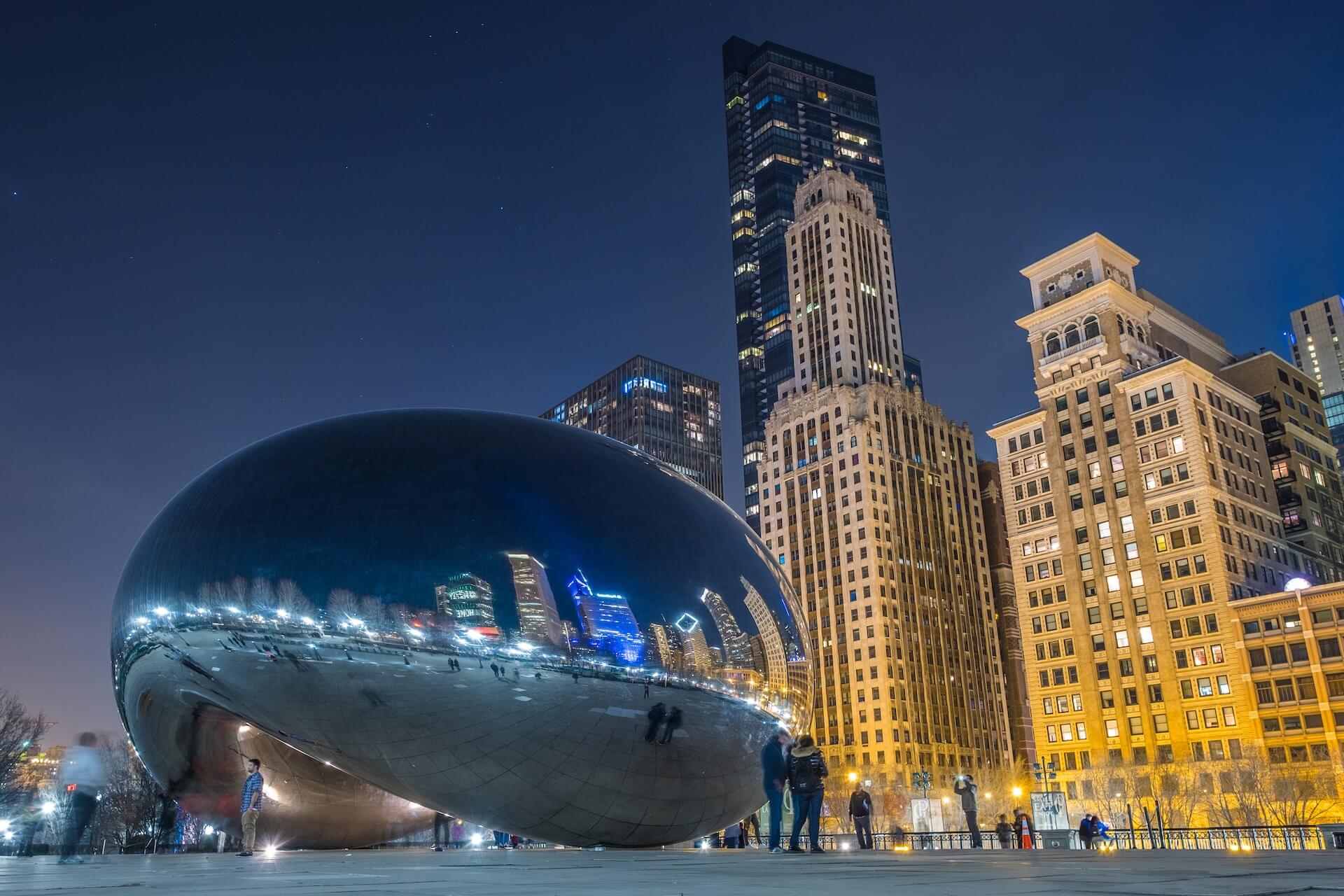
The iconic Cloud Gate, affectionately known worldwide as “The Bean,” is a pivotal landmark for any visitor to Chicago. Its highly reflective, bean-shaped surface offers a distorted yet captivating view of the city’s famed skyline and the sky above, making it an indispensable stop on any Chicago itinerary. Beyond its immediate visual appeal, understanding when this distinctive sculpture was brought to life reveals a fascinating story of public art, architectural ambition, and urban transformation. The creation of Cloud Gate is not merely a historical footnote but a testament to Chicago‘s commitment to enriching its public spaces with world-class art and engaging experiences for residents and tourists alike.
The Genesis of a Modern Icon: Conception and Commission
The story of Cloud Gate begins with the vision to create a significant public art installation for Millennium Park, a sprawling urban park that was itself a monumental undertaking for the city of Chicago. The park, designed to revitalize a disused railway yard, was intended to be a cultural and recreational hub, a place where art, architecture, and nature would converge.
An International Competition and Anish Kapoor’s Vision
In the late 1990s, Chicago embarked on a ambitious project to commission a centerpiece for the newly planned Millennium Park. An international design competition was launched, attracting proposals from renowned artists worldwide. The goal was to find a piece that would not only be visually striking but also interactive, engaging, and reflective of the dynamic spirit of Chicago.
Among the many submissions, the proposal by British artist Anish Kapoor stood out. Kapoor, already celebrated for his monumental and often introspective sculptures, proposed a design that was both simple in form and profound in its effect. His concept was for a large, seamless, bean-shaped structure, meticulously polished to a mirror-like finish. This design promised to reflect its surroundings in an unprecedented way, blurring the lines between the artwork, the viewer, and the urban landscape. Kapoor’s vision was for a sculpture that would invite curiosity and interaction, encouraging people to explore its form and see themselves and their city in a new light. The committee was captivated by the sheer originality and potential for public engagement inherent in Anish Kapoor‘s proposal.
Funding and Partnership: A Collaborative Effort
The realization of such an ambitious public art project required significant funding and collaboration. The commission for Cloud Gate was largely made possible through private donations and corporate sponsorships, alongside public funding allocated for Millennium Park. This collaborative approach underscored the city’s dedication to creating a landmark that would be a source of civic pride. The project was overseen by the Chicago Department of Cultural Affairs and Special Events, working in tandem with the Chicago Park District and various art consultants. The sheer scale and technical complexity of fabricating and installing a sculpture of this magnitude necessitated a dedicated team of engineers, fabricators, and art conservators, all working towards the singular goal of bringing Anish Kapoor‘s vision to fruition.
The Unveiling: Construction and Installation
The construction and installation of Cloud Gate were complex feats of engineering and craftsmanship, demanding precision and innovation. Bringing a polished, seamless metal sculpture of such immense size from a design concept to a physical reality in a public space presented unique challenges.
Fabrication: A Masterpiece of Metalwork
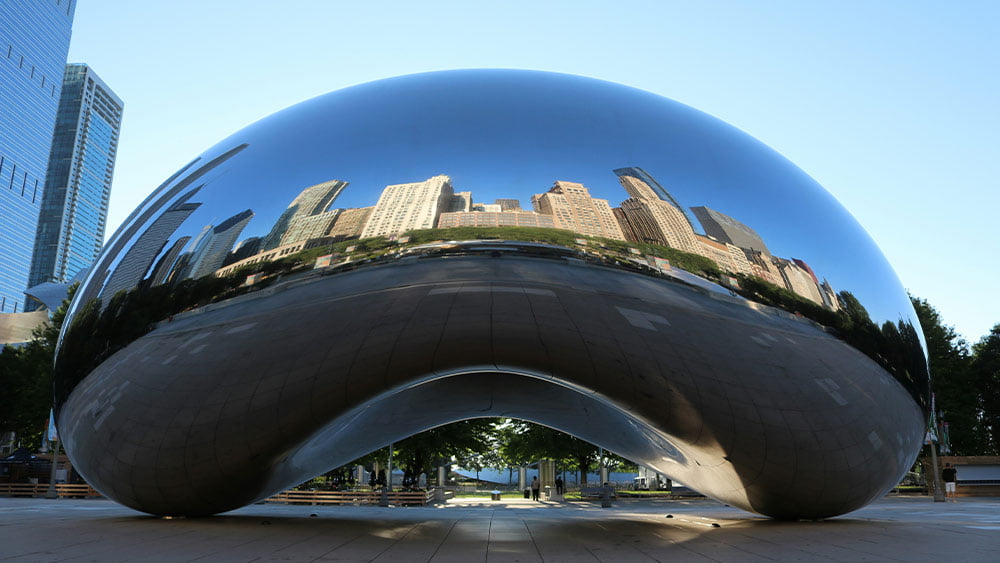
The process of creating Cloud Gate began off-site. The sculpture was fabricated in Chelsea, England, by the specialist metalworking firm Cimolai. The design called for a seamless, highly polished exterior, which presented a significant challenge. The entire exterior surface is composed of 168 individual stainless steel plates, each precisely shaped and welded together. This welding process had to be meticulously executed to ensure that no seams were visible, creating the illusion of a single, monolithic object. Once welded, the plates underwent a painstaking grinding and polishing process. This involved using a series of increasingly fine abrasives to achieve the desired mirror-like finish, a process that took months to complete for the entire surface. The reflective quality was paramount to Anish Kapoor‘s artistic intent, and achieving this perfection required an unparalleled level of skill and dedication from the fabricators.
Transportation and Assembly in Chicago
After its fabrication in England, the segmented sculpture, weighing an impressive 110 tons, was transported across the Atlantic to Chicago. The process of transporting such a large and delicate artwork required careful planning and specialized logistics. The individual sections were carefully loaded onto ships and then transported to Chicago by truck.
Upon arrival in Millennium Park, the real challenge of assembly began. The sculpture was installed on a solid concrete foundation designed to support its immense weight and withstand the elements. The individual stainless steel plates were meticulously put into place and then seamlessly welded together on-site. The final stages involved the intricate polishing of the welded seams to ensure a flawless, uninterrupted reflective surface. The entire installation process was a testament to the ingenuity of engineers and fabricators, culminating in the dramatic reveal of Cloud Gate to the public.
The Debut and Lasting Legacy: When Was Cloud Gate Revealed?
The culmination of years of planning, design, and meticulous construction saw Cloud Gate officially unveiled to the public, quickly becoming one of Chicago‘s most beloved and recognizable landmarks. Its introduction marked a significant moment for Millennium Park and cemented its place as a global tourist destination.
Grand Opening: The Millennium Park Debut
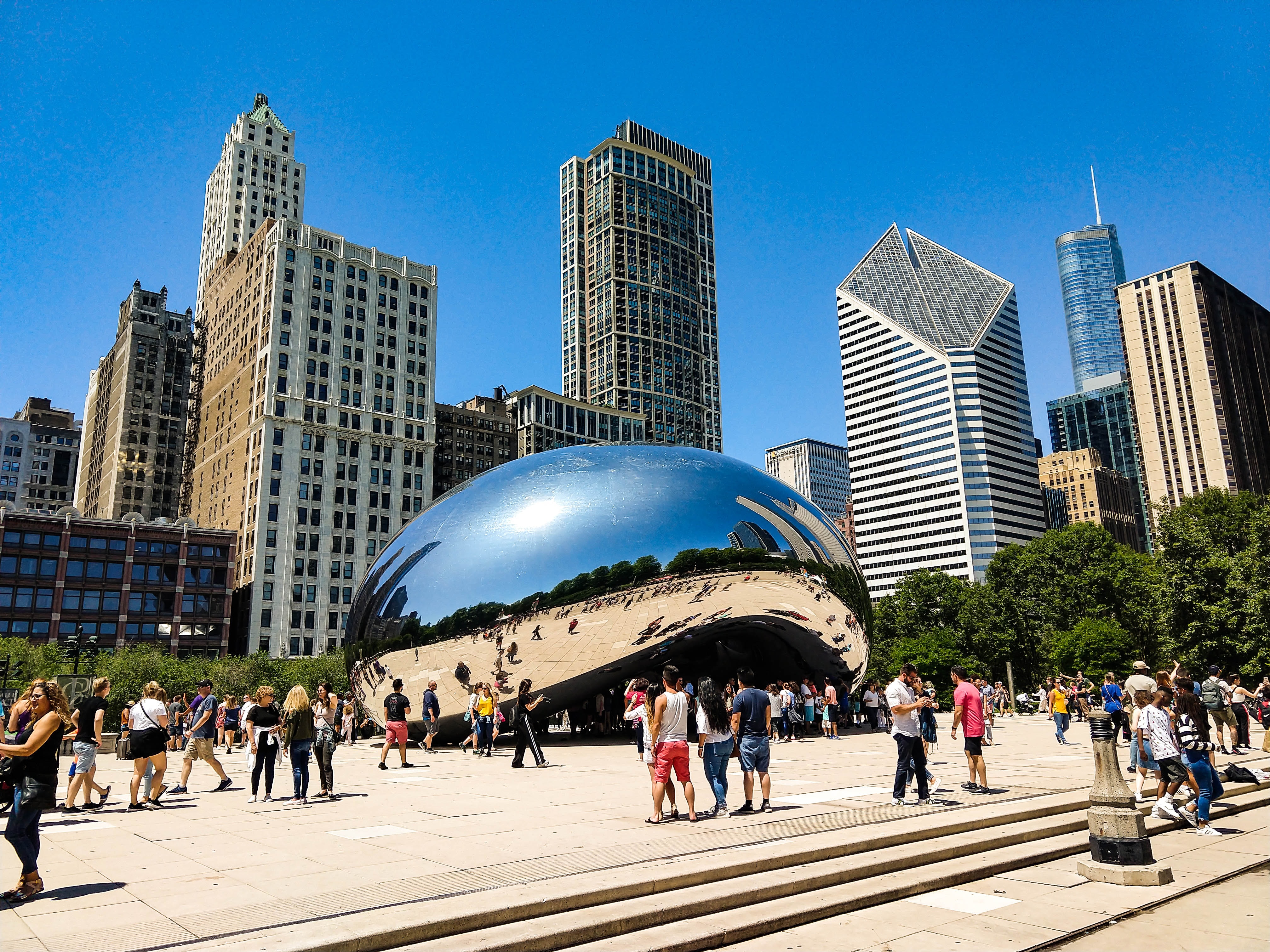
Cloud Gate was officially opened to the public on July 2, 2006, as part of the grand opening festivities for Millennium Park. The park itself had been a long-term project, with various components opening in stages. However, the complete unveiling of Cloud Gate was eagerly anticipated by residents and art enthusiasts alike. Its immediate impact was profound. The sculpture’s unique form and its ability to capture and distort the surrounding urban panorama made it an instant sensation. Visitors were drawn to its interactive nature, with crowds gathering to touch its cool surface, take photos with their reflections, and marvel at the ever-changing views it offered. The sculpture rapidly became a focal point for Millennium Park, drawing an unprecedented number of visitors to the area.
A Global Icon: The Bean’s Enduring Appeal
Since its debut, Cloud Gate has transcended its status as a mere public art installation to become a global icon. It consistently ranks among the most photographed and recognized landmarks in the United States and indeed the world. Its image is synonymous with Chicago, appearing in countless travel guides, promotional materials, and personal photographs. The sculpture’s enduring appeal lies in its accessible artistry; it is a piece that invites universal interaction and interpretation. Its seamless, reflective surface offers a playful yet profound engagement with the urban environment and the people within it. The fact that it was built to be touched, explored, and reflected upon has ensured its lasting popularity. Cloud Gate is more than just a beautiful object; it is an experience, a symbol of Chicago‘s vibrant culture, its architectural prowess, and its commitment to creating spaces that inspire and delight. Its construction and unveiling in 2006 marked the beginning of a new era for Millennium Park and solidified Anish Kapoor‘s Cloud Gate as an indispensable part of the Chicago experience.