
The California Gold Rush stands as one of the most pivotal and transformative periods in American history, forever altering the landscape, demography, and economy of California and, by extension, the entire United States. It was a frenetic era of unprecedented migration, driven by the lure of instant wealth, that began in 1848 and largely tapered off by the mid-1850s, though its ripple effects resonated for decades. Understanding “when” this phenomenon occurred is crucial to grasping its profound impact on everything from the development of major cities to the establishment of intricate travel routes and the diverse cultural tapestry that defines the region today. For anyone interested in travel, history, or exploring unique landmarks, the Gold Rush offers a fascinating gateway into a world reshaped by human ambition and geological fortune.
The Spark of Discovery: Kicking Off a Continental Migration
The official start date of the California Gold Rush is precisely January 24, 1848. This was the day that James W. Marshall, a carpenter working for pioneer John Sutter, discovered flakes of gold in the American River near Coloma while overseeing the construction of a sawmill – what would become known as Sutter’s Mill. Initially, both Marshall and Sutter attempted to keep the discovery a secret, hoping to capitalize on it themselves. However, news of gold is rarely contained, especially when such immense potential for wealth is at stake.
Within months, the whispers turned into shouts, and by the end of 1848, the trickle of eager prospectors had begun to transform into a steady stream. The crucial turning point, which truly ignited the worldwide frenzy, came with President James K. Polk’s address to Congress in December 1848. In his speech, he officially confirmed the discovery of gold in California, exhibiting actual samples. This official endorsement from the highest office in the United States served as the ultimate catalyst, sending shockwaves across the nation and around the globe. Suddenly, California, a sparsely populated territory recently acquired from Mexico through the Treaty of Guadalupe Hidalgo following the Mexican-American War, became the focal point of the world’s aspirations.
The year 1849 saw the largest influx of migrants, earning them the moniker “Forty-Niners.” These adventurers, hailing from every corner of the United States and continents such as Europe, Asia, and Latin America, embarked on arduous journeys by land and sea. They risked everything – their savings, their health, and often their lives – for the dream of striking it rich. This initial surge transformed quiet settlements into booming cities overnight, setting the stage for one of history’s most dramatic periods of human migration and economic upheaval.

Routes to Riches: The Perilous Journeys West
The journey to California during the Gold Rush was an epic undertaking, a testament to the sheer desperation and boundless optimism that gripped the Forty-Niners. There were three primary routes, each fraught with its own set of dangers and challenges, offering a glimpse into the arduous travel experiences of the era.
First, the overland trail, predominantly the California Trail, stretched approximately 2,000 miles from the Missouri River across the vast prairies, towering mountains, and scorching deserts. Wagon trains faced disease (cholera was rampant), starvation, harsh weather, and occasional conflicts. This journey typically took 4-6 months, pushing human endurance to its limits. For modern travelers, tracing segments of this historic trail offers a sobering perspective on the determination of these early pioneers.
Second, the sea route around Cape Horn at the southern tip of South America was a lengthy, often terrifying voyage of 15,000 nautical miles, taking anywhere from five to eight months. While avoiding the land-based perils, passengers endured cramped conditions, poor sanitation, and the infamous storms of the Cape. It was an expensive option, largely favored by those who could afford it or who hailed from coastal cities.
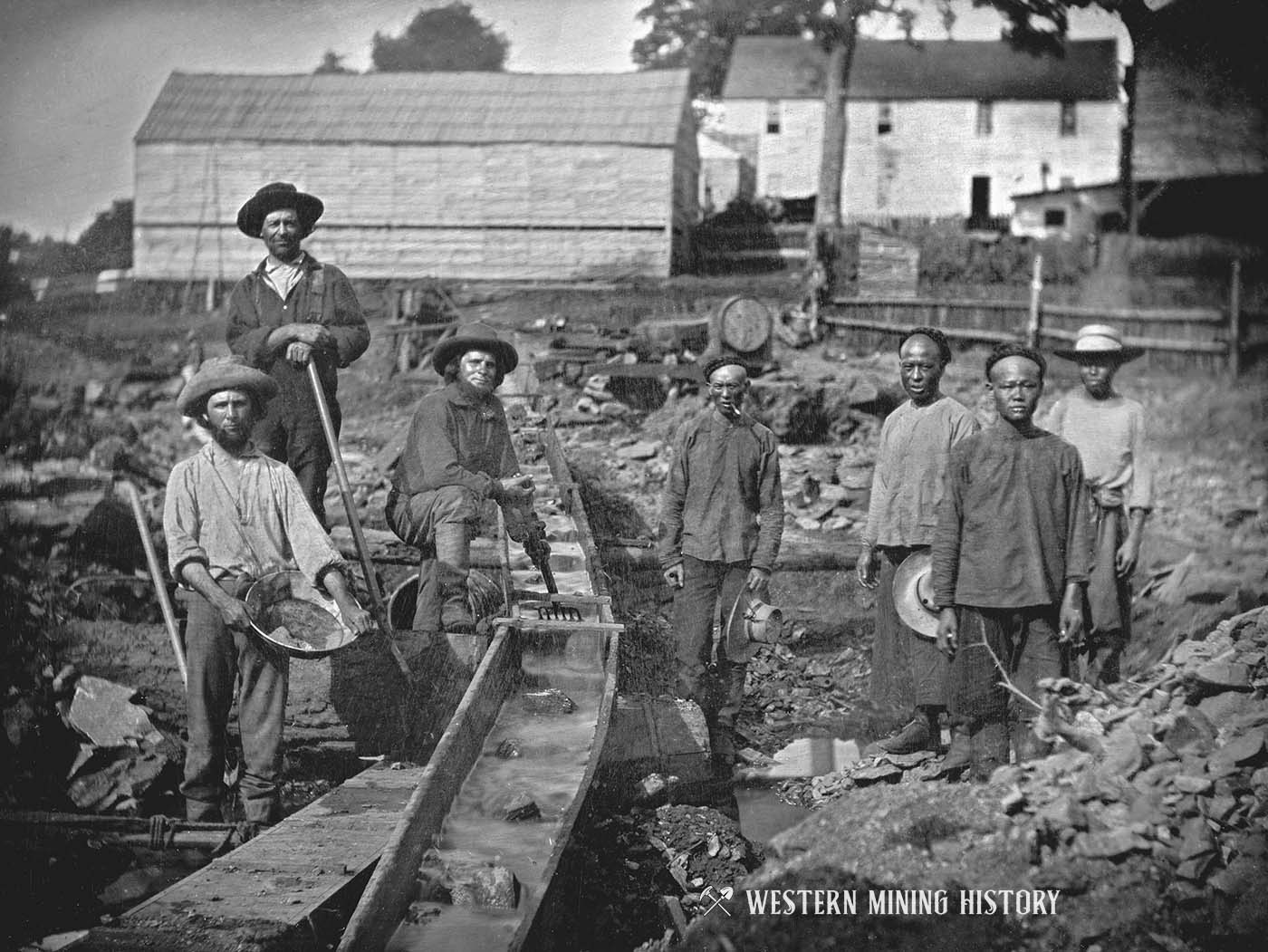
Third, the “Isthmus of Panama” route offered a shorter, but still perilous, alternative. Travelers sailed from the East Coast to Panama, crossed the disease-ridden jungle Isthmus (often by dugout canoe and mule), and then awaited another ship on the Pacific side to complete the journey to California. This route was faster, typically taking 2-3 months, but was notorious for tropical diseases like malaria and yellow fever.
These incredible journeys highlight the profound commitment required to participate in the Gold Rush, fundamentally shaping the early demographic makeup of California and fostering a new, diverse population seeking fortune.
Life in the Gold Fields: A Harsh Reality
While the initial period of the Gold Rush (1848-1850) was characterized by surface gold discoveries and individual prospecting, the nature of mining quickly evolved. By the early 1850s, easily accessible placer deposits in rivers and streams began to diminish. This shift marked the beginning of the “secondary phase” of the Gold Rush, where more sophisticated and capital-intensive methods became necessary.
Hydraulic mining, using high-pressure water cannons to wash away hillsides, and quartz mining, involving tunneling deep into mountains to extract gold from rock, became prevalent. These methods required significant investment, leading to the rise of mining companies and a more structured, industrial approach to gold extraction. This transition also signaled a move away from the individual prospector dream towards wage labor, gradually diminishing the myth of instant, effortless wealth. By the mid-1850s, the frenzy had largely subsided as the average miner’s chances of striking it rich dwindled significantly.
Boomtowns and Cities: Where Fortunes and Fates Were Forged
The explosion of migration during the Gold Rush led to the rapid development of hundreds of boomtowns across California’s Gold Country, particularly in the Sierra Nevada foothills and the Mother Lode region. Places like Sacramento, initially a modest trading post, and San Francisco, a sleepy port town, exploded in population and economic activity.
San Francisco, in particular, became the primary port of entry and a bustling hub for commerce, supplying miners with tools, food, and entertainment. Its population swelled from around 1,000 in 1848 to over 25,000 by 1850. The city’s rapid growth exemplifies the dramatic impact of the Gold Rush on urban development. These burgeoning cities became melting pots of diverse cultures, attracting entrepreneurs, merchants, gamblers, and people from all walks of life looking to profit from the miners, if not the gold itself.
Life in these towns was raw and unrefined. Prices for goods and services were exorbitant, reflecting the high demand and difficulty of supply. Basic accommodation could cost a fortune, and luxury amenities were virtually non-existent in the early days. Opulent hotels and fine dining would only emerge as the gold economy stabilized and diversified. These boomtowns, many of which are now ghost towns or preserved historic sites, offer a tangible connection to the past, allowing visitors to walk the same streets where fortunes were won and lost.
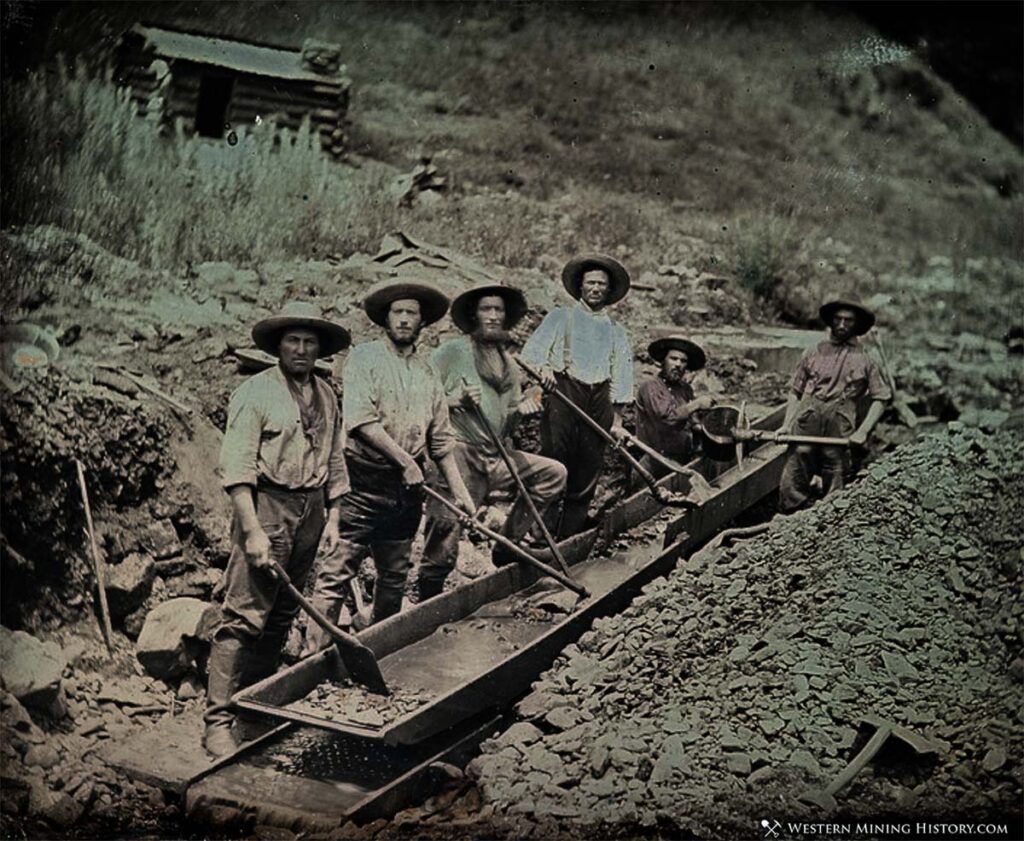
A Diverse Melting Pot: People from Across the Globe
The California Gold Rush was not just an American phenomenon; it was a global magnet. People flocked from Mexico, Chile, China, France, Ireland, and countless other nations, creating an unparalleled level of cultural diversity in mid-19th century America.
Chinese immigrants, for instance, arrived in large numbers, playing a crucial role in mining and infrastructure development, despite facing immense discrimination. Their contributions shaped the cultural landscape of cities like San Francisco, which quickly developed vibrant Chinatowns. Mexican miners, many with prior experience, introduced crucial mining techniques. This rich mosaic of nationalities brought with it diverse languages, cuisines, and traditions, laying the foundation for California’s multicultural identity. The Gold Rush was thus a foundational event in global migration, showcasing how the promise of economic opportunity can transcend borders and forge new societies.
The Enduring Legacy: Shaping California and Beyond
While the main period of the California Gold Rush was relatively brief, lasting from 1848 to about 1855, its impact was monumental and long-lasting. By the mid-1850s, the easily accessible gold had largely been extracted, and the era of individual prospectors making a quick fortune faded. However, the economic, political, and social changes it unleashed continued to shape California for decades.
Economically, the rush spurred incredible growth, diversifying beyond mining to agriculture, manufacturing, and shipping. Politically, the rapid population increase expedited California’s statehood in 1850, skipping the territorial phase entirely. Socially, it created a vibrant, albeit often tumultuous, society that was uniquely American in its drive and diversity. The infrastructure built to support the miners – roads, ports, and nascent industries – became the backbone of the state’s future prosperity. Even today, the California dream, with its promise of innovation and opportunity, echoes the fervent hope of the Forty-Niners.
Economic Transformation and Infrastructure Development
The influx of gold and people during the rush catalyzed an economic boom that stretched far beyond the gold fields. It fueled the growth of industries necessary to support the massive population increase. Agriculture in the Central Valley and San Joaquin Valley expanded rapidly to feed the growing cities and mining camps. Shipping companies thrived, connecting California to the rest of the world and facilitating trade. Banks and financial institutions emerged to manage the newfound wealth and investments.
The need for efficient transportation led to the development of roads, bridges, and eventually railroads, profoundly improving connectivity within the state. San Francisco, Sacramento, and other cities evolved into major economic centers, laying the groundwork for California’s future as an economic powerhouse. The gold may have been finite, but the entrepreneurial spirit it ignited fostered sustained economic development, making California a beacon of opportunity.
Statehood and Political Influence
Perhaps one of the most immediate and significant political consequences of the Gold Rush was the rapid admission of California into the Union as the 31st state on September 9, 1850. The sheer explosion in population necessitated a stable government and legal framework to manage the complexities arising from the massive migration, land claims, and burgeoning commerce.
California’s entry as a free state significantly altered the delicate balance between free and slave states in the United States Congress, contributing to the escalating tensions that would eventually lead to the Civil War. The Gold Rush thus not only shaped California’s destiny but also played a critical role in the larger narrative of American political development, solidifying its place in the national fabric.
Experiencing the Gold Rush Today: A Journey Through Time
For history enthusiasts, adventure seekers, and families looking for educational and exciting experiences, California’s Gold Country offers an unparalleled journey back in time. The legacy of the California Gold Rush is preserved in numerous state parks, museums, and charming historic towns that dot the foothills of the Sierra Nevada Mountains. These destinations provide a tangible link to the past, allowing visitors to walk in the footsteps of the Forty-Niners and truly understand the challenges and triumphs of this transformative era.
Tourism in the Gold Country focuses heavily on immersive historical experiences, from gold panning to exploring preserved mining camps and Victorian-era main streets. It’s an ideal destination for those who appreciate local culture and wish to delve into the rich narrative of California’s founding.
Top Gold Rush Landmarks and Attractions
To truly grasp the essence of the California Gold Rush, visiting some of its key landmarks is essential. These sites are not just relics; they are living museums that tell compelling stories.
- Marshall Gold Discovery State Historic Park (Coloma): This is the very spot where James W. Marshall first found gold. Visitors can see a replica of Sutter’s Mill, try their hand at gold panning in the American River, and explore the museum and historic buildings. It’s an immersive experience at the birthplace of the rush.
- Columbia State Historic Park: Known as the “Gem of the Southern Mines,” Columbia is a wonderfully preserved Gold Rush town where visitors can ride stagecoaches, pan for gold, and interact with costumed docents. The entire town is a landmark, offering insights into daily life, local culture, and the architecture of the period.
- Bodie State Historic Park: A remarkably preserved ghost town, Bodie provides an eerie yet fascinating glimpse into a mining town frozen in time. Buildings remain intact, filled with original belongings, offering an authentic experience of a bygone era. It’s a testament to the boom-and-bust cycle of the Gold Rush.
- Sutter’s Fort State Historic Park (Sacramento): This fort was John Sutter’s agricultural empire and a vital destination for early settlers before the Gold Rush. It became a crucial supply point during the rush and now offers a look into pioneer life through living history exhibits.
- Malakoff Diggins State Historic Park: Home to the largest hydraulic mining site in California, this park demonstrates the large-scale industrialization of mining and its environmental impact. It includes a historic town, a mining museum, and hiking trails through the dramatic landscape carved by hydraulic jets.
- Old Sacramento Waterfront: While Sacramento has evolved, its historic waterfront preserves many buildings from the Gold Rush era. It’s a lively district with shops, restaurants, and museums, including the Sacramento History Museum, offering a blend of history and modern attractions.
- Historic Towns: Explore charming towns like Nevada City, Sonora, Placerville, and Grass Valley. Each boasts unique historical architecture, local museums, and a palpable sense of the past, offering distinct destinations for curious travelers.
Planning Your Gold Rush Adventure: Accommodation and Lifestyle
Visiting California’s Gold Country requires a bit of planning to fully appreciate its charm and history. The region offers a variety of accommodation options, catering to different lifestyles and budgets.
For those seeking an authentic historical feel, many bed and breakfasts are housed in beautifully restored Victorian buildings, offering a unique blend of comfort and period charm. Larger towns like Sacramento, Sonora, and Nevada City feature modern hotels, including familiar chains like the Best Western Plus Placerville Inn or the Holiday Inn Express Sacramento Convention Center, providing contemporary amenities for a comfortable stay. For a more rustic experience, campgrounds and cabins are available in various state parks and national forests, perfect for combining historical exploration with nature activities like hiking or fishing.
When considering your lifestyle preferences, you can opt for a luxury travel experience with upscale resorts and gourmet dining in cities like Sacramento or nearby Napa Valley and Lake Tahoe. Alternatively, budget travel is easily achievable by staying in smaller inns, utilizing self-catering apartments, or camping. Family trips will find ample activities, from interactive exhibits to outdoor adventures, ensuring engagement for all ages.
The best time to visit is typically spring or fall, when the weather is mild and the crowds are smaller. Remember to check local guides and tips for specific attractions and events, as many Gold Rush towns host historical reenactments and festivals throughout the year. Connecting your visit with these local activities will significantly enhance your understanding of the period.
The California Gold Rush was a relatively brief but incredibly intense period that forever etched itself into the fabric of American history. From its explosive beginning in 1848 to its transformation into an industrial enterprise by the mid-1850s, the “when” of the Gold Rush is deeply intertwined with its profound “how” and “why.” Today, this captivating chapter remains a vibrant part of California’s identity, inviting travelers from around the world to explore its enduring legacy and experience a pivotal moment in time.
LifeOutOfTheBox is a participant in the Amazon Services LLC Associates Program, an affiliate advertising program designed to provide a means for sites to earn advertising fees by advertising and linking to Amazon.com. Amazon, the Amazon logo, AmazonSupply, and the AmazonSupply logo are trademarks of Amazon.com, Inc. or its affiliates. As an Amazon Associate we earn affiliate commissions from qualifying purchases.