The genesis of a legendary institution, the University of Texas, dates back to a pivotal moment in the history of the Lone Star State. While its roots can be traced to the very fabric of Texas statehood, the official founding and opening of the main campus in Austin occurred in 1883. More precisely, the first classes were held on September 15, 1883, marking the true inauguration of what would become one of the premier public universities in the United States. This monumental event wasn’t just about establishing a place of learning; it was about fulfilling a constitutional mandate and shaping the future of a vast, emerging state.
Beyond its academic prestige, the University of Texas at Austin stands today as a vibrant landmark and a compelling destination for travelers. Its sprawling campus, known affectionately as the “Forty Acres,” is a tapestry of historic architecture, world-class museums, and verdant green spaces that beckon visitors to explore. For those planning a trip to Austin, Texas, understanding the university’s rich history is key to appreciating its profound impact on local culture, tourism, and the overall lifestyle of this dynamic capital city. This article delves into the fascinating origins of UT, explores its campus as a must-see attraction, and provides insights for visitors seeking to immerse themselves in the unique Austin experience.
The Genesis of a Texas Icon: The Founding Story
The story of the University of Texas’s founding is deeply intertwined with the aspirations and legal frameworks laid down by the state’s early leaders. It was a vision for public education that would serve the intellectual and societal needs of a rapidly developing Texas, ensuring future generations had access to higher learning within their own borders.
Early Visions and Constitutional Mandates
The concept of a public university in Texas was not a fleeting idea but a long-held ambition. Even before Texas joined the United States, the idea of supporting public education through land grants was present. However, it was the Texas Constitution of 1876 that explicitly mandated the establishment of “a university of the first class,” including a medical department. This constitutional provision was a powerful statement of commitment from the state’s framers, recognizing education as a cornerstone of progress and prosperity. It designated one million acres of land for the endowment of the university, providing a financial foundation that would prove invaluable for its future growth and development.
This mandate, however, did not immediately translate into brick and mortar. Years of debate and political maneuvering followed, as lawmakers grappled with questions of location, funding, and the structure of the nascent institution. Various cities vied for the prestigious honor of hosting the university, understanding the immense economic and cultural benefits it would bring. Ultimately, Austin, the state capital, was chosen as the site for the main campus through a popular vote in 1881. This decision solidified Austin’s destiny as a hub of intellect and innovation, forever linking the city’s identity with its burgeoning university. The commitment enshrined in the constitution laid the groundwork for what would become an enduring symbol of Texas pride and academic excellence.
From Cornerstone to Classroom: The Inaugural Years
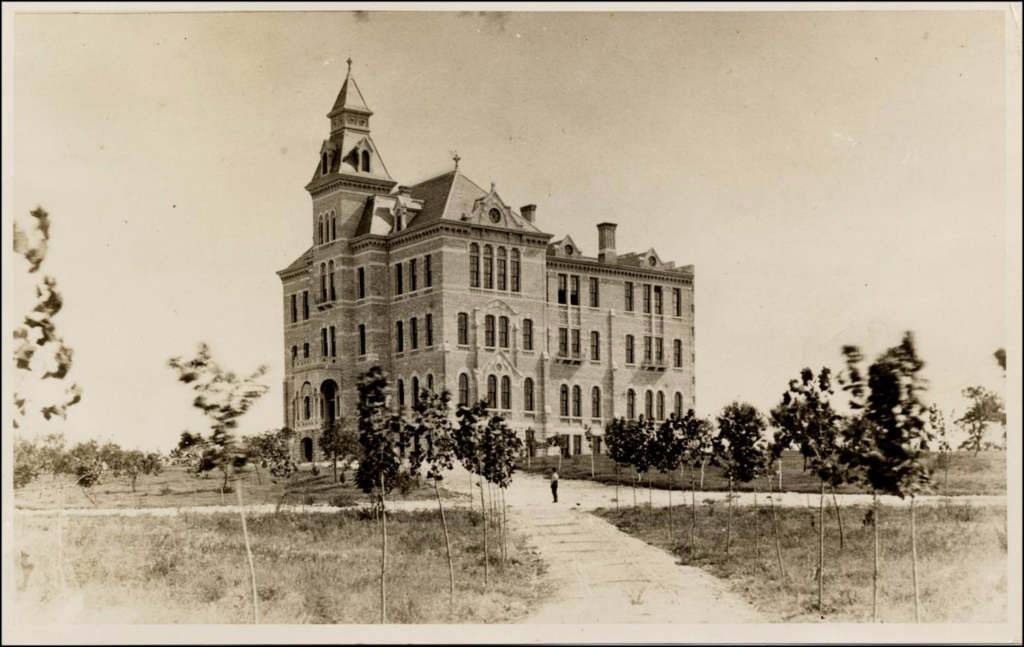
With the location settled, the practical work of building and opening the university began in earnest. On November 17, 1882, the cornerstone for the first academic building was laid, a symbolic gesture marking the tangible beginning of the University of Texas. This momentous occasion drew dignitaries and citizens from across the state, all eager to witness the birth of their public university. The initial construction, while modest compared to today’s sprawling campus, represented a significant investment in the state’s future. The architectural style chosen for these early buildings often reflected the grand aspirations of the era, blending functionality with a sense of classical elegance.
Less than a year later, the doors officially opened. On September 15, 1883, the first classes commenced at the University of Texas at Austin. A small but dedicated faculty welcomed a pioneering class of 221 students. The curriculum initially focused on liberal arts, with departments in ancient languages, modern languages, mathematics, history, and natural sciences. These early students and professors were tasked not only with pursuing knowledge but also with establishing the traditions and academic rigor that would define the institution for generations. This period was characterized by a spirit of determination and innovation, as the university sought to fulfill its constitutional promise and quickly earn its reputation as a “university of the first class.” The humble beginnings of 1883 laid the foundation for the massive educational powerhouse and cultural landmark that the University of Texas at Austin is today.
The University of Texas Today: A Landmark Destination
What began as a modest institution in 1883 has evolved into a sprawling campus that is both an academic powerhouse and a significant tourist attraction. The University of Texas at Austin is not just a place for learning; it’s a vibrant landmark steeped in history, culture, and architectural beauty, offering a plethora of experiences for visitors.
Exploring the Campus: Architecture, Museums, and Green Spaces
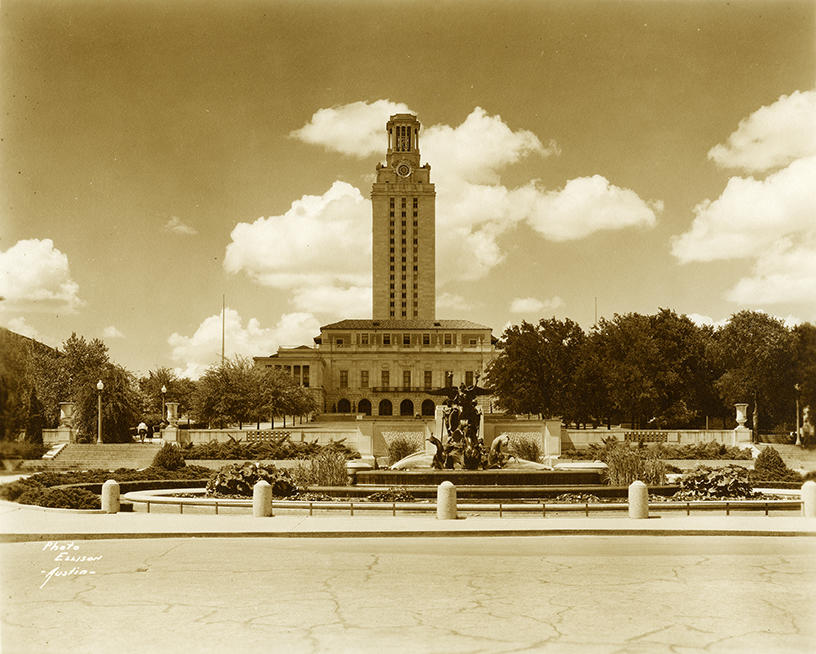
The University of Texas at Austin campus is a destination in itself, boasting iconic architecture, world-class museums, and inviting green spaces that invite exploration. At the heart of the campus stands the majestic Main Building, a neo-classical structure that houses administrative offices and classrooms. Dominating the Austin skyline, the famous Texas Tower is an integral part of the Main Building, known for its distinct chimes and the ability to light up in celebratory orange. Visitors can often take guided tours that delve into the history and significance of these architectural marvels.
Beyond the Main Building, the campus is home to several outstanding cultural institutions. The Harry Ransom Center is a renowned humanities research library and museum, housing an extraordinary collection of literary and cultural artifacts, including the Gutenberg Bible and the world’s first photograph. Art enthusiasts will find themselves captivated by the Blanton Museum of Art, one of the largest university art museums in the United States, featuring an impressive collection spanning European, American, Latin American, and contemporary art. The campus itself is beautifully landscaped, with plenty of shaded pathways, fountains, and courtyards, perfect for a leisurely stroll or a moment of reflection. From the historic buildings of the Forty Acres to the modern research facilities, the university offers a fascinating blend of old and new, making it a key landmark for any visitor to Austin.
Immerse in UT Culture: Sports, Arts, and Campus Life
The vibrant spirit of the University of Texas at Austin extends far beyond its academic halls into a rich tapestry of sports, arts, and dynamic campus life. For many, the university is synonymous with its powerhouse athletic programs, particularly the Texas Longhorns. Attending a Longhorns football game at Darrell K Royal-Texas Memorial Stadium is an quintessential Austin experience, characterized by fervent school spirit, spirited tailgating, and the iconic “Hook ’em Horns” gesture. Even outside of game days, the sheer scale of the athletic facilities and the lore surrounding the Longhorns provide a fascinating glimpse into the deep-seated pride of Texas.
The arts also thrive on the UT Austin campus. The Bass Concert Hall, part of the Texas Performing Arts series, is the largest theater in Austin and hosts a diverse array of Broadway shows, concerts, dance performances, and lectures throughout the year. Visitors can check schedules for upcoming events and catch a world-class performance. Beyond these major venues, numerous smaller theaters, galleries, and performance spaces showcase student and faculty talent, offering a more intimate cultural experience. Strolling through the campus, especially during a weekday, allows visitors to absorb the energetic atmosphere of student life – from study sessions in the libraries to vibrant discussions in courtyards. The university’s strong connection to its alumni and the local community ensures that its cultural pulse is always beating strong, making it a focal point for tourism and local experiences in Austin.
Planning Your Visit to Austin and UT
Visiting the University of Texas at Austin is an integral part of any trip to the capital city, offering a blend of history, culture, and the vibrant energy that defines Austin. To make the most of your travel experience, thoughtful planning of accommodation and activities is essential.
Accommodation Near the Forty Acres
For travelers looking to explore the University of Texas and the surrounding areas, a wide range of accommodation options are available to suit every budget and lifestyle. Many hotels are strategically located within easy reach of the Forty Acres, offering convenience for campus visits, sporting events, or academic conferences.
- Luxury Stays: For those seeking an opulent experience, downtown Austin hotels offer premium amenities, stunning city views, and close proximity to both the campus and the city’s entertainment districts. Consider properties like the Hyatt Regency Austin overlooking Lady Bird Lake, the sophisticated JW Marriott Austin, or the historic elegance of The Driskill on Sixth Street. These options often feature exquisite suites, fine dining, and resort-style amenities.
- Boutique Hotels and Apartments: For a more personalized experience, Austin boasts a vibrant selection of boutique hotels and serviced apartments. Properties like the Mansion at Judges’ Hill offer unique charm and character within walking distance or a short ride from campus. Apartments and villas available through various booking platforms cater to longer stays or groups, providing the comforts of home with added privacy.
- Budget-Friendly Options: Numerous well-known hotel chains (such as Marriott, Hilton, InterContinental) offer excellent value with comfortable rooms and standard amenities just a short drive or bus ride from the university. Many of these are clustered along major thoroughfares, providing easy access to both the campus and other city attractions.
- Booking and Reviews: When choosing your accommodation, it’s always advisable to consult online reviews and comparison sites to find the best fit for your needs. Consider factors like proximity to public transport, parking availability, and specific amenities (pools, fitness centers, pet-friendliness) that enhance your stay. Booking in advance, especially during peak university events like commencement or major football games, is highly recommended to secure the best rates and availability.
Beyond the Campus: Austin’s Allure
While the University of Texas at Austin is a central attraction, the city of Austin itself offers an irresistible blend of local culture, outdoor activities, and renowned culinary experiences. Known as the “Live Music Capital of the World,” Austin’s vibrant music scene can be experienced nightly in numerous venues, from intimate bars on Sixth Street to larger concert halls.
For those interested in history and politics, a visit to the magnificent Texas State Capitol is a must. This impressive granite structure, taller than the United States Capitol in Washington D.C., offers free tours and provides deep insights into Texas governance. Outdoor enthusiasts will find plenty to love, from kayaking or paddleboarding on Lady Bird Lake to hiking and swimming at Zilker Park, which also hosts the famous Barton Springs Pool.
Austin’s food scene is legendary, offering everything from mouth-watering BBQ joints and Tex-Mex eateries to upscale dining and an explosion of food trucks serving diverse cuisines. Exploring the city’s neighborhoods, such as South Congress Avenue (SoCo) with its quirky boutiques and vibrant street art, adds another layer to the Austin experience. Whether you’re a family on vacation, a business traveler extending your stay, or a solo adventurer, Austin provides a dynamic backdrop to your visit, making it one of the most exciting destinations in the United States.
The Enduring Legacy and Lifestyle Impact
The founding of the University of Texas in 1883 was far more than just the establishment of another educational institution; it was the planting of a seed that would grow to profoundly influence the educational, economic, and cultural landscape of Texas and beyond. Its legacy is woven into the very fabric of Austin’s identity, shaping the city into the vibrant, innovative hub it is today.
A Hub for Innovation and Community
From its humble beginnings, the University of Texas at Austin has consistently grown in stature and influence, becoming a leading public research university globally. This growth has transformed it into a powerful engine for innovation, driving advancements in technology, science, arts, and humanities. Graduates from UT Austin have gone on to lead industries, shape public policy, and make groundbreaking discoveries, contributing significantly to both the state and the national economy. The university fosters a dynamic ecosystem of startups, research collaborations, and intellectual exchange that directly benefits the local economy and attracts talent from around the world.
Beyond its academic and research prowess, the university serves as a vital cultural and community anchor. Its campus hosts countless public events, from lectures and performances to athletic competitions and festivals, drawing in residents and tourists alike. This constant flow of activity enriches Austin’s diverse lifestyle, offering a wide array of leisure and learning opportunities. The presence of such a large and prestigious university naturally creates a youthful, energetic atmosphere in the city, influencing its unique music scene, culinary trends, and progressive outlook. For visitors, understanding this profound connection between the university and the city enhances the travel experience, revealing how the pioneering vision of 1883 continues to shape the lively, innovative spirit of Austin, Texas today. Whether you’re drawn by academic pursuits, the thrill of Longhorns sports, or simply the vibrant atmosphere of a major university town, UT Austin stands as a testament to an enduring legacy of excellence and community impact.
In conclusion, the University of Texas at Austin was officially founded and opened its doors for classes on September 15, 1883, fulfilling a constitutional mandate from 1876. What began as a bold vision for public education has blossomed into an iconic landmark and a thriving center of learning, culture, and innovation. For any traveler exploring Austin, a visit to the Forty Acres offers a captivating journey through history, architectural grandeur, and a vibrant campus life. Coupled with Austin’s diverse attractions, from its legendary music venues and culinary delights to its beautiful parks and rich political history, a trip centered around the University of Texas promises an enriching and unforgettable experience. From accommodation choices ranging from luxury resorts to charming boutique hotels, to guides for local culture and activities, Austin provides an exceptional destination where history, education, and lively lifestyle converge.