
As the peak of hurricane season approaches, travelers and residents alike often find themselves closely monitoring weather updates. The recent emergence of Hurricane Beryl has turned eyes towards the Texas coastline, raising crucial questions about its potential impact on travel plans, tourism activities, and daily life in the Lone Star State. For those planning a getaway, residing in coastal communities, or operating within the vast Texas tourism industry, understanding the forecast and preparing for contingencies is paramount. This article aims to provide a comprehensive overview for travelers, focusing on the potential timeline, affected areas, and essential preparedness strategies to ensure safety and minimize disruption.
The Approaching Storm: Forecast and Potential Impact
The threat of a hurricane can cast a shadow over even the most meticulously planned travel itineraries. When a storm like Hurricane Beryl develops, the first and most pressing question for many is, “When will it hit?” Understanding the projected path and intensity is the cornerstone of any effective travel or safety plan.
Beryl’s Path Towards the Lone Star State
Hurricane Beryl has been closely tracked since its formation, captivating the attention of meteorologists and the public. Current projections from the National Hurricane Center indicate a developing scenario where the storm could potentially make landfall or bring significant impacts to the Texas Gulf Coast within the next 48 to 72 hours, though these forecasts are subject to change. Initially forming in the Atlantic, Beryl intensified as it moved westward, finding favorable conditions for strengthening over the warm waters of the Gulf of Mexico. Its current trajectory places a broad swath of the Texas coastline, from its southern reaches up to its central shores, within the cone of uncertainty.
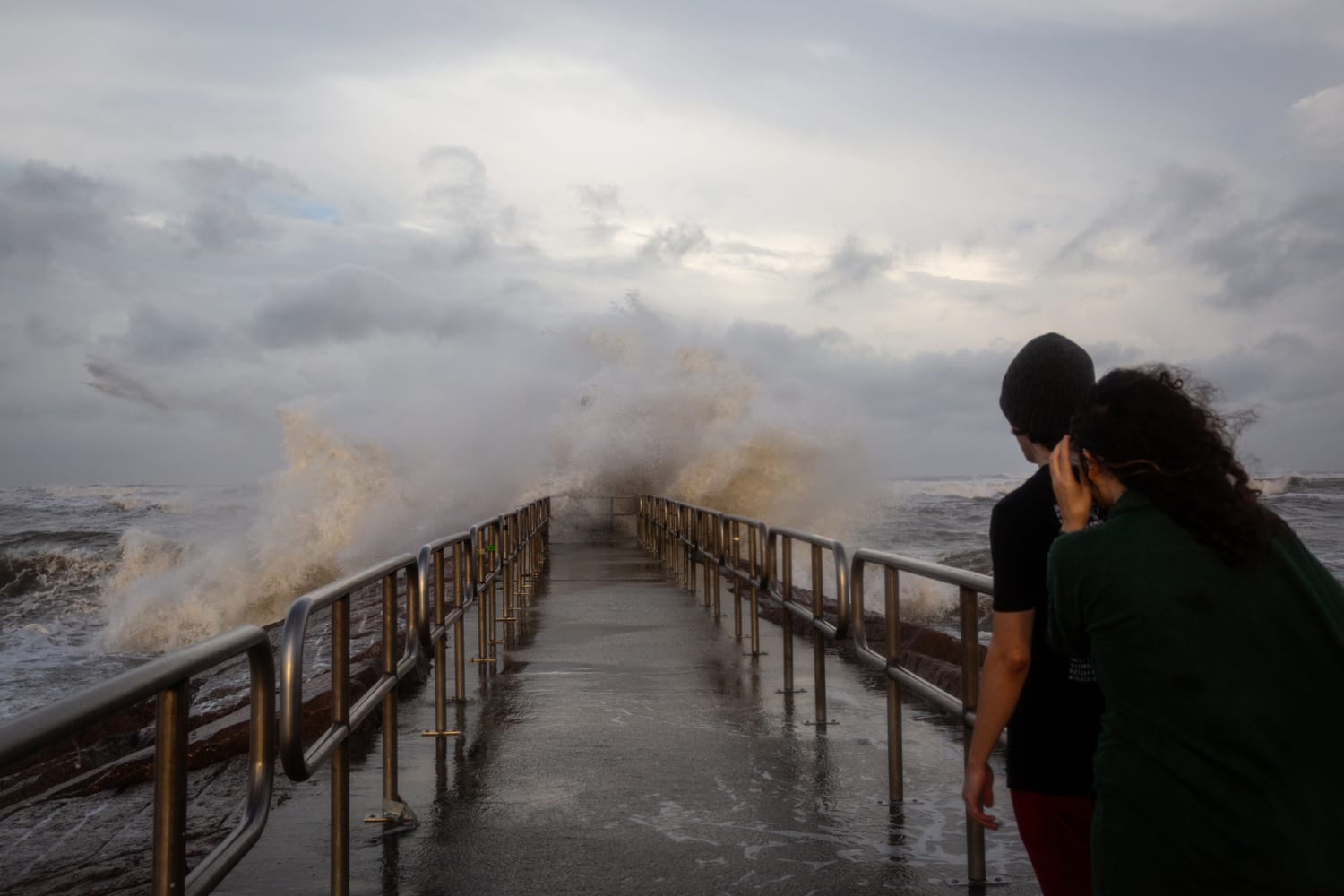
Meteorologists are forecasting Beryl to potentially reach Category 2 or 3 intensity before any interaction with the coast. Such a storm carries significant threats, including a dangerous storm surge that could inundate coastal communities, destructive high winds capable of causing widespread power outages and structural damage, and torrential rainfall leading to inland flooding. These conditions pose substantial risks not only to infrastructure but also to the safety and well-being of residents and visitors. Travelers with plans involving areas such as Galveston, Corpus Christi, Houston‘s immediate coastal zones, South Padre Island, and Port Aransas are urged to pay close attention to official advisories. The dynamic nature of hurricanes means that precise timing and impact zones can shift, underscoring the importance of continuous monitoring of credible weather sources.

Travel Implications and Advisory for Visitors
For individuals whose travel plans coincide with the potential arrival of Hurricane Beryl, the implications can be extensive. From disrupted flights to inaccessible roads and compromised accommodations, a major storm can derail a vacation or business trip entirely. Proactive measures and a clear understanding of airline, hotel, and local authority guidelines are crucial for navigating these challenges.
Safeguarding Your Texas Travel Plans
The immediate aftermath of a hurricane threat often translates into widespread disruptions across various modes of transportation. Air travel, in particular, is highly sensitive to severe weather conditions.
Flight Cancellations and Airport Operations: Major international hubs such as George Bush Intercontinental Airport (IAH) and William P. Hobby Airport (HOU) in Houston, which serve millions of passengers annually, are typically among the first to be affected. Airlines often issue travel waivers, allowing passengers to rebook flights without penalty or receive refunds, especially for itineraries involving affected airports. Travelers should immediately check their airline’s website or contact customer service for the latest updates regarding their specific flights. Even those connecting through major Texas airports like Dallas/Fort Worth International Airport (DFW), though further inland, could experience ripple effects due to aircraft and crew repositioning. The key is to act swiftly, as available seats on alternative flights diminish rapidly once waivers are issued.
Road Closures and Ground Transportation: Beyond air travel, ground transportation is equally vulnerable. Primary evacuation routes, notably I-45 linking Houston to Galveston and further north, and US-59 heading out of Houston, can become severely congested or completely impassable as residents adhere to evacuation orders. Coastal highways and roads leading to popular beach destinations like Galveston Island, South Padre Island, and Port Aransas are often among the first to experience closures due to storm surge or flooding. Travelers planning to drive through or within affected areas must monitor local news and traffic apps for real-time updates. Public transportation, including bus services and local ferries (such as those serving Galveston Island), may also be suspended as conditions deteriorate, making mobility extremely challenging. It’s imperative to heed all local advisories and avoid driving into flooded areas, as this can be incredibly dangerous.

Hotel and Accommodation Preparedness
The hospitality sector along the Texas coast is well-versed in hurricane preparedness, but visitors need to understand their options and responsibilities when a storm approaches. Hotels, resorts, and vacation rentals all operate under specific protocols during an emergency.
Coastal Resorts and City Hotels: Beachfront hotels and resorts in high-risk areas like Galveston, Corpus Christi, and South Padre Island often have robust emergency plans, which may include guest evacuation procedures, securing property, and providing limited services during the storm. Many establishments offer flexible cancellation policies in the event of a hurricane warning, typically allowing guests to cancel without penalty. However, it’s crucial to review the specific terms and conditions of your booking or contact the hotel directly as soon as a threat emerges. For those already in an affected area, hotels will usually communicate evacuation orders issued by local authorities and provide guidance on safe departure routes or shelter-in-place options if applicable.
Vacation Rentals and Alternative Stays: Vacation rentals, including Airbnb and other platforms, may have different cancellation and refund policies than traditional hotels. Often, these are set by individual property owners, and while some may offer flexibility during a declared emergency, others might adhere to stricter terms. Travelers should review their rental agreement carefully and communicate directly with the property manager or host. In cases of mandatory evacuation, staying in a rental property may become illegal, and services like power and water could be shut off, making the accommodation uninhabitable. It is always wise to have a backup plan for emergency lodging, perhaps in a less vulnerable inland city like San Antonio or further north if travel conditions permit. Confirming insurance coverage, both personal travel insurance and any offered through the rental platform, is also a smart move to protect against unforeseen expenses.
Protecting Your Texas Experience: Attractions and Local Tourism
A hurricane threat naturally leads to the closure of tourist attractions, parks, and other leisure facilities. For visitors whose primary purpose is to explore Texas’s vibrant culture and natural beauty, understanding these closures is essential for adjusting expectations and ensuring safety.
Impact on Iconic Destinations and Activities
The rich tapestry of Texas tourism encompasses everything from bustling cityscapes to serene beaches and historical landmarks. When a storm like Beryl looms, many of these cherished sites take precautionary measures.
Coastal Attractions: The Texas Gulf Coast is a magnet for tourists, boasting attractions that capitalize on its unique environment. In Galveston, popular destinations like Moody Gardens and the historic Pleasure Pier are typically among the first to announce closures to ensure public safety and protect their facilities. Similarly, the pristine beaches and wildlife sanctuaries of South Padre Island, the vibrant fishing community of Port Aransas, and the natural beauty of Padre Island National Seashore will cease operations. These closures are not only due to the immediate danger of wind and storm surge but also to facilitate evacuation efforts and allow for post-storm damage assessment and clean-up. Travelers planning to visit these areas should check official websites and local tourism boards for real-time closure information before venturing out.
Inland Cultural Sites: While the direct impact of a hurricane is concentrated on coastal areas, inland attractions can also be indirectly affected. For instance, Space Center Houston, a major draw, may close or adjust hours depending on the storm’s proximity, potential for high winds, or widespread power outages affecting the Houston metropolitan area. Further inland, iconic landmarks like The Alamo in San Antonio are unlikely to suffer direct storm damage. However, travel disruptions—such as road closures, flight cancellations, or fuel shortages—could significantly impede access for visitors. Texas State Parks and other recreational areas, particularly those in coastal or low-lying regions, will often issue closure warnings, suspending camping, hiking, and water-based activities to prevent emergencies. Even in less directly affected areas, the overall atmosphere can be one of preparedness rather than leisurely tourism, impacting the visitor experience.
Essential Safety and Preparedness for Travelers
The single most critical aspect of traveling during hurricane season is preparedness. For those caught in a storm’s path or planning to be, a well-thought-out safety strategy can make all the difference.
Your Guide to Staying Safe in Texas
Whether you’re a seasoned traveler or embarking on your first trip to Texas, understanding basic hurricane preparedness is paramount. This knowledge ensures not just your safety but also peace of mind.
Monitoring Official Sources: In any emergency situation, reliable information is your best ally. It is imperative to monitor official sources constantly. The Texas Division of Emergency Management (TDEM) website and social media channels are invaluable resources for statewide alerts, evacuation orders, and shelter information. Additionally, local city and county emergency services websites will provide hyper-specific guidance for their jurisdictions, including detailed evacuation zones and community-specific instructions. Weather apps, local news channels, and NOAA Weather Radio are also essential tools for receiving real-time updates and emergency alerts. Avoid relying on unofficial reports or social media rumors, as misinformation can be dangerous during a crisis.
Emergency Kit Essentials: Every traveler should have a basic emergency kit, especially when venturing into areas prone to severe weather. This kit doesn’t need to be elaborate but should cover essential needs for at least 72 hours. Key items include bottled water (one gallon per person per day), non-perishable food items, a first aid kit, any necessary prescription medications, a battery-powered radio, extra batteries, a flashlight, chargers for mobile devices, and copies of important documents (ID, insurance policies, hotel reservations). Having enough cash on hand is also wise, as ATMs and credit card systems may be inoperable during power outages. For those traveling by car, ensure your vehicle has a full tank of gas.
Communication Plan: In the event of a power outage or cell service disruption, having a communication plan is vital. Inform family and friends of your travel itinerary, including hotel names and estimated arrival/departure times. Designate an out-of-state contact person who everyone can check in with, as long-distance calls may go through more easily than local ones during an emergency. Make sure your phone is fully charged at all times, and consider carrying a portable power bank. Learn the emergency contact numbers for your accommodation and local emergency services.
Evacuation Procedures: If local authorities issue a mandatory evacuation order, heed it immediately. These orders are issued for your safety and are based on the latest threat assessments. Understand your evacuation zone, which can often be found on local emergency management websites. Have a plan for your departure, including knowing designated evacuation routes and identifying safe places to go inland. If driving, plan for heavy traffic and potential fuel shortages along evacuation routes. Never delay your departure, as conditions can deteriorate rapidly, making travel hazardous or impossible. Remember, you can always return to enjoy the beauty of Texas once the storm has passed and it is safe to do so.
Resuming Travel and Supporting Texas’s Comeback
Hurricanes, while destructive, are often followed by a remarkable spirit of resilience and recovery. For travelers, this means understanding when it’s appropriate to resume travel plans and how they can best support the affected regions.
The communities along the Texas Gulf Coast are known for their strength and determination in bouncing back from natural disasters. While the immediate aftermath of Hurricane Beryl may involve significant cleanup and restoration efforts, these areas are often eager to welcome visitors back as soon as it is safe to do so. Supporting local tourism post-storm is one of the most effective ways to aid recovery, helping businesses reopen, jobs return, and communities thrive once again.
When considering future travel to Texas after a hurricane, it’s advisable to check with local tourism boards and specific attractions for their reopening status. Many destinations will launch “welcome back” campaigns, highlighting their recovery and readiness to host guests. By choosing to visit, staying in local hotels, dining at local restaurants, and engaging with local businesses, travelers directly contribute to the economic revitalization of the affected areas. Texas offers an incredible array of experiences, from the vibrant culture of its cities to the serene beauty of its natural landscapes. While Hurricane Beryl may cause temporary disruptions, the spirit of Texas and its people endures, promising unforgettable experiences for future visitors eager to explore all that the state has to offer.
LifeOutOfTheBox is a participant in the Amazon Services LLC Associates Program, an affiliate advertising program designed to provide a means for sites to earn advertising fees by advertising and linking to Amazon.com. Amazon, the Amazon logo, AmazonSupply, and the AmazonSupply logo are trademarks of Amazon.com, Inc. or its affiliates. As an Amazon Associate we earn affiliate commissions from qualifying purchases.