
California, a land synonymous with sunshine, beaches, and a perpetually pleasant climate, often leads people to wonder: when does it actually get cold here? While the Golden State might not experience the harsh winters of its northern counterparts, the concept of “cold” in California is nuanced, varying wildly from its iconic coastal cities to its towering mountain ranges. For travelers planning their next adventure, or locals seeking a cozy escape, understanding the seasonal shifts is key to maximizing the California experience. This exploration delves into the climatic tapestry of California, examining when a chill can be felt, where to find it, and what makes each cool season unique.

The notion of “cold” in California is relative. Unlike regions that endure months of snow and sub-zero temperatures, California’s colder periods are more about crisp air, the possibility of frost in certain areas, and the undeniable appeal of bundling up. This often translates into a more comfortable travel experience, especially for those who find extreme heat less appealing. The state’s diverse geography plays a pivotal role in this, creating microclimates that offer a surprising range of autumnal and winter sensations. From the snow-capped peaks of the Sierra Nevada to the mild, breezy evenings along the Pacific Coast Highway, California’s “cold” is a multifaceted phenomenon.
Embracing the Autumnal Crispness
As summer’s intense heat begins to wane, a distinct shift occurs across California, ushering in the autumn months. This period, typically from September through November, is often heralded as one of the most delightful times to visit many parts of the state. The intense, sometimes oppressive, heat of July and August gives way to cooler temperatures, lower humidity, and a palpable sense of change.
Coastal Breezes and City Cools
Along the coast, cities like San Francisco and San Diego experience a gentle transition. While the daytime temperatures remain inviting, the evenings can bring a noticeable chill. This is the time when a light jacket or sweater becomes a welcome companion for evening strolls along the beach or enjoying outdoor dining. The famous fog that often blankets [San Francisco](https://lifeoutofthebox.com/san- bergabung) can also contribute to a cooler, more atmospheric experience during these months. The air becomes sharper, invigorating, and the typical summer haze clears, offering more vibrant views of iconic landmarks like the Golden Gate Bridge.
In Southern California, while still warmer than the north, areas like Los Angeles and Orange County also feel the subtle cooling. The intense sun mellows, making it more comfortable to explore attractions like Disneyland or hike in the Santa Monica Mountains without the risk of overheating. The evenings, however, can bring a refreshing coolness that signals the approach of a different season.
Inland Valleys and Wine Country’s Transformation
The inland regions, particularly California’s renowned wine country like Napa Valley and Sonoma Valley, undergo a dramatic transformation in autumn. Harvest season is in full swing, and while daytime temperatures can still be warm, the mornings and evenings often carry a distinct crispness. The vineyards, painted in hues of red, orange, and gold, create a breathtaking spectacle, and the cooler air enhances the sensory experience of wine tasting. It’s a time when the scent of fermenting grapes mingles with the earthy aroma of fall foliage.
Further inland, the Central Valley experiences more pronounced temperature drops. Cities like Fresno can see temperatures in the lower 60s Fahrenheit during the day and dipping into the 40s at night. This is a more tangible sense of “getting cold” for many Californians, marking a clear departure from the summer heat.
The Deep Chill: California’s Winter Wonderland
While much of California remains temperate, the state’s mountainous regions offer a truly wintery experience, complete with snow and freezing temperatures. Winter in California, typically from December through February, is when the state truly embraces its “cold” side.
Mountain Peaks and Snow Sports
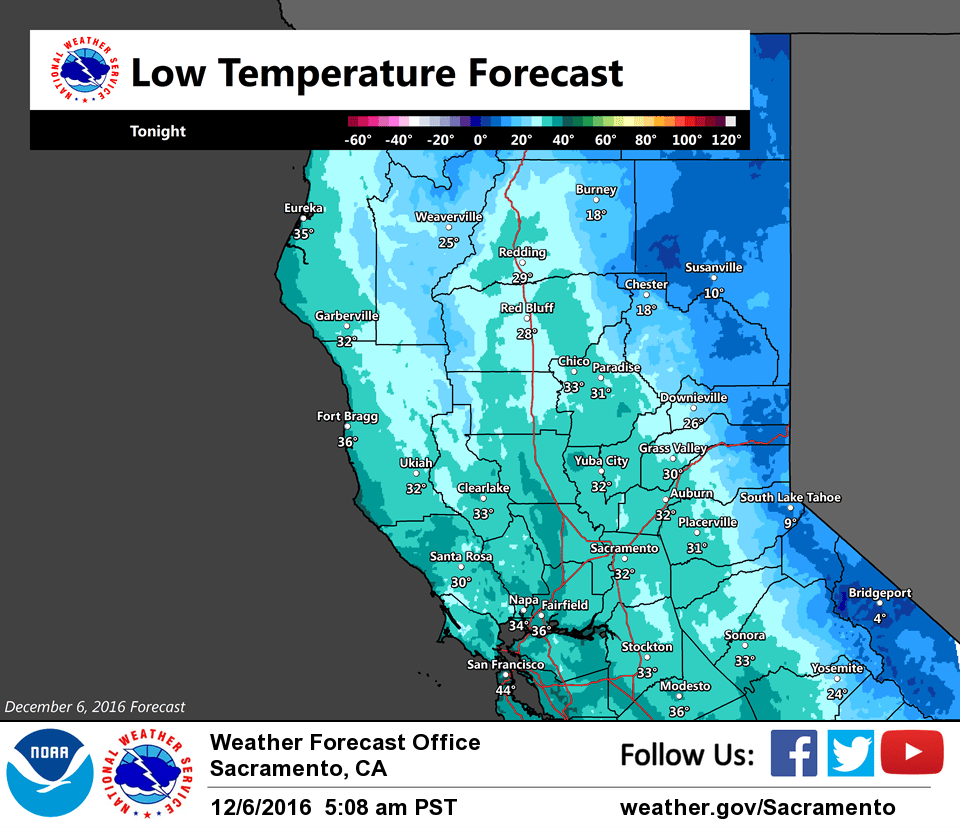
The Sierra Nevada mountain range, including popular destinations like Lake Tahoe and Yosemite National Park, transforms into a winter wonderland. Snowfall is abundant from late November through March, making it a prime destination for skiing, snowboarding, and other snow-related activities. Resorts like Palisades Tahoe and Mammoth Mountain welcome thousands of visitors seeking the thrill of winter sports. Temperatures here can plummet well below freezing, especially at higher elevations, with overnight lows frequently in the teens and single digits Fahrenheit.
Even Southern California has its cooler highlands. The San Bernardino Mountains and San Gabriel Mountains can receive snowfall, attracting families to places like Big Bear Lake for a taste of winter. While not as dramatic as the Sierras, these areas offer a distinct cold-weather experience, often with daytime temperatures hovering in the 30s and 40s Fahrenheit.
Desert Nights and Frosty Mornings
The iconic California desert regions, such as the Mojave Desert and the area around Palm Springs, offer a unique winter experience. While daytime temperatures can still be pleasantly mild, often in the 60s and 70s Fahrenheit, the nights are when the desert truly cools down. Frost can occur, and temperatures can drop into the 30s and 40s. This makes winter an ideal time to visit these arid landscapes, as the scorching summer heat is absent. Exploring the unique flora and fauna of places like Joshua Tree National Park is far more enjoyable when the air is crisp and cool.
Beyond the Typical: Factors Influencing California’s Cold
Several factors contribute to the variability of California’s “cold” seasons. Understanding these elements can help travelers better predict and prepare for their visits.
El Niño and La Niña Cycles
The strength and pattern of the Pacific Ocean currents, particularly the El Niño and La Niña phenomena, significantly influence California’s weather. El Niño years often bring increased precipitation to the state, which can mean more snow in the mountains and cooler, wetter conditions along the coast. Conversely, La Niña years tend to be drier, potentially leading to warmer winters and less snowfall. Monitoring these climate patterns can offer clues about the severity of the upcoming cold season.
Elevation and Proximity to the Coast
As already touched upon, elevation is a primary determinant of temperature. For every 1,000 feet of elevation gained, temperatures typically drop by about 3.5 degrees Fahrenheit. This is why the Sierra Nevada is consistently cold and snowy in winter, while Los Angeles remains much milder. The proximity to the vast, moderating influence of the Pacific Ocean also plays a crucial role. Coastal areas experience less extreme temperature fluctuations than inland regions, meaning the “cold” is generally less severe.
Microclimates and Regional Variations
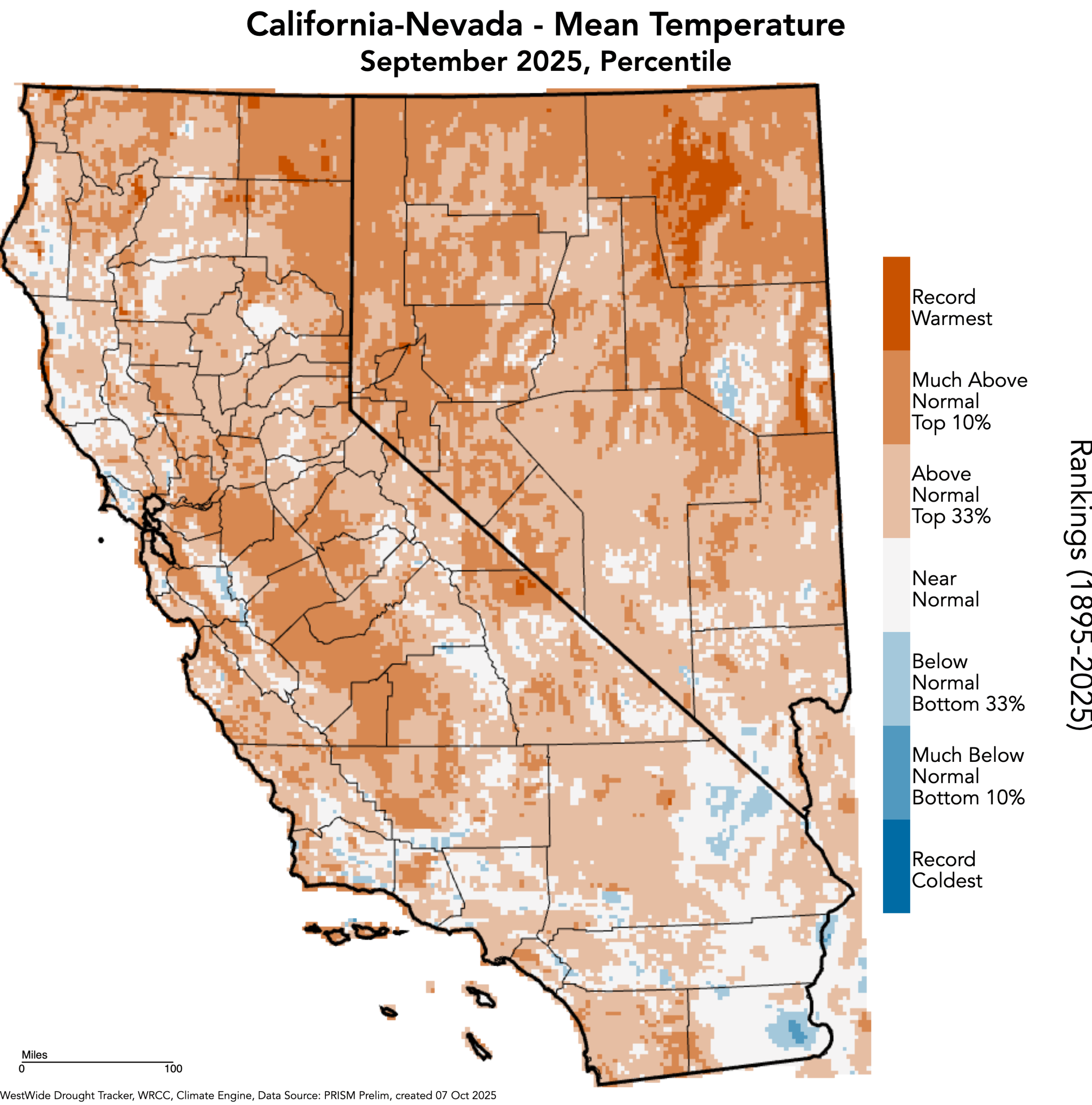
California is a state of incredible geographical diversity, and this translates into countless microclimates. The sheltered valleys may experience colder nights than exposed coastal bluffs, and the rain shadows of mountain ranges can create drier, warmer conditions. For example, the deserts might be experiencing cool nights while the mountains are receiving a blizzard, and the coast enjoys mild, perhaps even sunny, days. This complexity means that “cold” in California isn’t a monolithic experience; it’s a mosaic of varying temperatures and conditions across its vast expanse.
Planning Your Cool-Weather California Escape
When planning a trip to California with the intention of experiencing cooler temperatures, consider these tips:
Timing Your Visit
If you’re seeking crisp air and fall colors, aim for September and October in wine country and inland areas. For genuine winter experiences, including snow, the months of December through March are your best bet for the mountains. If you prefer mild, cooler weather without snow, coastal California from November through March offers pleasant, albeit sometimes damp, conditions.
Packing Appropriately
Layers are essential for any California trip, but especially when aiming for cooler weather. For coastal and city exploration, pack sweaters, long-sleeved shirts, a light to medium jacket, and comfortable walking shoes. If heading to the mountains for snow activities, be prepared with thermal wear, waterproof outerwear, gloves, hats, and sturdy boots. Even desert trips in winter require a jacket for the cold evenings.
Choosing Your Accommodation
California offers a wide range of accommodations to suit any preference during the cooler months. In mountain towns like Mammoth Lakes or Lake Tahoe, cozy cabins, lodges, and hotels with fireplaces provide the perfect ambiance for a winter getaway. Consider charming boutique hotels in Napa Valley for a sophisticated autumn retreat. Along the coast, beachfront hotels and apartments offer stunning views of the dramatic winter seascapes. For a unique experience, consider a stay in a desert oasis resort in Palm Springs where you can enjoy warm days and cool, clear nights.
Embracing Cold-Weather Activities
The cooler months open up a different side of California. Enjoy hiking through fall foliage in the Anza-Borrego Desert State Park, exploring the charming towns of the Gold Country, or indulging in the vibrant food scene of San Francisco with a steaming bowl of clam chowder. Winter in the mountains offers the thrill of the slopes at resorts like Heavenly Mountain Resort, while the deserts provide opportunities for stargazing under exceptionally clear, cold skies.
Ultimately, California’s “cold” is not an absence of warmth, but rather a spectrum of delightful seasonal variations that cater to a diverse range of interests and preferences. Whether you’re dreaming of snow-capped peaks or crisp coastal air, the Golden State offers compelling reasons to embrace the cooler side of its allure.