
Florida, the Sunshine State, is renowned for its idyllic weather, endless beaches, and a vibrant tourism scene that attracts millions of visitors annually. However, for those planning a trip in 2024, particularly during the traditionally cooler months, a crucial question often arises: “When exactly will it get cold?” While “cold” in Florida is a relative term compared to much of North America, understanding its unique climate patterns is essential for an enjoyable and well-prepared travel experience. This guide delves into the expected temperature shifts, regional variations, and how cooler weather impacts everything from travel plans and accommodation choices to activities and the overall lifestyle in this popular destination.
Understanding Florida’s Unique Climate
Florida’s climate is predominantly subtropical in its northern and central regions and tropical in its southern reaches, including the Florida Keys. This geographical positioning largely dictates its mild winters, which are a major draw for snowbirds and tourists seeking respite from colder climes. Unlike many other states that experience distinct four-season weather, Florida essentially has two primary seasons: a hot, humid wet season (typically May to October) and a drier, milder cool season (November to April). The transition between these seasons marks the arrival of what locals refer to as “cold” weather.
Defining “Cold” in the Sunshine State
For residents of places like New York or Chicago, “cold” might conjure images of blizzards and sub-zero temperatures. In Florida, however, the definition is far more benign. A “cold snap” might mean temperatures dipping into the 40s or 30s Fahrenheit (4-9°C) overnight, especially in North Florida, while daytime highs typically remain in the 50s and 60s (10-18°C). South Florida, including cities like Miami and Fort Lauderdale, rarely sees temperatures fall below 50°F (10°C), even during the coolest parts of the year. This relative mildness is precisely what makes Florida an enduringly popular winter destination.
The perceived “cold” also depends heavily on the individual. For those accustomed to year-round warmth, a breezy 60°F day might feel chilly, prompting jackets and sweaters. For others, it’s a welcome change from the summer’s intense humidity and heat, perfect for outdoor activities without the oppressive sun. The crucial takeaway is that while temperatures drop, they rarely become truly frigid, and snow is an exceptionally rare occurrence, almost exclusively confined to the very northernmost parts of the state during severe cold fronts.

Historical Weather Trends and Projections for 2024
Historically, the noticeable shift towards cooler temperatures in Florida begins in November. While early November can still feel like an extension of summer, particularly in South Florida, by the latter half of the month, a consistent pattern of drier air and lower humidity emerges. December, January, and February are typically the coolest months across the state. January often records the lowest average temperatures, with occasional cold fronts pushing south from the continental United States. March usually brings a gradual warming trend, though lingering cool spells are not uncommon, especially in early spring.
Looking ahead to 2024, meteorologists and climate experts use various models to forecast seasonal weather patterns, including phenomena like El Niño or La Niña, which can significantly influence winter temperatures and precipitation. While a precise long-range forecast for specific “cold snaps” in 2024 is challenging, general trends suggest that Florida will continue to experience its characteristic mild winter. Given recent climate trends, which have seen slightly warmer winters globally, it’s possible that 2024 could follow suit, with “cold” periods being relatively brief and less intense than historical averages, especially in the southern half of the state. However, travelers should always be prepared for variability, as localized cold fronts can surprise even seasoned Floridians.

Planning Your Florida Escape During Cooler Months
The cooler season in Florida is often considered the “peak season” for tourism, thanks to the pleasant weather that makes outdoor activities more enjoyable and the absence of hurricane threats. This period, roughly from late October through April, is ideal for exploring the state’s diverse offerings without the intense heat and humidity of summer.
Ideal Destinations for a Winter Getaway
When deciding where to go in Florida during the cooler months of 2024, consider your priorities and how different regions handle the temperature shift.
- South Florida (e.g., Miami, Fort Lauderdale, Naples, Key West, Palm Beach): These areas offer the warmest winter temperatures. Key West, being the southernmost point, experiences minimal temperature drops and is perfect for those chasing genuine warmth and a laid-back, tropical vibe. Miami’s vibrant South Beach and Art Deco Historic District remain lively, though beachgoers might find the ocean a bit cool for extended dips on certain days. The Gulf Coast cities like Naples and Sarasota offer stunning sunsets, upscale dining, and cultural attractions, with daytime temperatures that are perfectly comfortable for outdoor strolls and golf.
- Central Florida (e.g., Orlando, Tampa): This region, home to world-famous theme parks like Walt Disney World Resort and Universal Studios Florida, experiences pleasant, mild winters. While mornings and evenings can be quite cool, especially in January, daytime highs are usually in the 60s and 70s (15-24°C). This is an excellent time to visit the parks, as the cooler temperatures make walking around much more comfortable than during the oppressive summer heat. Water parks might be a bit too chilly unless they feature heated pools, so check ahead. Tampa also offers attractions like Busch Gardens Tampa Bay and a bustling food scene that can be enjoyed in the cooler weather.
- North Florida (e.g., Jacksonville, St. Augustine, Amelia Island): This region is geographically closer to the rest of the Southern United States and therefore experiences the most significant temperature drops. While it can still be lovely, visitors should expect genuinely cool days, occasionally dipping below 50°F (10°C), especially in January and February. However, this weather is perfect for exploring historical sites like the Castillo de San Marcos in St. Augustine or the natural beauty of Amelia Island without the heat. It’s also an excellent time for activities like hiking and biking.
Accommodation Choices and Travel Tips
The cooler months, particularly from late November through March, represent Florida‘s high season. This means that accommodation, from luxury resorts to cozy vacation rentals, can be more expensive and book up quickly. It’s advisable to plan and book your hotels or accommodations well in advance for 2024, especially if your travel dates coincide with holidays like Thanksgiving, Christmas, New Year’s, or school spring breaks.
- Hotels & Resorts: Major hotel chains like Marriott, Hyatt Regency, Ritz-Carlton, and Four Seasons across Florida often see peak occupancy. Many resorts, particularly those catering to families, feature heated pools and hot tubs, which become essential amenities during cooler periods. Consider resorts with extensive indoor facilities or activities that aren’t weather-dependent.
- Vacation Rentals: Options like villas, apartments, and long-term stays are popular, especially for snowbirds looking to escape colder northern winters for several weeks or months. Booking platforms can help compare prices and amenities, with many properties offering heated pools, screened lanais, and comfortable indoor living spaces for cooler evenings.
- Budget & Lifestyle: While prices are generally higher, travelers on a budget can find deals by traveling in early November or late April, just before or after the peak cold season. Family trips might focus on the theme parks in Orlando, while luxury travel often gravitates towards the upscale resorts and spas of Palm Beach, Naples, or Miami.
- Packing Essentials: Regardless of your destination in Florida, layered clothing is key. Even in South Florida, mornings can be crisp. Pack light jackets, sweaters, long-sleeved shirts, and perhaps a pair of trousers in addition to your swimsuits and shorts. A waterproof outer layer is always a good idea, as occasional winter showers can occur. Don’t forget sunscreen, even on cooler, cloudy days, as the UV index can still be surprisingly high.
Embracing Florida’s Cooler Season: Activities and Experiences
The “cold” season in Florida isn’t a deterrent; it’s an invitation to experience the state in a different, often more comfortable, light. The lack of oppressive heat opens up a plethora of activities that might be less enjoyable during the scorching summer.
Outdoor Adventures and Nature Exploration
Cooler temperatures make Florida’s abundant natural beauty far more accessible.
- Hiking and Biking: Trails in state parks and nature preserves, like those in the Everglades National Park or along the Florida National Scenic Trail, become perfect for exploration. The cooler air means fewer bugs and a more invigorating experience.
- Wildlife Viewing: Winter is prime time for spotting wildlife. Manatees congregate in warmer waters near springs and power plant outflows; crystal-clear springs offer incredible opportunities for snorkeling or diving with these gentle giants. Birds, including numerous migratory species, flock to Florida’s wetlands and coastal areas, making it a birdwatcher’s paradise.
- Golf and Tennis: Florida is a golfer’s haven, and the cooler, drier weather creates ideal conditions for hitting the links. Numerous championship courses across the state, from Orlando to Naples, thrive during this season. Similarly, tennis enthusiasts will find the weather perfect for outdoor play.
- Boating and Fishing: While the ocean might be cooler for swimming, boating and fishing remain popular. Offshore fishing for snapper, grouper, and kingfish is excellent, and inshore fishing for redfish and trout can be very productive. Kayaking and paddleboarding are also pleasant, especially on calmer waterways.
- Theme Parks: As mentioned, visiting Walt Disney World Resort, Universal Studios Florida, Busch Gardens Tampa Bay, or other major attractions during cooler weather is a game-changer. Lines can be shorter (though holidays are always busy), and the experience of walking miles around the parks is far more comfortable.
Festivals, Events, and Cultural Delights
The cooler months bring a vibrant calendar of events to Florida, making it an exciting time for cultural immersion and entertainment.
- Art Basel Miami Beach: Typically held in early December, this world-renowned contemporary art show transforms Miami into a global art hub, drawing artists, collectors, and enthusiasts from around the world.
- Key West Literary Seminar: An annual event in January that attracts celebrated authors and readers for a week of lectures, panels, and workshops.
- EPCOT International Festival of the Arts: Held at Walt Disney World Resort in early spring, this festival celebrates culinary, visual, and performing arts.
- Winter Equestrian Festival in Wellington: Running from January through March, this is the largest and longest-running equestrian event in the world, attracting top riders and horses.
- Local Markets and Craft Fairs: Cooler weather encourages outdoor markets, where visitors can find local produce, artisanal crafts, and unique souvenirs.
- Historic Sites and Museums: Destinations like St. Augustine, the nation’s oldest city, become even more inviting for exploring its rich history, including the Castillo de San Marcos. Museums across the state, such as the Salvador Dalí Museum in St. Petersburg or the Pérez Art Museum Miami, offer engaging indoor alternatives.
- Space Coast Exploration: The Kennedy Space Center Visitor Complex on the Atlantic Coast is a fantastic destination, and the cooler weather makes outdoor exhibits and launch viewing far more comfortable.
Beyond the Chill: The Lifestyle of Florida’s Winter
The “cold” season in Florida is more than just a weather phenomenon; it’s a distinct way of life for many. This is the period when the state truly comes alive with activity, attracting a diverse demographic.
Many retirees, known as “snowbirds,” migrate south to Florida for the winter, boosting local economies and adding to the vibrant community spirit. This influx contributes to a lively social scene, with communities offering various activities from golf leagues and bridge clubs to dance classes and volunteer opportunities. The increased population means restaurants are bustling, and local events are well-attended.
For families, the cooler months around Thanksgiving, Christmas, and New Year’s offer a magical time to visit, especially Orlando’s theme parks, which transform with festive decorations and special events. Disney Springs and Universal CityWalk offer unique shopping and dining experiences under twinkling lights, providing a different kind of warmth.
Business travelers also find the cooler season appealing, as many conferences and conventions are scheduled during this time to take advantage of the pleasant weather. Florida’s hotels and resorts are well-equipped to host large events, offering state-of-the-art facilities and a compelling backdrop for corporate gatherings.
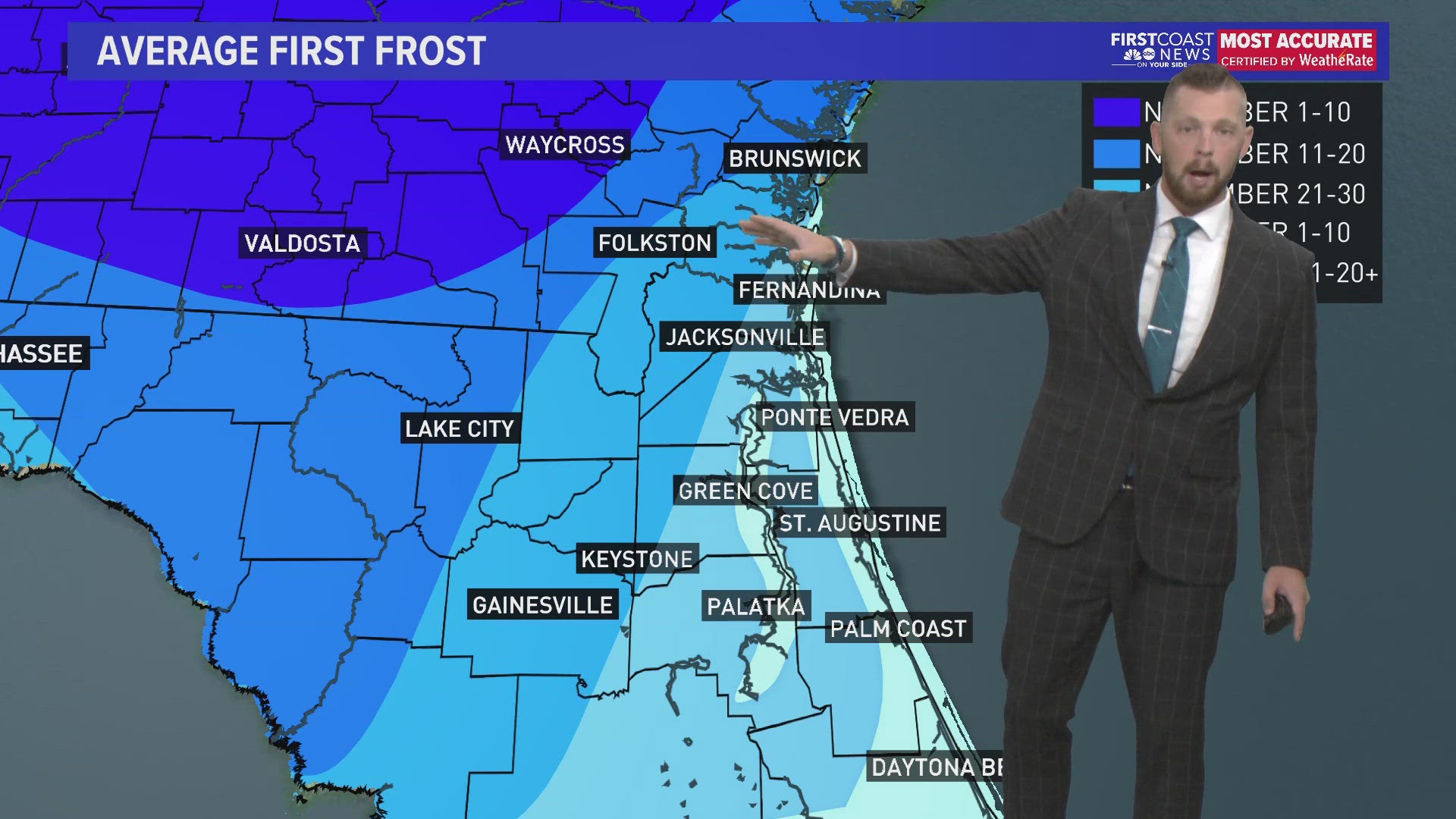
In essence, while Florida does experience its version of “cold,” particularly from late November through early March, it’s rarely severe enough to disrupt travel plans significantly. Instead, it ushers in a period of optimal conditions for exploring, relaxing, and enjoying the myriad attractions the Sunshine State has to offer. For 2024, planning with an awareness of these typical weather patterns and regional variations will ensure a memorable and comfortable visit, whether you’re seeking tropical warmth, theme park thrills, or cultural enrichment.
LifeOutOfTheBox is a participant in the Amazon Services LLC Associates Program, an affiliate advertising program designed to provide a means for sites to earn advertising fees by advertising and linking to Amazon.com. Amazon, the Amazon logo, AmazonSupply, and the AmazonSupply logo are trademarks of Amazon.com, Inc. or its affiliates. As an Amazon Associate we earn affiliate commissions from qualifying purchases.