
The notion of “cold” in California is a delightfully diverse one. Unlike regions with starkly defined winters, the Golden State offers a spectrum of climates, from the snow-capped peaks of the Sierra Nevada to the perpetually mild coastal breezes of Southern California. For travelers planning a visit, or even for residents contemplating wardrobe changes, understanding the nuanced transition from warmth to cooler temperatures is key. The question “When will it start to get cold in California?” doesn’t have a single, simple answer, but rather a series of answers depending on where in California you are and what kind of “cold” you’re seeking.
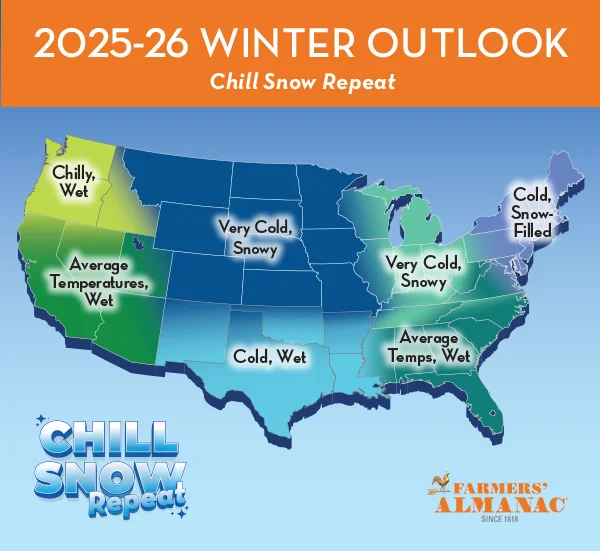
This exploration delves into the meteorological tapestry of California, examining the factors that influence its seasonal shifts, and offering guidance for those looking to experience its cooler offerings. Whether you’re dreaming of cozying up by a fireplace in a Lake Tahoe cabin, witnessing the vibrant autumn colors in the wine country of Napa Valley, or simply enjoying crisp, less humid days in Los Angeles, this guide will illuminate the path to your ideal cool-weather California adventure.
Understanding California’s Diverse Climates
California is a state of geographical extremes, and its climate is a direct reflection of this. Spanning over 800 miles from north to south, it encompasses arid deserts like the Mojave Desert, lush redwood forests along the northern coast, and towering mountain ranges that act as natural climate dividers. This vastness means that a single date for the onset of “cold” is impossible. Instead, we must consider the distinct climatic zones that define the Golden State.
Coastal California: The Gentle Embrace of Autumn
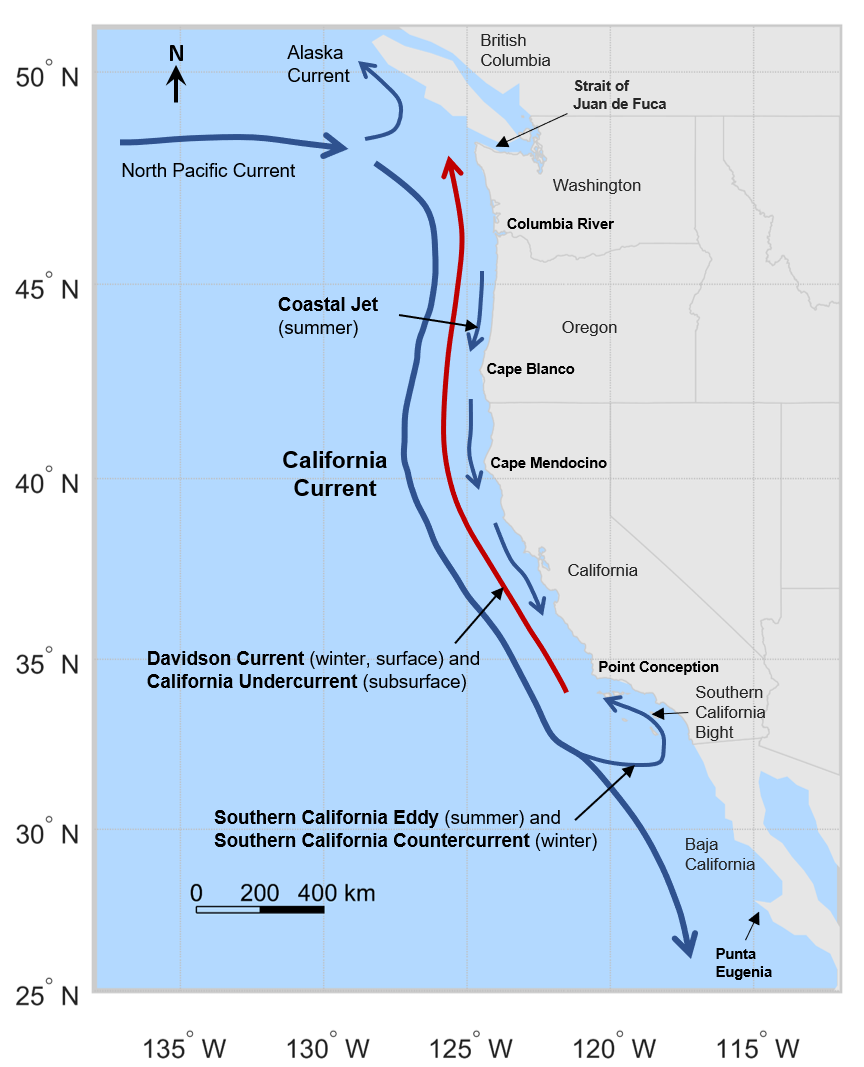
Along the Pacific Coast, particularly in Southern California, the concept of “cold” is often relative. Days that might be considered chilly in other parts of the country are frequently pleasant and sunny in cities like San Diego and Los Angeles. The ocean acts as a significant moderating influence, preventing extreme temperature drops.
- September and October: These months often represent the tail end of summer’s heat, especially in the inland areas of Southern California. However, along the coast, the weather begins to shift subtly. The intense humidity of summer often subsides, and the air takes on a refreshing crispness. While you won’t need heavy winter coats, packing a light jacket or sweater for evenings becomes advisable. The ocean water temperature, while still cool for swimming for many, is at its warmest in September, making it more palatable for the adventurous.
- November and December: This is when the “cooler” months truly begin to assert themselves along the coast. Temperatures will consistently drop into the 60s and sometimes the 50s Fahrenheit during the day, with nights dipping into the 40s. Rain showers, a welcome sight after the dry summer, become more frequent, particularly in Northern California. This is an excellent time for exploring San Francisco‘s charming neighborhoods, enjoying Big Sur‘s dramatic scenery under moody skies, or visiting theme parks like Disneyland with fewer crowds and more comfortable temperatures. Even in the desert regions of Southern California, like Palm Springs, the oppressive summer heat gives way to ideal, warm-day, cool-evening conditions perfect for golf and outdoor activities.
Inland Valleys and Central California: A More Pronounced Seasonal Shift
Moving inland from the coast reveals a more continental climate, with more significant temperature swings between seasons. Areas like the Central Valley experience hotter summers and colder winters than their coastal counterparts.
- October: As the sun’s intensity wanes, the Central Valley starts to feel the change. While daytime temperatures can still be quite pleasant, mornings and evenings become noticeably cooler. This is a beautiful time for agricultural tourism, perhaps visiting an orchard during harvest season or enjoying the changing colors of vineyards.
- November and December: These months mark a more definitive shift towards winter. Frosts become more common in the early mornings, and daytime highs may struggle to reach the 60s. While not typically experiencing deep freezes, the chill is palpable, and residents will be reaching for warmer layers. This cooler weather can be ideal for exploring national parks like Yosemite (though snow can begin to impact access to higher elevations), or for enjoying the bounty of the harvest season in agricultural communities.
Mountain Regions: True Winter Arrives
The Sierra Nevada mountains are where California truly experiences a cold, wintery climate. For those seeking snow, skiing, and cozy mountain retreats, the timing is dictated by the snowpack.
- October: While the lower elevations might still be experiencing autumn colors, the higher reaches of the Sierra Nevada begin to feel the cold. Snowfall is possible, especially at higher altitudes, and ski resorts may begin preliminary preparations. Day-time temperatures will likely be in the 40s and 50s, with nights dropping below freezing.
- November: This is a critical month for mountain weather. Ski resorts like Mammoth Mountain and Palisades Tahoe aim to open by Thanksgiving, weather permitting. Snowfall becomes more consistent, and temperatures will be firmly in the freezing range, particularly at night. Travelers venturing to Lake Tahoe or Yosemite National Park during this time should be prepared for winter driving conditions and pack accordingly.
- December onwards: Winter has well and truly arrived in the mountains. Snowfall is abundant, transforming the landscape into a winter wonderland. Temperatures will be consistently cold, with daytime highs often in the 30s and nights plummeting well below zero Fahrenheit. This is prime season for winter sports, enjoying warm drinks by a roaring fire in a lodge, and experiencing the stark beauty of snow-covered peaks.
Autumnal Transitions: From Warm Days to Cool Evenings
The transition from summer’s warmth to autumn’s coolness is a gradual and aesthetically pleasing process in much of California. This period is often considered one of the best times to visit, as the crowds thin out, prices for hotels and flights can decrease, and the weather is generally more comfortable for outdoor activities.
Coastal Breezes and Inland Harvests
As the days shorten, the dominant weather patterns begin to shift.
- Coastal Areas: The marine layer, which often brings morning fog and cooler temperatures to the coast, tends to dissipate earlier and less frequently as autumn progresses. This allows for more sunshine throughout the day, though the air remains noticeably cooler than in summer, especially in the mornings and evenings. The ocean, having absorbed months of solar heat, still holds residual warmth, making coastal evenings brisk but not frigid. For those staying in seaside resorts or apartments, packing layers is essential. A light jacket or cardigan will be your best friend for evening strolls along the beach or enjoying a meal on a patio.
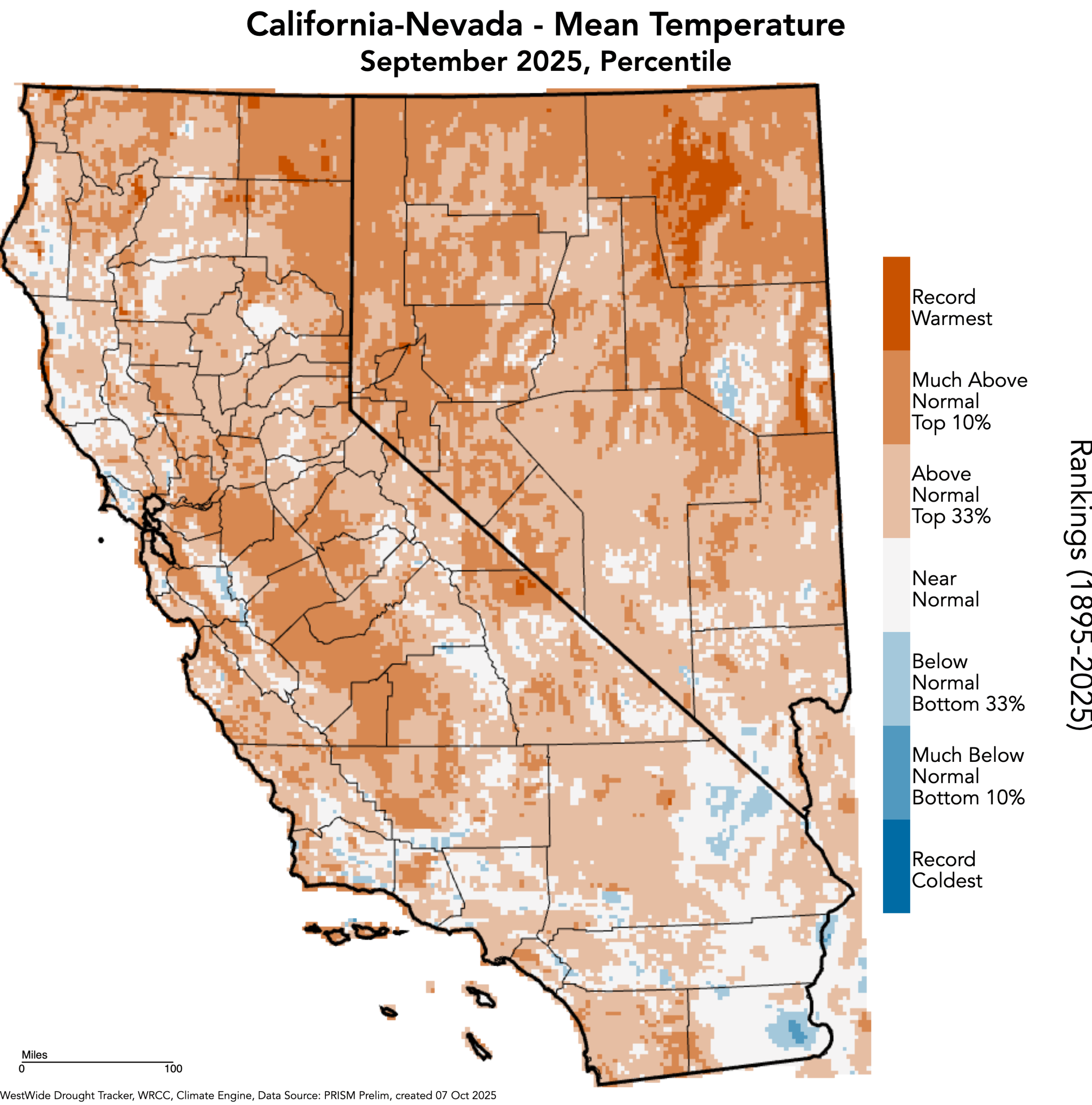
- Inland Valleys and Deserts: These regions experience more dramatic temperature drops. The intense heat of summer recedes, making way for wonderfully mild days and cool, crisp nights. This is the time for enjoying outdoor dining without the oppressive heat, exploring national parks like Joshua Tree with comfortable hiking temperatures, or visiting wineries in regions like Sonoma and Napa for harvest celebrations. The air in these areas loses its humidity, leading to clearer skies and cooler conditions.
Preparing for the Change: What to Pack and When
Deciding what to pack for a California trip in the fall and early winter hinges on your destination within the state.
- Coastal & Southern California: Think layers. T-shirts, long-sleeved shirts, a light sweater or fleece, and a windbreaker or light waterproof jacket are ideal. Comfortable walking shoes are a must for exploring cities like San Francisco or San Diego. Evenings by the beach or in outdoor dining settings will necessitate warmer layers.
- Central Valley & Inland Areas: Similar to the coast, layers are key, but you might lean towards slightly warmer options as the temperature can drop more significantly overnight. A medium-weight jacket will likely be more useful than a light windbreaker.
- Mountain Regions: If your plans include the Sierra Nevada or other mountainous areas from late October onwards, you’ll need true winter gear. This includes heavy coats, waterproof pants, thermal layers, gloves, hats, and waterproof boots. Driving conditions can be treacherous, so checking road closures and weather forecasts is paramount. If you’re planning a ski trip to Palisades Tahoe or Mammoth Mountain, rental equipment is readily available, but warm, personal clothing is still crucial.
Experiencing California’s Cooler Side: Travel and Activities
The onset of cooler weather in California opens up a wealth of travel opportunities, from vibrant city breaks to serene natural escapes. It’s a time when the state’s diverse offerings truly shine without the intensity of summer heat.
Embracing Autumnal Charm in Wine Country and Cities
The fall colors, though not as dramatic as in some eastern states, can be breathtaking in certain California regions, particularly around the vineyards of Napa Valley and Sonoma.
- Wine Tasting: Harvest season is in full swing, offering a unique experience for wine enthusiasts. Many wineries host harvest festivals, grape stomps, and special tasting events. The cooler weather makes vineyard tours and leisurely wine tasting more enjoyable. Consider a stay at a charming boutique hotel in Healdsburg or a luxurious resort in Napa.
- City Exploration: San Francisco becomes particularly inviting as the fog typically recedes, offering clearer views of the Golden Gate Bridge. The city’s vibrant culinary scene, world-class museums like the de Young Museum, and diverse neighborhoods are best explored on foot or via public transport in cooler temperatures. Similarly, Los Angeles offers a more comfortable climate for visiting attractions like the Griffith Observatory or exploring studios. The shoulder season often means fewer crowds at popular attractions, making your experience more relaxed.
Winter Wonders in the Mountains and Deserts
For those who crave a true winter experience, California delivers in its higher elevations and surprisingly, in its desert landscapes.
- Skiing and Snowboarding: From Mammoth Mountain in the east to Palisades Tahoe on the northern end of Lake Tahoe, California boasts world-class ski resorts. November often marks the opening of the ski season, with December and January typically bringing the heaviest snowfall. Booking accommodation in resorts like The Ritz-Carlton, Lake Tahoe or cozy cabins requires advance planning, especially around holidays.
- Desert Escapes: While the deserts are famous for their summer heat, autumn and winter transform them into paradise. Palm Springs, the Mojave Desert, and Joshua Tree National Park offer ideal temperatures for hiking, exploring unique rock formations, and stargazing under incredibly clear night skies. The cooler desert nights are perfect for enjoying a drink on the patio of a stylish desert hotel or villa.
Planning Your Cool-Weather California Getaway
As the leaves begin to turn (albeit subtly in many parts of the state) and the air takes on a refreshing chill, planning a trip to California becomes an exciting prospect. The cooler months offer a different, often more intimate, perspective on this diverse state.
Timing Your Visit for the Perfect Temperature
The “cold” in California is a gradual arrival, and understanding its pace is crucial for a successful trip.
- October: Generally a sweet spot for much of the state. Coastal areas are mild, inland valleys are pleasant, and the mountains are beginning to experience autumn’s cooler embrace. This is ideal for exploring national parks like Yosemite before significant snow impacts roads, or enjoying the last of the outdoor farmer’s markets.
- November: The shift becomes more pronounced. Coastal areas are cooler, with increased chances of rain, especially in the north. Inland areas experience frostier mornings. Mountain regions are preparing for or have begun their winter season. This is a good month for city breaks or for those seeking early-season skiing.
- December – February: This is the heart of winter in California. The mountains are blanketed in snow, offering prime conditions for winter sports. Coastal areas are at their coolest, with rain becoming more common, though sunny days are still frequent, particularly in Southern California. This is the time for cozying up in a mountain lodge or enjoying the dramatic, windswept beauty of the coast.
Accommodation and Activities: Making the Most of the Season
From luxury resorts to charming bed and breakfasts, California offers a wide array of accommodation options that cater to every budget and preference.
- Luxury Stays: Consider the famed Post Ranch Inn in Big Sur for breathtaking coastal views, or a lavish hotel in Beverly Hills for a touch of city glamour. In the mountains, The Ritz-Carlton, Lake Tahoe provides a luxurious ski-in/ski-out experience.
- Budget-Friendly Options: Hostels in San Francisco and Los Angeles, motels along scenic routes, or vacation rentals can offer significant savings, especially during the off-peak shoulder seasons. Many apartments and villas are also available for longer stays, perfect for those wanting to explore a region more deeply.
- Unique Experiences: Don’t forget to factor in the unique lifestyle aspects of California. From attending a festive holiday market in San Diego to enjoying a warm, fireside dinner at a rustic mountain lodge, the cooler months are rich with experiences. Whether you’re seeking the thrill of a ski slope, the quiet beauty of a desert landscape, or the cultural vibrancy of its cities, California in its cooler guise offers an unforgettable adventure. The key is to embrace the diversity and plan according to the specific climate of the region you wish to explore.