
The annual hurricane season in Florida presents a crucial question for residents and visitors alike: “When will a storm hit?” This query isn’t just about predicting the exact date and time of landfall; it’s about understanding the patterns, preparing effectively, and making informed decisions regarding travel, accommodation, and overall lifestyle plans. Florida, a peninsula state surrounded by the Atlantic Ocean and the Gulf of Mexico, is particularly vulnerable to tropical cyclones. Its extensive coastline, vibrant tourism industry, and unique ecosystem make storm preparedness a year-round concern, not just a seasonal one.
The National Hurricane Center diligently monitors atmospheric conditions across the Atlantic Basin, issuing forecasts and advisories that are vital for public safety. While pinpointing an exact storm landfall far in advance is impossible, meteorologists can identify periods of increased activity and forecast the general likelihood of storms impacting the region. Understanding these probabilities, along with the historical data of Florida’s storm seasons, empowers individuals to plan their vacations, book their stays, and adjust their travel itineraries with greater confidence.
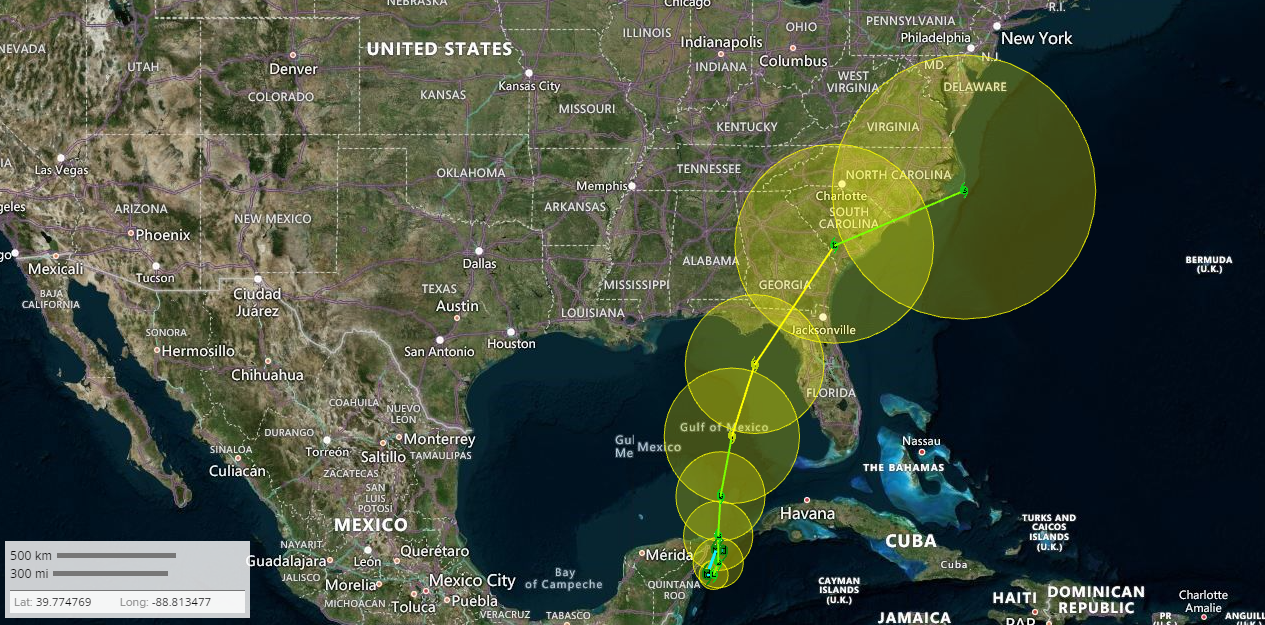
This article delves into the factors influencing storm activity in Florida, offering insights for travelers, those seeking accommodation, and anyone planning to experience the rich tourism and lifestyle offerings of the Sunshine State. We will explore the typical timeline of Florida’s hurricane season, examine the influence of climate patterns, and discuss how to stay informed and prepared, ensuring that your visit or residency remains safe and enjoyable, even when nature presents its most formidable challenges.
Understanding Florida’s Hurricane Season and Its Predictors
Florida’s hurricane season officially runs from June 1st to November 30th each year. However, the peak of the season, when activity is most intense, typically occurs between mid-August and late October. During these months, the Atlantic Ocean waters are at their warmest, providing the necessary fuel for tropical storm development. Several key factors contribute to the formation and trajectory of these powerful weather systems, and understanding them can offer a general sense of what to expect.
Key Meteorological Factors Influencing Storm Development
The genesis of a tropical storm requires a confluence of specific atmospheric conditions. These include:
- Warm Ocean Waters: Sea surface temperatures above 80°F (26.5°C) are a primary ingredient. These warm waters provide the heat energy that fuels the storm’s thunderstorms and low-pressure system. The Gulf of Mexico and the southeastern Atlantic Ocean are particularly prone to developing these warm conditions.
- Moisture: A humid atmosphere is essential for cloud and thunderstorm formation, which are the building blocks of a hurricane.
- Low Vertical Wind Shear: Wind shear refers to the change in wind speed and direction with height. Low shear allows thunderstorms to organize and strengthen vertically without being torn apart.
- A Pre-existing Disturbance: Most tropical storms begin as disorganized clusters of thunderstorms, often originating from tropical waves moving off the coast of Africa.
- Coriolis Effect: The rotation of the Earth causes the Coriolis effect, which is necessary for the storm to begin spinning and develop its characteristic circular pattern. This effect is weakest at the equator and stronger at higher latitudes.
These elements are continuously monitored by meteorologists at the National Hurricane Center and other scientific institutions. Sophisticated computer models, such as the GFS (Global Forecast System) and the European Centre for Medium-Range Weather Forecasts (ECMWF) model, are used to predict the potential development and track of these storms. While these models are constantly being refined, they are most accurate for short-term forecasts (up to 5-7 days). Predicting the precise landfall of a storm weeks or months in advance remains a significant challenge.
El Niño-Southern Oscillation (ENSO) and Other Climate Oscillations
Beyond the immediate meteorological conditions, broader climate patterns play a significant role in modulating the intensity and frequency of hurricane seasons. The most influential of these is the El Niño-Southern Oscillation (ENSO).
- El Niño: During an El Niño phase, sea surface temperatures in the eastern and central Pacific Ocean are warmer than average. This tends to increase wind shear in the Atlantic Basin, which can suppress hurricane activity. Therefore, El Niño years often see fewer hurricanes impacting Florida.
- La Niña: Conversely, during a La Niña phase, these Pacific waters are cooler than average. This often leads to reduced wind shear in the Atlantic, creating more favorable conditions for hurricane development and potentially more active seasons for Florida.
- Other Oscillations: Other climate patterns, such as the Atlantic Multidecadal Oscillation (AMO), which describes long-term fluctuations in sea surface temperatures in the North Atlantic, can also influence hurricane activity over periods of decades. A warm phase of the AMO is often associated with more active hurricane seasons.
By understanding these large-scale climate influences, forecasters can develop seasonal outlooks that predict the probability of an above-average, average, or below-average hurricane season. These outlooks are released well in advance of the season, providing a valuable, albeit general, framework for planning.
Planning Your Florida Travel and Accommodation Amidst Storm Season
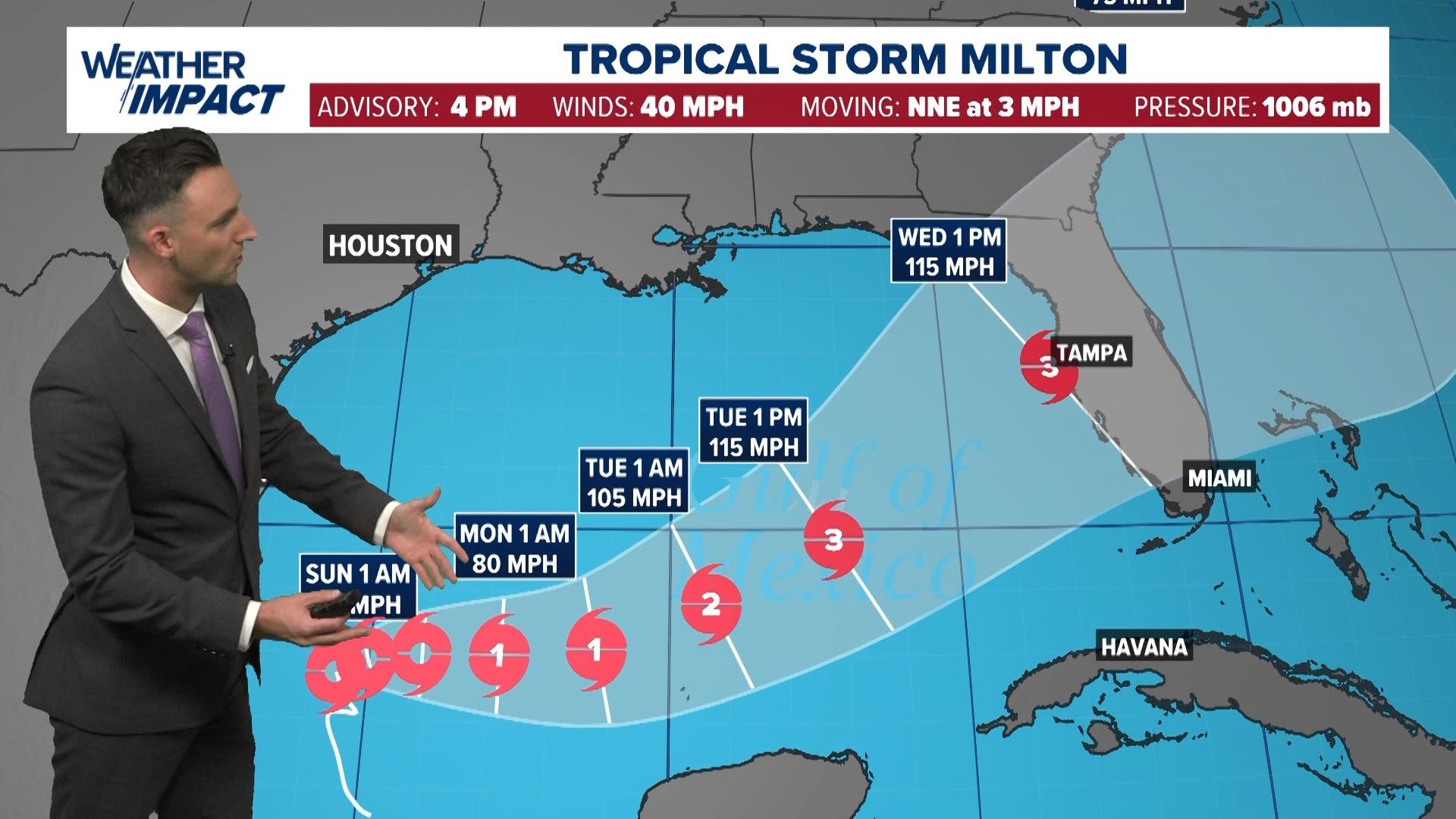
For many, Florida is a premier travel destination, renowned for its stunning beaches, world-class theme parks like Walt Disney World Resort and Universal Orlando Resort, vibrant cultural scenes in cities like Miami and New Orleans, and diverse natural attractions. The hurricane season, however, introduces an element of uncertainty that necessitates careful planning, especially when booking travel and accommodation.
Navigating Travel Decisions and Booking Strategies
The prospect of a storm impacting Florida can influence when and how you choose to travel. Proactive planning is key to minimizing disruption and maximizing your enjoyment.
- Booking Flexibility: When booking flights and accommodations, prioritize options that offer flexibility. Many airlines and hotels now provide change or cancellation policies that allow you to adjust your plans with minimal penalty in the event of a significant weather threat. Look for terms like “flexible booking” or “weather guarantee.”
- Travel Insurance: Investing in comprehensive travel insurance is highly recommended for trips to Florida during hurricane season. Ensure your policy covers trip interruption, cancellation due to weather, and potentially even medical expenses or evacuation costs. Read the policy details carefully to understand what is covered and what exclusions might apply.
- Timing Your Visit: While storms can occur at any time within the season, the latter half, from August to October, typically sees the most activity. If you have flexibility, consider traveling earlier in the season (June or July) or immediately after the official season concludes in December to potentially reduce your risk of encountering major storm disruptions. However, it’s important to remember that the entire season warrants vigilance.
- Monitoring Forecasts: Stay updated on weather forecasts from reliable sources like the National Hurricane Center and local news outlets. As your travel dates approach, pay close attention to any developing systems that could impact your destination.
- Destination Choice within Florida: Florida is a large state with varying degrees of risk. Coastal areas, particularly on the Atlantic and Gulf coasts, are more susceptible to storm surges and direct impacts. Inland areas may experience heavy rainfall and high winds, but are generally less vulnerable to the most severe coastal hazards. Research the specific risks associated with your intended destination. For instance, if you are interested in the theme parks, planning for potential disruptions around areas like Orlando is wise, while a beach vacation in the Florida Keys would require a different level of storm preparedness awareness.
Securing Suitable Accommodation
Choosing the right accommodation involves not only considering amenities and location but also factoring in the potential for severe weather.
- Hotel vs. Vacation Rental: Both hotels and vacation rentals offer different advantages. Hotels, particularly larger chains like the Ritz-Carlton or Marriott properties, often have robust disaster preparedness plans and experienced staff to manage evacuations and guest safety. Vacation rentals, such as those found on platforms like Airbnb or VRBO, can offer more space and a local feel, but it’s crucial to understand the owner’s cancellation policy and their preparedness measures.
- Structural Integrity and Location: When selecting a hotel or rental, consider its location and construction. Properties built to modern hurricane-resistant codes are generally safer. Avoiding accommodations in low-lying areas or directly on the beach without adequate storm defenses is advisable. Some resorts, like the Boca Raton Resort and Club, might be better equipped to handle severe weather due to their infrastructure and location.
- Resort Amenities and Preparedness: Some luxury resorts and family-friendly destinations in Florida are well-equipped to handle hurricane threats. They may have on-site generators, storm shutters, emergency supplies, and detailed evacuation procedures. Researching the specific hurricane preparedness plans of hotels and resorts you are considering is a prudent step. For example, a large resort in the Florida Keys will likely have a more established protocol than a small, independent guesthouse.
- Long-Term Stays: For those planning extended stays or considering Florida as a base for remote work, the hurricane season demands a more robust preparation strategy. This might involve securing a property in a less vulnerable inland location, stocking up on essential supplies, and establishing clear communication plans with family and friends. Ensuring your chosen accommodation is in a safe zone, away from potential flood plains or storm surge areas, is paramount.
Experiencing Florida’s Tourism and Lifestyle: Tips for Staying Informed and Safe
Florida offers an unparalleled array of attractions, from the historical charm of St. Augustine to the vibrant nightlife of South Beach and the natural wonders of the Everglades National Park. Experiencing these while navigating hurricane season requires a balance of adventure and caution.
Maximizing Your Tourism Experience
Despite the potential for storms, a well-planned trip during hurricane season can still be incredibly rewarding.
- Embrace Indoor Attractions: Florida boasts numerous indoor attractions that are largely unaffected by weather. Museums like the The Dali Museum in St. Petersburg, aquariums such as the Georgia Aquarium (though not in Florida, it’s a comparable example of a major attraction accessible by travel), and the many indoor shopping and dining experiences in cities like Tampa and Fort Lauderdale provide excellent alternatives on days when outdoor activities are not feasible.
- Theme Park Preparedness: Major theme parks like Walt Disney World Resort and Universal Orlando Resort have detailed hurricane preparedness plans. They often close temporarily during significant storm threats and will typically offer refunds or flexible rescheduling options for affected visitors. Staying informed through their official websites and social media channels is crucial if you plan to visit during this period.
- Local Culture and Food: Experiencing Florida’s diverse local culture and culinary scene can be done regardless of the weather. From fresh seafood shacks along the coast to renowned restaurants in Miami, exploring the gastronomic landscape is an indoor activity that can be enjoyed even during periods of inclement weather. Look for opportunities to engage with local artisans, visit historical districts, and immerse yourself in the unique heritage of places like Key West.
Lifestyle Adjustments and Preparedness
For residents and those planning longer stays, adopting a prepared lifestyle is essential.
- Emergency Kits: Assemble a comprehensive emergency kit that includes water, non-perishable food, a first-aid kit, medications, flashlights, batteries, a battery-powered radio, a phone charger, important documents, and cash. This kit should be readily accessible.
- Evacuation Plans: Know your evacuation zone and have a plan in place for where you will go if an evacuation order is issued. This might involve identifying a hotel inland, staying with friends or family outside the vulnerable area, or having a designated safe route. Familiarize yourself with the evacuation routes for your specific area.
- Home Preparedness: If you own property in Florida, ensure it is adequately prepared for storms. This includes securing windows and doors with storm shutters, trimming trees and branches that could pose a hazard, and securing outdoor items that could become projectiles.
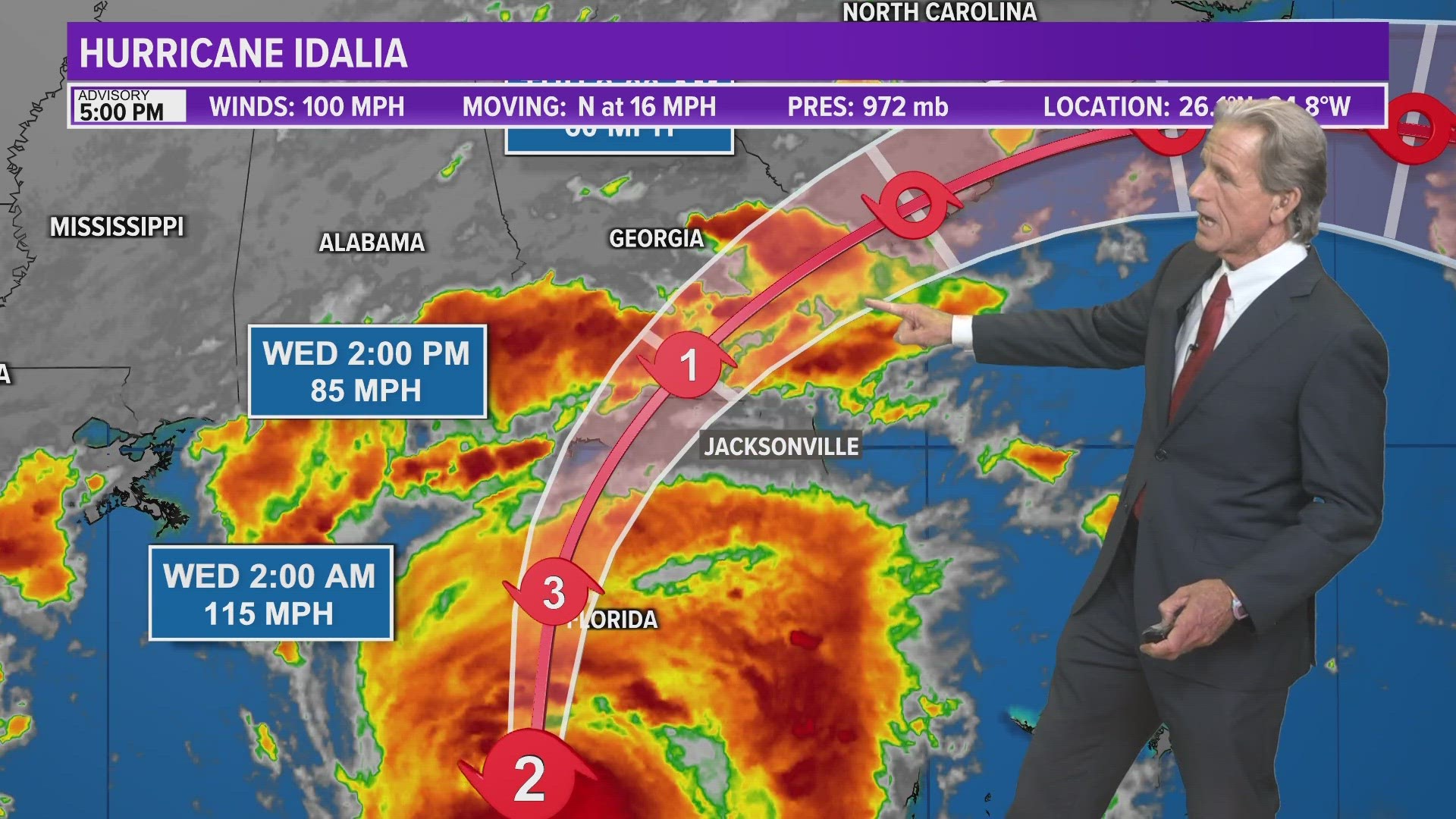
- Stay Informed: Regularly check updates from the National Hurricane Center, local emergency management agencies, and trusted news sources. Understand the difference between a hurricane watch (conditions are possible) and a hurricane warning (conditions are expected). Early and accurate information is your greatest asset.
By understanding the dynamics of hurricane season, making informed travel and accommodation choices, and adopting a proactive approach to preparedness, you can confidently plan and enjoy your experiences in Florida, ensuring that your adventure is as safe and memorable as possible.