
The Lone Star State, known for its sprawling ranches, vibrant music scene, and distinctive culinary traditions, is also increasingly becoming a focal point in the national conversation surrounding cannabis legalization. As other states continue to embrace the economic and social benefits of regulated marijuana markets, many are wondering: when will Texas join the growing ranks of states that have legalized cannabis for medical and/or recreational use? The journey towards legalization in Texas has been a complex and often contentious one, marked by incremental steps and persistent debate.
The current landscape of cannabis policy in Texas is primarily defined by Texas‘s Compassionate Use Program (TCUP). Established in 2015, TCUP allows patients with a qualifying medical condition, as determined by a registered physician, to access low-THC cannabis. This initial step was a significant, albeit limited, move for a state with a historically conservative stance on drug policy. The program has seen gradual expansion over the years, with the list of qualifying conditions growing, but it remains far from the comprehensive medical or recreational markets seen elsewhere in the United States.
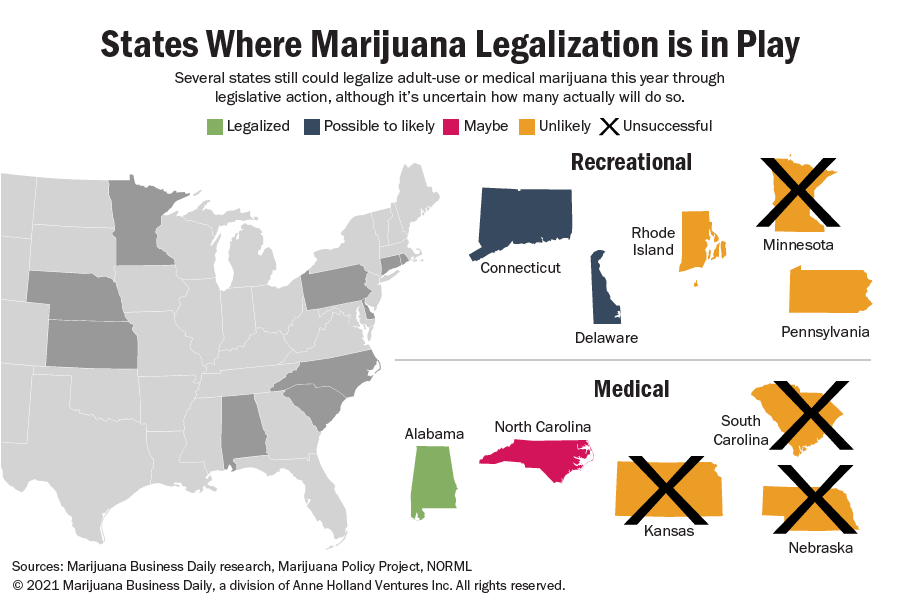
The debate over legalization in Texas is multifaceted, touching upon economic opportunities, public health, criminal justice reform, and individual liberty. Proponents argue that a legal cannabis market could generate substantial tax revenue, create new jobs, and redirect law enforcement resources towards more pressing issues. Opponents often voice concerns about potential public health impacts, impaired driving, and the normalization of drug use. Navigating these competing viewpoints is a key challenge for lawmakers and the public alike as Texas grapples with the evolving cannabis debate.
Understanding the current limitations of Texas‘s medical cannabis program is crucial to appreciating the broader context of the legalization discussion. While TCUP offers a pathway for certain patients to access low-THC cannabis, it falls short of providing a full spectrum of cannabis-based treatments. This has led to calls for further reform and broader access, fueling the ongoing dialogue about the future of cannabis in the state.
The Slow March Towards Reform: A Look at Texas’s Cannabis Journey
The story of cannabis legalization in Texas is one of gradual progress, characterized by legislative efforts that, while often falling short of full legalization, chip away at restrictive policies. For years, cannabis possession, even in small amounts, carried significant penalties, contributing to a disproportionate impact on certain communities. The establishment of the Texas Compassionate Use Program in 2015 marked a pivotal moment, signaling a willingness, albeit cautious, to consider cannabis in a medical context.
From Low-THC to Broader Access: The Evolution of TCUP
The Texas Compassionate Use Program, initially enacted through House Bill 1535, was a landmark piece of legislation, though its scope was intentionally narrow. It permitted the prescription of low-THC cannabis, defined as containing no more than 0.5% Tetrahydrocannabinol (THC) by weight, to patients diagnosed with epilepsy or other seizure disorders. This was a far cry from the medicinal cannabis available in many other states, which often allowed for higher THC concentrations and a wider range of therapeutic applications.
However, the program has not remained static. Through subsequent legislative sessions, the list of qualifying conditions has been expanded. Senate Bill 1802, passed in 2019, significantly broadened the scope of TCUP by adding a range of debilitating medical conditions, including multiple sclerosis, spasticity, amyotrophic lateral sclerosis (ALS), autism, terminal cancer, and chronic pain. This expansion was a direct response to patient advocacy and growing recognition of cannabis’s potential therapeutic benefits for a wider array of ailments.
Despite these expansions, accessing medical cannabis in Texas is still a tightly regulated process. Patients must receive a prescription from a physician who is registered with the Compassionate Use Registry of Texas (CURT). The available forms of cannabis are also limited, primarily to oils, tinctures, and edibles, with smoking prohibited. This distinction between low-THC cannabis and the full-spectrum medical cannabis found in other states remains a significant point of contention for patients and advocates seeking more comprehensive treatment options. The ongoing conversations in the Texas Legislature reflect a desire by many to see TCUP evolve further, potentially mirroring the more robust medical cannabis frameworks of other states.
The Economic Argument: Tax Revenue and Job Creation
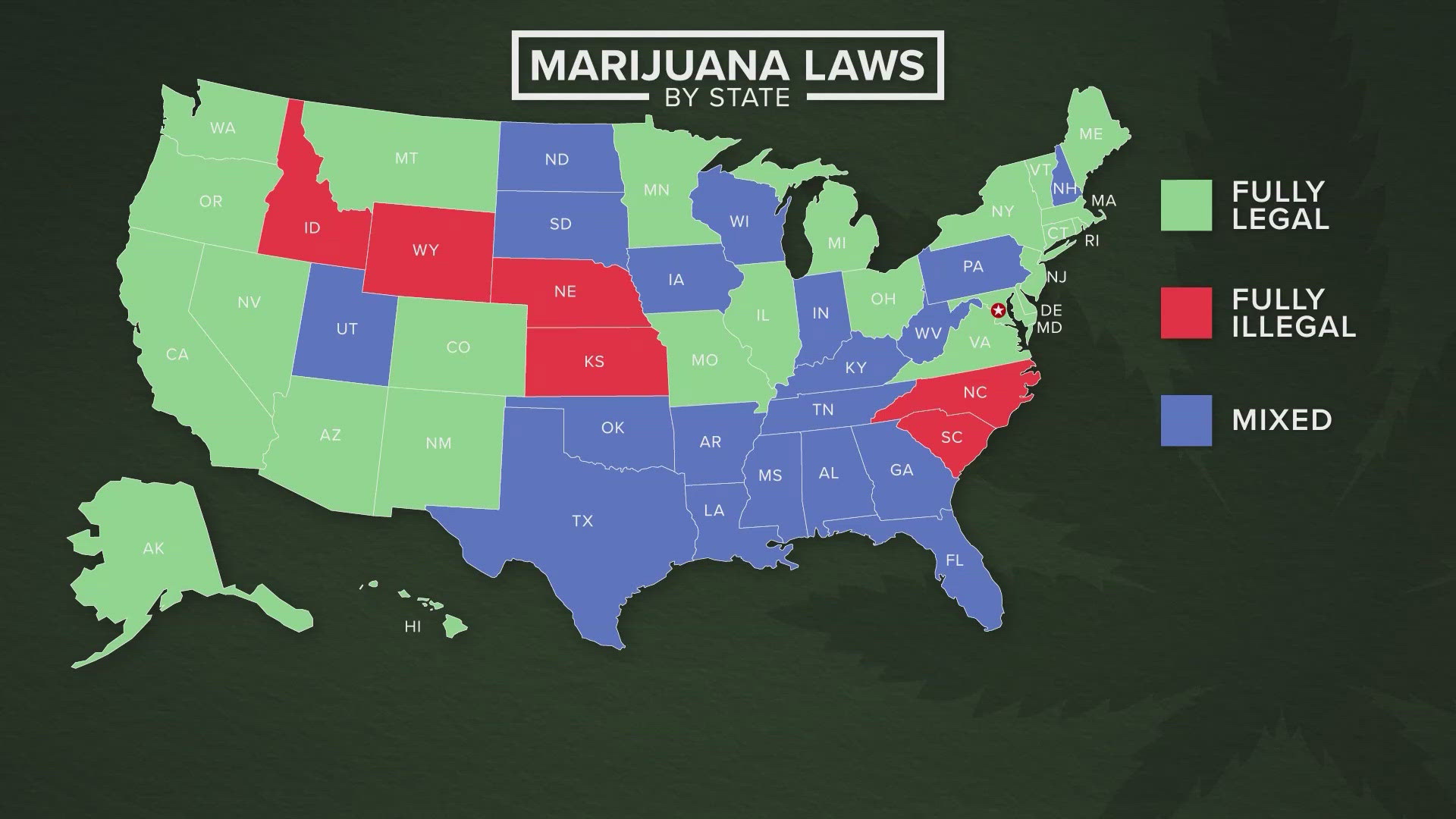
Beyond the medical and social justice aspects, the potential economic benefits of cannabis legalization are a major driving force behind the reform movement in Texas. As neighboring states like New Mexico and Oklahoma continue to develop their burgeoning cannabis industries, the economic implications for Texas become increasingly apparent. The prospect of significant tax revenue and the creation of a new sector of employment opportunities are powerful incentives for lawmakers to reconsider the state’s prohibitionist stance.
The Untapped Market: Potential Revenue Streams
The legalization of recreational cannabis, in particular, offers Texas a substantial opportunity to generate new tax dollars. While precise figures are subject to market dynamics and regulatory structures, states with established adult-use markets have reported billions of dollars in annual sales and hundreds of millions in tax revenue. These funds can then be allocated to essential public services such as education, infrastructure, or healthcare. For a state as large and populous as Texas, the potential for revenue generation is immense.
Currently, Texas relies heavily on property and sales taxes. The introduction of a regulated cannabis market could diversify the state’s revenue streams, making it less reliant on traditional tax bases. Moreover, the underground cannabis market, which operates outside the purview of taxation and regulation, represents a significant loss of potential revenue. Legalization aims to bring these transactions into the formal economy, allowing the state to capture a portion of these sales through excise and sales taxes. The debate often centers on how such taxes would be structured, with proponents advocating for a balanced approach that makes legal cannabis competitive with the illicit market while still generating revenue for public good.
A New Frontier for Employment
The cannabis industry is known for its job creation potential, spanning cultivation, processing, distribution, retail, and ancillary services. Legalizing cannabis in Texas could lead to the establishment of thousands of new jobs across the state, from rural farming communities that could cultivate the plant to urban centers that would house dispensaries and processing facilities. This would not only provide employment opportunities but also contribute to economic growth and revitalization in various regions.
The development of a regulated cannabis market would also foster entrepreneurship, encouraging individuals to start businesses within this emerging industry. This could range from small, locally owned dispensaries to larger cultivation operations. Furthermore, the expansion of the cannabis industry would likely stimulate growth in related sectors, such as packaging, security, and legal services. As Texas continues to diversify its economy, the cannabis sector represents a tangible opportunity for innovation and expansion, promising a new avenue for economic development and job creation that could benefit communities across the state.
Facing the Future: What’s Next for Cannabis in Texas?
The question of “when” Texas will legalize pot is less about a definitive date and more about understanding the ongoing legislative and public opinion shifts. The momentum for reform, both medical and recreational, continues to build, fueled by changing attitudes and the experiences of other states. While a full recreational market may still be some way off, incremental progress is likely to continue.
Legislative Hurdles and Public Opinion
The Texas Legislature convenes every two years, and cannabis reform has been a recurring topic of discussion. While significant advancements, like the expansion of TCUP, have been achieved, a complete overhaul to legalize recreational use faces considerable political headwinds. Conservative factions within the state government often express skepticism or outright opposition, citing concerns about public health and safety. However, public opinion polls consistently show a growing majority of Texans in favor of some form of cannabis legalization, whether medical or recreational. This widening gap between public sentiment and legislative action is a key dynamic to watch.
Advocacy groups and grassroots organizations play a crucial role in pushing for reform, organizing awareness campaigns, and lobbying lawmakers. Their efforts, combined with a greater understanding of the economic and social benefits observed in other states, are gradually shifting the conversation. Future legislative sessions will likely see renewed efforts to expand medical access further and, potentially, introduce proposals for decriminalization or regulated recreational markets. The path forward will likely involve continued negotiation, compromise, and a gradual evolution of public policy in Texas.
The Road Ahead: Potential Scenarios
Several scenarios could unfold for cannabis legalization in Texas. One possibility is a continued, slow expansion of the medical program, mirroring the incremental approach seen thus far. This would involve further broadening the list of qualifying conditions and potentially allowing for higher THC concentrations. Another scenario is the decriminalization of small amounts of cannabis, which would reduce penalties for possession without necessarily legalizing sale or production.
The most significant potential shift would be the legalization of recreational cannabis. This would likely be preceded by a robust debate on regulatory frameworks, taxation, and social equity provisions. Given Texas‘s political climate, such a move might be influenced by federal changes or a strong, unified push from a significant portion of the electorate. It is also plausible that Texas could adopt a model similar to that of Florida, where medical cannabis is widely available but recreational use remains prohibited. Ultimately, the timing and nature of any future legalization in Texas will be shaped by a complex interplay of legislative will, public demand, and the ongoing national dialogue surrounding cannabis policy. The journey is far from over, and the Texas cannabis story continues to be written.