
The question of when – not if – Texas will legalize cannabis for recreational use is one that resonates far beyond the state’s borders. As the second-largest state in the United States by both area and population, its stance on cannabis legalization holds immense implications for national policy, economic development, and, crucially for travelers, a brand-new horizon for tourism and lifestyle experiences. The Lone Star State, known for its fierce independence and often conservative leanings, finds itself at a pivotal moment, caught between a national trend towards legalization and its own deeply ingrained political complexities. For those who track travel trends, luxury accommodations, and emerging cultural landscapes, the potential for Texas to open its doors to cannabis tourism presents an exciting, albeit speculative, future. Imagine the fusion of Texas’s iconic barbecue, vibrant music scenes, and sprawling landscapes with a burgeoning cannabis industry – it’s a prospect that promises to redefine the travel itinerary for millions.
As states like Colorado, California, and Nevada have demonstrated, regulated cannabis markets can be powerful economic engines, attracting a new demographic of travelers seeking unique experiences. From boutique cannabis resorts to culinary tours infused with local flavors, the possibilities are vast. For Texas, a state already brimming with world-class destinations like Austin‘s live music scene, Dallas‘s luxury shopping, Houston’s diverse culinary landscape, and San Antonio’s historic missions, the addition of a legal cannabis market could catapult it into a premier destination for a new era of tourism. This article delves into the current state of cannabis laws in Texas, the powerful economic incentives pushing for reform, the intricate political landscape that dictates its pace, and what a legalized future might hold for visitors eager to explore this iconic state.
The Current Landscape: A State of Flux for Cannabis in Texas
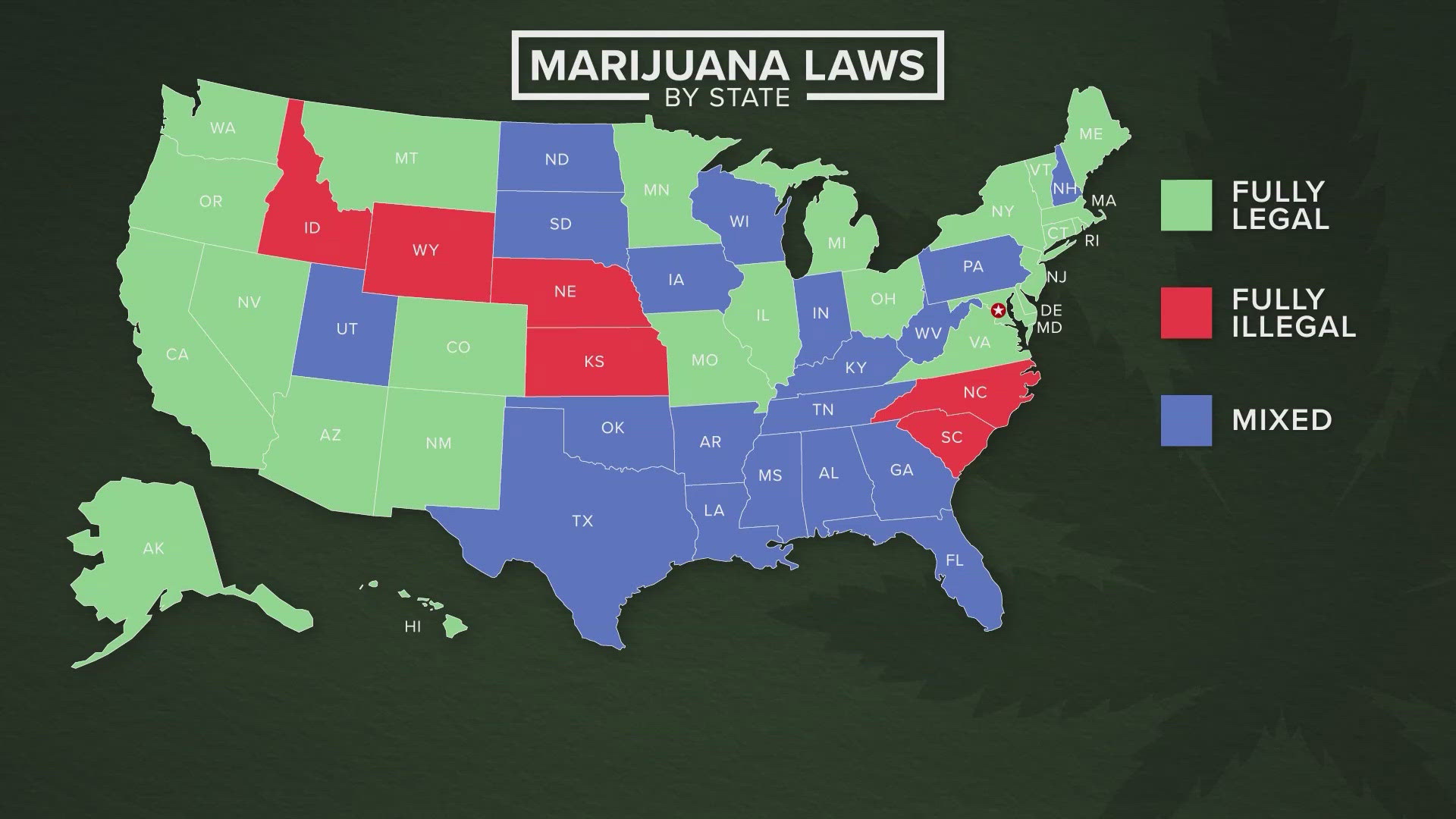
Despite the national momentum towards cannabis reform, Texas remains one of the more restrictive states in the United States regarding marijuana laws. However, this is not to say that the state is entirely stagnant. There’s a palpable shift in public sentiment and, consequently, legislative discussions, even if progress appears slow from an outsider’s perspective. Understanding the current legal framework is crucial for any traveler or resident navigating the state today, particularly as local ordinances can vary significantly from state law, creating a complex, patchwork reality.
A Patchwork of Regulations and Decriminalization Efforts
Currently, recreational cannabis remains illegal in Texas, carrying penalties that can range from misdemeanor charges for possession of small amounts to felony charges for larger quantities or distribution. This strict state-level stance stands in stark contrast to the actions of several progressive cities within Texas. Metropolitan hubs like Austin, Dallas, San Antonio, and Houston have implemented “cite and release” policies or have even fully decriminalized small amounts of cannabis. These local initiatives mean that possession of minor amounts of marijuana, often under two or four ounces, may result in a citation rather than an arrest, or in some cases, no immediate consequence beyond confiscation.
This creates a peculiar situation where a traveler’s experience with cannabis enforcement can depend entirely on which city they are in. For example, a visitor exploring the vibrant nightlife of Austin might find a more lenient approach than someone in a more conservative county. This urban-rural divide in enforcement reflects the broader political and cultural cleavages within Texas regarding cannabis reform. It underscores the importance of being aware of local regulations, even as the state as a whole maintains its prohibition. The presence of these varied local policies, however, serves as a strong indicator of changing public attitudes and a growing willingness, at least at the municipal level, to embrace more pragmatic approaches to cannabis.
The Limited Scope of Medical Cannabis
While recreational cannabis is off-limits, Texas does have a medical cannabis program, albeit one of the most restrictive in the nation. The Texas Compassionate Use Program (TCUP) was initially established in 2015 and has been expanded incrementally since then. However, it remains highly limited, covering only a narrow range of qualifying conditions such as epilepsy, multiple sclerosis, spasticity, autism, terminal cancer, and certain neurological disorders. Crucially, the program only allows for low-THC cannabis products, typically with a THC content of no more than 0.5% by weight. This is significantly lower than the THC limits in most other medical cannabis states, which often allow for full-strength cannabis.
For travelers, this means that even if they possess a medical cannabis card from another state, it is not recognized in Texas. The strict THC limits also mean that the products available under TCUP are not what many envision when they think of medical marijuana; they are primarily focused on therapeutic, non-euphoric relief. The program’s limitations highlight the conservative approach the state legislature has taken, prioritizing carefully controlled medical access over broader legalization. However, the very existence of TCUP, and its slow but steady expansion, signals that the conversation around cannabis is not entirely closed in Texas. It represents a crack in the dam, a testament to the persistent advocacy of patients and their families, and a potential stepping stone towards a more comprehensive framework in the future. The burgeoning hemp and CBD market, thriving thanks to the 2018 Farm Bill, also offers a glimpse into a legal, albeit non-intoxicating, cannabis-derived industry that many Texas businesses have eagerly embraced, demonstrating the economic appetite for cannabis products within the state.
The Economic Allure: Unlocking Tourism and Revenue Potential
The prospect of legalizing recreational cannabis in Texas isn’t just a social or political debate; it’s a profound economic opportunity that could redefine the state’s tourism landscape, generate substantial tax revenue, and foster entirely new sectors within its already robust economy. States that have embraced legalization have consistently reported significant boosts to their economies, attracting new visitors and creating thousands of jobs. For a state as economically powerful and geographically diverse as Texas, the potential for a “green rush” is immense, promising to appeal to a broad spectrum of travelers from across the United States and beyond.
A New Frontier for Travel and Accommodation
Legalizing cannabis would undoubtedly introduce Texas to a new category of tourism: cannabis tourism. This niche, yet rapidly growing, segment of the travel industry sees visitors planning trips specifically around access to legal cannabis, whether for recreational enjoyment, wellness, or culinary exploration. Imagine travelers from prohibition states or even international visitors from Canada and Mexico flocking to Texas to experience its unique culture alongside legal cannabis. This would translate into increased bookings for hotels, resorts, and various accommodation types across the state.
Luxury hotels in Dallas and Houston might begin to offer cannabis-friendly suites, while boutique hotels in Austin could feature curated cannabis menus or on-site consumption lounges, similar to those found in Denver or Las Vegas. The demand for unique lodging options, from glamping sites in Big Bend National Park that cater to cannabis enthusiasts to upscale villas in the Texas Hill Country, would surge. This transformation would not only diversify Texas’s tourism offerings but also stimulate job growth in the hospitality sector, from tour guides specializing in cannabis-centric experiences to specialized accommodation staff. Furthermore, states bordering Texas, particularly New Mexico which has already legalized, offer a glimpse into the cross-border tourism potential. Texans currently travel to adjacent legal states for cannabis; legalization would reverse this flow, keeping tourism dollars within Texas.
Crafting Unique Lifestyle Experiences
Beyond traditional tourism, legalized cannabis in Texas would enable the creation of entirely new lifestyle experiences, appealing to both residents and visitors seeking novel ways to engage with their surroundings. Cannabis dispensaries, moving beyond their current clinical appearance, could evolve into chic, experiential retail destinations, becoming attractions in themselves. Think of sophisticated dispensaries akin to high-end boutiques, offering educational workshops, product tasting events, and community gatherings, transforming cannabis shopping into a cultural experience.
The culinary scene, already a major draw in Texas, would likely embrace cannabis infusion. Michelin-starred chefs in Houston and Dallas might experiment with cannabis-infused dinners, while local eateries in Austin could offer more casual, yet innovative, edibles. This would create a new dimension for gastronomic tourism, drawing foodies interested in cutting-edge culinary trends. Wellness tourism would also see a significant boost, with spas and resorts incorporating CBD and THC products into treatments, from massages to specialized retreats focused on relaxation and rejuvenation. Cannabis farms, particularly in agricultural regions, could become new landmarks, offering guided tours, educational programs, and “seed-to-sale” experiences, similar to wine country tours. These agri-tourism ventures would not only educate visitors about cannabis cultivation but also support rural economies and offer unique insights into the plant’s journey. The blending of cannabis with existing festivals, music events, and outdoor adventures in Texas could cement its reputation as a forward-thinking destination for diverse and dynamic lifestyle experiences.
Navigating the Political Maze: The Path to Reform
The journey towards cannabis legalization in Texas is less a straight path and more a complex maze, intricately woven with conservative political traditions, evolving public opinion, and the powerful influence of various lobbying groups. Despite the undeniable economic arguments and a growing wave of reform across the nation, Texas’s unique political landscape presents distinct challenges and opportunities that will ultimately dictate the pace and scope of any future legalization efforts. Understanding these dynamics is key to predicting when and how the Lone Star State might finally embrace broad cannabis reform.
Shifting Public Opinion and Legislative Hurdles
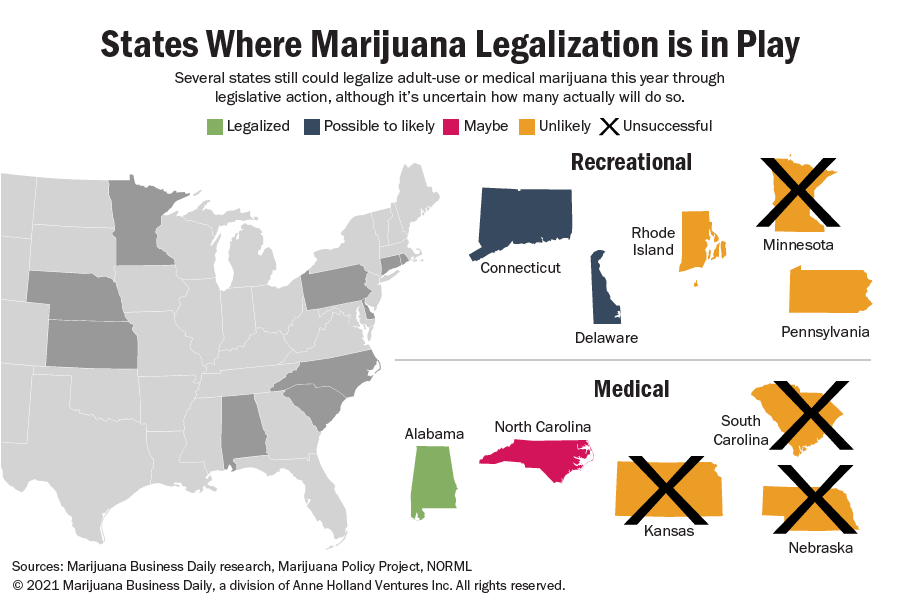
For decades, Texas has been characterized by a strong conservative political base, which has historically resisted significant cannabis reform. However, public opinion within the state has been steadily shifting. Recent polls consistently show a majority of Texans supporting some form of cannabis legalization, whether for medical or recreational use. Younger demographics, particularly in urban centers like Austin, Dallas, and Houston, are overwhelmingly in favor. This generational and urban-rural divide creates a fascinating political dynamic.
Despite this shift in public sentiment, the legislative process in Texas is notoriously slow and deliberate. Cannabis reform bills are regularly introduced in each legislative session, often proposing everything from decriminalization to full adult-use legalization. While some incremental progress has been made, such as expansions to the Texas Compassionate Use Program and the local decriminalization efforts mentioned earlier, comprehensive recreational legalization faces significant hurdles. Key conservative figures, often citing concerns about public safety and traditional values, remain staunch opponents. The bicameral nature of the Texas Legislature, with the House and Senate often controlled by different factions or having distinct priorities, also adds layers of complexity. Overcoming these entrenched political positions requires sustained advocacy, strong bipartisan support, and potentially, a generational shift in leadership.
Lessons from Other Legalized Destinations
As Texas contemplates its future with cannabis, it has a wealth of data and experience to draw upon from states that have already legalized. The economic success stories of Colorado, California, and Nevada serve as powerful examples. These states have demonstrated how a regulated cannabis market can generate billions in tax revenue, fund public services, and create thousands of jobs, often exceeding initial projections. For instance, Colorado, one of the first states to legalize, has consistently reported substantial revenue from cannabis taxes, which has been allocated to schools, infrastructure, and public health initiatives. Similarly, California’s robust cannabis industry has become a significant economic force, drawing in both local and international tourism.
However, Texas can also learn from the challenges faced by these pioneering states, such as the initial regulatory complexities, issues with illicit markets, and the need for robust public health campaigns. States like New Mexico, Arizona, and Oklahoma – Texas’s neighbors – offer even more direct comparisons, demonstrating how legalization can impact regional dynamics, including cross-border tourism and trade. The experiences of these states provide a blueprint for Texas, highlighting best practices in regulation, taxation, and social equity, allowing the Lone Star State to potentially craft a more refined and effective cannabis policy if and when it decides to move forward. The legislative dialogue in Texas often references these precedents, indicating that while progress is slow, the lessons from other states are not being ignored.
Anticipating the Future: What Legalization Means for Visitors
When Texas eventually legalizes cannabis, the implications for visitors will be transformative, opening up a new dimension of travel and leisure in the state. From changing how travelers plan their trips to creating novel attractions and experiences, a legalized Texas will offer a unique blend of its iconic culture with the evolving cannabis lifestyle. Anticipating this future allows us to envision a Texas that caters to a broader audience, enhances existing attractions, and establishes itself as a leader in a new wave of experiential tourism.
From Dispensaries to Distinctive Landmarks
In a legalized Texas, dispensaries would evolve beyond mere points of sale, potentially becoming distinctive landmarks and integral parts of the state’s tourism infrastructure. These establishments could range from high-tech, architecturally significant stores in downtown Dallas or Houston, offering curated selections and educational experiences, to rustic, charming dispensaries in the Texas Hill Country, emphasizing local craft cannabis. Imagine a “cannabis district” in Austin, where visitors could tour various dispensaries, learn about different strains, and participate in tasting events, much like a wine trail.
Beyond retail, the industry would likely spawn other attractions. Cannabis cultivation facilities, especially those employing sustainable or innovative growing techniques, could open their doors for tours, similar to breweries or distilleries. These farms could offer visitors a behind-the-scenes look at the cultivation process, from seed to harvest, providing an educational and sensory experience. The vast landscapes of Texas, from the arid beauty of El Paso to the lush pine forests of East Texas, could host cannabis-centric festivals, wellness retreats, or even themed resorts that integrate cannabis consumption with outdoor activities like hiking, fishing, or stargazing. These new landmarks and attractions would not only draw cannabis enthusiasts but also provide unique cultural insights into Texas’s evolving identity, offering a fresh perspective on the state’s diverse appeal.
Responsible Tourism and Travel Tips
With legalization would come the critical need for responsible tourism guidelines to ensure a safe and enjoyable experience for all visitors. Travelers would need to be well-informed about the regulations surrounding cannabis purchase, possession, and consumption. Key considerations would include understanding the legal age for consumption (likely 21, similar to alcohol), limits on personal possession, and rules regarding public consumption. Many states prohibit cannabis use in public spaces, a rule Texas would almost certainly adopt, steering consumption towards private residences, licensed consumption lounges, or designated cannabis-friendly accommodations.
Travelers would also need to be aware of the laws concerning driving under the influence of cannabis, which would be strictly enforced. Just as with alcohol, impaired driving would carry severe penalties. Furthermore, interstate travel with cannabis would remain illegal under federal law, meaning visitors could not legally transport cannabis across state lines, even if both states have legalized it. Websites like lifeoutofthebox.com would play a crucial role in providing comprehensive guides and tips for navigating these new rules, helping visitors find licensed dispensaries, cannabis-friendly hotels, and tours that comply with local laws. This emphasis on education and responsible consumption would be vital for Texas to successfully integrate cannabis into its tourism framework, ensuring that the new industry contributes positively to the state’s image as a welcoming and diverse travel destination.
The question “When will Texas legalize weed?” is not easily answered, but the trajectory is clear. The economic pull, combined with shifting public attitudes and the demonstrable success of other states, makes eventual legalization seem inevitable. While the specific timeline remains uncertain, the groundwork for a transformative shift is being laid. For travelers and those in the tourism and hospitality industries, the prospect of a legalized Texas represents an exciting new frontier. It promises not only new attractions and experiences but also a redefining of the very fabric of Texas travel, blending its rich heritage with the forward-looking spirit of the cannabis revolution. The day Texas opens its doors to recreational cannabis will undoubtedly mark a monumental moment, ushering in an era of unparalleled opportunities for tourism, lifestyle, and economic growth in the heart of the United States.
LifeOutOfTheBox is a participant in the Amazon Services LLC Associates Program, an affiliate advertising program designed to provide a means for sites to earn advertising fees by advertising and linking to Amazon.com. Amazon, the Amazon logo, AmazonSupply, and the AmazonSupply logo are trademarks of Amazon.com, Inc. or its affiliates. As an Amazon Associate we earn affiliate commissions from qualifying purchases.