
The question of whether the housing market in Florida is on the brink of a crash has become a recurring whisper among prospective homebuyers, current homeowners, and investors alike. For a state synonymous with sunshine, beautiful beaches, and vibrant cultural experiences, its real estate market has long been a beacon of opportunity and an emblem of a desirable lifestyle. However, the unprecedented surge in home values over recent years has led many to wonder if this growth is sustainable or if a significant downturn, akin to the 2008 crisis, is inevitable.
Understanding the current landscape requires a deep dive into the unique dynamics that have shaped Florida’s real estate. It’s not merely a local phenomenon but a confluence of national economic trends, demographic shifts, and the inherent allure of the Sunshine State itself. While the allure for travelers seeking ideal destinations, diverse accommodations, and rich tourism experiences remains undiminished, the underlying housing market is a complex ecosystem. This article aims to unpack these complexities, exploring the factors that fueled the boom, the signs of a potential slowdown, and what a “crash” or “correction” might truly mean for residents, investors, and the millions who flock to Florida each year.
Understanding the Florida Housing Market Boom
Florida’s real estate market has been on a remarkable trajectory, witnessing an astonishing appreciation in home values over the past few years. This surge wasn’t arbitrary but rather the result of several powerful catalysts converging to create a seller’s market of historic proportions. From the pristine beaches of Miami to the theme park magic of Orlando and the tranquil Gulf Coast communities like Naples, nearly every corner of the state experienced a housing frenzy.
The Magnetism of the Sunshine State
At the heart of Florida’s housing boom is its undeniable appeal. The state consistently ranks as one of the most desirable places to live in the United States, attracting a steady stream of new residents. This migration accelerated significantly during the COVID-19 pandemic, as remote work became a widespread reality, unshackling many from geographical constraints. People from colder, more expensive states sought Florida’s warm climate, lower taxes, and perceived higher quality of life.
The promise of a relaxed, outdoor-centric lifestyle, coupled with a diverse job market in burgeoning sectors like technology, healthcare, and logistics, made Florida an irresistible magnet. For retirees, the state has long been a haven, offering tax benefits and an abundance of recreational activities. But more recently, families and young professionals have also gravitated towards Florida, further intensifying demand. This demographic shift has created a sustained need for housing across all types, from luxury villas and family homes to apartments and long-term stay accommodations, impacting the state’s entire infrastructure and economy, including its vibrant tourism and hospitality sectors.
Economic Tailwinds and Investment Influx
Beyond migration, several economic factors contributed significantly to the housing market’s meteoric rise. Historically low interest rates, orchestrated by the Federal Reserve to stimulate the economy, made borrowing incredibly cheap. This affordability factor allowed more people to enter the housing market or purchase more expensive homes than they might have otherwise, driving up competition and prices.
Furthermore, Florida has always been a hotspot for real estate investment, both domestic and international. Investors, drawn by the prospect of appreciating assets, strong rental income (especially from short-term vacation rentals popular with tourists), and favorable tax policies, poured capital into the market. This influx of investment capital, combined with a persistent shortage of housing inventory relative to demand, created a perfect storm for rapid price escalation.
Cities like Miami and Fort Lauderdale became global hubs for luxury real estate, attracting high-net-worth individuals seeking investment properties or lavish second homes. Even in more family-oriented cities like Tampa and Orlando, the combination of robust job growth and a thriving tourism industry fueled intense demand for both primary residences and properties suited for rental income, often through platforms catering to the accommodation needs of millions of annual visitors. The lifestyle associated with owning a piece of Florida property became a powerful draw, blending leisure and investment seamlessly.
Signs of Cooling: A Market Correction, Not a Catastrophe?
While the Florida housing market has enjoyed an extended period of robust growth, recent data and expert analyses suggest a shift is underway. The frantic pace of bidding wars and double-digit annual price gains has begun to moderate, leading many to question if a “crash” is imminent. However, most experts lean towards a “correction” rather than a full-blown catastrophe, characterized by a more sustainable rebalancing of the market.
Shifting Dynamics: Interest Rates and Affordability
The most significant factor influencing the market’s current cooling trend is the dramatic rise in interest rates. In an effort to combat inflation, the Federal Reserve has steadily increased its benchmark interest rate, leading to a substantial increase in mortgage rates. What was once a 3% mortgage rate has, at times, more than doubled, significantly impacting buyer affordability. A higher interest rate translates to a larger monthly mortgage payment for the same loan amount, effectively reducing purchasing power for many prospective buyers.
This shift has created headwinds for demand. Buyers who were previously qualified for loans at lower rates now find themselves priced out of the market or forced to seek less expensive properties. First-time homebuyers, in particular, face an uphill battle, as the combination of high home prices and elevated interest rates creates a formidable barrier to entry. This dynamic has naturally slowed the pace of sales and tempered the aggressive bidding that characterized the peak of the market. Even for those seeking long-term accommodation or considering a permanent move, the financial calculations have become much more challenging.
The Inventory and Sales Conundrum
Another clear indicator of a shifting market is the evolving relationship between housing inventory and sales volume. During the peak of the boom, inventory levels plummeted to historic lows, meaning there were very few homes available for sale, which naturally drove prices up due to intense competition. Recently, however, there has been a noticeable increase in active listings across many Florida markets. While still below pre-COVID-19 pandemic levels in some areas, this rise in inventory gives buyers more options and less pressure to make hasty decisions.
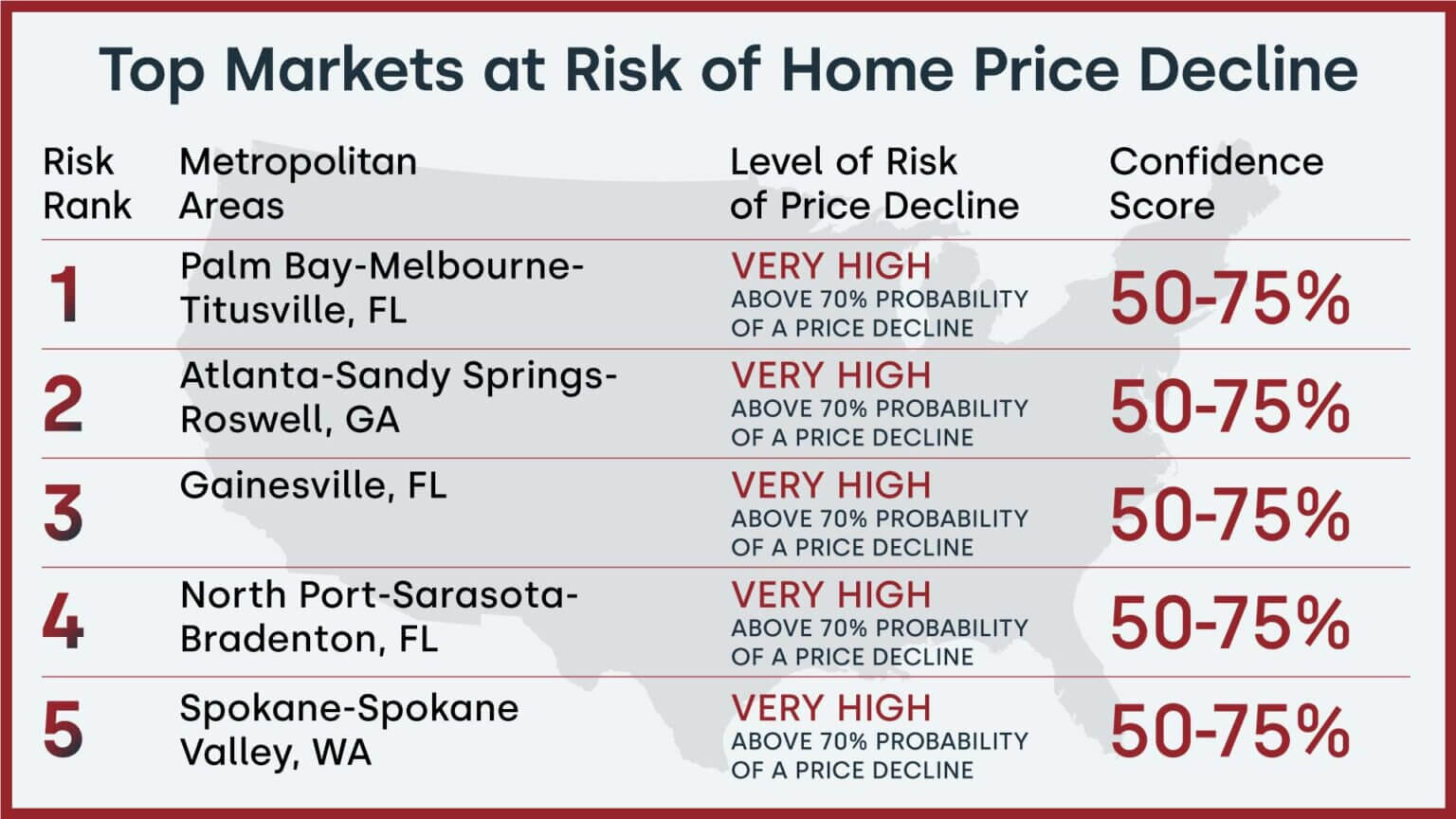
Concurrently, sales volumes have declined. Properties are spending more time on the market, and price reductions are becoming more common. Data from real estate platforms like Redfin, Zillow, and Realtor.com consistently show a moderation in market activity. While prices aren’t necessarily plummeting statewide, the rate of appreciation has slowed considerably, with some localized markets even experiencing modest price declines. This suggests a rebalancing of supply and demand, moving away from the extreme seller’s market conditions towards a more balanced, albeit still competitive, environment. The overall sentiment among market participants, including the National Association of Realtors, reflects this expectation of continued moderation rather than a precipitous fall.
What a “Crash” Really Means for Florida
The term “housing market crash” conjures images of the 2008 financial crisis: widespread foreclosures, plummeting values, and economic devastation. While it’s natural to draw comparisons, the current situation in Florida presents a very different set of circumstances, leading most experts to differentiate between a “crash” and a “correction.” Understanding this distinction is crucial for anyone involved in the Florida real estate market, whether as a resident, an investor, or a business owner in the tourism and accommodation sectors.
Distinguishing a Correction from a Collapse
A housing market crash implies a rapid, significant, and widespread decline in home values (often 20% or more), usually accompanied by a surge in foreclosures, an economic recession, and a collapse in consumer confidence. The 2008 crisis was driven by subprime lending practices, where unqualified buyers were given loans they couldn’t afford, leading to a wave of defaults when interest rates adjusted.
In contrast, a housing market correction is a more gradual and moderate adjustment. It typically involves a slowdown in price appreciation, perhaps a modest decline in values (often in the range of 5-15%), and an increase in inventory to more balanced levels. It’s a return to more sustainable growth patterns after a period of unsustainable exuberance. The key difference lies in the underlying fundamentals:
- Lending Standards: Today’s lending standards are far stricter than in 2008. Buyers are generally well-qualified, reducing the risk of mass defaults.
- Homeowner Equity: Many Florida homeowners have significant equity in their homes due to the recent appreciation. This provides a buffer against minor price dips and reduces the likelihood of foreclosures if values soften.
- Job Market & Demand: Despite economic uncertainties, Florida’s job market remains relatively strong, and demand from inbound migration continues. This sustained demand acts as a floor for prices.
Most analysts, including those from leading real estate research firms, predict that Florida is more likely to experience a correction. This means a period of slower sales, potentially flatlining prices, or even slight depreciation in some areas, allowing the market to normalize after its rapid ascent.
Regional Nuances and Resilience
It’s also important to recognize that the Florida housing market is not monolithic. What happens in Miami might differ from Tampa, or Orlando, or the smaller coastal towns. Each region has its own unique economic drivers, demographics, and inventory levels.
- South Florida (e.g., Miami, Fort Lauderdale): These markets, characterized by high-end luxury properties and significant international investment, saw some of the most dramatic price increases. They might also experience more pronounced price adjustments or slower sales for ultra-luxury segments.
- Central Florida (e.g., Orlando): Driven by tourism, theme parks, and a diverse economy, Orlando continues to attract a mix of residents and investors, with a strong demand for short-term rental properties.
- Southwest Florida (e.g., Naples, Sarasota, Cape Coral, North Port): These areas, popular with retirees and those seeking a quieter lifestyle, have seen tremendous growth. While still highly desirable, they might also see moderation as interest rates impact affordability for many.
The resilience of Florida’s economy, driven by tourism, agriculture, and an expanding tech sector, provides a strong foundation. The state’s continued attractiveness as a travel destination and a place to relocate helps to underpin housing demand, making a widespread collapse less probable. The varied appeals of its destinations, from bustling city life to serene natural landmarks, mean that while some areas may feel a stronger pinch, the overall market is unlikely to mirror the severity of past downturns.
Implications for Tourists, Investors, and Residents
The evolving dynamics of Florida’s housing market have far-reaching implications, not just for those directly involved in buying or selling property, but also for the millions of tourists who visit annually, the hospitality industry that serves them, and the broader lifestyle in the Sunshine State. A market correction, rather than a crash, suggests a period of adjustment that could bring both challenges and opportunities.
Travel and Accommodation Considerations
For travelers planning a trip to Florida, a cooling housing market could indirectly influence their experience. If a correction leads to more inventory on the market, including properties that were previously short-term rentals, it could potentially impact the balance between traditional hotels and private accommodation options. An increase in available rental units might lead to more competitive pricing for vacation rentals, offering visitors more choices and potentially better value for their stays, whether they seek a luxury resort experience or a budget-friendly apartment.
Conversely, if investors pull back from buying properties for short-term rental purposes due to less favorable market conditions, there might be a slight shift back towards traditional hotel bookings. However, Florida’s status as a premier tourist destination, with its diverse attractions, landmarks, and experiences, ensures a constant demand for accommodation. The hospitality sector, encompassing hotels, resorts, and various types of suites and villas, is highly adaptable and will likely adjust to any shifts in demand, continuing to offer a wide range of options for every traveler’s preference and budget. For those considering long-term stays, a more stable housing market might also present more predictable rental prices, making extended visits or even a trial relocation more feasible.

Long-Term Outlook and Future Trends
For current and prospective residents, a market correction presents a mixed bag. Existing homeowners who bought at the peak might see their equity gains stabilize or slightly recede, but for those with strong financial footing, this is unlikely to lead to immediate distress. For first-time homebuyers or those looking to upgrade, a more balanced market could offer a window of opportunity. Reduced bidding wars, more inventory, and potentially stable or slightly lower prices could make homeownership more attainable, improving overall affordability and contributing to a healthier, more equitable housing landscape.
Investors, particularly those focused on rental properties, will need to be more strategic. While the incredible returns of the past few years may not be replicated, Florida’s continuous population growth and strong tourism industry still make it an attractive location for long-term real estate investment. The demand for both permanent residences and temporary accommodations remains robust, ensuring a steady stream of renters and visitors. Smart investors will focus on areas with strong fundamentals, diversified economies, and consistent demand for both long-term and short-term rentals.
In the long run, Florida’s appeal as a place to live, work, and visit is unlikely to diminish. Its unique blend of natural beauty, cultural vibrancy, and economic opportunity will continue to draw people. While the housing market may experience periods of adjustment, the underlying demand and economic resilience suggest that a return to sustainable growth, rather than a catastrophic crash, is the most probable future. This stable environment will ensure that the Sunshine State remains a top choice for those seeking memorable travel experiences, quality accommodations, and a desirable lifestyle for years to come.
LifeOutOfTheBox is a participant in the Amazon Services LLC Associates Program, an affiliate advertising program designed to provide a means for sites to earn advertising fees by advertising and linking to Amazon.com. Amazon, the Amazon logo, AmazonSupply, and the AmazonSupply logo are trademarks of Amazon.com, Inc. or its affiliates. As an Amazon Associate we earn affiliate commissions from qualifying purchases.