The question of when cannabis will achieve full legal status for adult recreational use in the Sunshine State is a topic that sparks considerable debate and anticipation, not just among residents but also within the vast tourism and hospitality industries. Florida, a global magnet for travelers drawn to its pristine beaches, vibrant cities, and world-class attractions, stands at a pivotal juncture, poised to potentially embrace a new facet of its economy and lifestyle. The journey towards legalization is complex, navigating legislative hurdles, public opinion, and a legal landscape still largely defined by federal prohibition, even as states across the nation forge their own paths. This article delves into the current situation, the potential timeline for recreational cannabis legalization in Florida, and the profound implications for its thriving tourism, accommodation, and lifestyle sectors.
The Shifting Sands of Cannabis Legislation in the Sunshine State
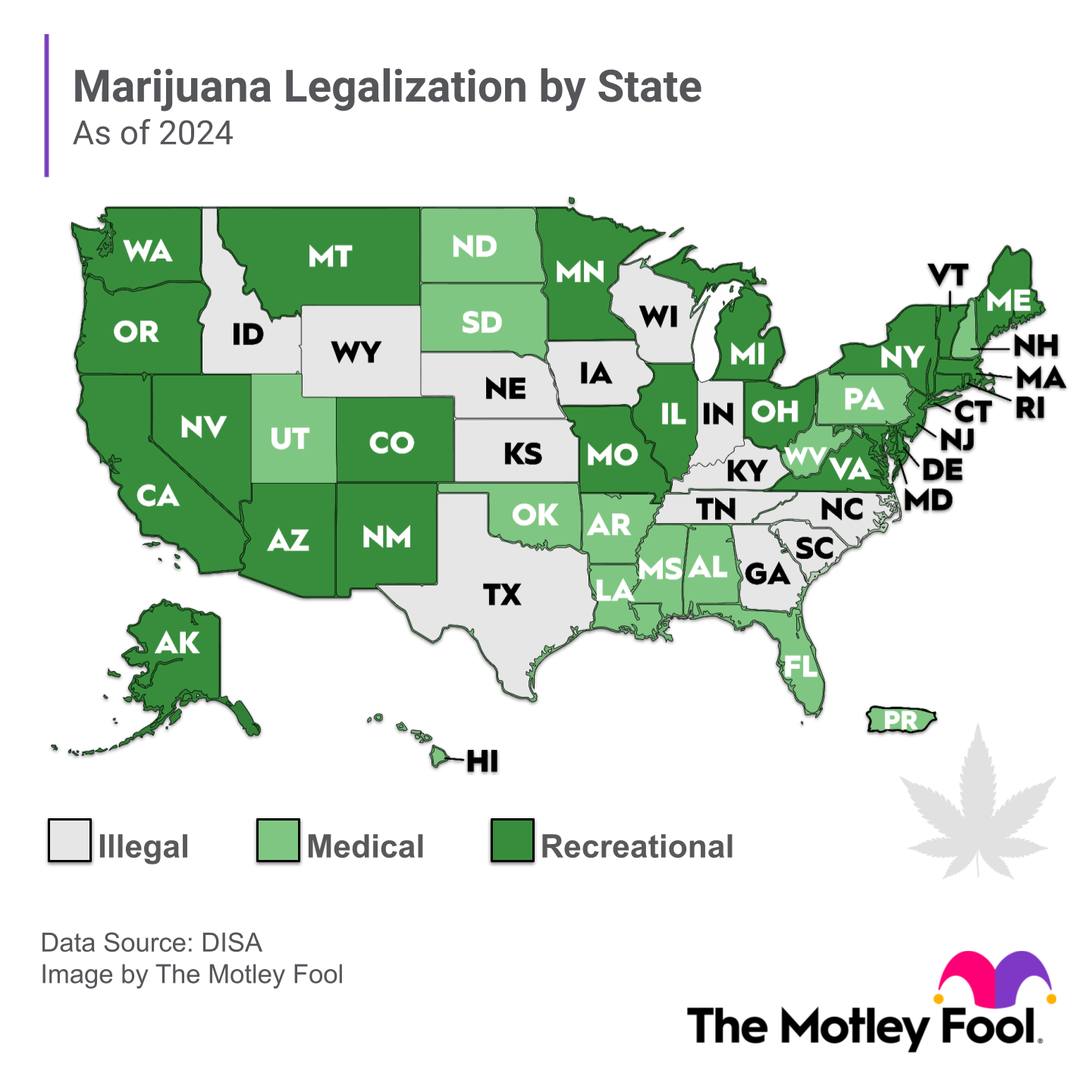
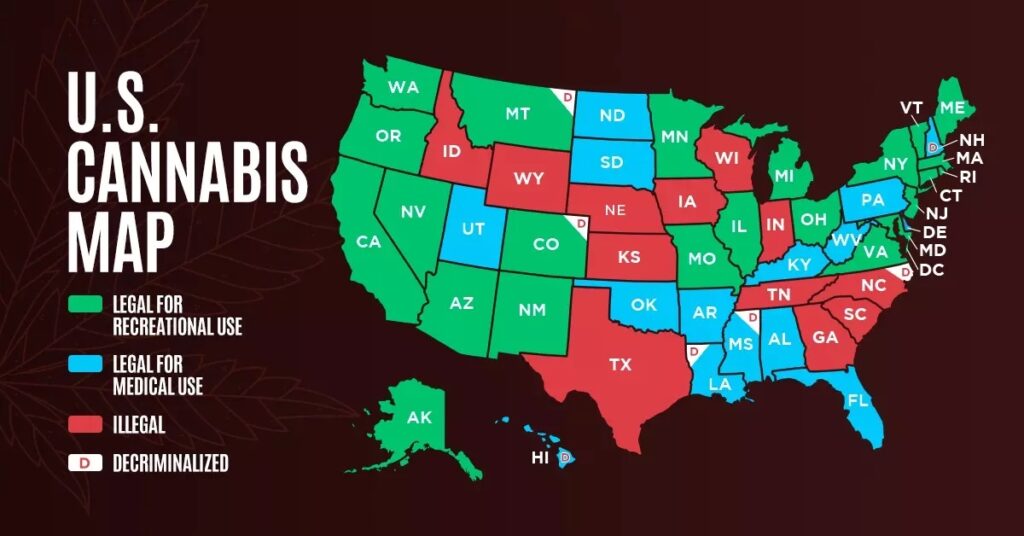
Florida’s relationship with cannabis has evolved significantly over the past decade. While recreational marijuana remains illegal, the state has already taken considerable steps towards decriminalization and, more importantly, established a robust medical cannabis program.
From Decriminalization to Medical Marijuana
The first significant shift occurred when several municipalities across Florida, including Miami-Dade County, Orlando, Tampa, and Key West, began to pass local ordinances decriminalizing small amounts of marijuana possession, opting for civil citations over arrests. These local efforts signaled a growing public and political appetite for a more lenient approach to cannabis.
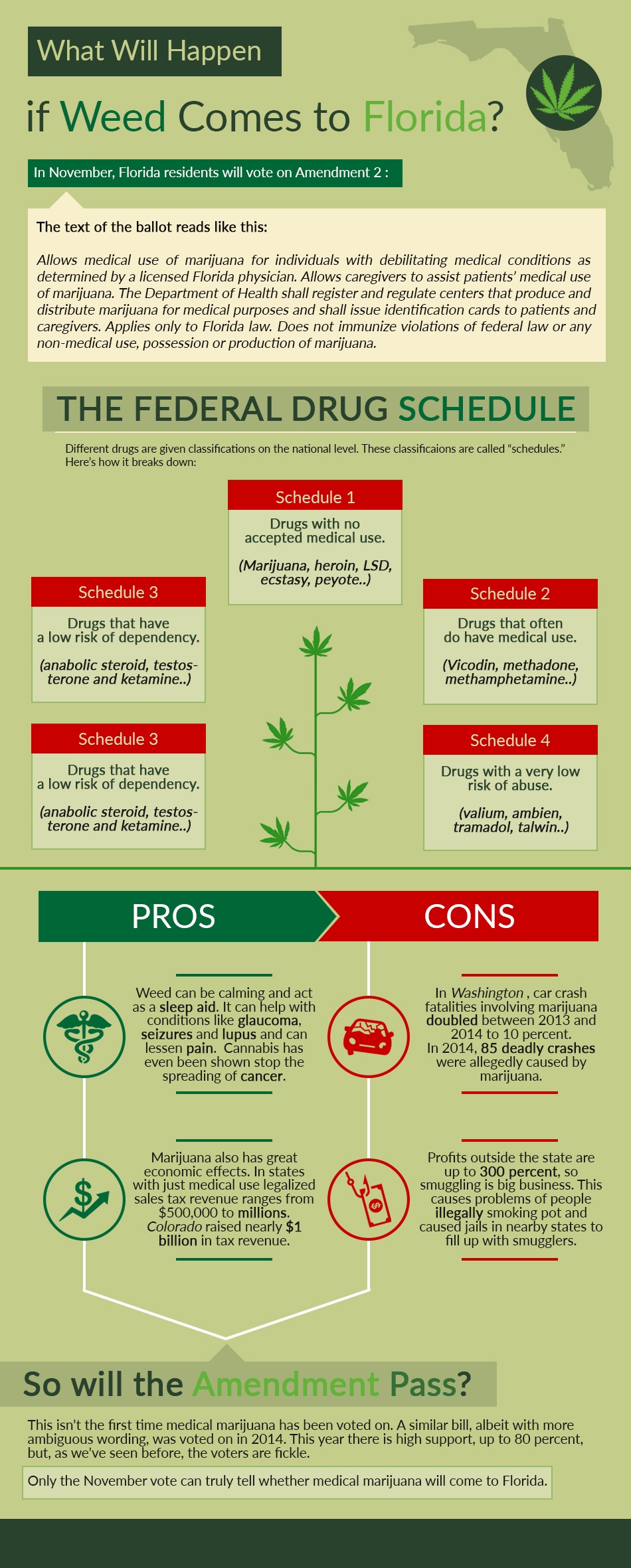
The real game-changer, however, came in 2016 with the passage of the Florida Medical Marijuana Legalization Initiative, commonly known as Amendment 2. This constitutional amendment overwhelmingly passed with over 71% of the vote, establishing a comprehensive medical cannabis program for qualifying patients with debilitating conditions. Since its implementation, the program has flourished, with hundreds of thousands of registered patients and a growing network of licensed dispensaries operated by Medical Marijuana Treatment Centers (MMTCs) throughout the state. This successful rollout of medical cannabis has undeniably paved the way for discussions surrounding adult-use legalization, demonstrating the feasibility of regulation and the economic benefits that can accrue from a legal cannabis market.
The Push for Adult-Use Legalization and Potential Timeline
The current focus is squarely on the prospect of adult-use, or recreational, cannabis legalization. The most prominent effort behind this movement is the Smart & Safe Florida initiative. This grassroots campaign has successfully gathered the requisite number of signatures to place a constitutional amendment for adult-use marijuana on the 2024 general election ballot. If approved by the Florida Supreme Court for ballot placement, this initiative would allow adults 21 and older to possess and purchase cannabis for non-medical use, primarily through existing medical marijuana treatment centers, which would be granted the authority to also serve the adult-use market.
The pathway to passage, however, is not without its challenges. Constitutional amendments in Florida require a 60% supermajority vote to pass, a higher threshold than a simple majority. This means proponents must build broad consensus across various demographics. Furthermore, the initiative faces potential legal challenges from state officials and anti-cannabis groups, which could delay or even derail its inclusion on the ballot. If the Smart & Safe Florida initiative successfully navigates these hurdles and secures the necessary votes in 2024, Florida could see recreational cannabis become legal as early as mid-2025. This timeline accounts for the period needed for the state legislature and regulatory bodies to establish the framework for sales, taxation, and consumption rules post-amendment passage. Should the 2024 effort fall short, subsequent attempts in future election cycles (e.g., 2026) are highly probable, indicating that legalization, while perhaps not imminent, is likely a matter of “when” rather than “if” for Florida.
What Legalization Means for Florida’s Tourism and Hospitality
Florida’s economy is heavily reliant on tourism. With millions of visitors flocking to the state annually, the potential legalization of recreational cannabis could usher in a transformative era, reshaping the travel experience and presenting both immense opportunities and unique challenges for businesses.
A New Era for Travel and Destinations
The emergence of a legal cannabis market in Florida would undoubtedly create a new niche: cannabis tourism. Following the models of states like Colorado, California, and Nevada, Florida could become a premier destination for “weed-cations.” Tourists, particularly those from states where cannabis remains illegal, might be enticed by the prospect of legally purchasing and consuming cannabis products during their vacation.
This would have a ripple effect on various popular destinations within Florida. Miami, with its vibrant nightlife and international appeal, could see an influx of travelers seeking a more relaxed and alternative holiday experience. Orlando, famous for its theme parks like Walt Disney World Resort and Universal Orlando Resort, might need to navigate the complexities of cannabis consumption near family-oriented attractions, potentially developing specific zones or services for adult visitors. Coastal cities such as Fort Lauderdale and St. Petersburg could capitalize on their beach-centric allure, offering cannabis-friendly wellness retreats or beachfront lounges. Even historical and charming locales like Key West could integrate cannabis experiences into their unique cultural fabric, enhancing the ‘chill’ vibe for which they are already known.
The development of cannabis-friendly experiences could range from guided “cannabis tours” exploring cultivation facilities and dispensaries to consumption lounges similar to those found in Las Vegas or Denver. Culinary experiences could also evolve, with restaurants and cafes potentially incorporating cannabis-infused ingredients into their menus, offering a new dimension to Florida’s already diverse food scene.
Implications for Hotels and Accommodation
The accommodation sector would experience significant shifts. Hotels, resorts, and vacation rentals would face both challenges and opportunities. On one hand, there would be a demand for cannabis-friendly lodging. This could lead to the emergence of “bud and breakfast” establishments, dedicated cannabis hotels, or specific floors/sections within larger resorts designated for cannabis consumption. Brands like Marriott, Hilton, and Hyatt, which operate numerous properties in Florida, would need to develop clear corporate policies regarding cannabis use on their premises, balancing guest desires with existing regulations and brand image. Some might choose to remain strictly smoke-free, while others might explore designated outdoor consumption areas or offer vaporizers as an alternative to smoking.
The impact on booking platforms and review sites would also be notable, with new filters potentially allowing travelers to search for cannabis-friendly accommodations. Vacation rental platforms like Airbnb and VRBO would need to provide guidelines for hosts and guests regarding cannabis use, which could vary widely depending on individual property rules. For long-term stays, particularly in tourist-heavy areas, the allure of being able to legally consume cannabis could influence decisions for snowbirds and remote workers considering Florida as a temporary home. Property owners and management companies would need to address issues like odor, ventilation, and liability, potentially investing in air purification systems or designating specific outdoor areas for consumption.
Enhancing Local Culture and Lifestyle
Legalization would also permeate Florida’s local culture and lifestyle, moving beyond mere tourism. It would foster new business opportunities, ranging from specialized dispensaries with unique local branding to tour operators focusing on cannabis-related activities, and event organizers planning cannabis-friendly festivals and gatherings. Local food scenes could integrate cannabis through edibles, beverages, and culinary events, creating a distinct “Floridian cannabis cuisine.”
However, the integration of cannabis into the general lifestyle would also necessitate careful consideration, particularly concerning family travel. While adult-use cannabis would be legal, strict regulations on public consumption and sales to minors would be paramount, ensuring that Florida retains its reputation as a safe and enjoyable destination for families. For adult visitors and residents, legalization could offer a new dimension to leisure activities, from enhancing a quiet beach day in Sarasota to complementing the vibrant art scene in Wynwood, Miami.
The lifestyle implications would also extend to diverse travel styles. Luxury travel segments could see high-end cannabis products and exclusive consumption experiences integrated into bespoke itineraries. Budget travelers might find more affordable cannabis options, offering a new form of entertainment and relaxation. Ultimately, legalization has the potential to add another layer of appeal to Florida’s already diverse lifestyle offerings, positioning it as a modern, progressive state that caters to a wider spectrum of preferences.
Navigating the Future: Tips for Travelers and Businesses
As Florida inches closer to potential recreational cannabis legalization, both prospective visitors and existing businesses need to prepare for the evolving landscape. Understanding the nuances of new laws and adapting strategies will be crucial for a smooth transition.
For Prospective Visitors
Travelers planning a trip to Florida in the coming years should remain vigilant and well-informed:
- Stay Informed About Current Laws: The legal status of cannabis can change rapidly. Before traveling, always check the most up-to-date regulations regarding possession, purchase, and consumption in Florida. Reputable government websites or tourism boards will provide the latest information.
- Understand Consumption Rules: Even if legal, public consumption of cannabis is typically prohibited, similar to alcohol. Familiarize yourself with designated consumption areas, if any, and always consume discreetly and responsibly within private settings, respecting property rules.
- Respect Local Regulations: While state law may permit cannabis, individual cities or counties might have their own ordinances regarding where dispensaries can operate or where consumption is allowed. Always be aware of local rules in destinations like Orlando, Miami Beach, or Pensacola.
- Plan Accommodation Carefully: If you intend to consume cannabis, research hotels and vacation rentals that explicitly state they are 420-friendly or have clear policies regarding cannabis use. Do not assume that all accommodations will permit it. Booking directly and inquiring about their policies can prevent misunderstandings.
- Transportation Rules: Driving under the influence of cannabis will remain illegal and carry severe penalties. Never transport cannabis across state lines, as federal laws still prohibit it, regardless of Florida’s status. When flying, federal regulations will supersede state laws, meaning cannabis is prohibited on flights and within airports.
For Florida Businesses
The tourism and hospitality industries in Florida should proactively prepare for the advent of adult-use cannabis:
- Prepare for Regulatory Changes: Keep a close watch on legislative developments and the outcomes of ballot initiatives. Begin to understand the potential licensing requirements, zoning laws, and operational guidelines that would accompany legalization. This includes taxation, product sourcing, and security protocols.
- Consider New Market Segments: Legalization opens doors to cannabis tourism. Hotels, tour operators, and event venues could explore offering specialized packages, experiences, or amenities tailored to this new demographic. This might involve partnering with licensed dispensaries or developing unique cannabis-infused events.
- Training for Staff: Educate staff across all levels—from front desk personnel to food and beverage managers—on new cannabis laws, responsible consumption practices, and how to handle inquiries or situations related to cannabis use by guests. Training should cover legal age verification, identifying impairment, and maintaining a safe environment.
- Review and Update Policies: Hotels and rental property owners should review existing guest policies and update them to reflect clear guidelines on cannabis use on their premises. This includes smoking policies, designated consumption areas, and handling of cannabis products. Clear communication of these policies to guests at booking and check-in is essential.
- Branding and Marketing: Businesses that choose to embrace cannabis tourism should strategically integrate this into their branding and marketing efforts, ensuring that their messaging is clear, compliant with regulations, and targeted at the appropriate audience. This might involve creating dedicated landing pages or marketing campaigns that highlight cannabis-friendly offerings.
- Economic Impact Planning: Florida businesses, particularly those in Miami, Orlando, and coastal areas, should anticipate the economic boosts from cannabis sales and tourism, but also factor in potential operational costs and any initial challenges in adapting to the new market.
Conclusion
The question of “When will weed be legal in Florida?” is likely to be answered in the near future, with 2024 proving to be a critical year for ballot initiatives. Should the Smart & Safe Florida amendment pass, the Sunshine State could embark on a new chapter, integrating adult-use cannabis into its already vibrant economy and lifestyle.
The economic implications are substantial, with projections often pointing to billions in new revenue from sales and taxes, providing a significant boost to state coffers and creating thousands of new jobs. Beyond the financial gains, legalization would profoundly transform Florida’s tourism landscape. It would position the state as a leading destination for cannabis-friendly travel, attracting a new demographic of visitors while offering existing tourists novel experiences. From specialized cannabis resorts to infused culinary tours, the possibilities for innovation in hospitality and entertainment are vast.
However, this transition will require thoughtful planning and execution. Regulators will need to establish a robust framework that balances economic opportunity with public health and safety. The tourism and accommodation industries must adapt quickly, developing clear policies and innovative offerings to meet evolving consumer demands. While the path to full legalization has its complexities, the eventual outcome for Florida is likely to be a more diverse, dynamic, and economically robust state, ready to welcome a new era of travel and lifestyle choices. The world watches as Florida prepares to potentially add another unique shade to its already colorful identity.