
The political landscape of California, a state synonymous with innovation, entertainment, and sprawling urban centers, has long been a focal point of national attention. While its progressive reputation is undeniable, understanding the nuances of its voting history, particularly concerning the Republican party, offers a compelling insight into the evolving demographics and socio-economic currents that shape the Golden State. This exploration delves into the historical ebb and flow of Republican support in California, examining key elections and the underlying factors that have contributed to its current political leanings.
A Shifting Political Tide: California’s Republican Past
California‘s relationship with the Republican party is not a monolithic narrative of consistent alignment or opposition. Historically, the state has demonstrated a capacity for electing Republican governors and presidents, showcasing periods of strong conservative influence. Understanding these past successes provides a crucial backdrop for appreciating its contemporary political identity.

The Mid-20th Century: A Republican Stronghold
The mid-20th century marked a significant era for the Republican party in California. The state was a fertile ground for conservative ideas, fueled by a burgeoning economy, a growing population drawn by post-war prosperity, and a strong sense of individualism. This period saw several prominent Republicans ascend to national and state leadership.
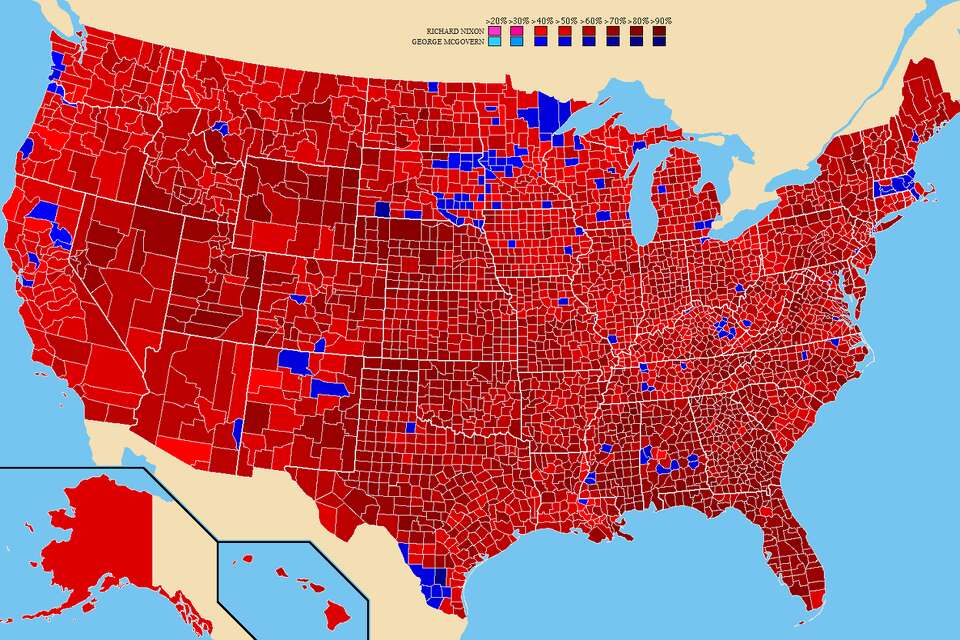
- Presidential Victories: California played a pivotal role in several presidential elections. The state’s electoral votes were crucial for Republican candidates, reflecting a broader national conservative trend. Figures like Richard Nixon, a native Californian, twice won the state en route to the presidency, solidifying its Republican credentials during his campaigns. His political career, deeply rooted in California politics, began with his election to the House of Representatives and later the Senate, representing the state.
- Gubernatorial Influence: On the state level, Republican governors left a lasting impact. Earl Warren, before his Supreme Court appointment, served as a popular Republican governor of California, initiating significant reforms and laying the groundwork for future development. Later, Ronald Reagan, who would go on to become a national Republican icon, served two terms as governor of California from 1967 to 1975. His governorship was characterized by fiscal conservatism and a firm stance on law and order, resonating with a significant portion of the California electorate. His popularity in the state was instrumental in his eventual rise to the presidency.
- Legislative Power: Beyond the executive branch, Republicans also held considerable sway in the state legislature. They were able to pass legislation reflecting their conservative principles, shaping the state’s development and policy for decades.
The Seeds of Change: Demographic and Economic Shifts
While the mid-20th century represented a period of strong Republican presence, the latter half of the century and the dawn of the 21st saw subtle yet significant shifts that began to alter the state’s political alignment. These changes were driven by a confluence of demographic, economic, and social factors that gradually reshaped the California electorate.
- In-Migration and Diversity: California has long been a magnet for people from across the country and the world. As the state’s population grew, so did its diversity. The influx of new residents, particularly from more liberal regions and with different cultural backgrounds, began to influence voting patterns. The growing Hispanic and Asian American populations, in particular, have increasingly leaned towards Democratic candidates.
- Urbanization and Economic Transformation: The state’s economy underwent significant transformations. The rise of the technology sector in Silicon Valley, the continued growth of entertainment industries in Los Angeles, and the expansion of international trade along its extensive coastline created new economic centers and a more complex economic landscape. Urban areas, in general, tend to be more progressive, and the rapid growth of California‘s major cities amplified this trend. This economic evolution also brought with it a shift in the workforce, with a greater emphasis on service industries and knowledge-based economies, often associated with more liberal political viewpoints.
- Social and Cultural Evolution: California has often been at the forefront of social change. Issues such as environmental protection, civil rights, LGBTQ+ rights, and social safety nets have gained increasing prominence and popular support. The Democratic party, with its platform often embracing these progressive causes, found a growing resonance with a significant segment of the California population.
The Modern Era: A Democratic Dominance
The turn of the millennium solidified a trend that had been building for decades: California‘s firm establishment as a reliably Democratic state. While Republican candidates still compete, their victories at the statewide level have become increasingly rare, marking a significant departure from its earlier political history.
Recent Statewide Elections: A Clear Trend
The outcomes of recent statewide elections paint a clear picture of the current political alignment in California. The Democratic party has consistently secured victories in races for governor, senator, and other key statewide offices. This dominance is not a recent phenomenon but rather a culmination of long-term demographic and ideological shifts.
- Gubernatorial Races: Since the late 1990s, California has elected Democratic governors. From Gray Davis to Gavin Newsom, the state has consistently chosen leaders who align with the party’s progressive agenda. These victories have often been by significant margins, indicating a broad mandate from the electorate.
- Senate Seats: The state’s two U.S. Senate seats have also been held by Democrats for an extended period. Elections for these powerful positions have seen Democrats win decisively, reflecting the party’s strong hold on California‘s federal representation.
- Legislative Control: The Democratic party enjoys supermajorities in both houses of the California State Legislature. This control allows them to shape legislation, set the state’s policy agenda, and effectively govern without significant opposition from Republican lawmakers. This legislative dominance is a testament to the party’s electoral success across the state.
The Electorate’s Identity: Progressive and Diverse
The current California electorate is characterized by its diversity and its embrace of progressive values. This identity is a key factor in the state’s enduring Democratic leanings.
- Demographic Strength: The growing influence of minority groups, particularly the Hispanic and Asian American communities, who tend to vote Democratic, is a significant demographic advantage for the party. The state’s large Latino population, in particular, has become a crucial voting bloc.
- Urban Powerhouses: The densely populated urban centers like Los Angeles and the San Francisco Bay Area are overwhelmingly Democratic. The sheer number of voters in these metropolitan areas heavily influences statewide election outcomes.
- Social Values: California‘s population generally expresses more liberal views on social issues, including environmental regulations, gun control, and social welfare programs. These values align closely with the platform of the Democratic party.
The Enduring Influence of Republicanism: A Nuanced Perspective
Despite the widespread perception of California as a liberal bastion, the Republican party continues to hold sway in certain regions and among specific demographics. Understanding these pockets of Republican support offers a more nuanced view of the state’s political tapestry.
Red Counties and Conservative strongholds
While statewide elections often tell a story of Democratic dominance, a closer look at county-level voting patterns reveals areas where the Republican party maintains a strong presence. These “red counties” are often characterized by distinct socio-economic and cultural attributes.
- Inland Empire and Rural Areas: Many of California‘s more rural and inland counties, particularly in the central valley and northern parts of the state, tend to lean Republican. These areas often have economies rooted in agriculture, resource extraction, or manufacturing, and their populations may hold more conservative social and economic values.
- Suburban Shifts: While suburbs have historically been a battleground, some of California‘s suburban areas, particularly those further from the core urban centers, can still exhibit competitive or even Republican-leaning tendencies, depending on specific local factors and the nature of the electorate.
- Demographic Pockets: Within diverse urban and suburban areas, there can still be significant Republican voter blocs, often concentrated among certain demographic groups or within specific communities that prioritize different political issues.
The Future of Republicanism in California
The Republican party in California faces considerable challenges in regaining statewide electoral dominance. However, strategic engagement, adaptation to evolving demographics, and a focus on specific policy areas could offer pathways for future influence.
- Messaging and Appeal: The party must find ways to connect with a broader range of California voters, including minority groups and younger generations, by addressing issues beyond traditional conservative tenets. A focus on affordability, economic opportunity, and pragmatic solutions could resonate more widely.
- Local Engagement: Continued strength at the local level, in city councils, county boards, and state legislative districts, can serve as a foundation for rebuilding broader support. Successful local governance can demonstrate effective leadership and policy implementation.
- Policy Innovation: Developing and promoting innovative policy solutions that address California‘s unique challenges – such as housing affordability, water management, and infrastructure – could help the Republican party regain relevance and appeal to a wider segment of the electorate.
In conclusion, while the question “When’s the last time California voted Republican?” at the statewide level points to a more distant past, the narrative of Republicanism in the Golden State is more complex than a simple electoral ledger. It is a story of historical influence, demographic evolution, and ongoing efforts to adapt to a perpetually changing political landscape.