
As an iconic destination renowned for its majestic Rocky Mountains, vibrant cities, and unparalleled outdoor adventures, Colorado consistently draws millions of visitors each year. From the adrenaline-pumping slopes of Vail and Aspen to the serene beauty of Rocky Mountain National Park and the bustling urban pulse of Denver, the Centennial State offers an incredible array of experiences. However, concerns about wildfires have become an increasingly frequent part of the conversation, particularly during warmer months. For those planning a trip, the question “Where are the Colorado wildfires?” is not just about geography, but about safety, travel logistics, and how to enjoy this spectacular state responsibly.

This guide aims to provide a clear perspective on the wildfire situation in Colorado from a traveler’s standpoint, helping you make informed decisions about your destinations, accommodations, and activities. We’ll delve into understanding the wildfire landscape, assessing potential travel impacts, and highlighting the many areas that remain safe and open for tourism, ensuring your Colorado adventure is both unforgettable and secure.
Understanding the Wildfire Landscape in Colorado
Wildfires are a natural, albeit often destructive, part of many ecosystems, especially in forested and arid regions like those found across vast swathes of Colorado. While headlines can paint a broad picture, it’s crucial for travelers to understand the localized nature of these events and how they might truly impact a planned vacation.
Current Wildfire Status: A Dynamic Picture
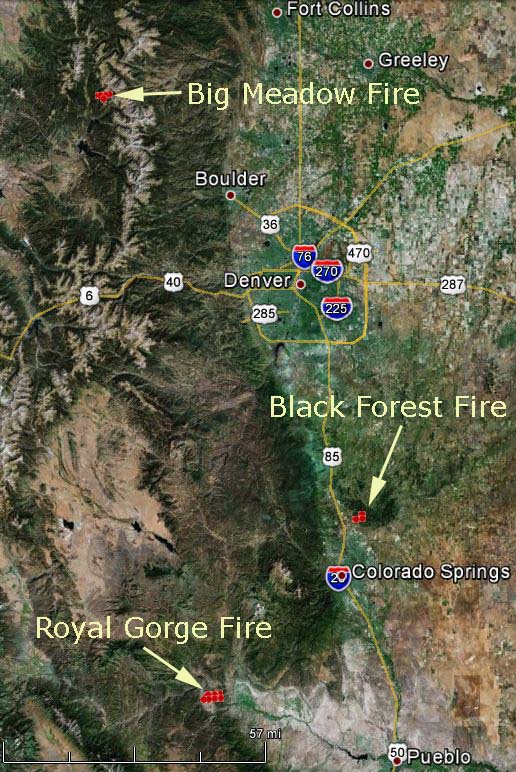
The situation with wildfires in Colorado is rarely static. It’s a dynamic environment influenced by weather patterns, drought conditions, and human activity. Most significant fires typically occur in more remote, heavily forested areas, particularly during the late spring, summer, and early fall. It’s important to remember that Colorado is a large state, and a fire burning in one region, such as a national forest in the southwest, may have absolutely no impact on travel plans to the Front Range cities or ski resorts in the central mountains.
Official sources are your best friend for real-time, accurate information. Agencies like the U.S. Forest Service, National Weather Service, and the Bureau of Land Management, alongside local fire departments and county emergency services, provide the most current data on active fires, containment efforts, and potential threats. Websites dedicated to wildfire tracking, often government-run, offer interactive maps showing precise locations. Staying informed means consulting these direct sources rather than relying solely on generalized news reports.
Key Regions and Their Typical Vulnerabilities
Certain parts of Colorado are more susceptible to wildfires due to vegetation, topography, and climate. The dense forests of the San Juan National Forest near Durango, the White River National Forest surrounding Vail and Aspen, and the areas around Estes Park and Rocky Mountain National Park are historically more prone to fires. These regions are characterized by vast expanses of pine, spruce, and fir trees, which can act as fuel during dry spells.
However, many popular tourist destinations, while nestled near these forests, have sophisticated fire mitigation strategies in place. Resorts like Breckenridge, Telluride, and Steamboat Springs are often buffered by open spaces, ski runs, and dedicated fire protection resources. Urban centers like Denver, Colorado Springs, and Boulder are generally far removed from major forest fires, though they can sometimes experience hazy skies from distant smoke plumes. Understanding these geographical nuances helps put the risk into perspective.
Travel Impacts and How to Stay Informed
While direct threats to life and property from wildfires are usually confined to specific, limited areas, the indirect impacts on travel can be more widespread. These can range from air quality issues to road closures and changes in activity availability. Being prepared and knowing where to find reliable information is key to a smooth trip.
Air Quality and Health Considerations
One of the most common and far-reaching effects of wildfires, even those located hundreds of miles away, is reduced air quality. Smoke contains particulate matter that can be harmful, particularly for individuals with respiratory conditions, the elderly, and young children. Air quality can fluctuate dramatically based on wind patterns and fire activity.
Before and during your trip, regularly check air quality indices (AQI) for your specific destination. Resources like AirNow.gov provide real-time data and health recommendations. If air quality is poor, consider limiting strenuous outdoor activities, especially during peak smoke hours. Many hotels, particularly luxury accommodations like The Ritz-Carlton, Denver or The Broadmoor in Colorado Springs, have excellent indoor air filtration systems, offering a comfortable retreat even if outside air quality is compromised. This allows you to still enjoy amenities such as fine dining, spa treatments, or indoor pools without concern.
Road and Park Closures
Wildfires can lead to immediate road closures to protect travelers and allow emergency services to operate safely. Major highways are often affected only if a fire directly threatens them, but smaller county roads and access points to national forests, state parks, and popular hiking trails can be closed without much notice.
Before heading out for a day trip or traversing mountain passes, always check road conditions. The Colorado Department of Transportation (CDOT) website is an invaluable resource for real-time updates on road closures, construction, and delays. Similarly, if your plans include visiting a national park like Rocky Mountain National Park or Mesa Verde National Park, consult the official National Park Service website for specific park alerts, trail closures, and fire restrictions. These sites will provide the most accurate information on whether iconic landmarks like Maroon Bells or the Garden of the Gods are accessible.
Booking Flexibility and Insurance
In the rare event that a wildfire significantly impacts your travel plans, having flexible bookings and travel insurance can be a lifesaver. When arranging your accommodation, whether it’s a suite at Hotel Jerome in Aspen or a cozy cabin near Winter Park, inquire about cancellation policies. Many hotels and resorts offer more flexible options during uncertain times.
Consider purchasing comprehensive travel insurance that covers trip interruptions or cancellations due to natural disasters. Read the policy carefully to understand what is covered, as specific conditions apply. This foresight can protect your investment and provide peace of mind, allowing you to adapt your itinerary if unforeseen circumstances arise.
Exploring Colorado Safely: Destinations Unaffected and Ready for Visitors
Despite the occasional wildfire, the vast majority of Colorado remains unaffected and welcoming to tourists. The state’s diverse geography means there are always incredible experiences to be had, even if one specific region is facing challenges.
Urban Escapes and Cultural Hubs
Colorado’s major cities are vibrant cultural hubs that are typically far removed from forest fire activity. Denver, the state capital, offers world-class dining, museums like the Denver Art Museum, shopping at Larimer Square, and unique stays at boutique hotels like The Crawford Hotel within Union Station. You can explore the Denver Botanic Gardens, catch a concert at Red Rocks Park and Amphitheatre, or attend an event at the Colorado Convention Center without concern for nearby wildfires.
Boulder, known for its bohemian spirit and proximity to the Flatirons, provides an energetic university town vibe with excellent breweries, farm-to-table restaurants, and the pedestrian-friendly Pearl Street Mall. Colorado Springs, nestled at the base of Pikes Peak, boasts attractions like the Cheyenne Mountain Zoo and the stunning Garden of the Gods, offering ample activities even if mountain trails higher up are temporarily impacted. Other cities like Fort Collins and Grand Junction also provide their own unique blend of attractions and culture, offering fantastic alternative destinations for your itinerary.
Resilient Mountain Resorts and Activities
Many of Colorado’s famed mountain resorts are designed for year-round tourism and often have extensive infrastructure for fire prevention and emergency response. In the summer months, destinations like Vail, Aspen, Breckenridge, and Keystone Resort transform into havens for hiking, mountain biking, fishing, and cultural festivals. While specific trails within adjacent national forests like the Arapaho National Forest or Pike National Forest might experience temporary closures, the resorts themselves, and many of their core attractions, typically remain open.
Upscale accommodations such as The Little Nell in Aspen or Glenwood Hot Springs Resort offer luxurious retreats where you can unwind regardless of external conditions. Activities like gondola rides, golf courses, and resort-based events usually proceed as planned. Always check resort-specific websites for the latest operational updates. Even if some high-country routes in the Gore Range or Mosquito Range are inaccessible, there are countless other activities to enjoy. In Summit County, for example, attractions like Copper Mountain or the towns of Frisco and Dillon offer lake activities and scenic drives.
High Desert and Eastern Plains Adventures
For a completely different Colorado experience, consider the high desert landscapes of the Colorado Plateau or the sprawling Eastern Plains. These regions are often far less impacted by forest fires due to their drier, less forested environments.
In the southwest, explore Mesa Verde National Park, a UNESCO World Heritage Site famous for its Ancestral Puebloan cliff dwellings, offering a profound historical journey. Further east, Great Sand Dunes National Park and Preserve presents a surreal landscape of towering dunes, perfect for sandboarding and stargazing. The dramatic chasms of Black Canyon of the Gunnison National Park also offer breathtaking views and opportunities for hiking and rafting in a distinct environment. These areas provide unique natural beauty and cultural insights, often acting as excellent alternatives when conditions in the forested mountains are challenging. Even a visit to the Royal Gorge Bridge and Park offers stunning views in a less fire-prone ecosystem.
Responsible Tourism in Fire-Prone Regions
As visitors to Colorado’s stunning natural areas, we all share a responsibility to protect these environments, especially in fire-prone regions. Embracing responsible tourism practices is not only ethical but ensures these majestic landscapes remain for future generations.
Fire Safety Practices for Travelers
Awareness and adherence to fire safety regulations are paramount.
- Campfire Restrictions: Always check current fire restrictions before planning a campfire or using portable stoves. During dry periods, fire bans are common in national forests (like the Gunnison National Forest or San Isabel National Forest) and state parks. If campfires are permitted, ensure they are completely extinguished – cold to the touch – before leaving.
- Vehicle Safety: Be mindful of where you park. Hot catalytic converters can ignite dry grass. Stick to designated parking areas.
- Smoking: If you smoke, do so only in cleared areas and dispose of butts properly in an ash receptacle. Never toss a cigarette out a car window.
- Leave No Trace Principles: Beyond fire safety, practice the seven principles of Leave No Trace. Pack out everything you pack in, stay on designated trails, and respect wildlife. These practices help preserve the natural beauty and reduce human-caused impacts that could exacerbate fire risks.
Supporting Local Communities
Tourism is a vital economic driver for many Colorado communities. When an area experiences a wildfire, the local economy, particularly small businesses and hospitality services, can be significantly affected, even if the town itself is spared. By continuing to visit and spend responsibly in safe areas, you directly support these communities. Choose local accommodations, dine at local restaurants, and purchase from local shops. Your tourism dollars contribute to the resilience and recovery efforts, helping to sustain the very destinations you love to visit. When traveling through areas that have experienced fires in the past, understanding that recovery is a long process and showing support is always appreciated.

Colorado Awaits: A State of Diverse Experiences
Ultimately, Colorado remains an extraordinary travel destination, offering an unparalleled blend of natural beauty, outdoor adventure, and vibrant culture. While the question “Where are the Colorado wildfires?” is a valid one, the answer is rarely a reason to postpone your entire trip. Instead, it’s an invitation to be a well-informed, flexible, and responsible traveler.
By staying updated with official information, understanding geographical nuances, and practicing fire safety, you can confidently plan a memorable experience. Whether you seek the bustling energy of Denver, the luxurious slopes of Telluride and Purgatory Resort, the serenity of a high-desert national park, or a family adventure in Glenwood Springs, Colorado offers a wealth of opportunities. Embrace the spirit of adventure, plan smartly, and prepare to be captivated by the majesty of the Centennial State.
LifeOutOfTheBox is a participant in the Amazon Services LLC Associates Program, an affiliate advertising program designed to provide a means for sites to earn advertising fees by advertising and linking to Amazon.com. Amazon, the Amazon logo, AmazonSupply, and the AmazonSupply logo are trademarks of Amazon.com, Inc. or its affiliates. As an Amazon Associate we earn affiliate commissions from qualifying purchases.