
For travelers eyeing the picturesque landscapes, vibrant cities, and serene natural escapes of Northern California, the question of “Where are the fires in Northern California?” has unfortunately become a regular and pressing concern. While the region is celebrated for its diverse attractions – from the towering redwoods and rugged coastline to world-renowned wine regions and majestic mountains – it also contends with a wildfire season that can significantly impact travel plans, air quality, and access to certain destinations. This article aims to provide a comprehensive guide for visitors, offering insights into understanding wildfires, navigating potential impacts on your trip, and ensuring a safe and memorable experience when exploring this extraordinary part of California.
Understanding the fire landscape is crucial for any discerning traveler. It’s not just about current fires, but also about the general preparedness, the resilience of local communities, and how to make informed decisions that align with sustainable and responsible tourism. From luxury resorts to charming boutique hotels, and from bustling city breaks to tranquil natural retreats, Northern California offers an unparalleled array of experiences. Our goal is to help you enjoy them fully, even with the added consideration of wildfire season.
Understanding Wildfires in Northern California: A Seasonal Reality
Wildfires are a natural, albeit increasingly intense, part of the ecosystem in Northern California. Fueled by a combination of drought, high temperatures, strong winds, and an accumulation of dry vegetation, fire season typically runs from late spring through late fall, often peaking in August, September, and October. While fires can occur anywhere, certain regions are historically more susceptible, particularly areas with dense forests, chaparral, and those bordering urban-wildland interfaces.
It’s important to differentiate between active fires and the broader impact of smoke. Even if a fire is miles away from your intended destination, smoke can travel hundreds of miles, affecting air quality in popular tourist areas like the San Francisco Bay Area, Napa Valley, and Lake Tahoe. This can impact outdoor activities, from wine tasting tours to hiking in national parks, and even lead to temporary closures of attractions or cancellation of events.
The natural beauty of Northern California is intrinsically linked to its diverse ecosystems, many of which are adapted to fire. However, climate change has exacerbated conditions, leading to larger, more destructive, and less predictable fires. For travelers, this means vigilance and flexibility are key components of planning a trip during these months.
The Impact on Travel and Tourism: Navigating Safety and Experience
Wildfires can introduce a layer of complexity to travel planning. Potential impacts include:
- Road Closures: Major arteries like portions of Highway 1 or Interstate 5, as well as smaller scenic routes, may be closed for safety or to facilitate emergency access. This can necessitate significant detours and lengthen travel times.
- Park and Attraction Closures: National and State Parks, such as Yosemite National Park or sections of Redwood National Park, may close temporarily or partially to protect visitors and allow emergency services to operate.
- Air Quality: Smoke, even from distant fires, can degrade air quality to unhealthy levels. This is a primary concern for travelers with respiratory conditions and can generally diminish the enjoyment of outdoor activities. Websites like AirNow provide real-time air quality information.
- Evacuation Orders: In extreme cases, towns or specific areas may be under evacuation orders, directly affecting accommodations and local services.
- Cancellation Policies: Hotels, resorts, and tour operators may adjust their cancellation policies during fire emergencies, or travelers may need to utilize travel insurance.
Despite these challenges, the vast majority of Northern California remains open and welcoming to visitors, even during fire season. The key is knowing how to stay informed, adapt your plans, and prioritize safety. The resilience of the tourism industry and local communities is remarkable, and many businesses implement strategies to continue operating safely and providing excellent guest experiences.
Key Regions Affected and Safe Travel Planning
When planning your journey, it’s helpful to understand which regions have historically experienced significant fire activity. Areas prone to fires often include the inland mountain ranges, such as the Sierra Nevada, the Shasta Cascade region (around Redding and Mount Shasta), and parts of the Wine Country (Napa Valley and Sonoma County), particularly their eastern, drier edges. Even metropolitan areas like Sacramento and Santa Rosa can be impacted by smoke or direct fire threats, especially in their surrounding wildland areas.
Responsible travel in Northern California during fire season emphasizes preparedness and flexibility. This means having contingency plans, staying agile with your itinerary, and always putting safety first.
Monitoring Fire Incidents and Air Quality: Essential Resources
Staying informed is your best defense against unexpected disruptions. Before and during your trip, make use of official and reliable resources:
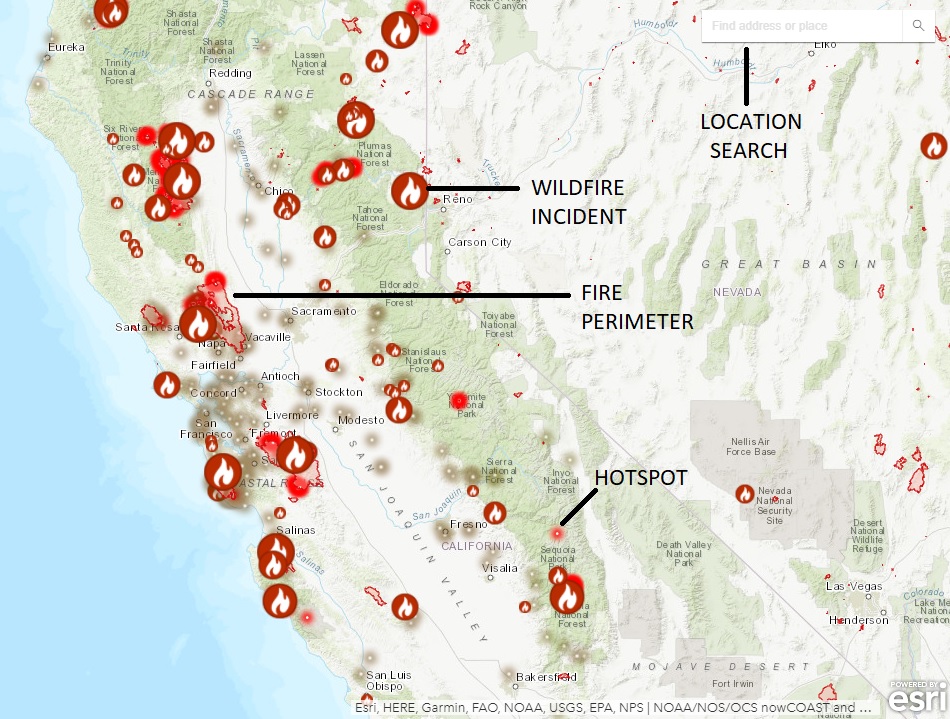
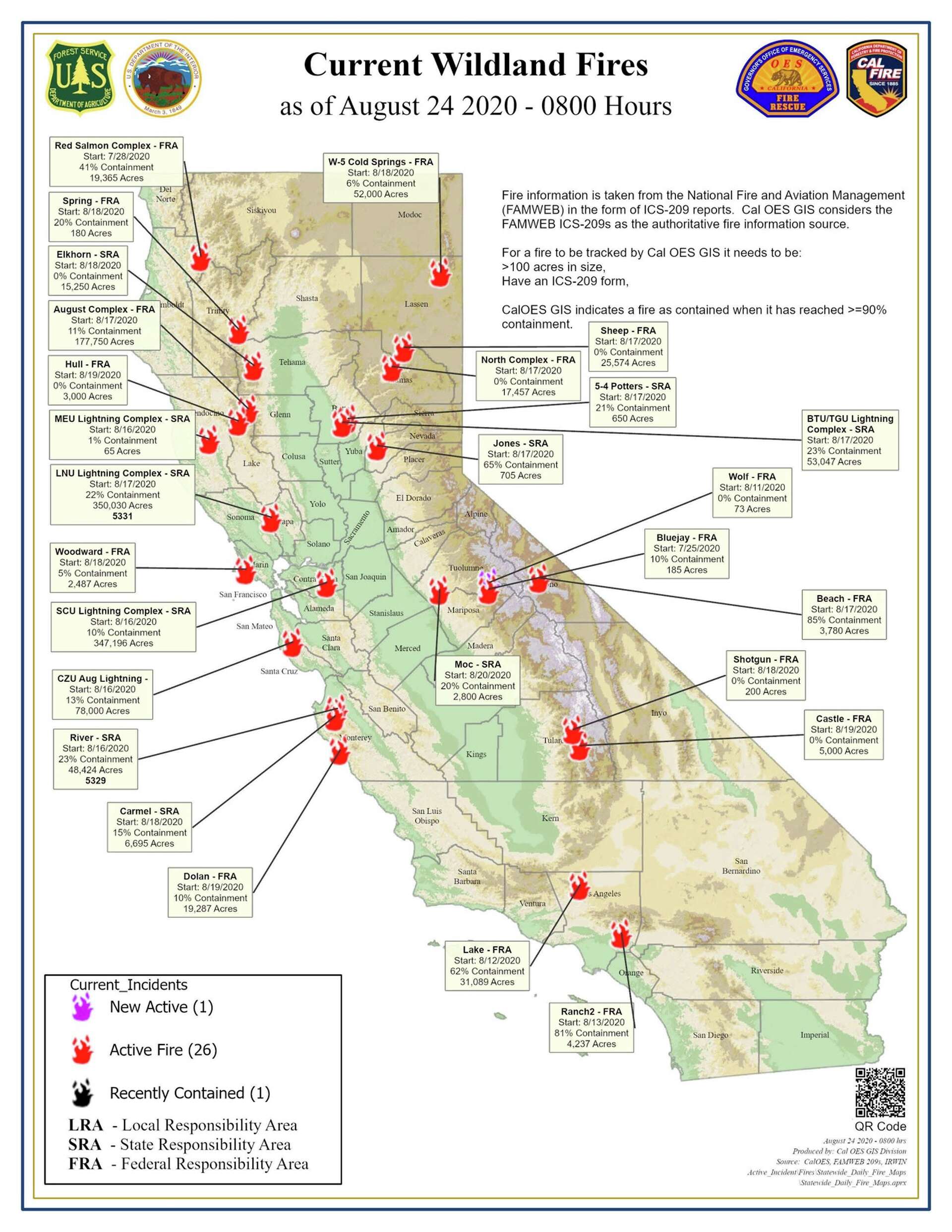
- CAL FIRE Incident Map: This is the primary source for current fire information in California. Their website provides an interactive map showing active fires, their containment status, and evacuation orders.
- AirNow: For real-time air quality information, AirNow offers a comprehensive map showing the Air Quality Index (AQI) across the United States. This is vital for planning outdoor activities.
- Local Emergency Services: Check websites for county sheriffs, city emergency services, and local park agencies in your specific destination for hyper-local updates.
- National Weather Service (NWS): The NWS issues red flag warnings for critical fire weather conditions, indicating times of high fire danger.
- Road Conditions: Caltrans (the California Department of Transportation) provides live updates on road closures and traffic incidents.
Before departing, review your travel insurance policy to understand coverage for fire-related cancellations or interruptions. Consider booking accommodations and activities with flexible cancellation policies, especially if traveling during peak fire season.
Rethinking Your Itinerary: Exploring Alternative Destinations
Should your initial plans be impacted by fires or poor air quality, Northern California offers an abundance of alternatives. If inland areas are affected, consider shifting to coastal regions, which often benefit from ocean breezes and clearer air.
- Coastal Escapes: The Mendocino Coast offers charming towns like Mendocino and Fort Bragg, with rugged cliffs, sea glass beaches, and excellent seafood. Further south, the iconic beauty of Big Sur (though technically Central California, often part of Northern California road trips) and the charming towns of Monterey and Carmel-by-the-Sea provide stunning scenery and a wealth of activities.
- Urban Adventures: San Francisco and Oakland offer world-class museums, culinary experiences, and iconic landmarks like the Golden Gate Bridge, Alcatraz Island, Pier 39, and Fisherman’s Wharf. These cities are less directly impacted by wildfires, though smoke can still be a factor in air quality.
- Northern Sierras (with caution): If other parts of the Sierra Nevada are clear, destinations around Lake Tahoe can still be breathtaking. Always check current conditions meticulously before heading to any forested mountain region.
- Wine Country Resilience: While some Wine Country areas have been hit hard, many wineries and towns in Napa Valley and Sonoma County are incredibly resilient. Places like Healdsburg and St. Helena continue to offer exquisite tasting experiences, often with a focus on indoor activities during smoky periods. Check individual winery websites for their operational status.
Accommodation and Lifestyle Considerations Amidst Fire Season
The choice of accommodation and understanding local lifestyle are integral to a successful trip, especially during wildfire season. Northern California boasts an incredible range of lodging options, from lavish five-star resorts to cozy vacation rentals, each with its own approach to guest safety and comfort during potential emergencies.
Luxury travelers might find peace of mind at establishments like Auberge du Soleil in Napa Valley or The Ritz-Carlton, Lake Tahoe, which often have robust emergency protocols, backup power, and filtered air systems to maintain a comfortable indoor environment. Budget-conscious travelers and those opting for long-term stays in apartments or villas should inquire about specific safety features, evacuation plans, and cancellation policies.
Choosing Fire-Resilient Stays and Sustainable Tourism
When selecting your accommodation, consider properties that emphasize fire safety and sustainability. Many modern hotels and resorts in fire-prone areas have invested in fire-resistant construction, defensible space around their perimeters, and advanced air filtration systems. Inquire about these features when booking.
Sustainable tourism practices also play a vital role. By supporting businesses that are committed to environmental stewardship and community resilience, you contribute to a stronger, more prepared region. Look for hotels that minimize their environmental footprint, source local products, and participate in community recovery efforts if an area has been impacted. This aligns with a lifestyle of responsible travel, where your choices positively impact the destinations you visit.
Supporting Local Communities: Responsible Travel Practices
If you choose to visit Northern California during or after a fire event, your presence can be a significant boost to local economies. Tourism is a lifeline for many communities, and your patronage helps them rebuild and recover.
- Spend Locally: Dine at local restaurants, shop at independent boutiques, and book tours with local operators.
- Be Mindful: Adhere to all fire safety regulations, including burn bans and restrictions on campfires. Be extra cautious with anything that could spark a flame.
- Respect Nature: Stay on marked trails, pack out all your trash, and leave no trace. This helps preserve the natural beauty and reduces fire risks.
- Stay Informed Locally: Engage with hotel staff and locals for the most up-to-date information on conditions and safe areas to visit. They are an invaluable resource for experiencing the local culture safely and authentically.
Visiting areas like the Redding Civic Auditorium for events or exploring the stunning Burney Falls near Mount Shasta when conditions are safe helps maintain the vibrant tourism economy of regions that depend on it.
Experiencing Northern California Beyond the Fire Season
While wildfires are a seasonal concern, they do not define the entire Northern California experience. Planning your visit outside the typical peak fire season (e.g., in late spring or early summer, or late fall and winter) can offer cooler temperatures, lush landscapes, and significantly reduced fire risk. Each season presents a unique charm, from vibrant spring wildflowers to snow-capped winter peaks.
For example, winter transforms Lake Tahoe into a premier skiing and snowboarding destination, and the coastal regions remain temperate and inviting for storm-watching or cozy retreats. Spring brings blooming vineyards to Napa Valley and Sonoma, and rushing waterfalls in Yosemite National Park. These periods often allow travelers to fully immerse themselves in the region’s outdoor attractions without the added stress of wildfire concerns.
Discovering Northern California’s Enduring Allure
Northern California’s appeal is enduring, regardless of the challenges it faces. Its landmarks, attractions, and unique lifestyle continue to draw visitors year-round.
- Iconic Cityscapes: San Francisco remains a bucket-list destination, with its cable cars, vibrant neighborhoods, and the architectural marvel of the Golden Gate Bridge. Explore the historic Alcatraz Island, stroll through Fisherman’s Wharf, or enjoy the lively atmosphere of Pier 39.
- Natural Wonders: Marvel at the ancient giants of Muir Woods National Monument near Sausalito, explore the dramatic cliffs and hidden beaches of the Mendocino Coast, or hike through the diverse ecosystems of Bothe-Napa Valley State Park. The pristine waters of Shasta Lake also offer countless recreational activities.
- World-Class Wine and Cuisine: The Wine Country experience, encompassing Napa Valley and Sonoma County, offers not just tastings but also gourmet dining, spa treatments, and stunning vineyard views that are accessible for much of the year.
- Mountain Majesty: Beyond fires, the Sierra Nevada mountains, including the majestic Mount Shasta and the pristine Lake Tahoe, offer skiing, hiking, and unparalleled natural beauty.
In conclusion, while the question “Where are the fires in Northern California?” is a valid and important consideration for travelers, it shouldn’t deter you from experiencing the incredible offerings of this region. With careful planning, reliance on accurate information, and a commitment to responsible travel, you can enjoy a safe, enriching, and unforgettable journey through Northern California’s diverse landscapes and vibrant communities. The region’s spirit of resilience and its commitment to welcoming visitors shine through, inviting you to discover its treasures in all seasons.
LifeOutOfTheBox is a participant in the Amazon Services LLC Associates Program, an affiliate advertising program designed to provide a means for sites to earn advertising fees by advertising and linking to Amazon.com. Amazon, the Amazon logo, AmazonSupply, and the AmazonSupply logo are trademarks of Amazon.com, Inc. or its affiliates. As an Amazon Associate we earn affiliate commissions from qualifying purchases.