
For many, the mention of Oregon evokes images of lush evergreen forests, rugged coastlines, and vibrant cities. It’s a land of unparalleled natural beauty, drawing travelers from across the globe to explore its diverse landscapes, from the volcanic peaks of the Cascade Mountains to the high desert of Eastern Oregon. However, like much of the Pacific Northwest and the broader United States, Oregon also experiences a challenging wildfire season, typically spanning from late summer into early autumn. Understanding the current fire situation is paramount for any visitor planning an adventure to this magnificent state. This comprehensive guide aims to provide travelers with essential insights into Oregon’s wildfire landscape, offering advice on how to stay safe, informed, and how to continue enjoying the myriad of experiences Oregon has to offer, even during periods of increased fire activity.
Our goal is not to deter travel, but to empower you with the knowledge needed to make informed decisions, adapt your itineraries, and ultimately, have a safe and memorable trip. We’ll delve into the typical patterns of these events, point to reliable resources for real-time updates, and suggest ways to responsibly navigate your Oregon adventure while prioritizing personal safety and supporting local tourism. Whether you’re considering a stay in a cozy boutique hotel in the Willamette Valley, a thrilling hike near Bend, or a relaxing retreat along the Oregon Coast, preparation is key to a rewarding experience.
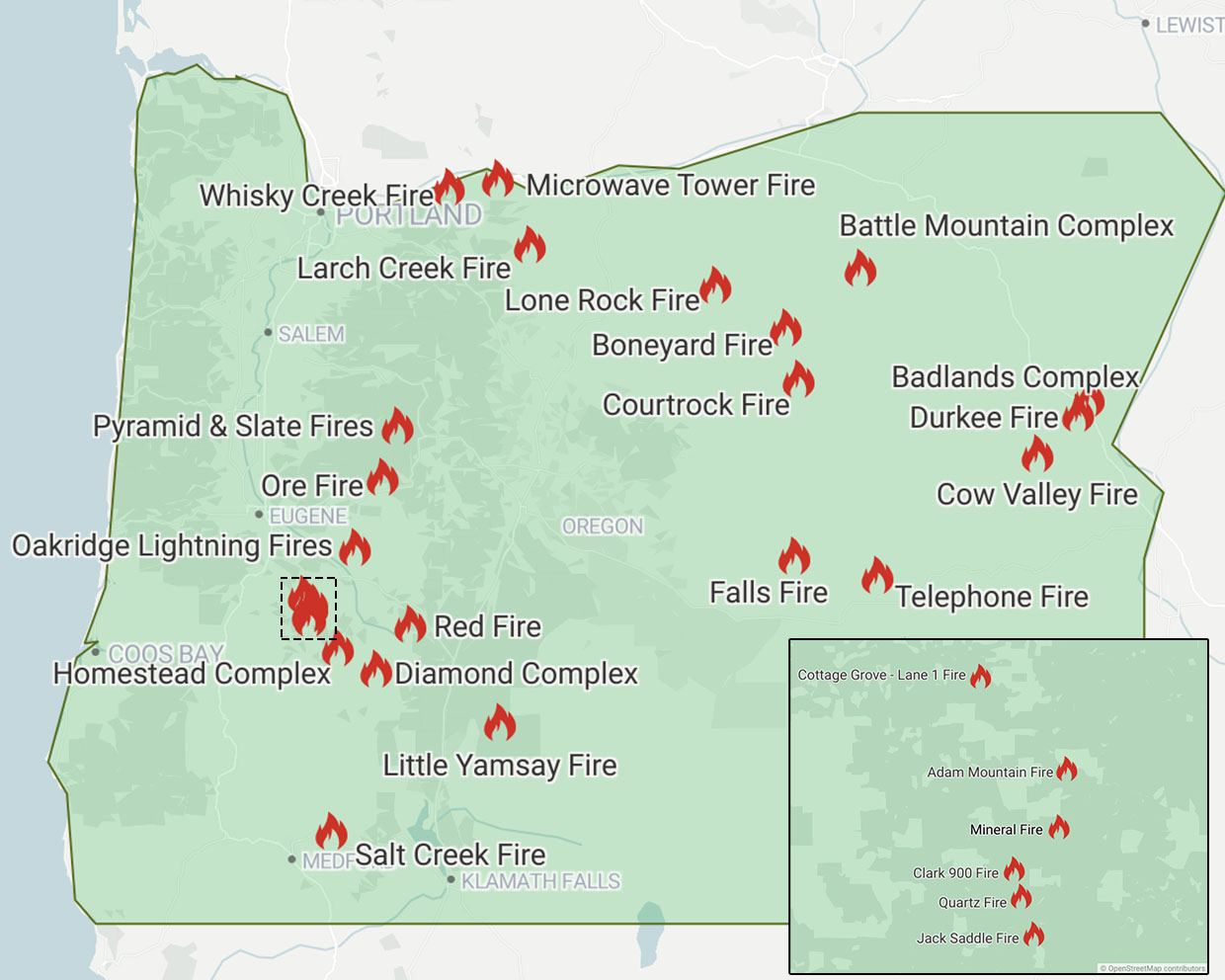
Understanding Oregon’s Wildfire Landscape and Its Impact on Travel
Wildfires are a natural, albeit sometimes devastating, part of many ecosystems, and Oregon is no exception. While they can create breathtaking scenery in their aftermath, their immediate presence poses significant concerns for air quality, outdoor activities, and access to certain destinations. For travelers, understanding the dynamics of these fires is the first step toward a well-planned trip.
The Seasonal Nature of Oregon Wildfires
Oregon’s fire season is typically defined by its dry, hot summers, often exacerbated by persistent drought conditions and strong winds. It usually begins in July, peaks in August and September, and can sometimes extend into October. During this period, the state’s abundant forests, particularly in the central and southern regions, become susceptible to ignition from lightning strikes or human activity. While the fire season is a known annual occurrence, its intensity and geographical spread vary significantly year by year. This means that a quiet fire season can present minimal disruption, while a severe one requires careful monitoring and flexible travel plans. Knowing the historical patterns can help in planning the best time for your visit, perhaps favoring early summer or late spring to avoid the peak season altogether, especially if your itinerary heavily involves back-country exploration or high-altitude hiking.

Key Regions Affected: A Traveler’s Guide to Navigating Fire Zones
When fires do occur, they often concentrate in specific areas, though smoke can travel much further. Historically, central, southern, and eastern Oregon, as well as the mountainous regions of the Cascades, are more prone to large-scale incidents. Iconic natural landmarks and popular recreation areas such as Crater Lake National Park, the Columbia River Gorge, Willamette National Forest, Deschutes National Forest, and the Rogue Valley have all seen significant fire activity in recent years.
For instance, areas around Ashland and Medford in Southern Oregon, known for their wineries and Shakespeare Festival, can be impacted. Similarly, the vast wilderness of the Mount Hood National Forest, a haven for winter sports and summer hiking, has also faced threats. It’s crucial to understand that a fire in one part of the state does not necessarily mean the entire state is affected. The coastal towns like Cannon Beach, Newport, and Astoria, for example, often remain clear of direct fire impacts, though they might experience distant smoke haze. When planning your accommodations, consider if your chosen resort or apartment is within or near historically affected areas, and always check for the latest information.
Air Quality and Health Considerations for Visitors
One of the most widespread impacts of wildfires, even those far away, is the degradation of air quality due to smoke. Smoke plumes can travel hundreds of miles, affecting areas not directly threatened by fire. For travelers, especially those with respiratory conditions, the elderly, or young children, this is a significant health concern. Poor air quality can necessitate changes to outdoor activity plans, from foregoing strenuous hikes to simply staying indoors more often. Many hotels and resorts in affected areas will have air filtration systems, but it’s always wise to check current air quality indexes. Resources like AirNow.gov provide real-time, localized air quality data, which is invaluable for deciding whether to proceed with outdoor plans or seek alternative indoor attractions. Remember, your lifestyle choices while traveling should always prioritize health and safety.
Prioritizing Safety: Essential Tips for Traveling in Oregon During Fire Season
Traveling through Oregon during fire season requires a heightened sense of awareness and preparedness. It’s not about canceling your trip entirely, but rather about being agile, informed, and responsible. Here are vital tips to ensure your safety and minimize disruptions.
Staying Informed: Reliable Resources for Fire Updates
The most critical aspect of traveling safely during fire season is access to accurate, up-to-the-minute information. Do not rely on social media rumors or outdated news reports. Instead, bookmark and regularly consult official sources:
- Oregon Department of Forestry (ODF): ODF is the primary state agency responsible for fire suppression and information. Their website provides maps, incident reports, and public use restrictions.
- InciWeb: This is a national incident information system for large-scale wildfires, providing detailed information on specific fires, including size, containment, resources, and closures. It’s an indispensable tool for understanding the scope of major incidents.
- Local County Sheriffs and Emergency Management Agencies: For localized evacuation notices and road closures, these are the most accurate sources.
- National Weather Service (NWS): The NWS provides weather forecasts, red flag warnings (indicating critical fire weather conditions), and air quality alerts.
- Oregon State Parks and National Forest Service websites: If your travel involves specific parks or forests (e.g., Siskiyou National Forest, Klamath National Forest, Rogue River-Siskiyou National Forest), check their dedicated pages for closures, fire bans, and recreation site status.
Always check these sources daily, or even several times a day, especially if you are in or near an affected area. Planning your trip with flexible booking options for your accommodation can also provide peace of mind.
Evacuation Preparedness and Emergency Protocols
While the vast majority of Oregon remains unaffected by direct fire threats, it’s imperative to understand what to do in the unlikely event of an evacuation. Familiarize yourself with the “Level 1 (Be Ready), Level 2 (Be Set), Level 3 (Go Now)” evacuation system used in Oregon. When checking into hotels or other accommodations, ask about their emergency procedures and potential evacuation routes. Keep your travel documents, medications, and essential personal items easily accessible in a “go bag.” If you are camping or staying in more remote areas, ensure your vehicle is fueled, and you have multiple escape routes planned. Being prepared is a hallmark of responsible travel and significantly enhances your safety.
Road Closures and Travel Disruptions
Wildfires can lead to sudden and extensive road closures, impacting travel plans and potentially stranding visitors. These closures are implemented for public safety, to allow firefighters to operate effectively, and to prevent traffic from entering hazardous zones. Rely on the official Oregon Department of Transportation (ODOT) website for current road conditions and closures. Apps like Waze or Google Maps can also provide real-time traffic updates, but always cross-reference with official state sources. Before embarking on a drive, especially if you’re venturing into more remote or mountainous regions, verify that your intended routes are open and safe. Flexible itineraries that allow for alternate routes or even overnight stays in different towns, such as Tillamook or Corvallis, are advisable during fire season.
Navigating Your Oregon Adventure: Where to Go (and Where to Reconsider)
Even during fire season, much of Oregon remains open and welcoming to visitors. The key is to be strategic in your planning, choosing destinations that are less susceptible to fire activity or adjusting your activities to account for air quality.
Alternative Destinations and Unaffected Regions
The Oregon Coast is a prime example of an area typically less impacted by wildfires due to its cooler, moister climate. Its iconic lighthouses, charming coastal towns, and vast beaches offer a refreshing alternative to inland forests. You can explore tide pools, go whale watching, or enjoy fresh seafood without direct fire concerns. Similarly, the fertile Willamette Valley, known for its world-class wineries and picturesque farmlands, often remains unaffected by fires and can be an excellent choice for a culinary or cultural escape. Portland, Oregon’s largest city, while it might experience smoke from distant fires, generally offers a plethora of indoor and urban attractions, from museums and culinary tours to vibrant nightlife, making it a viable base for exploring. Additionally, the far reaches of Eastern Oregon, with its vast desert landscapes and unique geological formations, may offer fire-free experiences, though checking local conditions is always necessary.
Supporting Local Tourism Responsibly
When fires do affect areas, local businesses—hotels, restaurants, tour operators, and shops—suffer significantly from decreased tourism. If you find yourself in an unaffected region or decide to visit Oregon during fire season, consider how your travel can responsibly support the local economy. Patronize local establishments, buy local products, and if you have to cancel a trip to an affected area, consider rebooking for a later date rather than canceling entirely. Many businesses, from charming bed and breakfasts to luxury resorts, depend heavily on tourism, and your conscious choices can make a difference in their recovery and resilience. Engendering a sense of community support through your travel lifestyle can be a truly enriching experience.
Adapting Your Itinerary: Hotels, Accommodation, and Activity Adjustments
Flexibility is your best friend when traveling during fire season. If a wildfire flares up near your intended destination, be prepared to adjust your plans. This might mean:
- Changing Accommodation: If your booked hotel or resort is in an evacuation zone, or if air quality makes your stay unpleasant, research alternative accommodations in unaffected areas. Many booking platforms offer flexible cancellation policies, which are worth considering when booking during this time.
- Modifying Outdoor Activities: Instead of strenuous hiking, opt for less demanding activities or switch to indoor attractions like museums, art galleries, or breweries. Many cities and towns offer rich cultural experiences that are immune to outdoor conditions.
- Exploring Indoor Landmarks: Even if some natural landmarks are inaccessible, explore historical sites, architectural marvels, or unique shopping districts. Portland’s famous bookstores or Ashland’s theaters offer engaging alternatives.
- Leveraging Travel Insurance: Investigate travel insurance policies that cover disruptions due to natural disasters like wildfires. This can provide financial protection for non-refundable bookings and unforeseen expenses.
The Long-Term Impact: Oregon’s Resilience and Future Travel
While wildfires present immediate challenges, it’s also important to acknowledge Oregon’s resilience and the long-term perspective on its natural landscapes. The state, its communities, and its ecosystems are continually adapting and recovering.
Restoration Efforts and Sustainable Tourism
Following significant fire events, extensive restoration efforts are undertaken to help forests and affected areas regenerate. These efforts often include reforestation, erosion control, and habitat restoration. As a traveler, you can indirectly support these initiatives by adhering to Leave No Trace principles, respecting closures, and contributing to organizations focused on conservation. Sustainable tourism practices are more vital than ever, encouraging visitors to minimize their environmental footprint and engage with local communities in a way that promotes long-term health and prosperity. Understanding the cycle of disturbance and renewal is part of appreciating the dynamic beauty of Oregon’s natural landmarks.
Planning Future Trips to Oregon’s Regenerating Landscapes
Even areas that have experienced fires can become compelling destinations in the years that follow. Visiting regenerating landscapes offers a unique perspective on ecological recovery and the power of nature. While immediate post-fire areas might be closed for safety and restoration, over time, trails reopen, and new growth emerges, creating different, yet equally beautiful, environments. Consider planning future trips to revisit areas impacted by fire, observing their transformation and appreciating the state’s enduring natural heritage. The beauty of places like the Columbia River Gorge, after its devastating fires, is a testament to nature’s ability to bounce back, making these destinations even more meaningful for discerning travelers.
Travel Insurance and Flexible Booking Options
Finally, a key component of a robust travel lifestyle, especially when visiting areas prone to seasonal natural events, is smart planning regarding bookings and insurance. Always review the cancellation policies of hotels, vacation rentals, and tour operators. Opt for accommodations that offer free cancellation up to a certain point. Investing in comprehensive travel insurance that covers disruptions due to wildfires or mandatory evacuations can provide invaluable peace of mind. Before purchasing, carefully read the terms and conditions to ensure it meets your specific needs. This foresight allows you to adapt to changing conditions without incurring significant financial losses, making your Oregon adventures less stressful and more enjoyable, regardless of what the fire season brings.
In conclusion, while wildfires are a significant consideration when planning a trip to Oregon, they do not diminish the state’s appeal. By staying informed, prioritizing safety, and adopting a flexible mindset, travelers can continue to explore and enjoy the unparalleled beauty and unique experiences that Oregon offers. From the vibrant culture of Portland to the serene shores of the Oregon Coast, countless adventures await, even during fire season, for those who travel wisely and responsibly.