
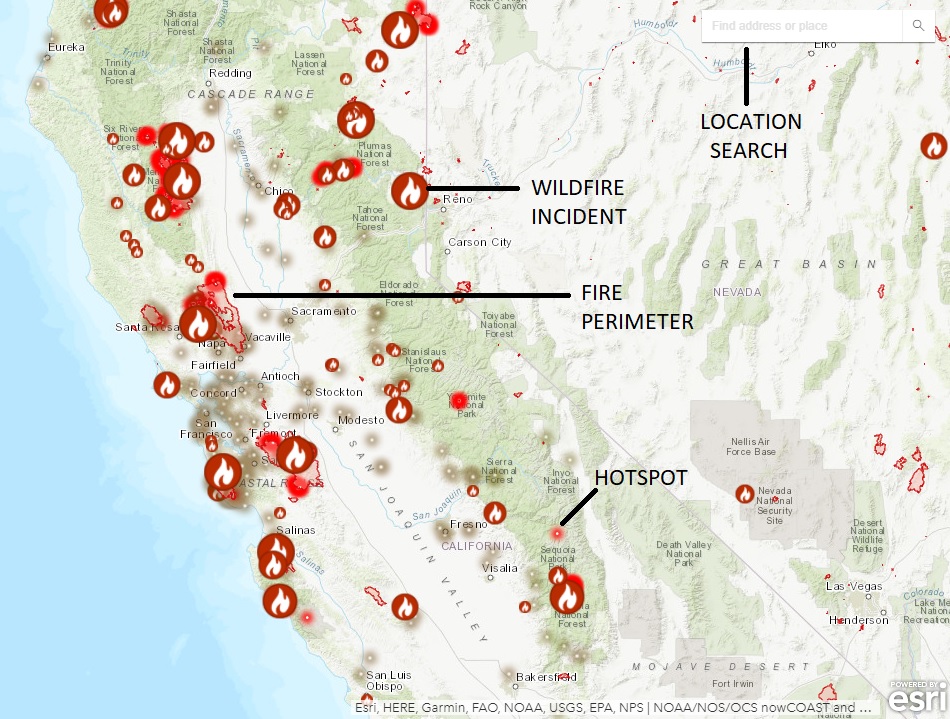
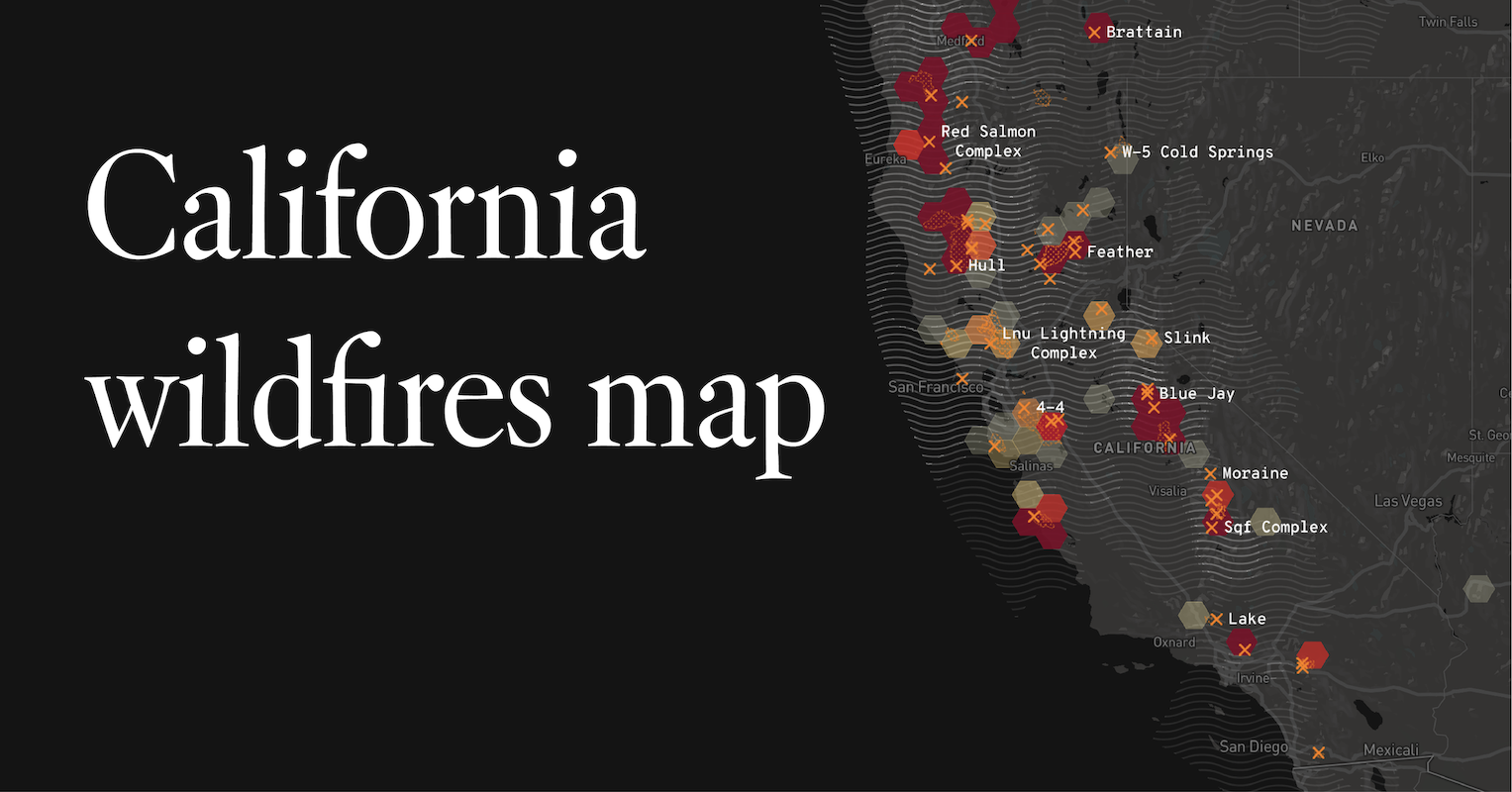
California, a land of unparalleled natural beauty and vibrant cultural experiences, attracts millions of visitors each year. From its sun-drenched beaches and majestic redwood forests to its bustling cities and serene deserts, the Golden State offers an incredible array of destinations and attractions. However, a recurring natural phenomenon that can impact travel plans, particularly during certain seasons, is the prevalence of wildfires. For travelers planning a trip, understanding the current wildfire situation and how to navigate it responsibly is crucial for a safe and enjoyable experience. This guide aims to provide clarity and practical advice for those wondering “Where are the fires now in California?” from a traveler’s perspective, integrating insights into travel planning, accommodation, and responsible tourism.
Understanding California’s Wildfire Landscape for Travelers
Wildfires are a natural part of California’s ecosystem, especially after years of drought and an accumulation of dry vegetation. While they can be devastating for local communities and ecosystems, their impact on travelers can often be mitigated with proper planning and awareness. It’s essential to distinguish between a fire event and a widespread threat to all travel across the state.
The Seasonal Nature of Wildfires and Their Impact on Destinations
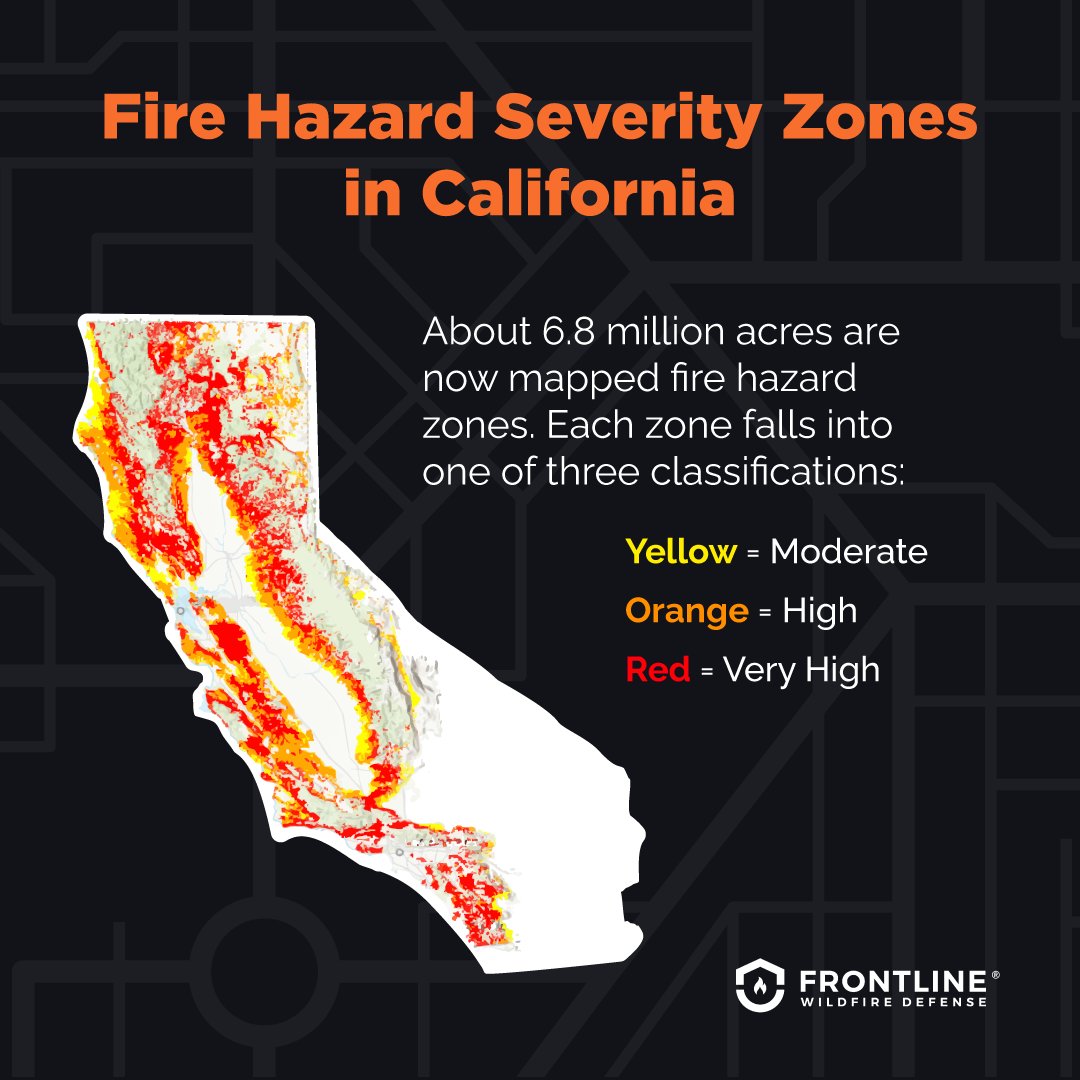
California’s wildfire season typically runs from late spring through late fall, often peaking in the hot, dry months of summer and early autumn. Factors like high temperatures, low humidity, strong winds (such as the Santa Ana winds in Southern California or Diablo winds in Northern California), and an abundance of dry fuel contribute to their spread. Regions most susceptible include the state’s vast forested areas, chaparral-covered hillsides, and wildland-urban interface zones.
The immediate impacts on travel can include road closures, evacuation orders for specific areas, and the closure of national and state parks, forests, and other natural attractions. Beyond the direct threat of fire, smoke and poor air quality can spread far from the fire’s origin, affecting visibility and posing health risks, particularly for individuals with respiratory conditions. This can lead to closures of outdoor activities, even in areas not directly threatened by flames. Understanding these patterns helps travelers assess risks and plan accordingly, perhaps opting for coastal destinations during peak fire season or rescheduling trips to inland wilderness areas.
Reliable Sources for Real-Time Fire Information
The first step in responsible travel planning during wildfire season is knowing where to find accurate, up-to-the-minute information. Relying on official sources is paramount.
- Cal Fire (California Department of Forestry and Fire Protection): This is the primary agency for wildfire response in California. Their website provides an interactive map showing current incidents, their size, containment status, and potential impacts. It’s an indispensable resource for understanding the active fire landscape.
- National Forest Service: For fires within national forests, the National Forest Service provides updates on closures and fire activity in those specific areas.
- Local Emergency Services and County Websites: For very localized incidents or specific community impacts, county sheriff’s departments or emergency services websites will offer the most detailed local information, including evacuation orders and road closures.
- Air Quality Monitoring Sites: Websites like AirNow.gov provide real-time air quality index (AQI) data, crucial for understanding smoke impacts even far from a fire. The AQI helps travelers decide whether outdoor activities are advisable.
Travelers should check these sources regularly, not just before departure, but also throughout their trip, as fire situations can evolve rapidly.
Travel Planning and Safety Considerations During Wildfire Season
A trip to California during fire season doesn’t have to be canceled, but it does require extra diligence and flexibility. Proactive planning can make all the difference.
Before You Go: Research and Flexible Bookings
Thorough research is your best defense against unexpected disruptions. Before finalizing your itinerary or making non-refundable bookings, investigate the historical fire activity in your chosen destination. While past fires don’t predict future ones, they can indicate areas generally more susceptible.
- Destination-Specific Research: Look up news and official alerts for the exact cities, regions, and national parks you plan to visit. If there are active fires nearby or elevated fire danger, consider if your planned activities will be enjoyable or safe.
- Air Quality Advisories: Even if a fire is distant, smoke can travel hundreds of miles. Check the AQI forecast for your destination. Prolonged exposure to poor air quality can be detrimental to health and certainly diminish the enjoyment of outdoor activities.
- Accommodation Flexibility: When booking hotels, resorts, apartments, or villas, prioritize options with flexible cancellation policies. Many travel providers and accommodations understand the uncertainty that wildfires can bring and may offer waivers or postponements. Confirm these policies explicitly when booking. Consider travel insurance that specifically covers disruptions due to natural disasters.
- Alternative Destinations: California is a vast state. If your primary destination is in a high-risk or currently affected area, have a backup plan. Coastal cities, for example, often benefit from ocean breezes that can clear smoke and generally face lower immediate fire risk compared to inland forests.
During Your Trip: Staying Informed and Safe
Once you’re on the ground, vigilance is key.
- Stay Updated: Continue monitoring local news, official fire alerts, and AQI reports. Many hotels and local tourism boards will also provide updated information.
- Emergency Preparedness: Familiarize yourself with your accommodation’s emergency procedures and evacuation routes for the area you are visiting. If driving, know alternative routes and keep your car’s fuel tank sufficiently filled.
- Red Flag Warnings: Be aware of “Red Flag Warnings” issued by the National Weather Service. These indicate critical fire weather conditions (high winds, low humidity, dry fuels) and mean extreme caution should be exercised. During these times, certain activities (like campfires) might be strictly prohibited.
- Respect Closures: Never disregard road closures, park closures, or evacuation orders. These are put in place for your safety and the safety of emergency responders. Attempting to bypass them can put yourself and others at risk.
- Health Considerations: If air quality is poor due to smoke, limit outdoor activities. Stay indoors with windows and doors closed, and use air conditioning if available. Wearing an N95 mask can offer some protection if you must be outdoors.
Exploring California Responsibly: Adapting Your Itinerary
Even with wildfire concerns, California remains a magnificent travel destination. Adapting your itinerary and choosing destinations strategically can lead to a wonderful and safe experience.
Coastal Escapes and Urban Adventures: Safer Alternatives
Many of California’s iconic coastal cities and urban centers often serve as excellent alternatives during periods of high fire activity in inland areas. While smoke can drift to these locations, they are typically less susceptible to direct fire threats and benefit from ocean breezes that can improve air quality.
- San Francisco: Explore world-class museums, iconic landmarks like the Golden Gate Bridge, and diverse culinary scenes. The city’s often foggy microclimate can also help mitigate smoke impacts.
- Los Angeles: Dive into Hollywood history, visit renowned art institutions like The Getty Center, or enjoy the city’s vibrant food scene. While the hills around Los Angeles can be prone to fires, the sprawling urban core and coastal areas like Santa Monica and Laguna Beach offer plenty of experiences.
- San Diego: Enjoy the beautiful beaches, Balboa Park, the San Diego Zoo, and a relaxed atmosphere. Its southerly location and strong coastal influence make it a popular choice.
- Central Coast Gems: Destinations like Santa Barbara, Monterey, and Carmel-by-the-Sea offer stunning coastlines, charming towns, and world-class wine regions that are often less affected by major wildfires. Check local conditions, but these areas can provide a serene escape.
These regions offer a wealth of experiences, from luxury travel to budget-friendly options, family trips, and business stays, ensuring that your California adventure can continue, albeit with a possible shift in focus.
Inland Destinations and National Parks: What to Expect
California’s stunning national parks and vast wilderness areas are often the most affected by wildfires. Popular destinations like Yosemite National Park, Sequoia National Park, and Joshua Tree National Park have all experienced fire impacts in recent years.
- Check Park Websites: Before planning any trip to these natural wonders, always check the official park websites. They provide real-time updates on closures, air quality, road conditions, and any fire restrictions. Many parks have webcams that can offer a visual on current conditions.
- Consider Timing: If visiting California’s national parks is a top priority, consider traveling outside of the peak wildfire season (e.g., late fall, winter, or early spring). During these times, the risk is significantly lower, and you can enjoy the natural beauty without the added concern of fires or smoke.
- Fire Restrictions: Even if there isn’t an active fire, parks often implement fire restrictions during dry periods, such as bans on campfires, charcoal grills, or even smoking in certain areas. Adhere strictly to these rules to prevent accidental ignitions.
Supporting Local Communities and Responsible Tourism
When traveling during or after wildfire events, conscious tourism can play a vital role in recovery efforts.
- Support Local Businesses: Many communities that rely on tourism can be severely impacted by fires, even if their town isn’t directly burned. Choosing to spend your travel dollars at local hotels, restaurants, shops, and tour operators helps these communities rebuild and recover.
- Adhere to Safety Guidelines: Practice extreme fire safety. Never discard cigarettes improperly, avoid parking hot vehicles on dry grass, ensure campfires (if allowed) are completely extinguished, and generally be mindful of anything that could spark an ignition. “One Less Spark, One Less Wildfire” is a key mantra in California.
- Be a Thoughtful Visitor: Respect closure signs and warnings. Do not enter areas that are off-limits, even if they appear safe. These closures are often in place for rehabilitation of burned areas, ongoing safety concerns (like falling trees), or simply to allow emergency personnel to work unimpeded.
California remains a dream destination, offering an incredible variety of travel experiences, from luxurious resorts to rustic campsites, vibrant city life to serene natural escapes. While wildfires are a serious concern during certain times of the year, they do not render the entire state inaccessible or unsafe. By staying informed, planning flexibly, and making responsible choices, travelers can still enjoy the Golden State’s magic, ensuring a safe and memorable journey for themselves while respecting the environment and supporting the local communities that make California so special.