
Deep in the heart of the American Southwest, a rugged and mysterious range of mountains rises abruptly from the desert floor, captivating the imagination and sparking tales of lost gold, ancient spirits, and inexplicable phenomena. These are the Superstition Mountains, a geological marvel and cultural touchstone that defines a significant part of Arizona’s identity. More than just a striking landscape, they represent a convergence of natural beauty, challenging wilderness, and a rich tapestry of folklore, drawing adventurers, historians, and seekers of the sublime from across the globe.
For those planning a journey to this enchanting corner of the world, whether motivated by the thrill of discovery, a love for the outdoors, or simply a desire to immerse themselves in unique local culture, the fundamental question often begins with: “Where exactly are these legendary mountains?” This article serves as your comprehensive guide to understanding the location, history, legends, and myriad experiences that await you in and around the majestic Superstition Mountains of Arizona. We’ll explore everything from their precise geographical placement and how to access them, to the captivating stories that have permeated their rocky spires, and practical advice on planning your unforgettable visit, including accommodation options and essential travel tips. Prepare to uncover the secrets and allure of one of Arizona’s most iconic landmarks.

Unveiling the Enigma: Locating the Superstition Mountains
The Superstition Mountains are not merely a distant, vague concept but a tangible, awe-inspiring presence readily accessible within the vibrant landscape of Arizona. Their proximity to major metropolitan areas, while maintaining their rugged, untamed character, is part of what makes them such a popular and intriguing destination.
The Geographic Heart of Arizona’s Wilderness
The Superstition Mountains are situated in central Arizona, primarily within Pinal County, though their vast expanse stretches into parts of Maricopa County. They form a prominent range that is part of the much larger Tonto National Forest, which is one of the largest national forests in the United States.
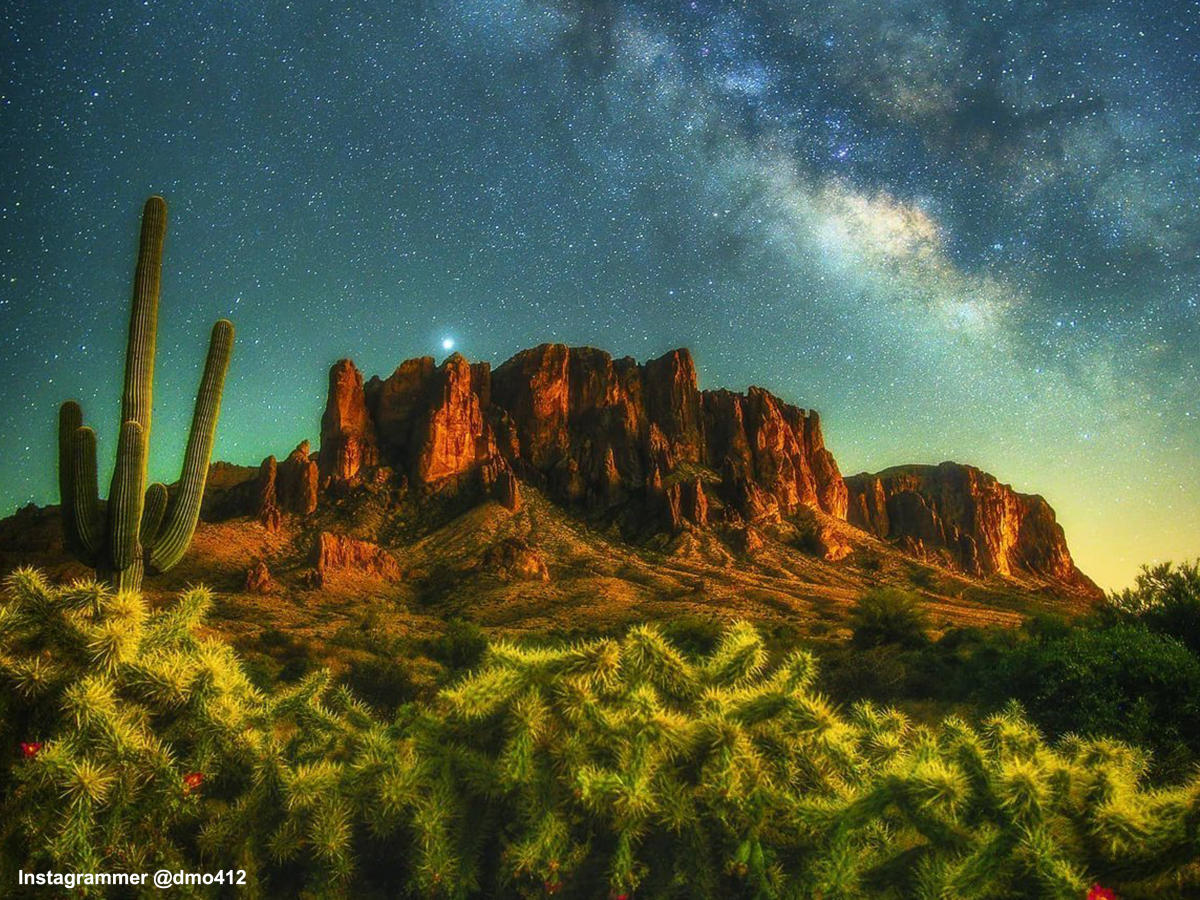
Geographically, the range lies approximately 40 miles (64 kilometers) east of downtown Phoenix, Arizona’s bustling capital and largest city. To their immediate west and southwest are the rapidly expanding suburban communities of Mesa, Apache Junction, and Gold Canyon. These towns serve as excellent staging points for exploring the mountains, offering various services, amenities, and accommodations. The mountains themselves are characterized by dramatic volcanic peaks, deep canyons, and vast expanses of Sonoran Desert flora, creating a stark yet beautiful contrast to the surrounding urban development. The highest point in the range is Superstition Peak, reaching an elevation of 5,057 feet (1,541 meters), though iconic formations like Weavers Needle are arguably more recognizable.
Accessing the Trailhead of Legends
Reaching the Superstition Mountains is relatively straightforward, especially for those traveling by car, which is the most practical mode of transport for exploring the region. The primary route to the western and southern flanks of the mountains is via US-60 (the Superstition Freeway), which runs directly from Phoenix eastward through Mesa and into Apache Junction.
From Apache Junction, several key roads lead directly into or alongside the mountains:
- North on North Apache Trail (SR 88): This historic road, famously known as the Apache Trail, winds through the northern portion of the range, offering breathtaking scenic views, especially as it approaches attractions like Lost Dutchman State Park, Canyon Lake, and Saguaro Lake. While parts of the Apache Trail are paved, sections beyond Tortilla Flat become unpaved and can be rough, requiring a high-clearance vehicle, especially after heavy rains.
- East on Goldfield Road/Peralta Road: These roads provide access to popular trailheads on the southern side of the mountains, including the renowned Peralta Trailhead, which leads to the iconic Weavers Needle. Peralta Road is largely unpaved and can be dusty or muddy, depending on recent weather.
- Lost Dutchman State Park: Located directly off Apache Trail just northeast of Apache Junction, this park serves as an excellent gateway to the mountains, offering hiking trails, camping, and panoramic views of Weavers Needle and the Superstition Wilderness Area.
For those flying in, Phoenix Sky Harbor International Airport (PHX) is the closest major airport, offering numerous rental car options to begin your journey to the Superstition Mountains. The drive from the airport typically takes about 45 minutes to an hour, depending on traffic and your specific destination within the area.
Beyond the Horizon: Legends, History, and Natural Wonders
The physical location of the Superstition Mountains is only the beginning of their story. What truly sets them apart is the rich tapestry of legends, their profound historical significance, and their unique natural characteristics that make them a landmark like no other.
The Enduring Myth of the Lost Dutchman Gold Mine
No discussion of the Superstition Mountains is complete without delving into the most famous and enduring legend associated with them: the tale of the Lost Dutchman Gold Mine. This legend has lured countless prospectors and adventurers to the rugged peaks, many of whom have vanished or met mysterious ends, further deepening the mountains’ mystique.
The legend centers around Jacob Waltz, a German immigrant (mistakenly called “Dutchman”) who, in the late 19th century, allegedly discovered a fabulously rich gold mine within the Superstition Mountains. According to the story, Waltz would periodically emerge from the mountains with saddlebags full of gold, only to disappear back into the wilderness, never revealing the mine’s precise location. On his deathbed in 1891, he supposedly gave vague clues to a neighbor, leading to a century-long treasure hunt. The mine’s supposed location is said to be guarded by spirits, booby traps, and the unforgiving terrain itself. While modern geological surveys have cast doubt on the existence of such a prolific mine, the legend continues to thrive, fueled by tantalizing clues, old maps, and the sheer audacity of the pursuit. The story reflects a deep human fascination with hidden riches and the untamed wilderness.
Before Waltz’s time, the Apache people held the Superstition Mountains as sacred ground, referring to them as “Thunder Mountains” or “Mountains of the Setting Sun.” They believed the mountains were home to various powerful spirits, including a thunder god, and were a place of spiritual significance and danger. Their reverence for the mountains predates European settlement and adds another layer of profound cultural history to the region, often intertwining with the gold mine legends, with some tales suggesting the Apache people guarded their own rich gold deposits within the range.
A Geological Masterpiece
Beyond the legends, the Superstition Mountains are a remarkable geological formation, a testament to millions of years of volcanic activity and erosion. The range is primarily composed of volcanic rock, dating back to the Miocene epoch (roughly 15 to 25 million years ago), when massive stratovolcanoes dominated the landscape. The dramatic cliffs, spires, and oddly shaped formations like Weavers Needle are remnants of these ancient volcanic calderas and subsequent uplift and erosion by wind and water.

The rugged terrain is home to a quintessential Sonoran Desert ecosystem. Towering saguaro cacti stand sentinel alongside brittlebush, prickly pear, and various wildflowers that burst into vibrant color after spring rains. This diverse flora supports a rich array of desert fauna, including javelina, coyotes, bobcats, desert bighorn sheep, and a myriad of bird species. The stark beauty of the desert, coupled with the imposing mountains, creates a unique environment for exploration and photography, constantly reminding visitors of nature’s raw power and delicate balance. The intricate network of canyons and washes, often dry but prone to flash floods, further showcases the erosive forces that have shaped this iconic landscape over millennia.
Exploring the Superstitions: Activities and Adventures
The allure of the Superstition Mountains extends far beyond their captivating legends and stunning natural beauty. For the active traveler, they offer a diverse range of outdoor activities, catering to various skill levels and interests. This region is a true adventurer’s playground, blending challenging trails with serene scenic routes.
Hiking Trails for Every Explorer
Hiking is undoubtedly the most popular activity in the Superstition Mountains, with an extensive network of trails offering everything from leisurely strolls to strenuous climbs. Many trails lead into the Superstition Wilderness Area, a protected space that preserves the rugged character of the range.
- Lost Dutchman State Park Trails: As a primary gateway, Lost Dutchman State Park provides several well-maintained trails suitable for families and casual hikers. The Discovery Trail is an easy, interpretive loop, while the Siphon Draw Trail offers a more challenging ascent towards Flatiron. The views of Weavers Needle and the surrounding desert from the park are spectacular.
- Peralta Trail to Fremont Saddle: This is perhaps the most iconic hike in the Superstition Mountains. Starting from the Peralta Trailhead, the trail climbs steadily through picturesque canyons, culminating at Fremont Saddle with an unparalleled, close-up view of Weavers Needle. It’s a moderately strenuous 4.9-mile out-and-back hike that epitomizes the grandeur of the mountains.
- Flatiron Via Siphon Draw: For experienced and physically fit hikers, the trek to Flatiron is a highly rewarding, albeit demanding, adventure. Beginning in Lost Dutchman State Park, the Siphon Draw Trail involves significant rock scrambling and a challenging ascent up a “chute” to reach the flat summit of Flatiron, offering expansive views of the Phoenix metropolitan area and the vast desert.
- Wave Cave Trail: Gaining popularity, the Wave Cave is a unique rock formation that creates a perfect photo opportunity. The trail starts from the First Water Trailhead and involves a moderate climb, covering about 3 miles roundtrip with fantastic views of the desert and surrounding peaks.
Hikers should always carry ample water, wear sturdy hiking shoes, and be aware of weather conditions, especially during the hot summer months. Sun protection is crucial year-round.
Beyond the Trails: Horseback Riding and Scenic Drives
While hiking is paramount, the Superstition Mountains and their surroundings offer other engaging ways to experience their beauty and history.
- Horseback Riding: Several stables in Apache Junction and Gold Canyon offer guided horseback riding tours, allowing visitors to explore the desert trails in a traditional Western style. This provides a unique perspective on the landscape, often following historic routes used by miners and cowboys.
- The Apache Trail (SR 88) Scenic Drive: For those who prefer scenic drives, the historic Apache Trail offers an unforgettable journey. As one of Arizona’s first scenic byways, it winds through dramatic canyons, past several lakes (Canyon Lake, Saguaro Lake, Apache Lake), and through remnants of old mining towns. Key stops along the way include Goldfield Ghost Town (a reconstructed 1890s mining town with shops, museums, and attractions), Tortilla Flat (a charming, tiny town with a saloon and general store), and various viewpoints. Remember, beyond Tortilla Flat, the road becomes unpaved and requires caution.
- Off-roading and Mountain Biking: For adrenaline seekers, certain areas of the Tonto National Forest surrounding the Superstition Mountains permit off-highway vehicle use and mountain biking on designated trails, offering another thrilling way to navigate the rugged terrain.
Planning Your Stay: Accommodation and Essentials
To truly appreciate the mystique and majesty of the Superstition Mountains, planning your visit thoughtfully is crucial. From choosing the right place to stay to understanding the best time to explore, a little preparation goes a long way in ensuring a memorable experience.
Hotels and Resorts Near the Superstition Mountains
While there are no accommodations directly within the Superstition Wilderness Area itself, several nearby towns offer a range of options to suit various preferences and budgets, from luxurious resorts to comfortable hotels and vacation rentals.
- Apache Junction: Located right at the western base of the mountains, Apache Junction is the most convenient hub for accessing trailheads and attractions. Here, you’ll find a selection of budget-friendly hotels, motels, and numerous RV parks, popular with snowbirds during the winter months. For a truly authentic Arizona experience, consider some of the unique local stays or vacation rentals that offer a more rustic charm.
- Gold Canyon: Just south of Apache Junction, Gold Canyon offers a more upscale and resort-focused experience. The jewel in its crown is the Gold Canyon Golf Resort & Spa, which boasts stunning views of the Superstition Mountains, championship golf courses, and luxurious amenities, perfect for those seeking a blend of adventure and relaxation. Other vacation rentals and private homes are also available, often with incredible mountain backdrops.
- Mesa: As a larger city west of the mountains, Mesa provides a broader range of chain hotels, boutique accommodations, and extended-stay options. It’s a good choice if you prefer more dining and entertainment options after your outdoor excursions, though it’s a slightly longer drive to the immediate mountain trailheads.
- Phoenix & Scottsdale: For those desiring a luxury experience or combining their mountain adventure with a city break, Phoenix and neighboring Scottsdale offer world-class resorts, spas, fine dining, and cultural attractions. While further afield (45-60 minutes drive), they provide an excellent base for day trips to the Superstition Mountains for travelers seeking high-end amenities.
Booking accommodation in advance, especially during the peak winter and spring seasons, is highly recommended to secure your preferred stay.
Essential Tips for a Memorable Visit
To ensure a safe, enjoyable, and memorable trip to the Superstition Mountains, keep these essential tips in mind:
- Best Time to Visit: The ideal time to explore the Superstition Mountains is from October to April. During these months, temperatures are pleasant and mild, perfect for hiking and outdoor activities. Summers (May to September) are extremely hot, with temperatures often exceeding 100°F (38°C), making outdoor recreation challenging and potentially dangerous. If visiting in summer, plan activities for early mornings or late evenings.
- Hydration is Key: The Sonoran Desert climate is arid, and dehydration is a serious risk. Always carry significantly more water than you think you’ll need, especially when hiking. Electrolyte drinks can also be beneficial.
- Sun Protection: Arizona’s sun is intense. Wear wide-brimmed hats, sunglasses, and use high-SPF sunscreen. Long-sleeved, lightweight clothing can also provide protection.
- Appropriate Footwear: Sturdy, closed-toe hiking boots or shoes with good ankle support are essential for navigating the rocky, uneven terrain.
- Layered Clothing: Even in cooler months, desert temperatures can fluctuate widely between day and night. Dress in layers that you can easily add or remove.
- Wildlife Awareness: The desert is home to various wildlife, including snakes, scorpions, and javelina. Stay on marked trails, watch where you step, and never approach wildlife.
- Leave No Trace: Help preserve the beauty of the Superstition Mountains by packing out everything you pack in. Do not disturb plants, rocks, or historical artifacts.
- Maps and Navigation: Cell service can be spotty in the wilderness areas. Carry a physical map and compass, or download offline maps to your phone. Inform someone of your hiking plans and expected return time.
- Respect the Legends: While searching for the Lost Dutchman Gold Mine is a romantic idea, remember the mountains can be dangerous. Prioritize safety over treasure hunting.
In conclusion, the Superstition Mountains are an extraordinary destination, offering a unique blend of natural splendor, compelling history, and adventurous exploration. Their accessible location near major Arizona cities, combined with their wild, untamed spirit, makes them a must-visit for any traveler seeking an authentic desert experience. Whether you’re drawn by the whispers of lost gold, the challenge of the trails, or simply the breathtaking vistas, these mountains promise an unforgettable journey into the heart of Arizona’s most legendary landscape.
LifeOutOfTheBox is a participant in the Amazon Services LLC Associates Program, an affiliate advertising program designed to provide a means for sites to earn advertising fees by advertising and linking to Amazon.com. Amazon, the Amazon logo, AmazonSupply, and the AmazonSupply logo are trademarks of Amazon.com, Inc. or its affiliates. As an Amazon Associate we earn affiliate commissions from qualifying purchases.