
The phrase “Texas Longhorns” conjures two distinct, yet deeply intertwined, images for many. On one hand, it evokes the majestic, horned cattle that are an enduring symbol of American Western heritage, pioneering spirit, and the vast landscapes of Texas. On the other, it immediately brings to mind the formidable athletic programs of the University of Texas at Austin, a powerhouse in collegiate sports, particularly football, whose mascot is the very same iconic beast. For travelers, history buffs, sports enthusiasts, and those seeking an authentic Texas experience, understanding the ‘location’ of the Texas Longhorns means exploring both their geographical habitats and their cultural strongholds. This comprehensive guide will take you on a journey through the heart of Texas, revealing where to witness the live animals, immerse yourself in the vibrant collegiate atmosphere, and discover the best travel and accommodation options along the way.
The Iconic Sporting Dynasty: University of Texas at Austin
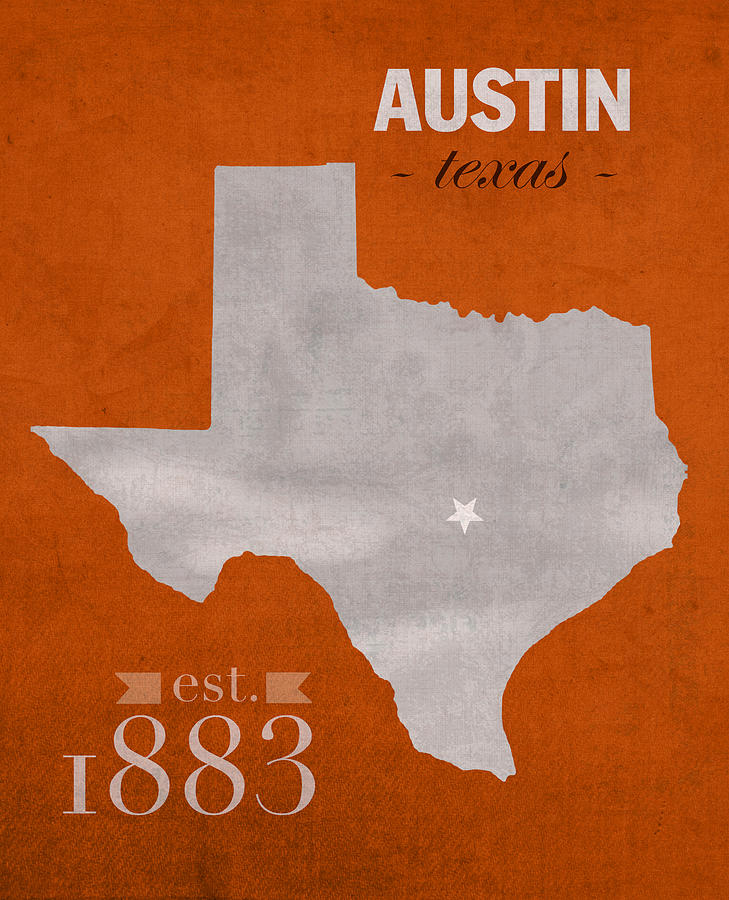
For millions around the globe, the most prominent “Texas Longhorns” are the celebrated athletic teams of the University of Texas at Austin. Located in the bustling and eclectic capital city of Austin, this public research university is not just an academic giant but also a sporting colossus with a passionate, orange-clad fan base. Experiencing the Texas Longhorns in this context is an immersion into a unique brand of Texas culture, tradition, and fervent loyalty.
The Heart of Hook ‘Em: The UT Austin Campus
The sprawling 431-acre campus of the University of Texas at Austin is the undisputed epicenter of Longhorn athletic pride. Situated just north of Austin’s vibrant downtown, the campus itself is a landmark, characterized by its impressive architecture, green spaces, and the iconic UT Tower. The UT Tower, officially the Main Building Tower, stands tall as a symbol of the university, often illuminated in orange after significant victories.
The primary location for the Longhorns’ football prowess is the magnificent Darrell K Royal-Texas Memorial Stadium. With a seating capacity exceeding 100,000, it’s one of the largest stadiums in the United States and a true cathedral of college football. Visiting the stadium, even outside of game day, provides a sense of the sheer scale and history of the program. Guided tours can often be arranged, offering a behind-the-scenes look at the locker rooms, field, and other facilities that are usually reserved for players and coaches. Beyond football, the campus also hosts state-of-the-art facilities for basketball (Moody Center), baseball (Disch-Falk Field), and a myriad of other sports, making it a comprehensive destination for sports lovers.
Beyond the athletic facilities, the campus offers a rich array of cultural and educational attractions. The Texas Memorial Museum provides insights into Texas’ natural and cultural history, while the Blanton Museum of Art boasts an impressive collection ranging from ancient to contemporary art. Just across the street from campus, the Bob Bullock Texas State History Museum offers an immersive journey through the state’s storied past, connecting visitors to the very essence of Texas identity, which the Longhorn spirit so perfectly embodies. Exploring these landmarks not only enhances a visit to Austin but also provides a deeper understanding of the context that makes the Texas Longhorns such a revered institution.

Experiencing Game Day: A Texas Tradition
To truly understand the “location” of the Texas Longhorns as a sports team, one must experience a game day in Austin. It’s more than just a football game; it’s a cultural phenomenon, a rite of passage, and a vibrant display of Texas pride. The city transforms into a sea of burnt orange, as fans from all corners of the state and beyond descend upon the campus.
The day typically begins hours before kickoff with tailgating – an elaborate pre-game ritual involving barbecues, live music, cornhole, and an abundance of camaraderie. University Avenue, Speedway, and the parking lots around the stadium become bustling hubs of activity, echoing with the chant of “Hook ‘Em Horns!” It’s an experience rich in local culture, where delicious Texas barbecue aromas fill the air, and strangers bond over their shared passion for the team.
The highlight for many is the chance to see Bevo, the live Texas Longhorn steer who serves as the official mascot. Bevo makes an appearance at every home football game, led into the stadium amidst roaring cheers and camera flashes. Seeing this magnificent animal up close, an embodiment of strength and tradition, is a truly awe-inspiring moment and connects the sporting legacy directly to the animal’s historical significance. The pageantry extends to the Longhorn Band, one of the oldest and most respected collegiate marching bands in the nation, whose pre-game and halftime performances are spectacles in themselves. The sheer energy, the deafening roar of the crowd, the iconic “The Eyes of Texas” song, and the sight of over 100,000 fans doing the “Hook ‘Em Horns” gesture in unison create an electrifying atmosphere that is unparalleled. For anyone interested in American sports culture or simply seeking an unforgettable travel experience, a Texas Longhorns game day is a must-do.
Tracing Their Roots: Where to Find the Majestic Texas Longhorn Cattle
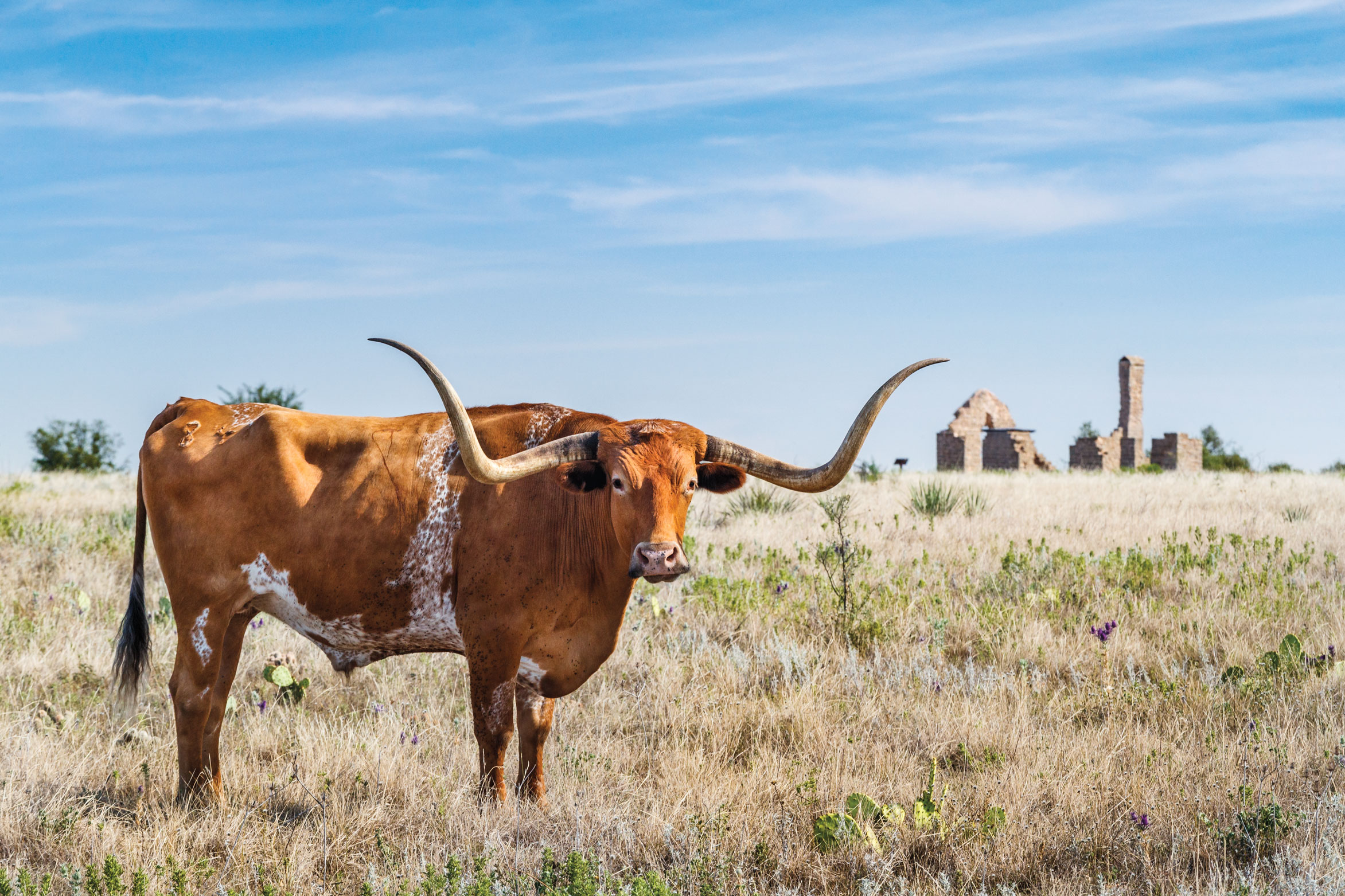
Beyond the roar of the stadium, the true “location” of the Texas Longhorn breed lies in the pastures and ranches that dot the vast Texas landscape. These magnificent animals, known for their distinctive long horns that can span up to 100 inches from tip to tip, are living legends, symbolizing resilience, adaptability, and the frontier spirit. They are a direct link to the state’s cattle driving past and continue to play a role in its agricultural present. For travelers seeking an authentic encounter with these iconic bovines, there are several key destinations.
Fort Worth Stockyards: A Living Piece of History
One of the most accessible and engaging places to see live Texas Longhorn cattle is the Fort Worth Stockyards National Historic District in Fort Worth. This vibrant district, steeped in cowboy heritage, offers a unique opportunity to step back in time and witness a daily cattle drive featuring a genuine herd of Texas Longhorns. Twice a day, at 11:30 AM and 4:00 PM, real Texas cowboys drive a small herd down Exchange Avenue, giving visitors an up-close and personal view of these majestic animals and a glimpse into the historic cattle drives that defined the American West.
The Stockyards district itself is a major tourist attraction, offering much more than just the cattle drive. Visitors can explore historic buildings, enjoy authentic Texas cuisine at classic steakhouses, browse Western-themed shops, and even try their hand at bull riding (mechanical, of course). Attractions like the National Cowgirl Museum and Hall of Fame and the Texas Cowboy Hall of Fame delve deeper into the culture surrounding these animals and the people who worked with them. For evening entertainment, Billy Bob’s Texas, the “World’s Largest Honky Tonk,” offers live music, dancing, and even indoor bull riding. A visit to the Fort Worth Stockyards is an essential experience for anyone wanting to connect with the agricultural and historical roots of the Texas Longhorns and the broader Texas lifestyle.
Exploring Texas Ranches and Heritage Sites
While the Fort Worth Stockyards provide a curated experience, the true home of the Texas Longhorn breed lies in the countless ranches across the state. Many working ranches in Texas actively breed and raise Longhorns, preserving their lineage and celebrating their unique characteristics. While not all ranches are open to the public, some offer guided tours, guest stays, or participate in local festivals where visitors can see the animals in a more natural, expansive setting.
Organizations like the Texas Longhorn Breeders Association of America (TLBAA) often list breeders and events, which can be a valuable resource for those specifically seeking out ranch experiences. Several state parks and natural areas across Texas also maintain small herds of Longhorns as part of their educational and historical preservation efforts. For example, some historical sites managed by the Texas Parks and Wildlife Department may feature them, especially in regions known for their cattle ranching history, such as the Texas Hill Country. These settings offer a chance to appreciate the animals’ hardiness and beauty against the backdrop of diverse Texas landscapes, from rolling hills to vast prairies.
For an even deeper dive into the historical significance, travelers can visit museums and historical centers that focus on the cattle industry and the Chisholm Trail. These locations provide context on how the Texas Longhorn played a pivotal role in the economic development of Texas and the expansion of the American frontier. Such experiences cater to those interested in local culture, history, and a more rustic, hands-on understanding of the Texas Longhorn’s enduring legacy.
Planning Your Texas Longhorn Adventure: Travel & Accommodation
Whether you’re drawn to the electric energy of a college game day or the timeless appeal of a cattle drive, planning your trip to see the Texas Longhorns requires careful consideration of travel logistics and accommodation options. Both Austin and Fort Worth offer a wide range of choices to suit various preferences and budgets, ensuring a comfortable and memorable journey into the heart of Texas.
Austin: Your Base for University Exploration
As the capital city, Austin is a vibrant hub known for its live music scene, delicious food, and “Keep Austin Weird” mantra. It serves as the perfect launchpad for exploring the University of Texas at Austin and its athletic programs.
Accommodation in Austin:
The city offers diverse accommodation options:
- Luxury & Boutique Hotels: Downtown Austin boasts upscale hotels like The Driskill, a historic landmark with opulent interiors, or modern establishments such as the JW Marriott Austin. These provide excellent amenities, often including rooftop pools, fine dining, and prime locations close to attractions and nightlife.
- Mid-Range & Business Hotels: Many reputable hotel chains are available throughout the city, offering comfortable stays with essential amenities. Areas near the university campus or the Convention Center are convenient for those focused on campus activities.
- Budget-Friendly Options: For budget travelers, numerous hotels and motels are located further out from the city center, particularly along major highways, offering good value. Hostels and vacation rentals (like apartments or guesthouses) also provide cost-effective alternatives, especially for longer stays.
- Unique Stays: Austin also offers a variety of unique boutique hotels and vacation rentals that reflect its quirky character, from renovated Airstreams to charming guesthouses in historic neighborhoods.
Getting Around Austin: Austin-Bergstrom International Airport (AUS) serves the city. Once in Austin, ride-sharing services, taxis, and public transportation (Capital Metro buses) are readily available. Downtown Austin is walkable, and exploring areas like South Congress Avenue or Sixth Street on foot is part of the experience. For broader exploration, renting a car provides the most flexibility, especially if you plan to venture beyond the city limits.
Beyond the Longhorns: While in Austin, don’t miss other attractions like kayaking or paddleboarding on Lady Bird Lake, exploring Zilker Park, visiting the Texas State Capitol, or enjoying the vibrant live music scene.
Fort Worth: Stepping Back in Time
Fort Worth offers a distinctly different, yet equally captivating, Texas experience. Known as “Cowtown,” it embraces its Western heritage with open arms, making it the ideal base for experiencing the historical Texas Longhorn cattle drives.
Accommodation in Fort Worth:
- Hotels Near the Stockyards: For immersive travel, consider hotels directly within or adjacent to the Fort Worth Stockyards National Historic District. These often have a rustic, Western charm, putting you right in the heart of the action.
- Downtown Fort Worth: A short drive from the Stockyards, downtown Fort Worth offers a more contemporary selection of hotels, including luxury options like the Omni Fort Worth Hotel and various well-known hotel chains. This area provides easy access to museums and upscale dining.
- Resorts & Extended Stays: If you’re looking for a resort experience or planning a longer family trip, properties like the Gaylord Texan Resort & Convention Center (in nearby Grapevine) offer extensive amenities, including water parks, multiple restaurants, and family-friendly activities, providing a luxurious travel lifestyle.
Getting Around Fort Worth: The closest major airport is Dallas/Fort Worth International Airport (DFW), which is a significant international hub. From DFW, it’s an easy drive or shuttle ride to Fort Worth. While the Stockyards district itself is very walkable, a car is recommended for exploring other Fort Worth attractions or venturing to nearby ranches.
Beyond the Longhorns: Fort Worth has a rich cultural district, home to world-class museums like the Kimbell Art Museum, the Amon Carter Museum of American Art, and the Modern Art Museum of Fort Worth. The Fort Worth Zoo and Fort Worth Botanic Garden also offer excellent family activities.
In conclusion, “Where are the Texas Longhorns located?” leads to a dual answer, each offering a distinct and enriching travel experience. Whether you’re cheering on a championship team in Austin or marveling at a herd of majestic cattle in Fort Worth, your journey through Texas will connect you to a profound sense of history, tradition, and spirited local culture. Plan your itinerary, choose your ideal accommodation, and prepare to immerse yourself in the legendary world of the Texas Longhorns.
LifeOutOfTheBox is a participant in the Amazon Services LLC Associates Program, an affiliate advertising program designed to provide a means for sites to earn advertising fees by advertising and linking to Amazon.com. Amazon, the Amazon logo, AmazonSupply, and the AmazonSupply logo are trademarks of Amazon.com, Inc. or its affiliates. As an Amazon Associate we earn affiliate commissions from qualifying purchases.