
The question often arises, especially for those planning a getaway or simply curious about geography, “Where exactly is Baja California as opposed to California?” This seemingly simple query unlocks a fascinating geographical and cultural distinction, separating two landmasses that share a name and a border but offer distinct experiences. While they are undeniably linked, understanding their individual identities is key to appreciating the unique allure of each.
At its core, the distinction lies in national sovereignty and geographical formation. California is a state within the United States of America. Baja California, on the other hand, refers to a peninsula that forms the northwestern part of Mexico. This significant political border carved by history and diplomacy is the most crucial differentiator. Imagine a pie cut in half; California is one slice, and the Baja California peninsula is the other, albeit a much longer and more slender one.
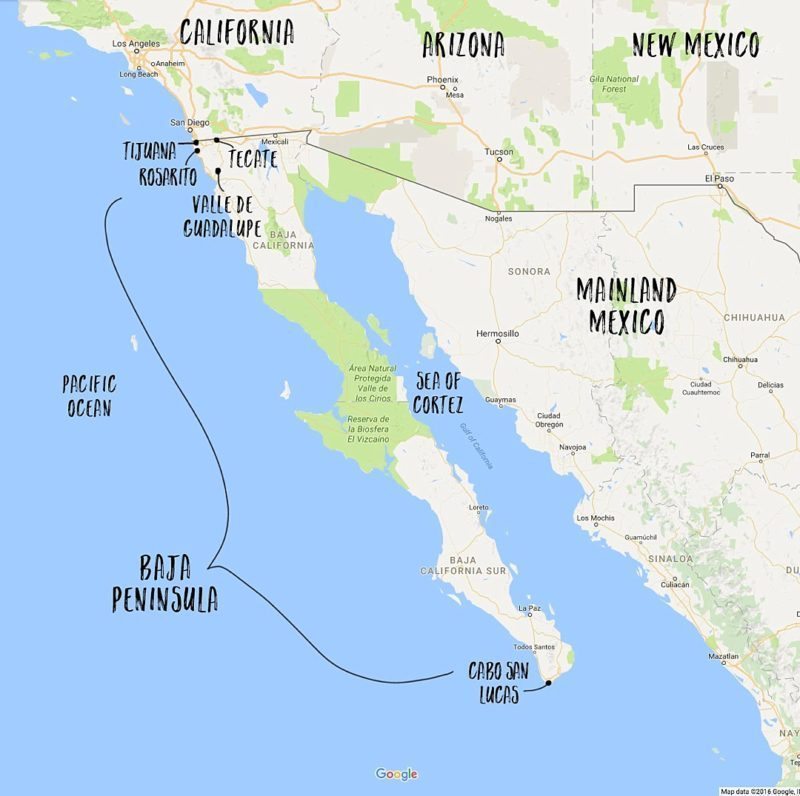
The geographical connection is undeniable. The Baja California peninsula is the westernmost part of Mexico and is separated from mainland Mexico by the Gulf of California. Its northwestern tip abuts the southern border of the US state of California. This proximity makes it a popular destination for travelers from California and beyond, seeking a different cultural flavor and a unique landscape.
Understanding the Geographical Divide
The genesis of this separation is rooted in history, specifically the Mexican-American War and the subsequent Treaty of Guadalupe Hidalgo in 1848. This pivotal treaty ceded a vast territory from Mexico to the United States, which included the land that would eventually become the US state of California. The remaining portion of the territory, the long, narrow peninsula, remained part of Mexico. This historical event is the fundamental reason for the distinct political and cultural identities of the two regions that share the “California” name.
The Baja California Peninsula: A Mexican Treasure
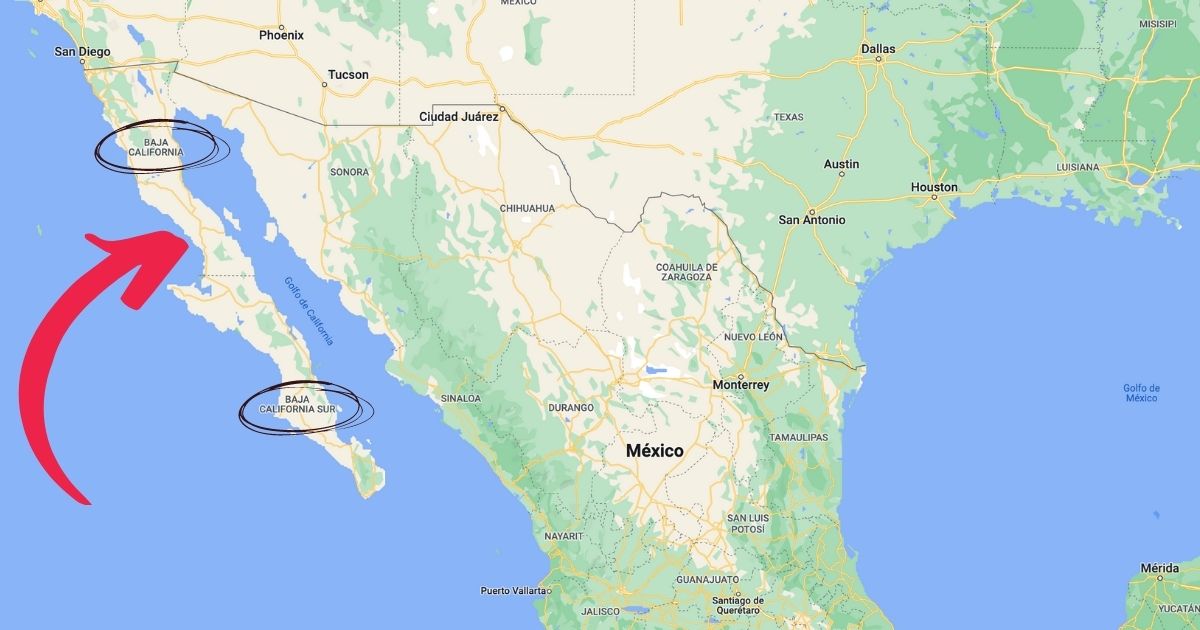
The Baja California peninsula is not a monolithic entity. It is further divided into two Mexican states: Baja California (officially Baja California Norte) and Baja California Sur. This internal division within Mexico adds another layer to understanding its geography.
-
Baja California (Baja California Norte): This northernmost state is home to major cities like Tijuana, a bustling border city, and Ensenada, a popular port city renowned for its wine region and proximity to the Valle de Guadalupe. This state shares a direct land border with the US state of California.
-
Baja California Sur: Stretching further south, this state is known for its stunning coastal resorts and marine life. Its capital is La Paz, a charming city on the shores of the Sea of Cortez. Further south still lies Los Cabos, a world-famous destination comprising the towns of Cabo San Lucas and San José del Cabo, celebrated for luxury hotels, championship golf courses, and vibrant nightlife.
The lifestyle in Baja California tends to lean towards a more relaxed, sun-drenched vacation vibe, especially in the southern reaches. Tourism is a dominant industry, catering to international visitors looking for beaches, adventure sports, and a taste of authentic Mexican culture.
California: The Golden State
The US state of California is a vast and diverse entity, extending far beyond its southern border with Baja California. It is the most populous state in the United States and a global hub for entertainment, technology, and agriculture.

-
Geography: California boasts an incredibly varied landscape, from the deserts of the Mojave Desert to the redwood forests of the north, the fertile Central Valley, and the iconic coastline along the Pacific Ocean. Its major cities include Los Angeles, the entertainment capital; San Francisco, known for its landmarks like the Golden Gate Bridge and its tech industry; and the state capital, Sacramento.
-
Lifestyle and Culture: The lifestyle in California is multifaceted, reflecting its diverse population and economy. It encompasses everything from the laid-back surf culture of its coastal towns to the high-octane pace of Silicon Valley and the glitz and glamour of Hollywood. California is a melting pot of cultures, cuisines, and experiences.
Travel and Tourism: Distinct but Intertwined
While geographically adjacent, the travel experiences offered by Baja California and California are distinct, though often complementary. Many travelers might visit both on a single trip, experiencing the diverse offerings of two different countries.
Exploring Baja California: A Sun-Kissed Adventure
Baja California is a prime destination for those seeking a more tropical or desert-meets-ocean experience.
-
Destinations: Key attractions include the whale watching opportunities in Magdalena Bay and around Loreto, the world-class sport fishing in Buccaneer Bay, and the pristine beaches of La Paz and Los Cabos. Inland, the Valle de Guadalupe offers a burgeoning wine tourism scene, reminiscent of some Californian vineyards but with a distinctly Mexican flair.
-
Experiences: Activities often revolve around the water, with snorkeling, diving, surfing, and kayaking being incredibly popular. Inland adventures include exploring desert landscapes, visiting historic missions, and immersing oneself in local markets and culinary traditions. Luxury resorts in Cabo San Lucas offer world-class amenities, while charming boutique hotels in towns like Todos Santos provide a more intimate experience. Budget travelers can find affordable accommodations and local eateries, making Baja California accessible to a wide range of visitors.
Journeying Through California: From Coast to Cities
California offers an immense variety of travel experiences, catering to diverse interests.
-
Destinations: Iconic landmarks abound, from the theme parks of Southern California like Disneyland and Universal Studios Hollywood to the natural wonders of Yosemite National Park and the dramatic coastline along Highway 1. Cities like San Francisco with its historic cable cars and vibrant neighborhoods, and Los Angeles with its sprawling entertainment industry and diverse communities, are major draws.
-
Experiences: Travel in California can range from exploring the cutting-edge technology hubs in Silicon Valley to driving scenic routes, visiting world-renowned museums, enjoying a vibrant food scene in cities like San Diego, or embarking on family trips to national parks. Accommodation options are equally diverse, from luxury hotels and sprawling resorts to budget-friendly motels and vacation rentals. The state caters to luxury travelers seeking opulent experiences and budget-conscious explorers looking for affordable adventures.
In essence, while “California” can refer to both the US state and, in a broader sense, the entire geographical region encompassing the peninsula, the practical distinction lies in the political boundary. Baja California is Mexico’s sun-drenched, adventure-filled peninsula, while California is the diverse and dynamic United States state stretching north of it. Understanding this difference is the first step to planning an unforgettable journey to either or both of these captivating regions.
LifeOutOfTheBox is a participant in the Amazon Services LLC Associates Program, an affiliate advertising program designed to provide a means for sites to earn advertising fees by advertising and linking to Amazon.com. Amazon, the Amazon logo, AmazonSupply, and the AmazonSupply logo are trademarks of Amazon.com, Inc. or its affiliates. As an Amazon Associate we earn affiliate commissions from qualifying purchases.