
Florida, often celebrated for its sun-kissed beaches, vibrant cities, and world-class theme parks, holds a unique charm that draws nature lovers from across the globe: the opportunity to witness the gentle giants of the sea – manatees. These captivating marine mammals, also known as “sea cows,” are an iconic symbol of the Sunshine State, embodying its natural beauty and delicate ecosystems. For anyone planning a Florida adventure, encountering a manatee in its natural habitat is an unforgettable experience, offering a serene contrast to the state’s bustling attractions. This comprehensive guide will navigate you through the best locations, optimal times, and essential tips for respectfully observing these magnificent creatures, ensuring your trip is as rewarding as it is responsible. Whether you’re a seasoned traveler seeking unique destinations, a family planning an educational outing, or a solo explorer yearning for an authentic wildlife encounter, Florida offers unparalleled opportunities to connect with manatees.
Understanding Manatee Habitats and Best Viewing Times
Manatees are herbivorous marine mammals that thrive in warm, shallow coastal waters, estuaries, and rivers. Their survival is intrinsically linked to the availability of warm water, especially during Florida’s cooler winter months. As water temperatures in the Gulf of Mexico and Atlantic Ocean drop below 68°F (20°C), manatees seek refuge in natural warm-water springs, power plant discharges, and other thermal refuges. This seasonal migration makes winter – typically from November through March – the absolute best time for guaranteed manatee sightings. During these months, hundreds of manatees congregate in specific areas, making observation relatively easy and incredibly rewarding.
Conversely, in the warmer summer months, manatees disperse throughout Florida’s waterways, venturing into more remote areas for foraging and breeding. While sightings are still possible, they are less concentrated and often require more effort to locate. Therefore, if a manatee encounter is high on your list of priorities, planning your travel between late fall and early spring will significantly increase your chances. Understanding these seasonal patterns is the first step in crafting your perfect manatee-centric travel itinerary, allowing you to choose the prime attractions and secure accommodation near these popular manatee havens.
The Significance of Warm Water Refuges
The natural springs of Florida play a crucial role as vital sanctuaries for manatees. These springs, fed by the vast Florida Aquifer, maintain a constant temperature of around 72°F (22°C) year-round, making them irresistible to cold-sensitive manatees when ambient water temperatures plummet. This unique ecological phenomenon has given rise to several world-renowned manatee viewing landmarks and tourism hotspots. Beyond natural springs, various power plants across the state, such as the TECO Big Bend Power Station near Apollo Beach, release warm water discharges that create artificial warm-water refuges, drawing in large numbers of manatees. These locations have become unexpected but incredibly effective viewing spots, often equipped with dedicated observation decks and educational centers. When planning your trip, consider these specific types of locations to maximize your manatee viewing opportunities.
Top Manatee Sanctuaries and Viewing Locations
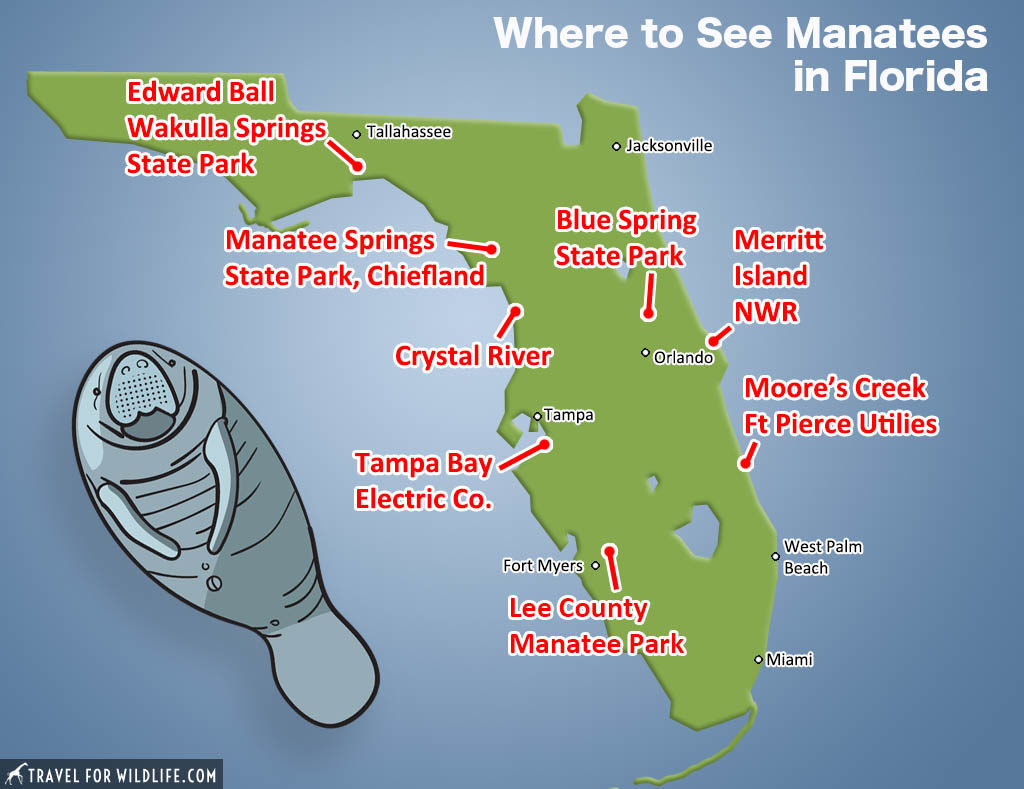
Florida boasts an impressive array of places where you can observe manatees, each offering a slightly different experience, from guided swims to tranquil boardwalk views. Here are some of the premier spots to add to your travel guide.
Natural Springs: Immerse Yourself in Manatee Heaven
Crystal River and Kings Bay
Often dubbed the “Manatee Capital of the World,” Crystal River is undoubtedly the most famous destination for manatee encounters, particularly for those seeking an in-water experience. Located on Florida’s Gulf Coast, Crystal River is home to Kings Bay, a network of more than 50 springs that maintain a constant 72-degree Fahrenheit temperature. During the winter, hundreds of manatees flock here, sometimes exceeding a thousand individuals.
The unique draw of Crystal River is the opportunity to swim or snorkel with manatees in a controlled, respectful manner. Numerous licensed tour operators in the area offer guided tours, ensuring a safe and ethical interaction. These tours typically involve a boat ride to specific manatee zones, followed by an educational briefing on manatee etiquette before entering the water. Popular viewing spots within Kings Bay include Three Sisters Springs, a stunning natural area accessible by kayak, paddleboard, or pontoon boat, which serves as a critical refuge for manatees. While swimming directly into Three Sisters Springs may be restricted during peak season to protect the manatees, the surrounding waterways offer incredible viewing opportunities.
For those preferring to stay dry, the Crystal River National Wildlife Refuge provides boardwalks and observation platforms, especially at Three Sisters Springs via the Crystal River National Wildlife Refuge Visitor Center, allowing for excellent land-based viewing. When considering accommodation in Crystal River, you’ll find a range of options from charming boutique hotels to family-friendly resorts, all catering to the eco-tourism lifestyle.

Ellie Schiller Homosassa Springs Wildlife State Park
Just a short drive south of Crystal River lies Ellie Schiller Homosassa Springs Wildlife State Park, another fantastic location for manatee viewing. This park serves as a rehabilitation center for injured manatees, providing a permanent home for those that cannot be released back into the wild. What makes Homosassa Springs unique is its underwater observatory, often called the “Fishbowl.” Visitors can walk down into this submerged chamber and watch manatees swim gracefully in their natural spring environment, alongside various native fish and other aquatic life. This offers an unparalleled, close-up view without getting wet, making it perfect for families with young children or those seeking a less adventurous encounter.
Beyond manatees, the park is a true wildlife haven, showcasing a variety of Florida’s native animals, including bears, panthers, alligators, and crocodiles. It’s an ideal spot for a full day of nature-based activities and offers a great educational experience for all ages. Accommodation options in nearby Homosassa range from cozy vacation rentals to larger resorts, providing a tranquil base for exploring the region.
Blue Spring State Park
Located near Orange City in central Florida, Blue Spring State Park is one of the largest winter gathering sites for manatees along the St. Johns River. The crystal-clear, 72-degree waters of Blue Spring draw in hundreds of manatees when the river cools, making it a spectacular viewing destination. During peak manatee season (mid-November to mid-March), swimming, snorkeling, and diving in the spring run are prohibited to protect the congregating manatees. However, visitors can enjoy excellent views from multiple boardwalks that wind along the spring run. These elevated platforms offer panoramic perspectives of the manatees resting, playing, and feeding below.
The park also offers opportunities for kayaking and canoeing on the St. Johns River (outside the manatee sanctuary area), hiking, and camping. Early morning visits are recommended, especially on weekends, as the park often reaches capacity during peak season due to its popularity as a premier manatee landmark. Orlando and Daytona Beach are within reasonable driving distance, offering a wide array of hotels and resorts for travelers looking for diverse accommodation options, from luxury travel to more budget-friendly choices.
Weeki Wachee Springs State Park
While primarily famous for its mermaid shows, Weeki Wachee Springs State Park also hosts manatees, especially during cooler months. The spring waters of the Weeki Wachee River provide a suitable habitat. While not as concentrated as Crystal River or Blue Spring for manatee viewing, visitors exploring the river by kayak or paddleboard might be lucky enough to spot a manatee in its natural setting. The park’s Buccaneer Bay waterpark and boat tours also offer a chance for incidental sightings, combining manatee spotting with other fun activities perfect for a family trip.
Coastal Hotspots and Viewing Centers
Manatee Viewing Center at Apollo Beach (TECO Big Bend Power Station)
This is an exceptional and perhaps unexpected location for guaranteed manatee sightings. The Manatee Viewing Center in Apollo Beach, operated by Tampa Electric (TECO), is adjacent to the Big Bend Power Station. During cooler weather, the warm, clean water discharge from the power plant attracts hundreds of manatees seeking refuge from the cold Tampa Bay waters.
The center offers extensive boardwalks, observation towers, and an environmental education building. It’s a fantastic, free attraction where you can observe manatees up close from dry land, often seeing mothers with calves. The best time to visit is from November 1 to April 15. Its proximity to Tampa and St. Petersburg makes it an easy day trip for visitors staying in those vibrant cities, which offer a full spectrum of accommodation from luxury suites to budget-friendly apartments.
Lee County Manatee Park (Fort Myers)
On Florida’s southwest coast, the Lee County Manatee Park in Fort Myers is another excellent spot to see manatees. Similar to the Apollo Beach location, this park capitalizes on the warm-water discharge from a nearby power plant (FPL’s Fort Myers Plant). Manatees gather in the park’s canals, particularly during the winter months, offering visitors easy viewing from boardwalks and observation areas.
The park also features a butterfly garden, a gift shop, and kayak rentals for exploring the adjacent canals (with strict rules to protect manatees). It’s a free park and a highly recommended stop if you’re exploring the Fort Myers or Naples area. Fort Myers provides numerous resort-style hotels and villas, making it a popular choice for both family trips and longer stays.
Merritt Island National Wildlife Refuge (Titusville)
Located on Florida’s Space Coast near the Kennedy Space Center, the Merritt Island National Wildlife Refuge offers a unique blend of wildlife viewing and space exploration history. Manatees can often be seen in the various lagoons and estuaries of the refuge, particularly in the Indian River Lagoon, especially around the Haulover Canal. While not as concentrated as the spring-fed locations, the refuge provides a vast, biodiverse environment for spotting manatees alongside other incredible wildlife, including dolphins, alligators, and numerous bird species. Kayaking and paddleboarding are popular ways to explore the tranquil waters and potentially spot manatees in a more natural, less-crowded setting. The nearby city of Titusville offers various accommodation options, catering to visitors interested in both space and nature tourism.
Everglades National Park
While Everglades National Park is renowned for its alligators and diverse birdlife, manatees also frequent its brackish waters, particularly in the warmer months. Viewing here requires more luck and often involves boat tours or exploring specific areas like Flamingo or the Ten Thousand Islands by kayak. This is a destination for the adventurous traveler seeking a wilderness experience, offering a glimpse into the raw, untamed side of Florida. Accommodation within the park is limited to campgrounds and basic lodging, with more extensive options available in nearby cities like Homestead or Miami, making it part of a larger South Florida lifestyle itinerary.
Responsible Manatee Encounters: Tips for Visitors
Encountering manatees is a privilege, and it comes with the responsibility to protect these gentle, endangered creatures. The Florida Fish and Wildlife Conservation Commission (FWC) has strict guidelines in place to ensure manatee safety and minimize human impact.
- Look, But Don’t Touch: This is the golden rule. Never feed, touch, chase, or harass manatees. Human interaction can alter their natural behavior, making them more susceptible to harm, especially from boats.
- Maintain Distance: Whether in the water or on a boat, keep a respectful distance. If a manatee approaches you, remain passive and do not initiate contact.
- Use Licensed Tour Operators: If you plan to swim or snorkel with manatees, always choose a reputable, licensed tour operator who prioritizes manatee welfare and follows FWC guidelines. They will provide essential briefings and ensure ethical interactions.
- Observe from a Distance: When viewing from boardwalks or observation decks, use binoculars for close-up views. Avoid loud noises or sudden movements that could disturb them.
- Boating Safety: If you’re operating a boat in manatee habitats, observe all posted speed zones (idle speed, slow speed) and watch for manatee signs (snouts, backs, tails, or footprints – circular swirls on the water’s surface). Propeller strikes are a major threat to manatees.
- “Hands Off, Taps On” Policy: For in-water encounters, remember “Hands Off” (no touching) and “Taps On” (passive observation). This ensures minimal disturbance to the manatees.
- Report Injured or Distressed Manatees: If you see a sick, injured, or dead manatee, or one in distress, contact the FWC Wildlife Alert Hotline immediately at 1-888-404-FWCC (3922).
By adhering to these guidelines, you contribute to the conservation efforts that safeguard Florida’s manatee population, ensuring future generations can also marvel at these peaceful marine giants. This mindful approach to tourism enriches your experience and supports the long-term health of Florida’s unique ecosystems.
Planning Your Manatee Adventure: Accommodation and Lifestyle Choices
A successful manatee viewing trip often extends beyond the encounter itself, encompassing thoughtful planning of your accommodation and integrating other experiences that fit your travel lifestyle.
Choosing Your Stay: Hotels, Resorts, and More
Depending on your chosen manatee viewing location, you’ll find a diverse range of accommodation options.
- Near Natural Springs (e.g., Crystal River, Homosassa, Orange City): These areas tend to have more local, independent hotels, charming bed & breakfasts, and vacation rentals. Look for boutique hotels or resorts offering easy access to tour operators and natural attractions. For a family trip, consider apartments or villas with kitchen amenities.
- Near Coastal Hotspots (e.g., Tampa, Fort Myers, Titusville): These larger cities offer a broader spectrum, from luxury suites in downtown hotels to sprawling beachfront resorts with extensive amenities. Tampa and St. Petersburg are excellent for combining manatee viewing with urban exploration, fine dining, and cultural attractions.
- Budget vs. Luxury: Florida caters to all budgets. Budget travel options are plentiful in most areas, from chain hotels to campgrounds. For those seeking luxury travel, high-end resorts and boutique hotels are available, often offering packages that include guided tours and exclusive experiences. Utilize online booking platforms to compare prices and read reviews to find the perfect stay.
Integrating Other Florida Experiences
Your manatee quest can be seamlessly integrated into a larger Florida adventure:
- Nature and Wildlife: Combine manatee viewing with birdwatching at a National Wildlife Refuge, exploring the Everglades, or enjoying a scenic airboat ride.
- Beach Life: Florida’s stunning beaches are never far. Consider pairing your manatee trip with a few days relaxing on the sands of Clearwater Beach, Siesta Key, or the Atlantic Coast.
- Theme Parks: If traveling with family, a manatee encounter offers a refreshing natural break from the thrills of Orlando’s theme parks. Many manatee spots are within a reasonable drive from Central Florida.
- Local Culture and Food: Explore the local culture of charming towns like Tarpon Springs with its Greek sponge diving heritage, or savor fresh seafood at a waterfront restaurant in Sarasota.
- Business Stays: Even if you’re in Florida for business, many manatee viewing centers are accessible for a quick escape into nature, offering a relaxing counterpoint to your work schedule.
No matter your preference, Florida offers a rich tapestry of experiences that can complement your magical manatee encounter, making your trip truly comprehensive and memorable.
Conclusion
Seeing manatees in Florida is more than just a tourist attraction; it’s an immersive journey into the heart of Florida’s unique natural heritage. From the unparalleled in-water experiences of Crystal River to the tranquil boardwalks of Blue Spring State Park and the industrial warmth of the Apollo Beach Manatee Viewing Center, the opportunities to witness these gentle giants are abundant, especially during the crucial winter months.
By choosing the right time and location, and by committing to responsible viewing practices, you not only create lasting memories but also contribute to the vital conservation efforts that ensure the future of Florida’s beloved manatees. So, pack your bags, prepare your cameras, and embark on an unforgettable adventure to discover “Where Can I See Manatees In Florida?” Your journey into the serene world of these magnificent marine mammals awaits, promising an experience that will deepen your appreciation for Florida’s extraordinary natural wonders. Start planning your personalized manatee travel guide today, and prepare for an encounter that truly defines the spirit of Florida tourism.